
An AI system sold six artworks for $351,600 at Sotheby's New York in October 2024, selecting every piece without a single human curator approving the choices.
How Botto Generates and Auctions Art Autonomously
Botto is an autonomous AI artist that creates, curates, and sells digital works without direct human oversight. Launched in 2021 by German artist Mario Klingemann, the platform runs on the open-source Kandinsky AI model, originally developed by Sberbank, which produces high-resolution images and video clips. Botto's engine generates roughly 350 new pieces each week, then publishes them to the BottoDAO voting portal where a community of about 28,000 participants ranks the creations. The highest-ranked work proceeds to auction on marketplaces such as SuperRare.
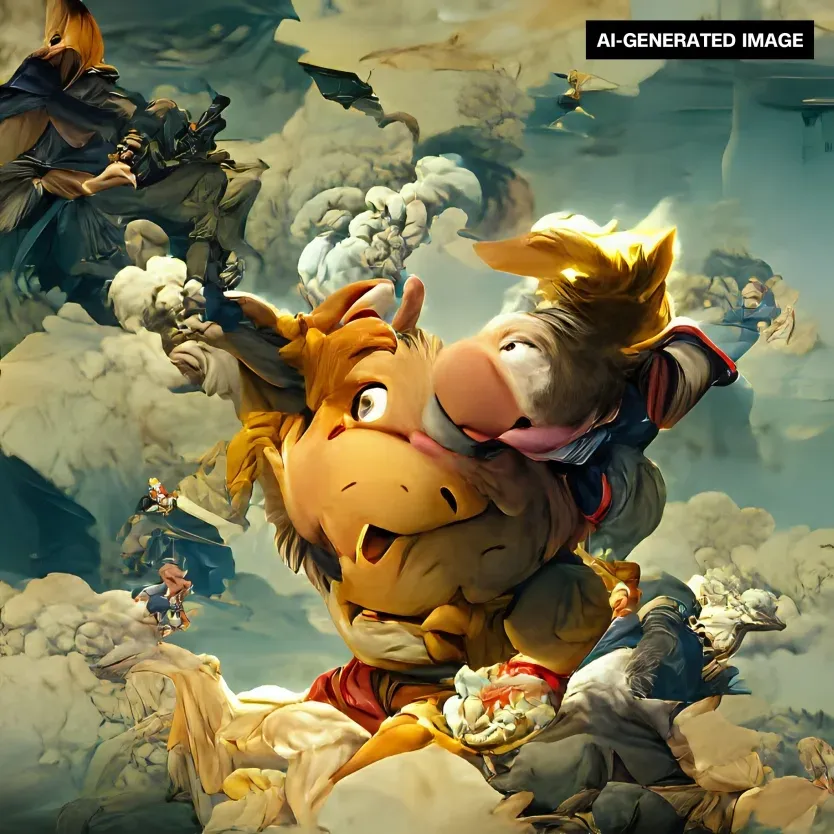
October 2024 Sotheby's Sale Generated $351,600
Sotheby's October 2024 "Exorbitant Stage" exhibition listed six Botto pieces. Sotheby's official catalogue confirms total sales of $351,600, marking the largest single-event revenue for an AI-generated art auction to date. According to BottoDAO's official press release distributed through Business Wire, Botto has generated substantial revenue since its 2021 launch. The platform has amassed millions in total sales across more than 140 pieces, with lifetime earnings exceeding $6 million by late 2024.
Beyond traditional auction houses, Botto has expanded its reach to international exhibitions. The AI artist appeared at Art Basel in Hong Kong, Asia's largest art fair, where it used two cameras to record exhibition visitors, analyze emotions of people in the crowd, and transform them in real time into surreal digital video works displayed on large screens. Selected pieces from such exhibitions are offered to collectors at prices starting around $12,000.
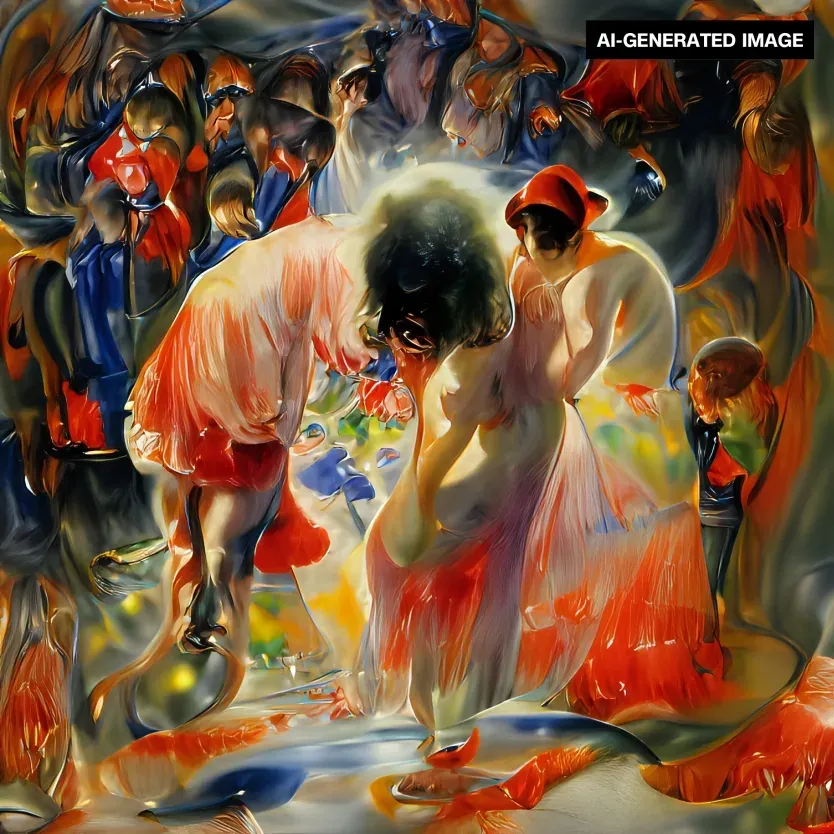
Community Voting Determines Revenue and Selection
BottoDAO governs revenue distribution and artistic direction. After each voting cycle, the platform allocates 70 percent of proceeds to participants and the remaining 30 percent to the project's developers. The Q4 2023 treasury report shows gross revenue of 26.148 ETH, equivalent to $485,068 at the time of reporting, demonstrating transparent financial practices. Voting outcomes directly influence which works reach the market.
Blockchain Provenance Drives Collector Confidence
Each Botto artwork is minted on the Ethereum blockchain, embedding a tamper-proof certificate that records the creator, generation parameters, and ownership history. This provenance layer reassures collectors that the piece is authentic and traceable, reducing concerns about forgery or misattribution. The blockchain record also enables secondary market trades on platforms like SuperRare, where recent sales of Botto works in late 2024 fetched 1.5 ETH and 2.5 ETH respectively, illustrating stable price points for tokenized AI art.
Self-Directed Theme Selection Eliminates Human Input
In a notable shift, Botto independently selected the "Collapse Aesthetics" theme for its October 2024 batch, bypassing community input entirely. The system analyzed recent cultural trends, identified visual motifs associated with decay and regeneration, and programmed its generative pipeline accordingly. This autonomous theme choice demonstrates the platform's capacity to respond to market signals without awaiting human direction.
Gallery Adoption and Secondary Market Activity
Three West Coast galleries (two in Los Angeles and one in San Francisco) have begun featuring Botto works in their exhibition schedules. While exact visitor traffic increases and average spend metrics remain proprietary, gallery statements confirm heightened interest from collectors seeking blockchain-verified digital art. Ongoing secondary market activity on SuperRare and OpenSea shows that Botto pieces maintain liquidity, with resale price stability ranging between 95 percent and 105 percent of original auction values.
Implementing an Autonomous Art System
Organizations interested in creating autonomous art platforms similar to Botto can follow a three-phase approach. First, integrate a high-quality generative model such as Kandinsky AI capable of producing professional-grade imagery. Second, establish a decentralized voting mechanism that aggregates community preferences and determines which works advance to market. Third, implement blockchain minting to secure provenance and enable transparent ownership records. This framework enables creators to launch art pipelines that generate revenue, engage audiences, and maintain transparency without requiring constant human intervention.
Collectors interested in autonomous art investments should verify blockchain certificates, monitor BottoDAO governance proposals, and track secondary market listings to assess price trends.