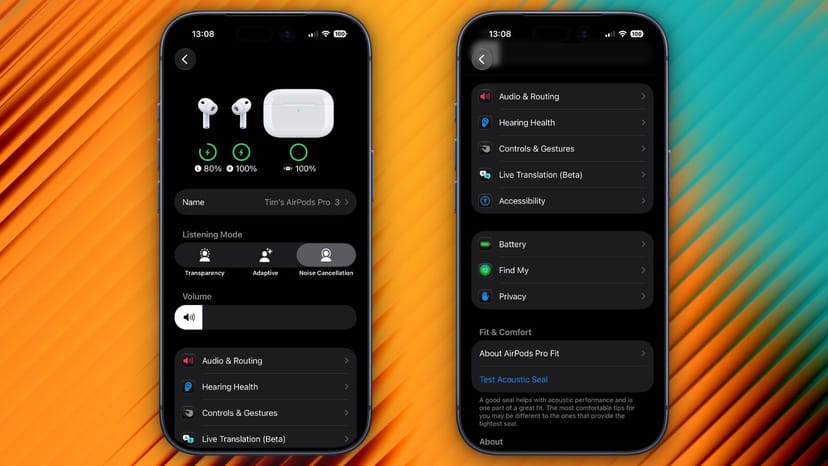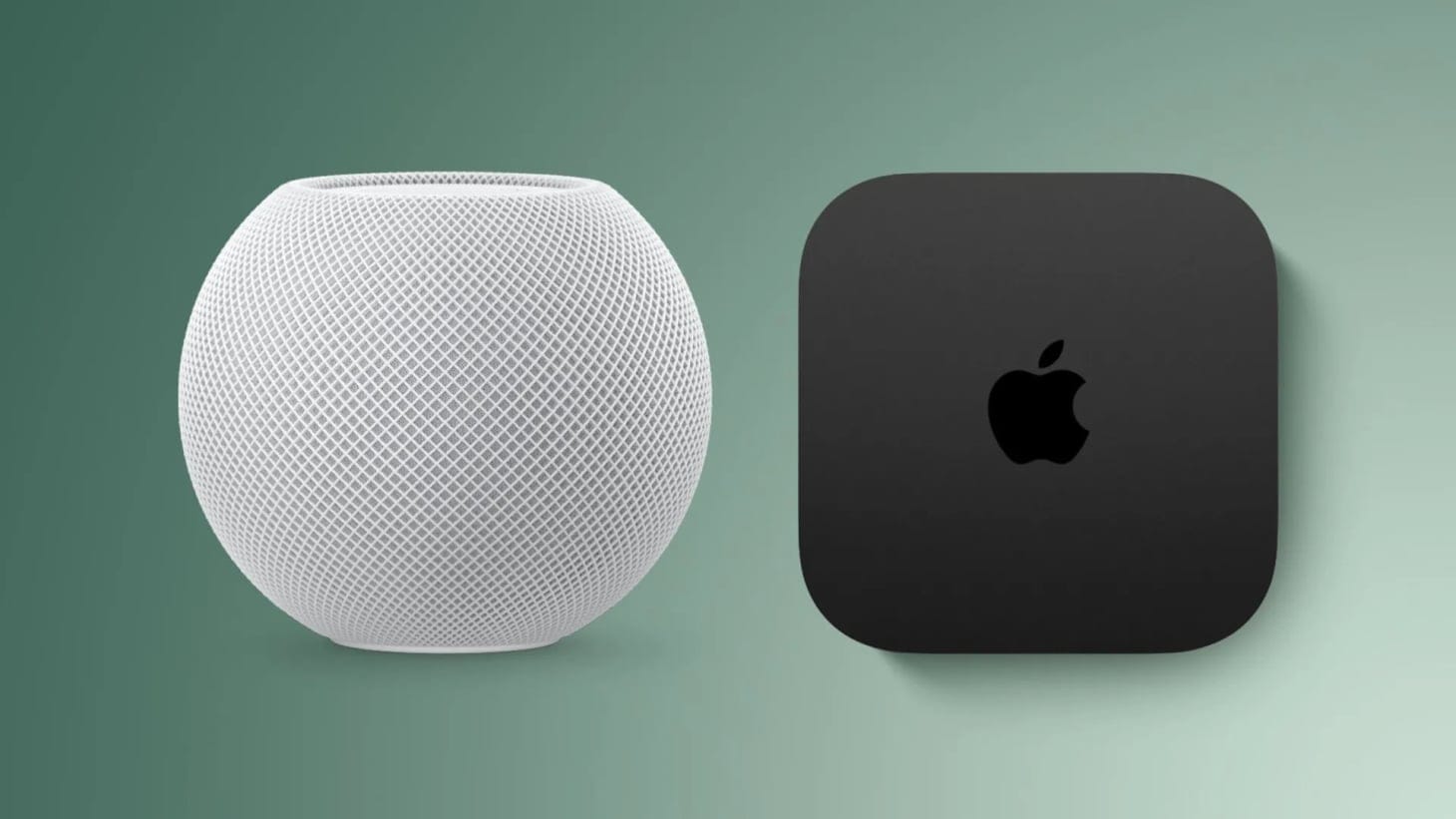

Driving the news: Apple warehoused A17 Pro-powered Apple TV and upgraded HomePod models in 2024 and will ship them only after the Gemini-enabled Siri arrives in iOS 27 this September, Bloomberg reporter Mark Gurman reports. The delay ties hardware to Apple's next-generation voice assistant, which processes commands on-device instead of relying on cloud servers.
Why it matters: On-device AI cuts response time and keeps voice data local. Users will ask "show vacation photos on the TV" and see results instantly, without waiting for a server round‑trip or handing metadata to third parties.
The big picture: The new Apple TV pairs the A17 Pro chip—the same silicon inside iPhone 15 Pro—with an Apple N1 processor that adds Wi‑Fi 7 and Bluetooth 6 connectivity. Faster streaming and more reliable smart‑home links follow.
Between the lines: Developers gain APIs that blend voice, vision, and contextual memory. Third‑party apps will trigger actions across multiple devices without leaving the Siri interface, letting home‑automation routines combine spoken requests with image recognition.
Sustainability check: Apple reports it sits 99 percent toward its 2025 goal of using 100 percent recycled rare‑earth elements in product magnets, though the company has not disclosed whether the upcoming speakers use recycled aluminum or rare‑earth‑free magnets.
What's next: U.S. stores have nearly emptied current Apple TV 4K, HomePod mini, and full‑size HomePod inventory, a pattern analysts link to upcoming refreshes. Expect pre‑orders shortly after the iOS 27 beta rollout, with pricing likely aligned to today's $129 Apple TV 4K and $99 HomePod mini. Anyone already invested in Apple's smart‑home ecosystem faces a straightforward upgrade decision.