
• My Feed
  • Home
  • What's Important
  • Media & Entertainment
Search

Stay Curious. Stay Wanture.

© 2026 Wanture. All rights reserved.

  • Terms of Use
  • Privacy Policy
Tech/Gadgets
Xiaomi 17 Ultra: When a One-Inch Sensor Meets a 6,800 mAh Battery

Can smartphone photography finally match compact cameras while lasting two full days?

19 December 2025

—

Review *

Priya Desai
banner

The Xiaomi 17 Ultra pairs a one-inch sensor with a 200-megapixel Leica telephoto and 6,800 mAh battery—hardware choices that target mobile photographers tired of carrying two devices. We examine what this combination actually delivers: thermal performance, real-world battery life, and whether computational photography finally bridges the gap to dedicated cameras.

image-120

The Xiaomi 17 Ultra hasn't launched yet, but leaked specifications reveal a device that makes specific bets about what matters most in a flagship smartphone: physical sensor size over computational photography tricks, battery capacity over slim profiles, and optical engineering over software magic.

Based on the leaked renders and specifications, here's what these numbers might mean for your daily use—and whether this unreleased device could solve friction points that current flagships leave unaddressed.

What a One-Inch Sensor Could Change About Mobile Photography

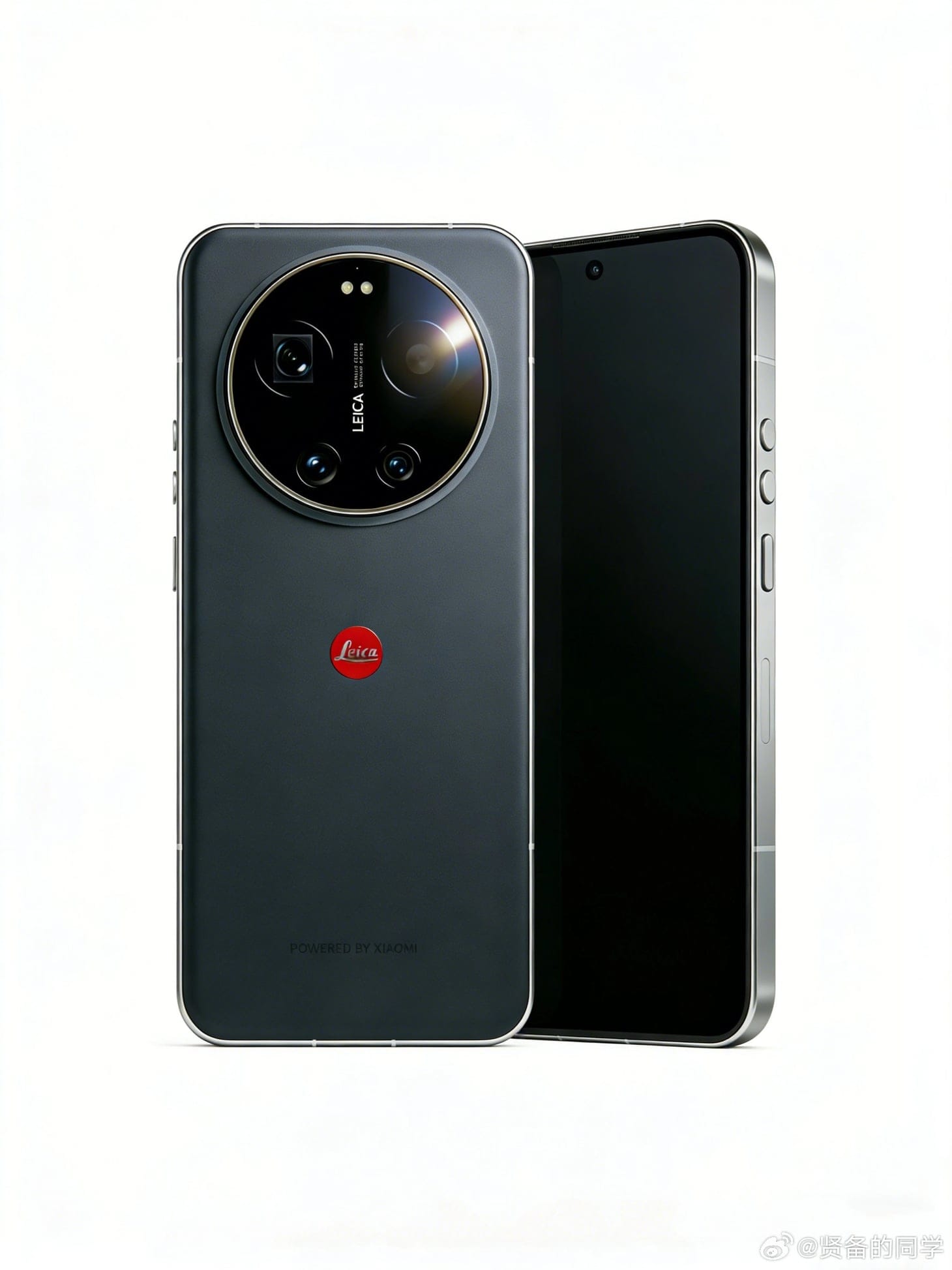
The leaked renders show a camera module that sits noticeably proud of the chassis—thick enough that the phone will likely rock on a table.

The primary sensor reportedly measures one inch diagonal, the same physical dimensions as Sony's RX100 compact cameras. That's not marketing language—it's actual sensor real estate that gathers meaningfully more light than standard smartphone sensors.

If these specs prove accurate, the implications are concrete: indoor portraits in mixed lighting should pull detail from shadows that other phones lose. Skin tones should stay natural without oversaturation or artificial warmth from aggressive processing. The multispectral sensor Xiaomi pairs with the image pipeline suggests accurate color temperature reading rather than algorithmic guessing.

The 200-megapixel Leica-certified telephoto with 3x-4.3x optical zoom could provide genuine cropping latitude. If it performs as the specifications suggest, you could shoot at 3x optical, then crop to 4.3x in post-processing while maintaining detail. Brick textures stay sharp. Window reflections remain clean. This wouldn't be the usual digital zoom blur you tolerate—it would be genuine cropping latitude that changes what you attempt to capture.

The leaked images show an optional photography case with a dedicated shutter button and zoom wheel. If this ships in the box as indicated, the physical controls could return muscle memory from DSLR shooting: half-press shutter focus, tactile zoom adjustment. This would eliminate the awkward two-handed glass-tapping that smartphone photography usually requires, though it adds bulk.

One potential friction point: camera apps prioritizing features over simplicity typically require multiple taps to switch modes. Users coming from iPhone's stripped-down camera interface should expect a learning curve.

What 6,800 mAh Actually Means for Daily Behavior

The leaked specifications list a 6,800 mAh battery—roughly 40% larger than the iPhone 16 Pro Max's 4,685 mAh and 25% larger than the Galaxy S24 Ultra's 5,000 mAh.

This capacity should translate to a specific behavioral shift: stopping the rationing of screen time.

Most current flagship phones—iPhone 16 Pro Max, Samsung Galaxy S24 Ultra, Pixel 9 Pro—deliver consistent full-day performance with 15 to 20 percent remaining at bedtime. The 17 Ultra's capacity suggests genuine day-and-a-half runtime without adjusting usage patterns.

The practical implication: you'd likely stop checking the battery percentage compulsively. You'd use navigation without anxiety. You'd shoot photos freely instead of calculating the power cost of each session.

The 100-watt wired charging should recover quickly when needed. Based on similar charging speeds in current devices, expect roughly 20-25 minutes to charge from 10% to 70%—fast enough that a morning shower provides usable charge for the full day ahead.

The Snapdragon 8 Elite Gen 5 processor (if this designation is accurate) would need to handle computational photography workloads efficiently—processing massive RAW files from that 200-megapixel sensor—without lag or stutter. Heat management during intensive use remains a question mark until hands-on testing.

The Weight Trade-Off for Camera and Battery Capability

The leaked renders show a flat OLED display sitting flush with the aluminum frame—no curved edges, no visual flourish.

This flat screen design offers practical advantages: screen protectors apply cleanly, edge swipes for gesture navigation work without accidental touches, and glare stays manageable in direct sunlight.

The LTPO technology should deliver efficiency benefits through dynamic refresh rate adjustment—dropping to low rates for static text, jumping to 120Hz for scrolling—though the transitions should work invisibly.

The trade-off for that 6,800 mAh battery and one-inch camera sensor: weight and thickness. Based on component sizes, expect this phone to weigh noticeably more than current flagships—likely 8+ ounces compared to the iPhone 16 Pro Max's 7.0 ounces. The camera bump appears substantial in renders: potentially 0.4+ inches at the module's deepest point. This won't be a one-handed phone. Two-hand operation will likely feel necessary for secure grip during photography.

After a full day in jeans pockets or jacket pockets, that weight difference becomes noticeable. Users prioritizing compact form and one-handed use should look elsewhere.

When This Phone Would Solve Your Specific Problem

If you shoot your kid's soccer games every Saturday and currently miss shots because your phone can't track focus fast enough or can't reach across the field—that 200-megapixel telephoto with reported 3-4.3x optical zoom could let you crop tighter in post without losing the detail that makes you actually want to print the shot. The one-inch sensor should handle lower light as games extend into evening.

If you run twelve-hour workdays that span morning meetings, midday site visits, evening documentation, and you're exhausted by battery anxiety—the 6,800 mAh capacity could eliminate the "searching for outlets" behavior that fragments focus. The psychological shift from rationing to trusting matters more than the percentage points suggest.

If you're a mobile photographer who currently carries both a phone and a compact camera, hoping to consolidate without compromise—that one-inch sensor could deliver image quality that makes you leave a dedicated compact camera home. The photography case could bridge the gap between touchscreen convenience and tactile control.

If you prioritize compact form and one-handed use—this phone won't work. The weight and thickness will become friction points. Your pinky will ache from propping up 8+ ounces during extended use.

If you're deeply embedded in Apple's ecosystem—the switching costs remain substantial despite camera excellence. AirDrop, iMessage integration, automatic continuity between MacBook and phone—the friction of rebuilding workflows and relearning interfaces persists regardless of camera quality.

What We Don't Know Yet

Leaked specifications tell part of the story, but critical questions remain unanswered until hands-on testing:

  • How does the camera system perform in challenging real-world conditions—mixed lighting, fast-moving subjects, extreme contrast?
  • Does the phone throttle performance or overheat during extended photo sessions or navigation in direct sunlight?
  • How does the actual weight feel after a week of daily carry?
  • Is the camera app interface intuitive or overwhelming?
  • What's the real-world battery performance across different usage patterns?
  • What's the actual U.S. pricing and availability timeline?

Xiaomi has indicated the device will be unveiled in the coming days, with immediate availability anticipated for both domestic and global markets. U.S. pricing remains unconfirmed, though based on component costs and competitive positioning, expect flagship-level pricing in the $1,200-1,400 range if it launches in the U.S. market.

The Central Question These Specs Raise

The Xiaomi 17 Ultra's leaked specifications make a specific argument: that physical hardware—sensor size, battery capacity, optical engineering—matters more than software optimization and ecosystem integration.

If you've hit the limits of computational photography on your current phone, if battery anxiety shapes your daily behavior, if you want genuine optical zoom range—these specs suggest solutions to specific friction points.

If you value ecosystem integration, compact form, established brand support, or one-handed use—these specs suggest trade-offs that may not be worth making.

The question isn't whether this phone will be "good"—flagship specs almost guarantee competent performance. The question is whether these specific hardware choices solve problems that matter enough to you to accept the switching costs, weight penalties, and ecosystem friction.

What would you shoot first if battery life and optical reach were no longer limiting factors?

What is this about?

  • Review */
  • Priya Desai/
  • Tech/
  • Gadgets/
  • Xiaomi 17 Ultra/
  • flagship smartphone/
  • advanced camera system/
  • mobile photography/
  • battery performance

Feed

    Casely issues second E33A recall in April 2026

    Casely issues second E33A recall in April 2026

    Up to 429,000 units made between March 2022 and Sept 2024 may overheat, prompting an urgent CPSC warning

    Carter Brooksabout 11 hours ago
    Meta hikes Quest 3S 128 GB, 256 GB, and Quest 3 512 GB prices

    Meta hikes Quest 3S 128 GB, 256 GB, and Quest 3 512 GB prices

    Price rise effective April 19, 2026, cites memory‑chip cost pressures

    Carter Brooksabout 11 hours ago
    Surface Laptop 8 OLED to debut this summer

    Surface Laptop 8 OLED to debut this summer

    Top‑tier models will feature OLED; Intel units arrive in May, and Snapdragon later

    Carter Brooksabout 11 hours ago
    Pixel 11 Leaks Pixel Glow Notification LEDs

    Pixel 11 Leaks Pixel Glow Notification LEDs

    Android 17 beta code shows Pixel 11 will add back‑panel lighting for alerts

    Carter Brooks1 day ago
    Apple adds camera shortcuts to iOS 27

    Apple adds camera shortcuts to iOS 27

    iOS 27 shortcuts turn photos into nutrition logs, contacts, and ticket scans

    Carter Brooks1 day ago
    Intel AI Quiet Plus Debuts on April 15, 2026

    Intel AI Quiet Plus Debuts on April 15, 2026

    Core Ultra 200HX Plus NPU caps noise at 43 dBA, retains 92% performance

    Priya Desai1 day ago
    Redmi Buds 8 Launches with 50 dB ANC and 11 mm Driver

    Redmi Buds 8 Launches with 50 dB ANC and 11 mm Driver

    Xiaomi Rolls Out Budget Earbuds in China on April 22, with 4 kHz ANC

    Carter Brooks1 day ago
    AMD re‑releases Ryzen 7 5800X3D for Q2 2026

    AMD re‑releases Ryzen 7 5800X3D for Q2 2026

    AMD offers performance to AM4 builders, extending platform life

    Priya Desai1 day ago
    OpenAI’s Codex gets gpt‑image‑1.5 and 90+ plugins

    OpenAI’s Codex gets gpt‑image‑1.5 and 90+ plugins

    The April 15, 2026 update adds autonomous screen control and a built‑in browser

    Ben Ramos1 day ago
    Apple to debut OLED iPad Air in 2027

    Apple to debut OLED iPad Air in 2027

    Affordable OLED display aims to revamp mid-range tablets

    Carter Brooks2 days ago
    Capcom orders GrizzoUK to delete 1,004 videos

    Capcom orders GrizzoUK to delete 1,004 videos

    Cease‑and‑desist nukes his Resident Evil: Requiem and Street Fighter mods, warning creators

    Ben Ramos2 days ago
    Allbirds' Pivot Fuels 600% Stock Surge

    Allbirds' Pivot Fuels 600% Stock Surge

    Marcus Dillard2 days ago
    DaVinci Resolve Beta Adds Photo Editor

    DaVinci Resolve Beta Adds Photo Editor

    Photo Manager lets creators edit RAW images inside the video timeline

    Ben Ramos3 days ago
    2026 Porsche 911 GT3 S/C Roadster Unveiled in Stuttgart

    2026 Porsche 911 GT3 S/C Roadster Unveiled in Stuttgart

    Base price $275,000; 4.0‑L flat‑six delivers 510 hp and 3.9 s 0‑60

    Ethan Whitaker3 days ago
    Trump Mobile unveils T1 phone with 6.78‑inch 120 Hz display

    Trump Mobile unveils T1 phone with 6.78‑inch 120 Hz display

    6.78‑inch AMOLED, Snapdragon 7‑series, 512 GB storage, triple‑camera specs

    Carter Brooks3 days ago
    Sony InZone M10S II launches with 540 Hz OLED gaming monitor

    Sony InZone M10S II launches with 540 Hz OLED gaming monitor

    27‑inch WOLED with 2,560 × 1,440 at 540 Hz, 0.02‑ms response and 1,500,000:1 contrast

    Carter Brooks4 days ago
    Google launches Windows app with Alt+Space search shortcut

    Google launches Windows app with Alt+Space search shortcut

    The new Google app adds AI and Lens search, but AI mode works only in English

    Carter Brooks4 days ago
    Samsung raises prices on Galaxy Z Flip 7, S25 FE, S25 Edge

    Samsung raises prices on Galaxy Z Flip 7, S25 FE, S25 Edge

    April 12 hikes push flagship devices above $1,200, raising concerns

    Carter Brooks4 days ago
    Pragmata on PC (RTX3080) & Consoles: A Deep Dive

    Pragmata on PC (RTX3080) & Consoles: A Deep Dive

    Jordan McAllister5 days ago
    Roblox rolls out age‑gated tiers in June

    Roblox rolls out age‑gated tiers in June

    Three new account types—Kids, Select, and Standard—AI scans and parental approval

    Jordan McAllister5 days ago
    Loading...
Tech/Gadgets

Xiaomi 17 Ultra: When a One-Inch Sensor Meets a 6,800 mAh Battery

Can smartphone photography finally match compact cameras while lasting two full days?

December 19, 2025, 5:25 pm

The Xiaomi 17 Ultra pairs a one-inch sensor with a 200-megapixel Leica telephoto and 6,800 mAh battery—hardware choices that target mobile photographers tired of carrying two devices. We examine what this combination actually delivers: thermal performance, real-world battery life, and whether computational photography finally bridges the gap to dedicated cameras.

image-120

The Xiaomi 17 Ultra hasn't launched yet, but leaked specifications reveal a device that makes specific bets about what matters most in a flagship smartphone: physical sensor size over computational photography tricks, battery capacity over slim profiles, and optical engineering over software magic.

Based on the leaked renders and specifications, here's what these numbers might mean for your daily use—and whether this unreleased device could solve friction points that current flagships leave unaddressed.

What a One-Inch Sensor Could Change About Mobile Photography

The leaked renders show a camera module that sits noticeably proud of the chassis—thick enough that the phone will likely rock on a table.

The primary sensor reportedly measures one inch diagonal, the same physical dimensions as Sony's RX100 compact cameras. That's not marketing language—it's actual sensor real estate that gathers meaningfully more light than standard smartphone sensors.

If these specs prove accurate, the implications are concrete: indoor portraits in mixed lighting should pull detail from shadows that other phones lose. Skin tones should stay natural without oversaturation or artificial warmth from aggressive processing. The multispectral sensor Xiaomi pairs with the image pipeline suggests accurate color temperature reading rather than algorithmic guessing.

The 200-megapixel Leica-certified telephoto with 3x-4.3x optical zoom could provide genuine cropping latitude. If it performs as the specifications suggest, you could shoot at 3x optical, then crop to 4.3x in post-processing while maintaining detail. Brick textures stay sharp. Window reflections remain clean. This wouldn't be the usual digital zoom blur you tolerate—it would be genuine cropping latitude that changes what you attempt to capture.

The leaked images show an optional photography case with a dedicated shutter button and zoom wheel. If this ships in the box as indicated, the physical controls could return muscle memory from DSLR shooting: half-press shutter focus, tactile zoom adjustment. This would eliminate the awkward two-handed glass-tapping that smartphone photography usually requires, though it adds bulk.

One potential friction point: camera apps prioritizing features over simplicity typically require multiple taps to switch modes. Users coming from iPhone's stripped-down camera interface should expect a learning curve.

What 6,800 mAh Actually Means for Daily Behavior

The leaked specifications list a 6,800 mAh battery—roughly 40% larger than the iPhone 16 Pro Max's 4,685 mAh and 25% larger than the Galaxy S24 Ultra's 5,000 mAh.

This capacity should translate to a specific behavioral shift: stopping the rationing of screen time.

Most current flagship phones—iPhone 16 Pro Max, Samsung Galaxy S24 Ultra, Pixel 9 Pro—deliver consistent full-day performance with 15 to 20 percent remaining at bedtime. The 17 Ultra's capacity suggests genuine day-and-a-half runtime without adjusting usage patterns.

The practical implication: you'd likely stop checking the battery percentage compulsively. You'd use navigation without anxiety. You'd shoot photos freely instead of calculating the power cost of each session.

The 100-watt wired charging should recover quickly when needed. Based on similar charging speeds in current devices, expect roughly 20-25 minutes to charge from 10% to 70%—fast enough that a morning shower provides usable charge for the full day ahead.

The Snapdragon 8 Elite Gen 5 processor (if this designation is accurate) would need to handle computational photography workloads efficiently—processing massive RAW files from that 200-megapixel sensor—without lag or stutter. Heat management during intensive use remains a question mark until hands-on testing.

The Weight Trade-Off for Camera and Battery Capability

The leaked renders show a flat OLED display sitting flush with the aluminum frame—no curved edges, no visual flourish.

This flat screen design offers practical advantages: screen protectors apply cleanly, edge swipes for gesture navigation work without accidental touches, and glare stays manageable in direct sunlight.

The LTPO technology should deliver efficiency benefits through dynamic refresh rate adjustment—dropping to low rates for static text, jumping to 120Hz for scrolling—though the transitions should work invisibly.

The trade-off for that 6,800 mAh battery and one-inch camera sensor: weight and thickness. Based on component sizes, expect this phone to weigh noticeably more than current flagships—likely 8+ ounces compared to the iPhone 16 Pro Max's 7.0 ounces. The camera bump appears substantial in renders: potentially 0.4+ inches at the module's deepest point. This won't be a one-handed phone. Two-hand operation will likely feel necessary for secure grip during photography.

After a full day in jeans pockets or jacket pockets, that weight difference becomes noticeable. Users prioritizing compact form and one-handed use should look elsewhere.

When This Phone Would Solve Your Specific Problem

If you shoot your kid's soccer games every Saturday and currently miss shots because your phone can't track focus fast enough or can't reach across the field—that 200-megapixel telephoto with reported 3-4.3x optical zoom could let you crop tighter in post without losing the detail that makes you actually want to print the shot. The one-inch sensor should handle lower light as games extend into evening.

If you run twelve-hour workdays that span morning meetings, midday site visits, evening documentation, and you're exhausted by battery anxiety—the 6,800 mAh capacity could eliminate the "searching for outlets" behavior that fragments focus. The psychological shift from rationing to trusting matters more than the percentage points suggest.

If you're a mobile photographer who currently carries both a phone and a compact camera, hoping to consolidate without compromise—that one-inch sensor could deliver image quality that makes you leave a dedicated compact camera home. The photography case could bridge the gap between touchscreen convenience and tactile control.

If you prioritize compact form and one-handed use—this phone won't work. The weight and thickness will become friction points. Your pinky will ache from propping up 8+ ounces during extended use.

If you're deeply embedded in Apple's ecosystem—the switching costs remain substantial despite camera excellence. AirDrop, iMessage integration, automatic continuity between MacBook and phone—the friction of rebuilding workflows and relearning interfaces persists regardless of camera quality.

What We Don't Know Yet

Leaked specifications tell part of the story, but critical questions remain unanswered until hands-on testing:

  • How does the camera system perform in challenging real-world conditions—mixed lighting, fast-moving subjects, extreme contrast?
  • Does the phone throttle performance or overheat during extended photo sessions or navigation in direct sunlight?
  • How does the actual weight feel after a week of daily carry?
  • Is the camera app interface intuitive or overwhelming?
  • What's the real-world battery performance across different usage patterns?
  • What's the actual U.S. pricing and availability timeline?

Xiaomi has indicated the device will be unveiled in the coming days, with immediate availability anticipated for both domestic and global markets. U.S. pricing remains unconfirmed, though based on component costs and competitive positioning, expect flagship-level pricing in the $1,200-1,400 range if it launches in the U.S. market.

The Central Question These Specs Raise

The Xiaomi 17 Ultra's leaked specifications make a specific argument: that physical hardware—sensor size, battery capacity, optical engineering—matters more than software optimization and ecosystem integration.

If you've hit the limits of computational photography on your current phone, if battery anxiety shapes your daily behavior, if you want genuine optical zoom range—these specs suggest solutions to specific friction points.

If you value ecosystem integration, compact form, established brand support, or one-handed use—these specs suggest trade-offs that may not be worth making.

The question isn't whether this phone will be "good"—flagship specs almost guarantee competent performance. The question is whether these specific hardware choices solve problems that matter enough to you to accept the switching costs, weight penalties, and ecosystem friction.

What would you shoot first if battery life and optical reach were no longer limiting factors?

What is this about?

  • Review */
  • Priya Desai/
  • Tech/
  • Gadgets/
  • Xiaomi 17 Ultra/
  • flagship smartphone/
  • advanced camera system/
  • mobile photography/
  • battery performance

Feed

    Casely issues second E33A recall in April 2026

    Casely issues second E33A recall in April 2026

    Up to 429,000 units made between March 2022 and Sept 2024 may overheat, prompting an urgent CPSC warning

    Carter Brooksabout 11 hours ago
    Meta hikes Quest 3S 128 GB, 256 GB, and Quest 3 512 GB prices

    Meta hikes Quest 3S 128 GB, 256 GB, and Quest 3 512 GB prices

    Price rise effective April 19, 2026, cites memory‑chip cost pressures

    Carter Brooksabout 11 hours ago
    Surface Laptop 8 OLED to debut this summer

    Surface Laptop 8 OLED to debut this summer

    Top‑tier models will feature OLED; Intel units arrive in May, and Snapdragon later

    Carter Brooksabout 11 hours ago
    Pixel 11 Leaks Pixel Glow Notification LEDs

    Pixel 11 Leaks Pixel Glow Notification LEDs

    Android 17 beta code shows Pixel 11 will add back‑panel lighting for alerts

    Carter Brooks1 day ago
    Apple adds camera shortcuts to iOS 27

    Apple adds camera shortcuts to iOS 27

    iOS 27 shortcuts turn photos into nutrition logs, contacts, and ticket scans

    Carter Brooks1 day ago
    Intel AI Quiet Plus Debuts on April 15, 2026

    Intel AI Quiet Plus Debuts on April 15, 2026

    Core Ultra 200HX Plus NPU caps noise at 43 dBA, retains 92% performance

    Priya Desai1 day ago
    Redmi Buds 8 Launches with 50 dB ANC and 11 mm Driver

    Redmi Buds 8 Launches with 50 dB ANC and 11 mm Driver

    Xiaomi Rolls Out Budget Earbuds in China on April 22, with 4 kHz ANC

    Carter Brooks1 day ago
    AMD re‑releases Ryzen 7 5800X3D for Q2 2026

    AMD re‑releases Ryzen 7 5800X3D for Q2 2026

    AMD offers performance to AM4 builders, extending platform life

    Priya Desai1 day ago
    OpenAI’s Codex gets gpt‑image‑1.5 and 90+ plugins

    OpenAI’s Codex gets gpt‑image‑1.5 and 90+ plugins

    The April 15, 2026 update adds autonomous screen control and a built‑in browser

    Ben Ramos1 day ago
    Apple to debut OLED iPad Air in 2027

    Apple to debut OLED iPad Air in 2027

    Affordable OLED display aims to revamp mid-range tablets

    Carter Brooks2 days ago
    Capcom orders GrizzoUK to delete 1,004 videos

    Capcom orders GrizzoUK to delete 1,004 videos

    Cease‑and‑desist nukes his Resident Evil: Requiem and Street Fighter mods, warning creators

    Ben Ramos2 days ago
    Allbirds' Pivot Fuels 600% Stock Surge

    Allbirds' Pivot Fuels 600% Stock Surge

    Marcus Dillard2 days ago
    DaVinci Resolve Beta Adds Photo Editor

    DaVinci Resolve Beta Adds Photo Editor

    Photo Manager lets creators edit RAW images inside the video timeline

    Ben Ramos3 days ago
    2026 Porsche 911 GT3 S/C Roadster Unveiled in Stuttgart

    2026 Porsche 911 GT3 S/C Roadster Unveiled in Stuttgart

    Base price $275,000; 4.0‑L flat‑six delivers 510 hp and 3.9 s 0‑60

    Ethan Whitaker3 days ago
    Trump Mobile unveils T1 phone with 6.78‑inch 120 Hz display

    Trump Mobile unveils T1 phone with 6.78‑inch 120 Hz display

    6.78‑inch AMOLED, Snapdragon 7‑series, 512 GB storage, triple‑camera specs

    Carter Brooks3 days ago
    Sony InZone M10S II launches with 540 Hz OLED gaming monitor

    Sony InZone M10S II launches with 540 Hz OLED gaming monitor

    27‑inch WOLED with 2,560 × 1,440 at 540 Hz, 0.02‑ms response and 1,500,000:1 contrast

    Carter Brooks4 days ago
    Google launches Windows app with Alt+Space search shortcut

    Google launches Windows app with Alt+Space search shortcut

    The new Google app adds AI and Lens search, but AI mode works only in English

    Carter Brooks4 days ago
    Samsung raises prices on Galaxy Z Flip 7, S25 FE, S25 Edge

    Samsung raises prices on Galaxy Z Flip 7, S25 FE, S25 Edge

    April 12 hikes push flagship devices above $1,200, raising concerns

    Carter Brooks4 days ago
    Pragmata on PC (RTX3080) & Consoles: A Deep Dive

    Pragmata on PC (RTX3080) & Consoles: A Deep Dive

    Jordan McAllister5 days ago
    Roblox rolls out age‑gated tiers in June

    Roblox rolls out age‑gated tiers in June

    Three new account types—Kids, Select, and Standard—AI scans and parental approval

    Jordan McAllister5 days ago
    Loading...
banner