
Apple's next flagship wearable might do more than just track your steps; it could help you monitor a silent killer. Reports from DigiTimes suggest the upcoming Apple Watch Ultra 4 will include a dedicated blood pressure monitoring feature, potentially transforming the device from a fitness tracker into a more serious health-management tool.
The current state of Apple's heart health tech
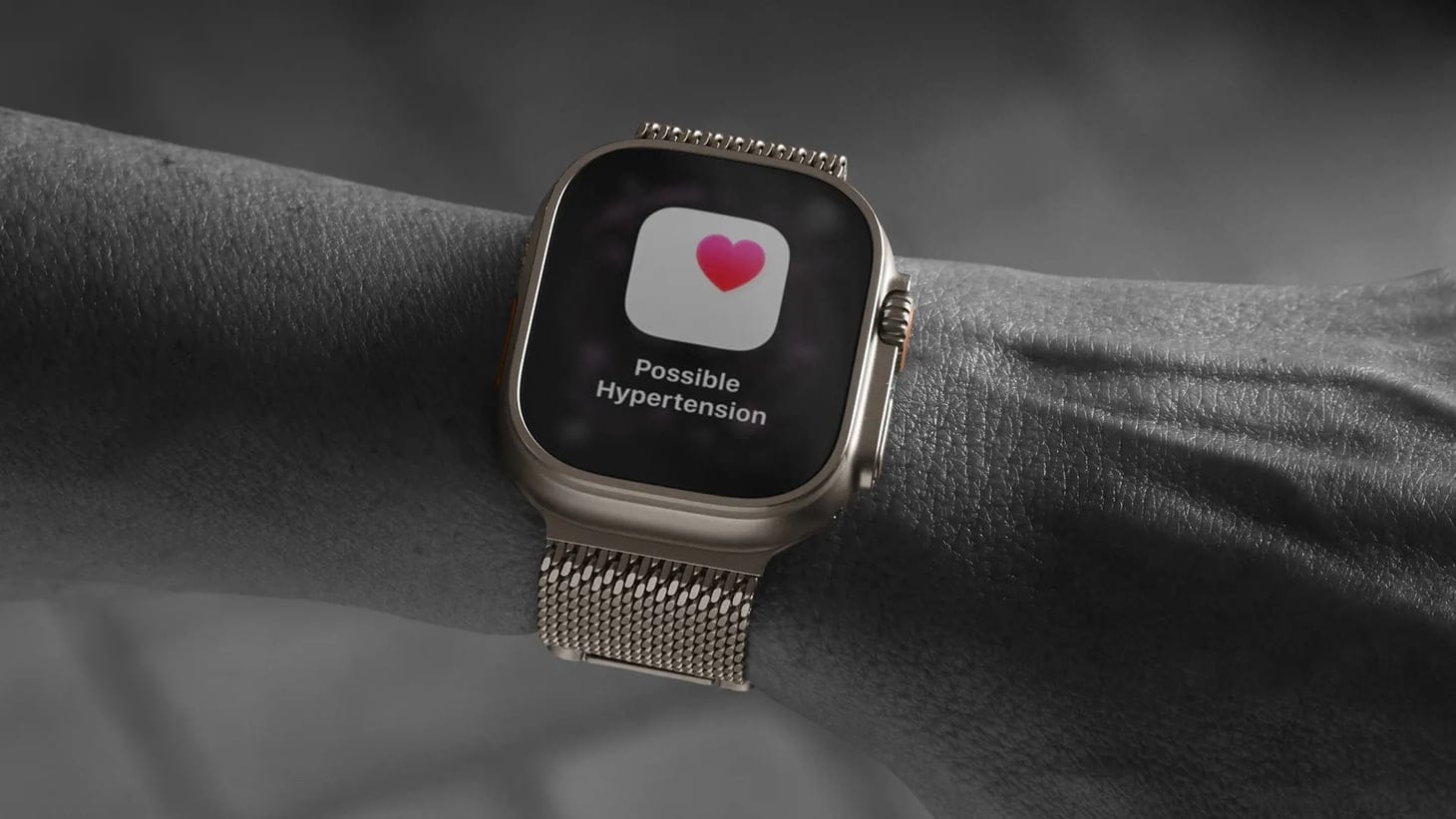
To understand what is coming, we have to look at what Apple has already cleared with regulators. While rumors suggest a full blood pressure measurement feature, the current reality is more nuanced. Apple has already received FDA 510(k) clearance for its Hypertension Notification Feature (HTNF).
Think of HTNF as an early warning system rather than a precise scale. Instead of providing a specific number, it uses the watch's optical heart sensor to look for patterns in your data. If it detects indicators that suggest hypertension—high blood pressure—it sends an alert to your wrist. As of May 22, 2026, there is no FDA clearance for a device that provides cuffless, real-time blood pressure measurements like a traditional doctor's office monitor.
The methodology behind this existing feature relies on PPG (photoplethysmography)—a method that uses light to measure blood flow through your skin. Apple's current cleared tool analyzes this data over multiple days to aggregate scores, rather than providing a single, instantaneous reading.
What to expect from the Ultra 4
The transition from "pattern detection" to "measurement" is where the industry is headed, but it requires significant hurdles to be cleared. If the rumors regarding the Apple Watch Ultra 4 are accurate, the device may feature a hardware overhaul to support more advanced metrics.
DigiTimes reports that the Ultra 4 could arrive with a full redesign, including a ring of eight sensors on the underside of the device. This hardware shift would be necessary to move beyond the current notification-only model. However, a major hurdle remains: the FDA. The agency recently published draft guidance in January 2026 regarding cuffless blood pressure devices, signaling that they will apply heightened scrutiny to any new way of measuring blood pressure without a traditional inflatable cuff.
This means there is a distinction between two different levels of technology:
- Pattern Detection: Identifying trends and sending alerts (currently cleared via HTNF).
- Direct Measurement: Providing specific systolic and diastolic numbers (currently unverified and under regulatory scrutiny).
The practical implications for users
If you are deciding whether to wait for the next Ultra, the "so what" depends on your health goals. If you need a medical-grade tool to monitor hypertension daily, a smartwatch is not a replacement for a clinical cuff. The FDA is explicit that these tools are not intended to replace professional diagnosis or monitor medical treatment.
However, for the knowledge worker or the fitness enthusiast, the value lies in the "passive" nature of the data. A device that monitors your cardiovascular trends in the background—without you having to manually trigger a measurement—offers a layer of preventative insight that was previously unavailable in consumer electronics.
We are moving toward a future where your hardware doesn't just tell you how much you ran, but how your body is responding to the stress of your lifestyle. Whether the Ultra 4 delivers a full measurement tool or simply a more refined alert system remains to be seen at Apple's next unveiling.