Logo
Decide better.Live better.
My feedToday
Logo
Decide better.Live better.
My feedToday
Logo
My feedToday

Stay Curious. Stay Wanture.

© 2026 Wanture. All rights reserved.

  • Terms of Use
  • Privacy Policy
Logo
Decide better.Live better.
My feedTodayTechScienceHealthMobilityMindProductivityHomeExperiencesLongevity
Logo
Decide better.Live better.
My feedTodayTechScienceHealthMobilityMindProductivityHomeExperiencesLongevity
Logo
My feedTodayTechScienceHealthMobilityMindProductivityHomeExperiencesLongevity

Apple Targets 15-Product Rollout in Late 2026

25 May 2026

—

News

Jordan McAllister

Apple plans to ship at least 15 new devices and software updates before the end of 2026. The rollout spans the iPhone Ultra, redesigned Macs, and an all-new Home Hub, but component shortages and new Siri integration requirements are pushing several releases into late quarters. Readers planning hardware upgrades should hold off on standard September purchases and track the specific launch windows Apple's supply chain is building toward.

This isn't a standard annual refresh cycle. Apple is compressing hardware transitions and software rollouts into a single 18-month window, tying every major release to a revamped, personalized Siri architecture and on-device AI models. The shift rewrites upgrade timelines for existing users and sets new benchmarks for foldable form factors.

We evaluated supply chain reports, component ordering data, and developer documentation to separate confirmed specifications from speculative leaks. Findings listed below reflect verified part numbers and approved software architectures.

iPhone form factors and iOS multitasking

Industry trackers report a massive inventory build for Apple's autumn lineup. The actual deployment hinges on Apple's new N1 Wi-Fi chips and memory allocation for Apple Intelligence. Until field tests confirm thermal throttling and multitasking stability, the timeline remains conditional.

The iPhone 18 Pro and Pro Max will feature the A20 Pro chip and a variable rear aperture. Apple plans to cut the Dynamic Island size and simplify the Camera Control button. The iPhone Ultra introduces a 7.7-inch inner and 5.3-inch outer display, swapping Face ID for a Touch ID power button. iOS 27 will enable side-by-side app multitasking across both screens. If you are switching to the Ultra, verify your current case compatibility and prepare for a heavier grip profile. As we detailed in our previous analysis of iOS 27 and foldable iPhones, the operating system will retain Liquid Glass while adding dual-screen navigation.

Wearable hardware follows a similar cadence. Apple Watch Series 12 and Ultra 4 will transition to the S11 processor. Supply chain reports dispute health sensor additions. iPads will move to A18 or A19 silicon, with the iPad mini adopting an OLED panel and a vibration-based speaker system. Tablet users should prioritize the mini model for immediate display upgrades.

Computing and home ecosystem shifts

The MacBook Ultra replaces the current MacBook Pro lineup with an OLED display, touch capability, and a Dynamic Island cutout. It will run macOS 27 with a touch-friendly interface. Mac Studio and Mac mini models are transitioning to M5 chips, though a global RAM shortage threatens to delay these units into 2027. Computer buyers should verify local inventory levels before committing to pre-orders.

The Apple Home Hub debuts with a 6-inch to 7-inch square display, an A18 chip, and full Siri integration. Place it on your nightstand or mount it wall-side to unify smart home commands. Apple TV and HomePod models will adopt the A17 Pro and S9 processors respectively, alongside N1 Wi-Fi 7 support. HomePod mini units will likely receive a second-generation Ultra Wideband chip. Smart home owners will see improved local device routing without relying on cloud servers.

Upgrade timing and supply constraints

Apple's engineering team will test battery drain and thermal output across these concurrent releases over the next 90 days. The final deployment order will depend on whether the RAM shortage stabilizes before Q3 shipping windows. Track component shipments closely to time your hardware upgrades.

Readers should evaluate their current device performance against the AI workloads these new chips will handle. If your existing hardware struggles with background processing, the M5 and A19 upgrades will deliver measurable speed gains. Delay purchases until official shipping dates confirm component availability.

What is this about?

  • News
  • Jordan McAllister
  • Tech
  • Gadgets

Feed

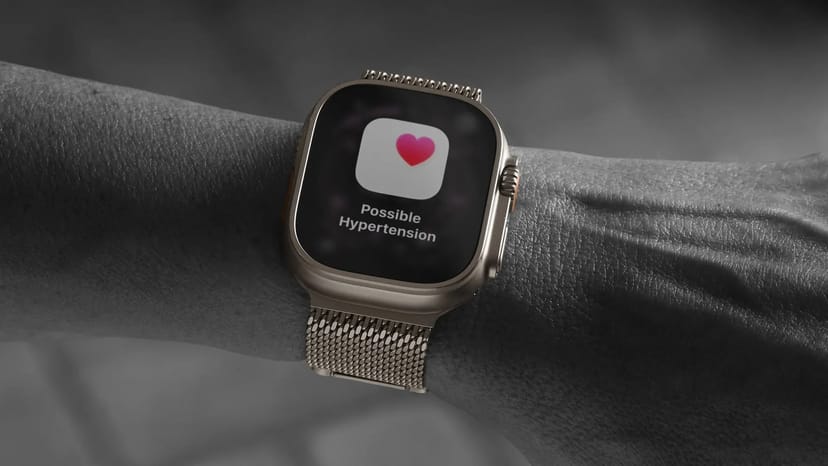
    Apple Watch Ultra 4 could track blood pressure trends

    Apple Watch Ultra 4 could track blood pressure trends

    A potential hardware redesign with 8 sensors aims to move from simple alerts to direct cardiovascular measurement

    Ben Ramos4 days ago

    Your earbuds could become a secure digital key via your heartbeat

    AccLock uses standard accelerometers to verify identity without needing premium optical heart trackers

    Ben Ramos5 days ago
    Memory chip shortages could end by 2027

    Memory chip shortages could end by 2027

    Aggressive Chinese production expansions from YMTC and CXMT may lower hardware costs sooner than the 2030 consensus

    Ben Ramos5 days ago
    Hisense Explorer X1 Pro brings 120-inch cinema to your living room

    Hisense Explorer X1 Pro brings 120-inch cinema to your living room

    A new tri-color laser engine offers 110% BT.2020 color gamut, though US availability remains unannounced

    Logan Price5 days ago
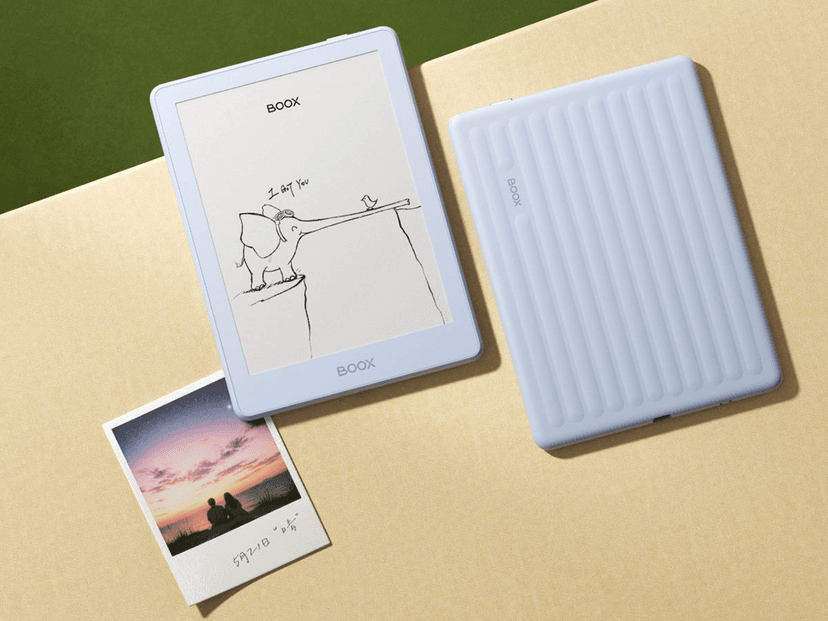
    Onyx Boox Poke 7 series brings paper-like clarity to your library

    Onyx Boox Poke 7 series brings paper-like clarity to your library

    New 300 ppi displays and 2 TB expandable storage offer a sharper, larger reading experience

    Ben Ramos5 days ago
    SpaceX IPO: A historic bet on the space economy

    SpaceX IPO: A historic bet on the space economy

    With 2025 revenue hitting $18.6 billion, the Nasdaq debut tests market appetite for Elon Musk

    Jasmine Wu5 days ago
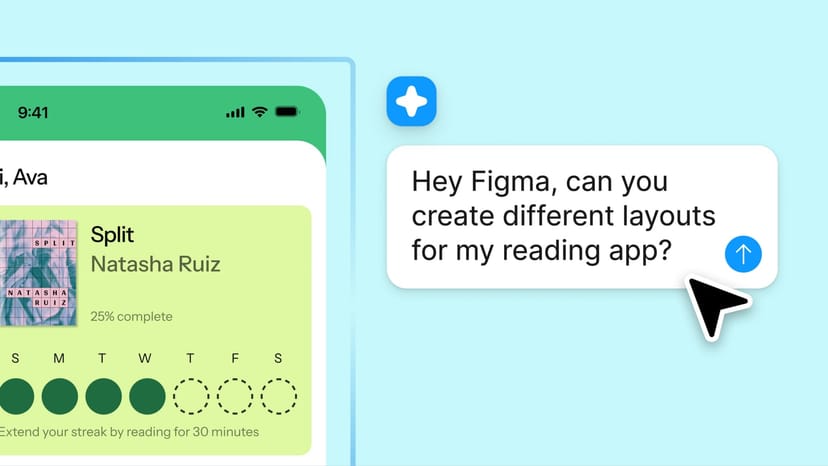
    Figma AI agents turn manual design into high-level direction

    Figma AI agents turn manual design into high-level direction

    New intent-based tools allow designers to build layouts using natural language instead of clicking and dragging

    Evelyn Park5 days ago
    NanoClaw's sandbox stops AI agents from compromising your OS

    NanoClaw's sandbox stops AI agents from compromising your OS

    NanoCo secures $12 million to scale its isolated architecture for enterprise AI deployment

    Marcus Dillard5 days ago

    Microsoft's new Surface lineup is for businesses, not consumers

    Wait for Snapdragon X2 models this summer if you aren't buying for an enterprise fleet

    Carter Brooks5 days ago
    Loading...

Apple Targets 15-Product Rollout in Late 2026

25 May 2026

—

News

Jordan McAllister

Apple plans to ship at least 15 new devices and software updates before the end of 2026. The rollout spans the iPhone Ultra, redesigned Macs, and an all-new Home Hub, but component shortages and new Siri integration requirements are pushing several releases into late quarters. Readers planning hardware upgrades should hold off on standard September purchases and track the specific launch windows Apple's supply chain is building toward.

This isn't a standard annual refresh cycle. Apple is compressing hardware transitions and software rollouts into a single 18-month window, tying every major release to a revamped, personalized Siri architecture and on-device AI models. The shift rewrites upgrade timelines for existing users and sets new benchmarks for foldable form factors.

We evaluated supply chain reports, component ordering data, and developer documentation to separate confirmed specifications from speculative leaks. Findings listed below reflect verified part numbers and approved software architectures.

iPhone form factors and iOS multitasking

Industry trackers report a massive inventory build for Apple's autumn lineup. The actual deployment hinges on Apple's new N1 Wi-Fi chips and memory allocation for Apple Intelligence. Until field tests confirm thermal throttling and multitasking stability, the timeline remains conditional.

The iPhone 18 Pro and Pro Max will feature the A20 Pro chip and a variable rear aperture. Apple plans to cut the Dynamic Island size and simplify the Camera Control button. The iPhone Ultra introduces a 7.7-inch inner and 5.3-inch outer display, swapping Face ID for a Touch ID power button. iOS 27 will enable side-by-side app multitasking across both screens. If you are switching to the Ultra, verify your current case compatibility and prepare for a heavier grip profile. As we detailed in our previous analysis of iOS 27 and foldable iPhones, the operating system will retain Liquid Glass while adding dual-screen navigation.

Wearable hardware follows a similar cadence. Apple Watch Series 12 and Ultra 4 will transition to the S11 processor. Supply chain reports dispute health sensor additions. iPads will move to A18 or A19 silicon, with the iPad mini adopting an OLED panel and a vibration-based speaker system. Tablet users should prioritize the mini model for immediate display upgrades.

Computing and home ecosystem shifts

The MacBook Ultra replaces the current MacBook Pro lineup with an OLED display, touch capability, and a Dynamic Island cutout. It will run macOS 27 with a touch-friendly interface. Mac Studio and Mac mini models are transitioning to M5 chips, though a global RAM shortage threatens to delay these units into 2027. Computer buyers should verify local inventory levels before committing to pre-orders.

The Apple Home Hub debuts with a 6-inch to 7-inch square display, an A18 chip, and full Siri integration. Place it on your nightstand or mount it wall-side to unify smart home commands. Apple TV and HomePod models will adopt the A17 Pro and S9 processors respectively, alongside N1 Wi-Fi 7 support. HomePod mini units will likely receive a second-generation Ultra Wideband chip. Smart home owners will see improved local device routing without relying on cloud servers.

Upgrade timing and supply constraints

Apple's engineering team will test battery drain and thermal output across these concurrent releases over the next 90 days. The final deployment order will depend on whether the RAM shortage stabilizes before Q3 shipping windows. Track component shipments closely to time your hardware upgrades.

Readers should evaluate their current device performance against the AI workloads these new chips will handle. If your existing hardware struggles with background processing, the M5 and A19 upgrades will deliver measurable speed gains. Delay purchases until official shipping dates confirm component availability.
What is this about?

  • News/
  • Jordan McAllister/
  • Tech/
  • Gadgets

Feed

    Apple Watch Ultra 4 could track blood pressure trends

    Apple Watch Ultra 4 could track blood pressure trends

    A potential hardware redesign with 8 sensors aims to move from simple alerts to direct cardiovascular measurement

    Ben Ramos4 days ago

    Your earbuds could become a secure digital key via your heartbeat

    AccLock uses standard accelerometers to verify identity without needing premium optical heart trackers

    Ben Ramos5 days ago
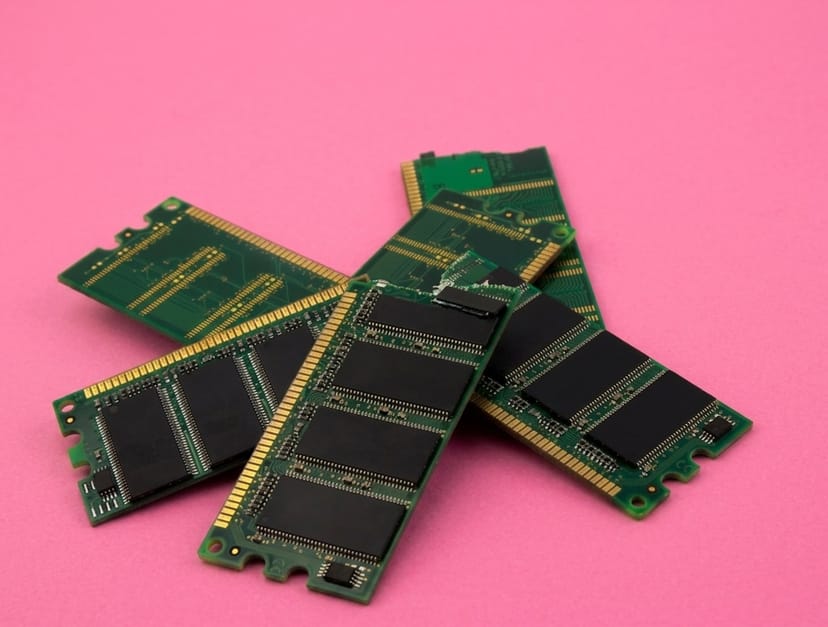
    Memory chip shortages could end by 2027

    Memory chip shortages could end by 2027

    Aggressive Chinese production expansions from YMTC and CXMT may lower hardware costs sooner than the 2030 consensus

    Ben Ramos5 days ago
    Hisense Explorer X1 Pro brings 120-inch cinema to your living room

    Hisense Explorer X1 Pro brings 120-inch cinema to your living room

    A new tri-color laser engine offers 110% BT.2020 color gamut, though US availability remains unannounced

    Logan Price5 days ago
    Onyx Boox Poke 7 series brings paper-like clarity to your library

    Onyx Boox Poke 7 series brings paper-like clarity to your library

    New 300 ppi displays and 2 TB expandable storage offer a sharper, larger reading experience

    Ben Ramos5 days ago
    SpaceX IPO: A historic bet on the space economy

    SpaceX IPO: A historic bet on the space economy

    With 2025 revenue hitting $18.6 billion, the Nasdaq debut tests market appetite for Elon Musk

    Jasmine Wu5 days ago
    Figma AI agents turn manual design into high-level direction

    Figma AI agents turn manual design into high-level direction

    New intent-based tools allow designers to build layouts using natural language instead of clicking and dragging

    Evelyn Park5 days ago
    NanoClaw's sandbox stops AI agents from compromising your OS

    NanoClaw's sandbox stops AI agents from compromising your OS

    NanoCo secures $12 million to scale its isolated architecture for enterprise AI deployment

    Marcus Dillard5 days ago

    Microsoft's new Surface lineup is for businesses, not consumers

    Wait for Snapdragon X2 models this summer if you aren't buying for an enterprise fleet

    Carter Brooks5 days ago
    Loading...
Home
Home
Search
Search