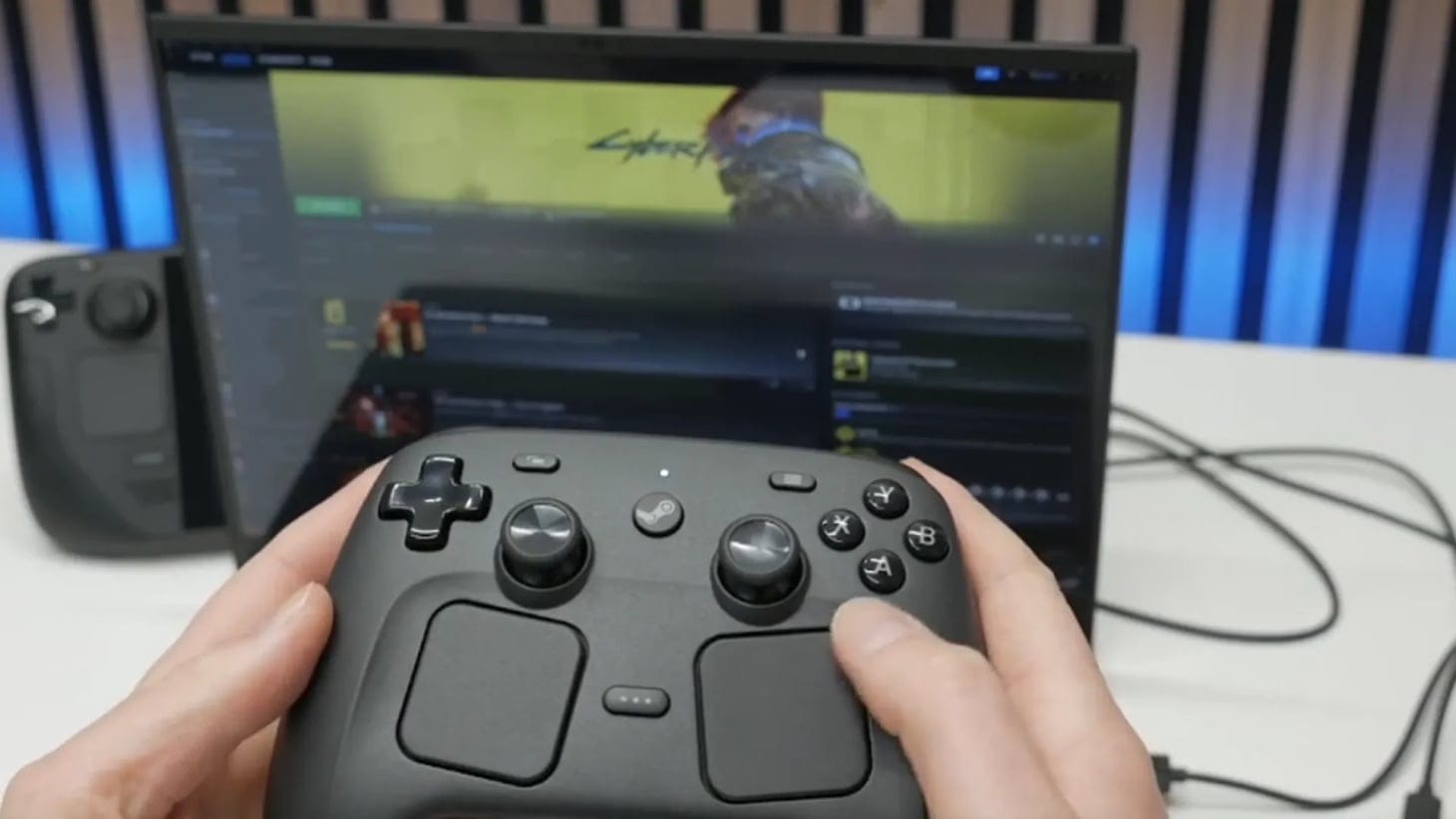

On April 26, 2026, a YouTube creator broke the embargo and posted hands-on footage of Valve's unannounced Steam Controller 2, revealing its $99 price tag and dual touchpad design before Valve was ready to talk. The video vanished within hours, but the internet doesn't forget, and now competitors, consumers, and retail partners all know exactly what Valve's charging for its PC gaming input gambit.
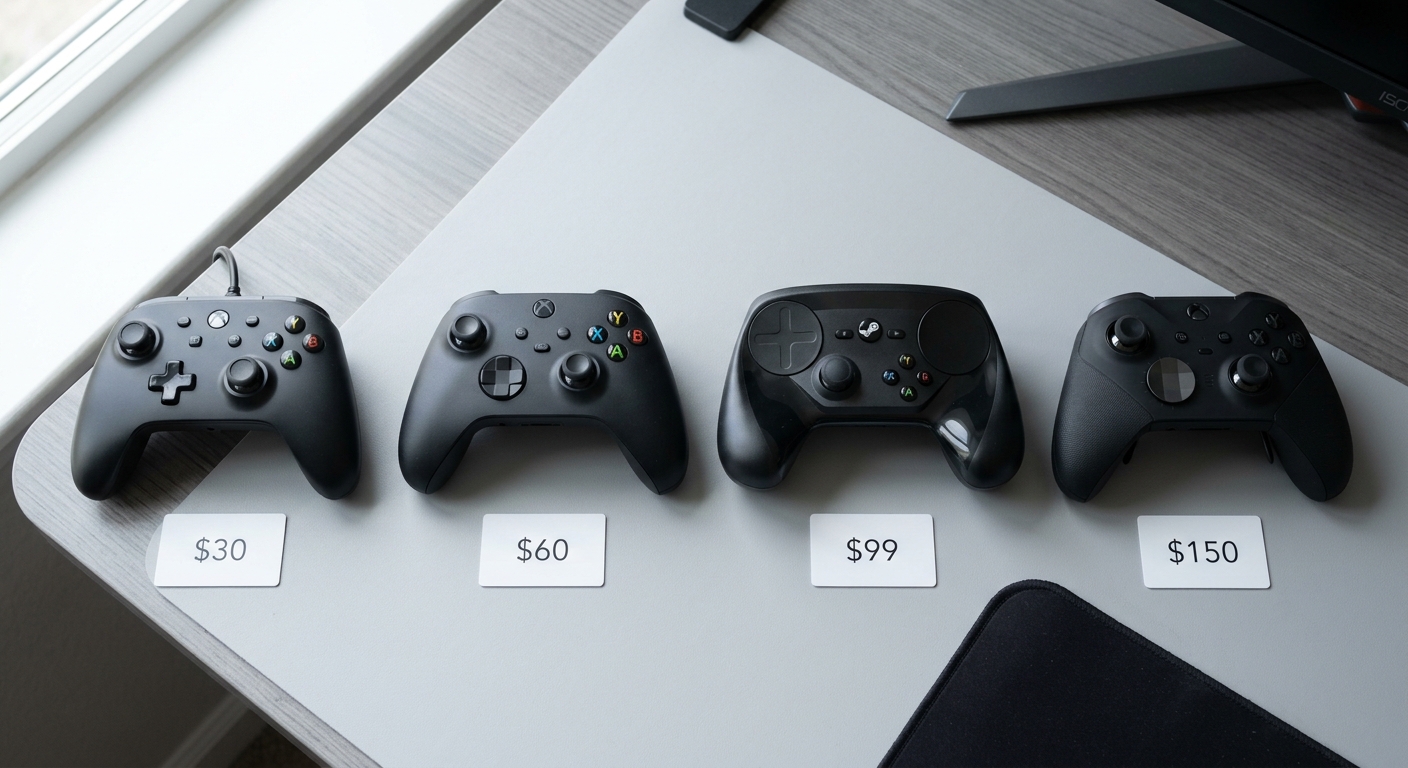
Why this leak changes the launch: TechyTalk's premature upload gave the world three things Valve intended to control: pricing ($99 puts it between budget PC controllers and premium Xbox Elite models), feature confirmation (dual touchpads return, analog sticks stay put, matte finish resists fingerprints), and strategic positioning. At $99, Valve's not chasing the mass market. This is a Steam Deck companion and a solution for strategy game players who refuse to aim Civilization via thumbstick.
Embargo breaks aren't just drama. They're tactical intel for competitors who now have runway to tweak pricing, bundle offers, or marketing angles before Valve's official word. For shoppers, the leak sets budget expectations early instead of delivering sticker shock at launch.
What the footage showed (and skipped): The controller integrates dual touchpads directly into Steam's input configurator system, solving the couch gaming on PC navigation problem without forcing you to wave at a cursor. Fixed analog sticks handle traditional movement; touchpads take over when you need mouse-like precision in menus, RTS camera control, or anything that laughs at gamepad joysticks.
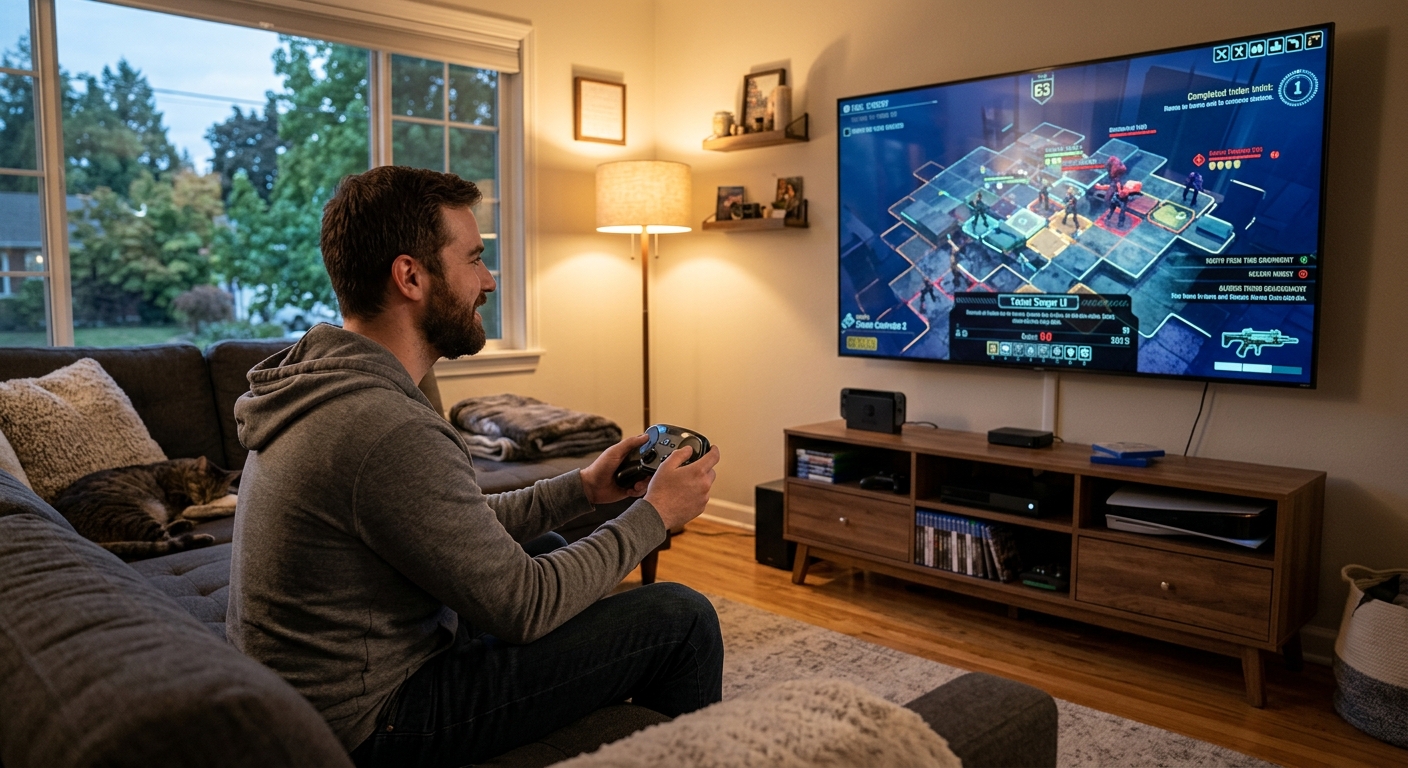
What TechyTalk skipped: real gameplay performance. Menu navigation looks smooth in controlled demos, but surviving a hectic match in XCOM or micro-managing StarCraft II units is where touchpads either deliver or become expensive accessories you'll rarely use.
The bigger supply and timing picture: Valve's broader 2026 hardware lineup, which includes the Steam Controller 2, the new Steam Machine, and Steam Frame, ships into a market already wrestling with component shortages. Valve confirmed in February 2026 that Steam Deck OLED units face intermittent stock gaps because memory and storage are being gobbled up by AI workloads. That same crunch could delay the controller rollout or limit regional availability, something the leak didn't address but launch day buyers will feel.
Valve's official March 2026 PR statement,
"Nothing has actually changed on our end,"
was damage control after wording shifts in their Year in Review post sparked delay fears. The company insists its 2026 hardware timeline holds, but component bottlenecks and now a pricing leak add pressure to lock down dates publicly.
What happens next: Valve rarely rushes responses to leaks, preferring to let noise settle before confirming details on its terms. But a pricing reveal this clear, weeks before the official launch, may force earlier announcements on ship dates, regional rollout, and whether pre-orders open before hands-on reviews drop. Silence works when speculation floats; it's harder when buyers have a number and start comparison shopping.
For consumers deciding whether to wait or grab a third party PC controller now, $99 changes the math. You're comparing a Valve designed input system tuned for Steam Deck and desktop PC against generic Bluetooth controllers that cost $60 to $80 but lack touchpad integration. The value proposition hinges entirely on whether those pads perform in real sessions, and we won't know until the embargo lifts properly or more units leak into the wild.
The bottom line: We've got a price, core specs, and proof someone didn't read their review agreement. What we don't have: confirmation that dual touchpads solve problems or just add bulk. At $99, Valve's betting you'll pay a premium for PC native input. The embargo break gave you weeks to decide if that bet makes sense, or if a basic Xbox controller and a wireless mouse still win.