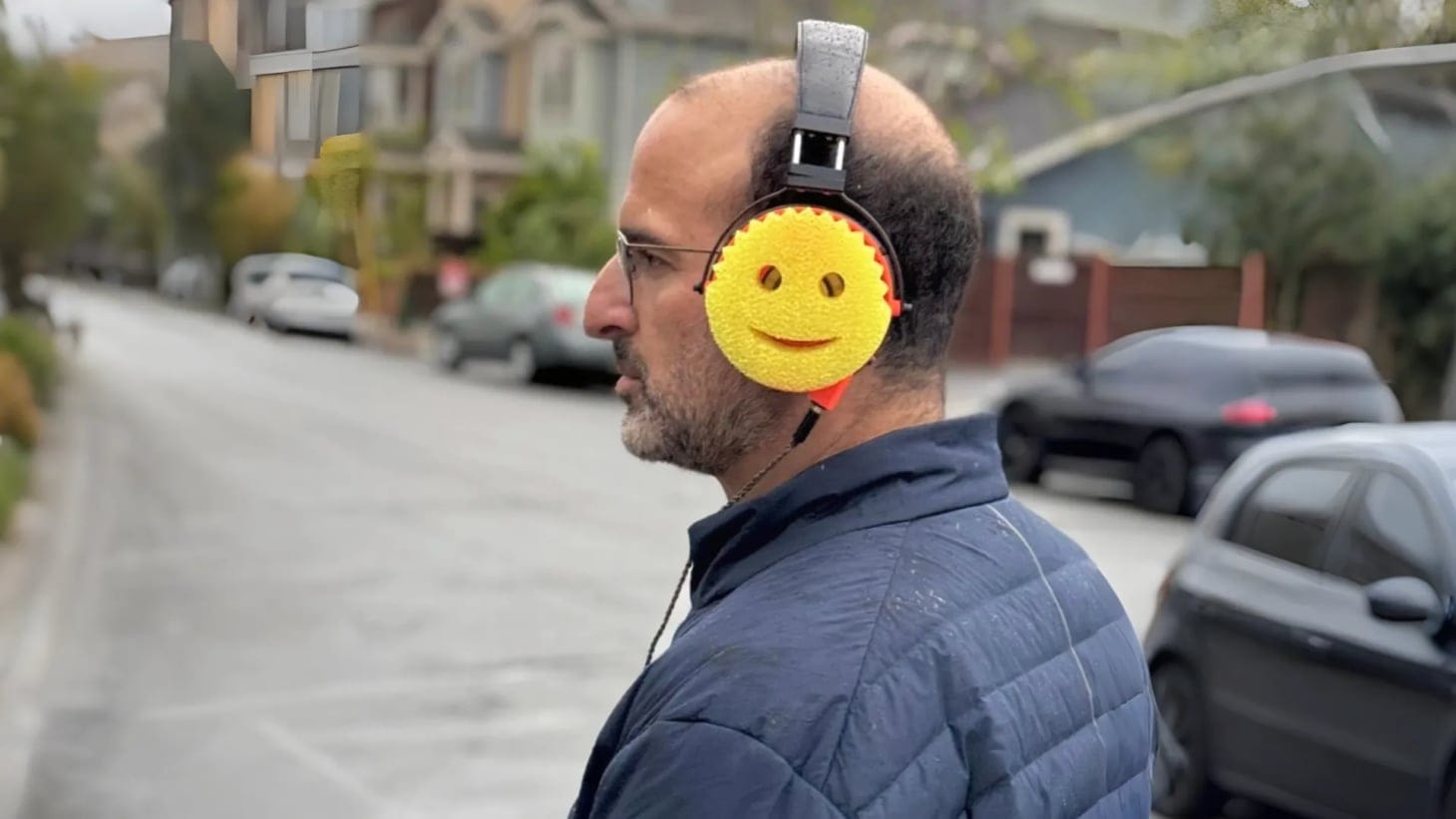

A Reddit user calling himself Pud has turned dish sponges into headphones that challenge conventional wisdom about audiophile gear, delivering frequency response graphs comparable to $2,000 models. Pud, a sound engineer, posted his DIY sponge headphones to Reddit on April 26, 2026, using kitchen cleaning pads as acoustic chambers for 50‑mm drivers and achieving Hi‑Fi‑level performance for under $10 in build costs.
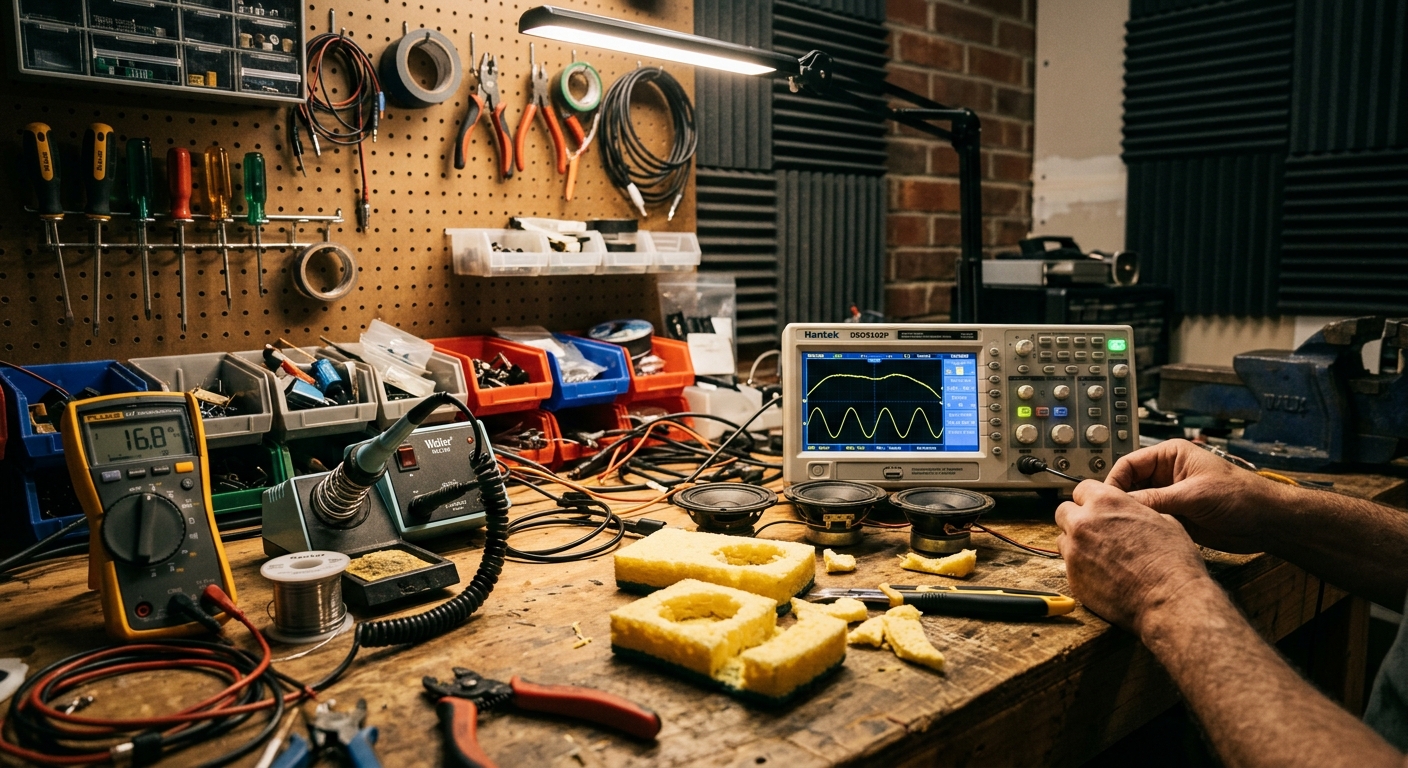
Two off‑the‑shelf 50‑mm drivers mounted inside hollowed dish sponges form the core of Pud's design, using the porous material to dampen resonance and shape frequency response. The sponge structure acts as an acoustic chamber, much like the carefully tuned enclosures in premium headphones, but at a fraction of the engineering and material cost. He documented the build process on Reddit, where response graphs showing clean mids and tight bass drew immediate praise from the community.
The total bill of materials came in under $10. Compare that to the HiFiman HE1000, a $2,000 planar‑magnetic benchmark that Pud's frequency charts closely mirrored. One commenter wrote,
"The sound feels surprisingly balanced for a kitchen‑sponge build,"
while another called the frequency response
"divine."
Acoustic foam used in commercial headphone pads shares key properties with dish sponges: both are porous, flexible, and capable of dampening unwanted resonance. Sponges trap air in thousands of tiny cells, dissipating sound energy and smoothing peaks in the frequency spectrum. When Pud carved out cavities for the drivers and positioned them at the right distance from the ear, the sponge performed exactly what expensive proprietary foams do, just without the audiophile markup.
The maker community has long understood that materials matter less than geometry and tuning. Pud's headphones prove the point: with careful placement and experimentation, you can achieve Hi‑Fi performance from something you'd normally use to scrub a pan.
Pud's Reddit post included frequency‑response charts but left out critical performance metrics such as total harmonic distortion, sound pressure level curves, and impedance measurements. Those specs would allow engineers to make true apples‑to‑apples comparisons with commercial gear. Without them, the "divine" graphs remain impressive anecdotal results rather than verified benchmarks.
Long‑term durability is another open question. Dish sponges compress over time, absorb moisture, and aren't designed for prolonged skin contact. Will the acoustic properties hold up after weeks of use? Will sweat or humidity degrade the foam or harbor bacteria? Pud hasn't addressed those concerns yet.
Pud plans to release design files so makers can 3D‑print their own housings and replicate the build at home. He's also teasing two new concepts: washbasin headphones and a Crocs‑styled model, both pushing the envelope on what qualifies as an acoustic enclosure. The point isn't just novelty; it's a challenge to the industry's insistence that premium sound requires premium price tags.
The only completed pair was sold for $100, but with design files on the way, curious builders won't have to wait long. Sometimes the best materials are already next to your sink, waiting for someone curious enough to solder a driver into them and see what happens.