YouTube rolled out a dual-video ad format earlier this week for mobile live streams in the United States, keeping viewers on the page while serving ads. The stream plays in one pane (muted) while an ad runs in another.
The stream never leaves. When a mid-roll triggers, YouTube opens a side-by-side player, your live feed stays visible (chat, overlays, action) but the audio switches to the ad. Once the spot wraps, stream audio returns. You never click away.
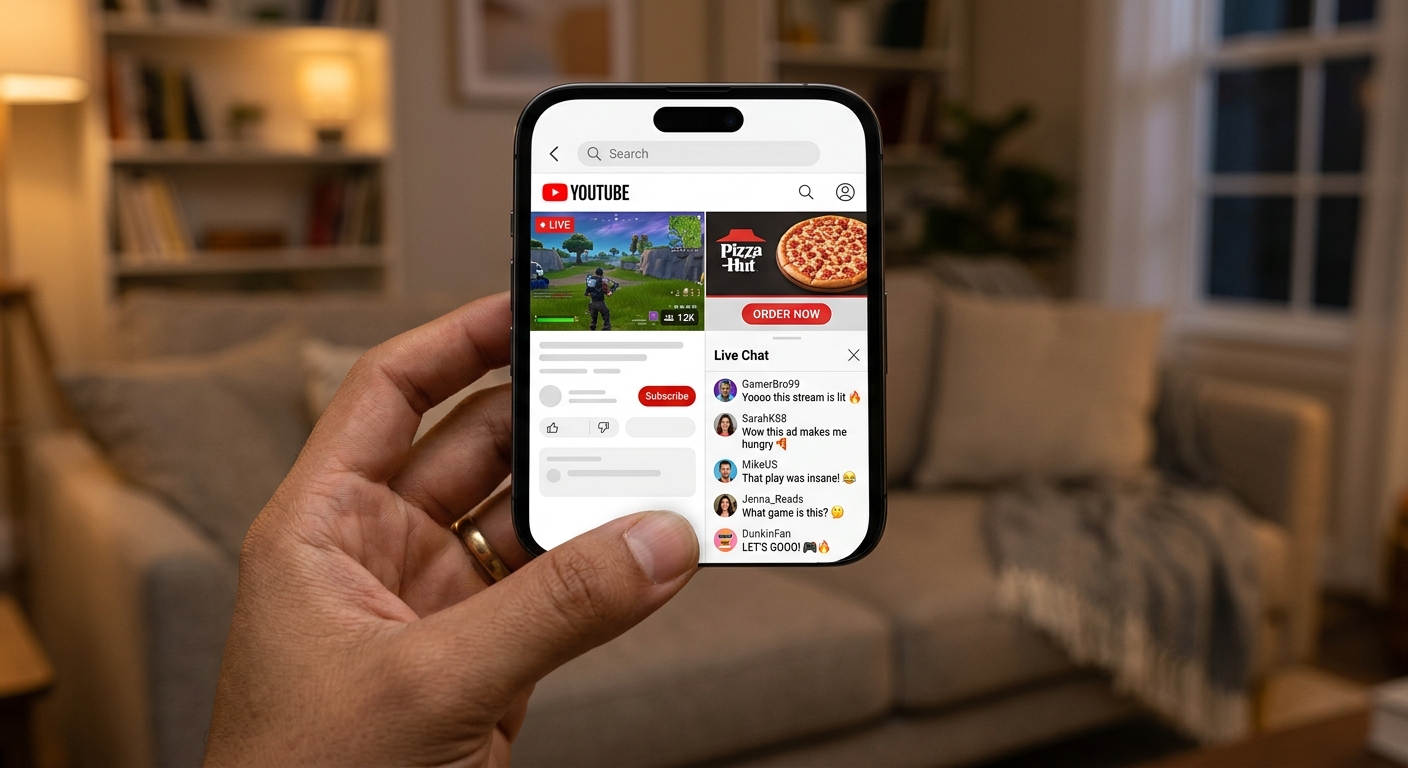
This is attention economics. Traditional mid-rolls yank you out; dual-video keeps context alive. Google says internal data show bounce rates drop when viewers can still see what's happening, even while hearing something else. For creators, that means higher completion rates and better revenue per stream. YouTube also confirmed the format launched on mobile this month after earlier tests on desktop and TV.
Transparency meets monetization. YouTube surfaces a revenue-share banner during each ad and shows real-time impression counts in the Studio mobile dashboard. Creators can track earnings as the stream runs, turning ad breaks into visible income events. The platform also added tools to delay ads during peak chat activity so if engagement spikes, the ad waits.
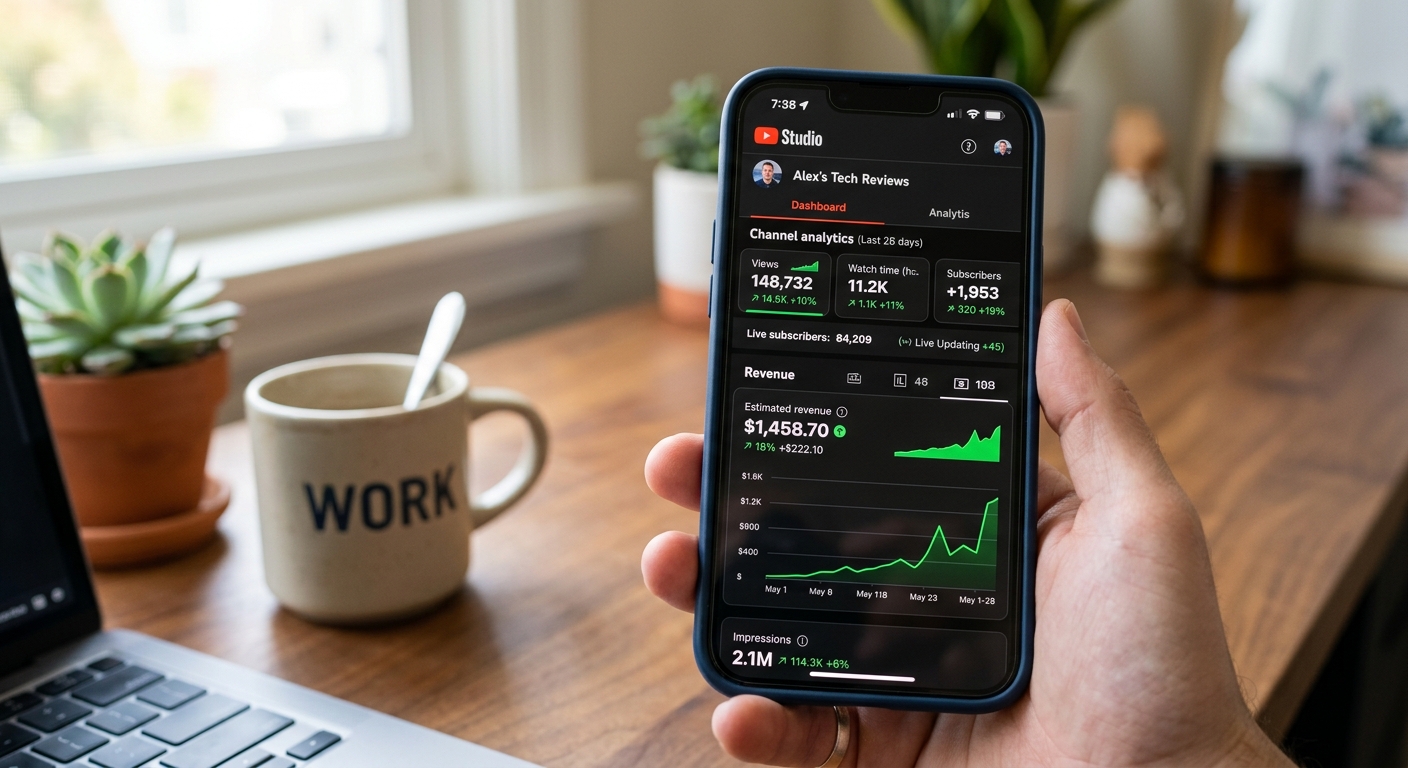
Chat stays live, visuals stay unbroken, but you're multitasking. Whether that's an upgrade or an intrusion depends on your consumption style. Casual viewers won't mind; deep-focus viewers might. Either way, you're now processing two video feeds at once.
YouTube plans to expand the format later in 2026. Longer ad slots, interactive overlays (polls, product cards, live CTAs), and rollout beyond U.S. mobile are all on the roadmap. The goal: ads that coexist with content rather than replace it. If performance holds, expect dual-video across platforms and geographies.