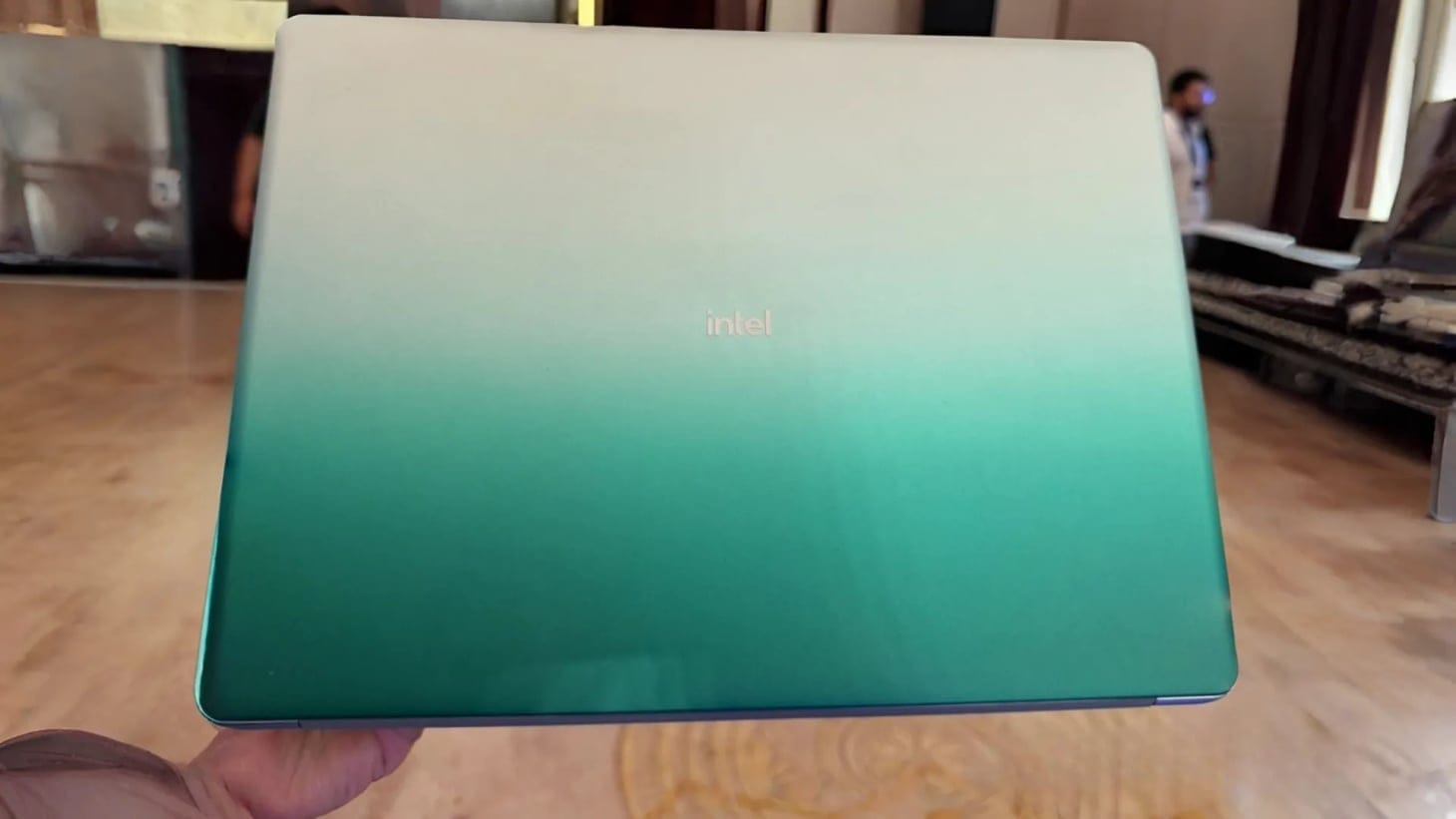

Intel showed a six-core Wildcat Lake prototype on April 26, 2026, a reference laptop capable of fanless operation built to match Apple's MacBook Neo form factor and prove x86 can thrive in the 11-watt power band where ARM has long dominated.
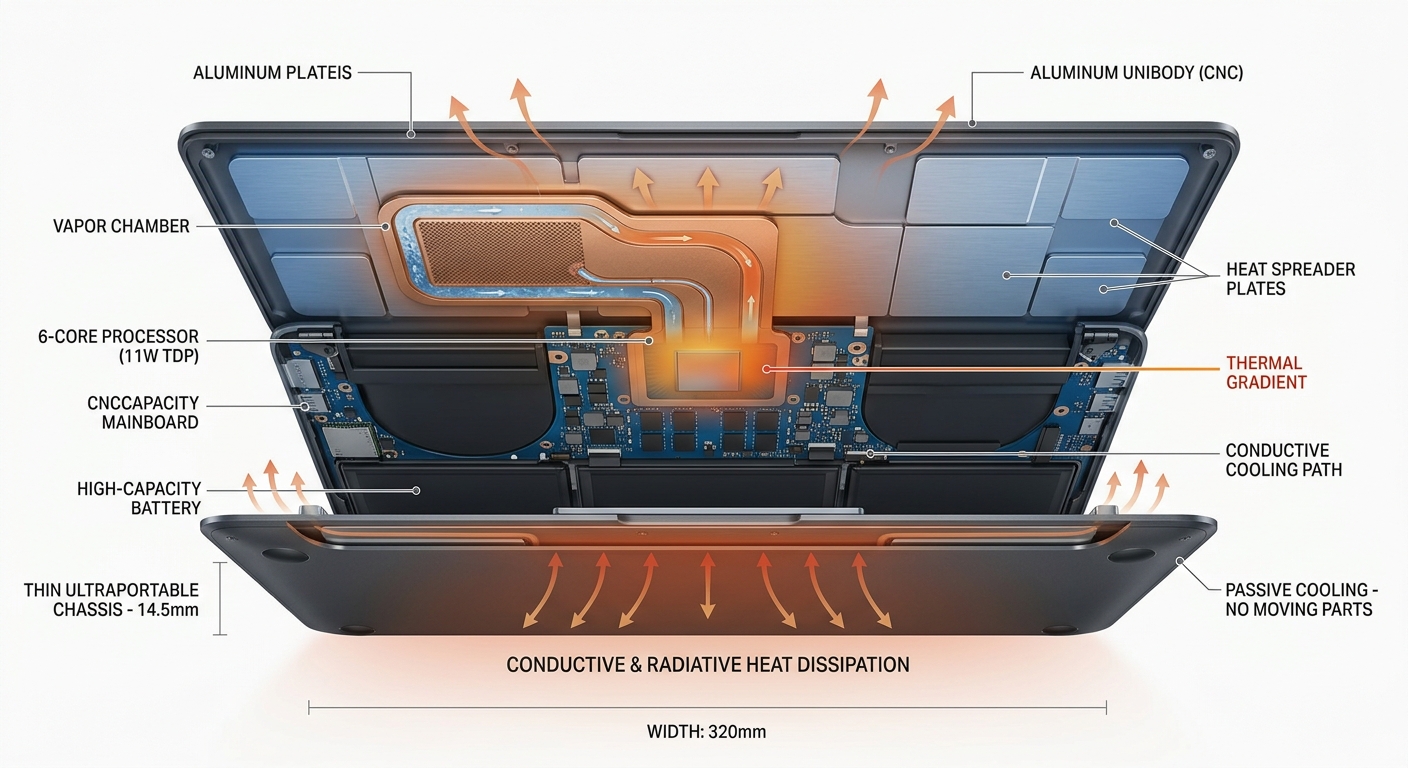
What Intel revealed: a thin aluminum laptop running Wildcat Lake silicon at 17 to 22 watts with a fan or 11 watts passively (without a fan), targeting email, spreadsheets, and productivity rather than gaming.
Why it matters: this prototype hands OEMs a roadmap to compete directly with the MacBook Neo's efficiency and design while preserving Windows compatibility and x86 supply chains.
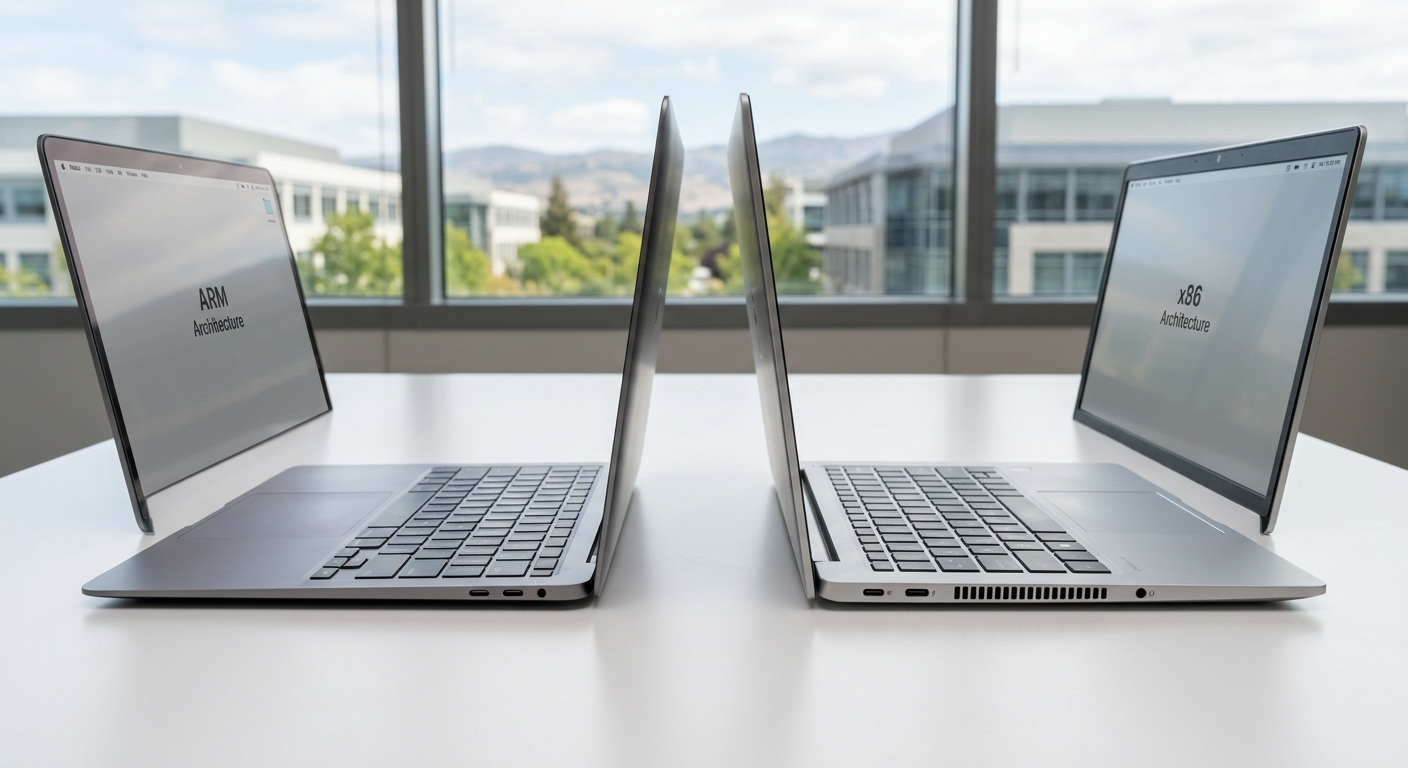
Intel cut core count and GPU complexity to prioritize battery life over peak performance. The result is a platform that can run cool and quiet without surrendering the software ecosystem PC manufacturers depend on.
The chassis deliberately mirrors MacBook aesthetics: aluminum shell, compact keyboard, restrained I/O, signaling that Intel understands the design language buyers now expect in ultraportables.
For original equipment manufacturers, this is an engineering template, not a product. OEMs will adapt the cooling strategy, adjust port selection, and tune power profiles for their own brands.
Key technical choice: passive operation at 11 watts means fanless designs become viable for the first time in Intel's ultraportable roadmap, eliminating one of ARM's key advantages.
This isn't Intel's first efficiency push, but it's the first time the company has built a reference platform explicitly designed to answer a specific competitor's product: in this case the Neo's blend of low-power operation and accessible pricing.
What's next: OEMs will dissect this prototype over the coming months, integrate Wildcat Lake into their ultrabook roadmaps, and ship consumer versions before year end. Intel hasn't announced mass production of the reference unit itself; the hardware exists to inspire partner designs, not retail sales. Success hinges on whether manufacturers can scale the design, hit competitive price points, and deliver the all-day battery life users now treat as non-negotiable in thin and light devices.