Before you commit to a new machine this summer, check Apple's shipping calendar. The company expects to release at least 15 hardware products between now and December 2026. This pipeline spans updated iPhones, redesigned MacBooks, and a dedicated smart home hub designed to replace scattered speaker ecosystems.
If you are tracking a system upgrade this year, Apple's supply chain cadence points to a concentrated fall release window. Select high-end models face delays into early 2027 due to memory chip constraints.
Industry supply chain reports and developer conference context notes confirm this distribution. Analysts track component orders and factory test phases to map launch windows, which currently align with standard September iPhone cycles and late-year accessory drops.
The iPhone lineup changes form
The iPhone 18 Pro and Pro Max ship with the A20 Pro processor, a narrowed Dynamic Island, and a simplified Camera Control button. Variable apertures return to at least one rear lens, and the C2 modem enables 5G web browsing via satellite.
Apple places the iPhone Ultra outside the standard Pro tier. This foldable device features a 7.7-inch inner screen, a 5.3-inch outer display, and a Touch ID power button that replaces Face ID for biometric authentication. The operating system delivers side-by-side app windows and iPad-style multitasking to match the new hardware. As we covered in our earlier coverage of iOS 27 interface changes, the software will retain the translucent design while adding on-device language and image models to support these expanded layouts.
Macs and home gear receive generational jumps
Apple upgrades its desktop and notebook lines this cycle. The Mac mini and Mac Studio transition from M4-based processors to the M5 and M5 Ultra chips. The iMac adds new color finishes alongside an M5 upgrade. The MacBook Pro line reboots as the MacBook Ultra, packing an OLED display, a touch screen, and a Dynamic Island cutout. It ships with a touch-friendly interface that adapts to the new hardware.
Apple refreshes its home hardware with similar generational moves. The HomePod mini gains an upgraded chip, Apple's N1 Wi-Fi 7 silicon, and a second-generation Ultra Wideband radio. The full-sized HomePod follows with revamped voice assistant support. A more personalized assistant rollout dictates how deeply these devices integrate with daily routines.
Memory shortages dictate release windows
The standout entry is the Home Hub, a 6-inch to 7-inch square display powered by an A18 chip. It runs local intelligence models, supports video calls, and aims to centralize smart home controls. Industry reports suggest it may launch alongside a security camera and a biometric doorbell. These accessories signal a move toward a unified entryway ecosystem.
Component availability dictates when these products actually land in your hands. The iPad mini receives an OLED panel and a vibration-based speaker system, while the iPad 12 upgrades its processor. Apple Watch Series 12 and Ultra 4 models promise faster S11 chips and potential health sensor additions.
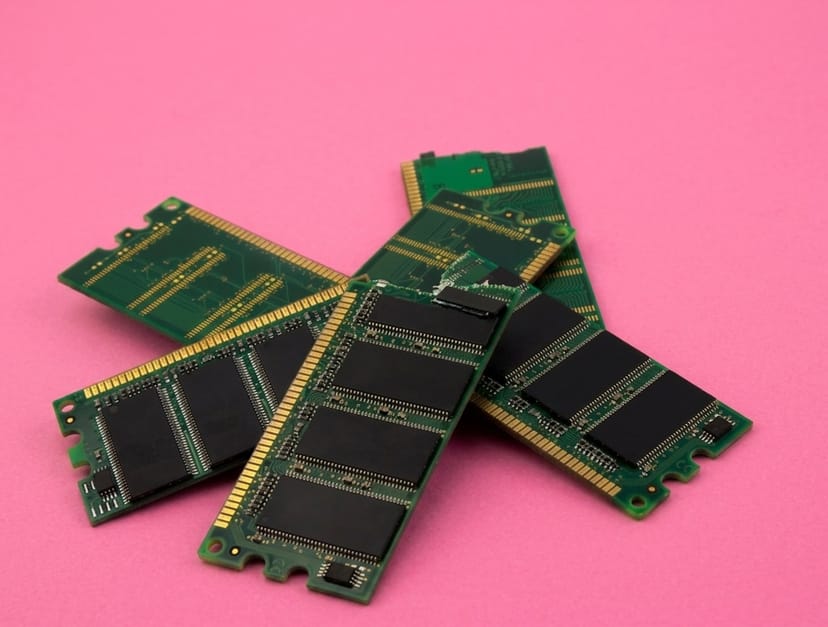
A documented RAM chip shortage delays the Mac Studio, Mac mini, and MacBook Ultra until 2027. If your current machine requires an immediate replacement, the fall lineup delivers the most reliable availability. Hold off on high-end workstation purchases until next spring to avoid inventory gaps.
Apple expects to roll out a more personalized voice assistant alongside these releases. Your upgrade timeline depends on whether you need immediate hardware or can wait for memory supply chains to normalize. The fall window offers the clearest path to a complete system refresh.