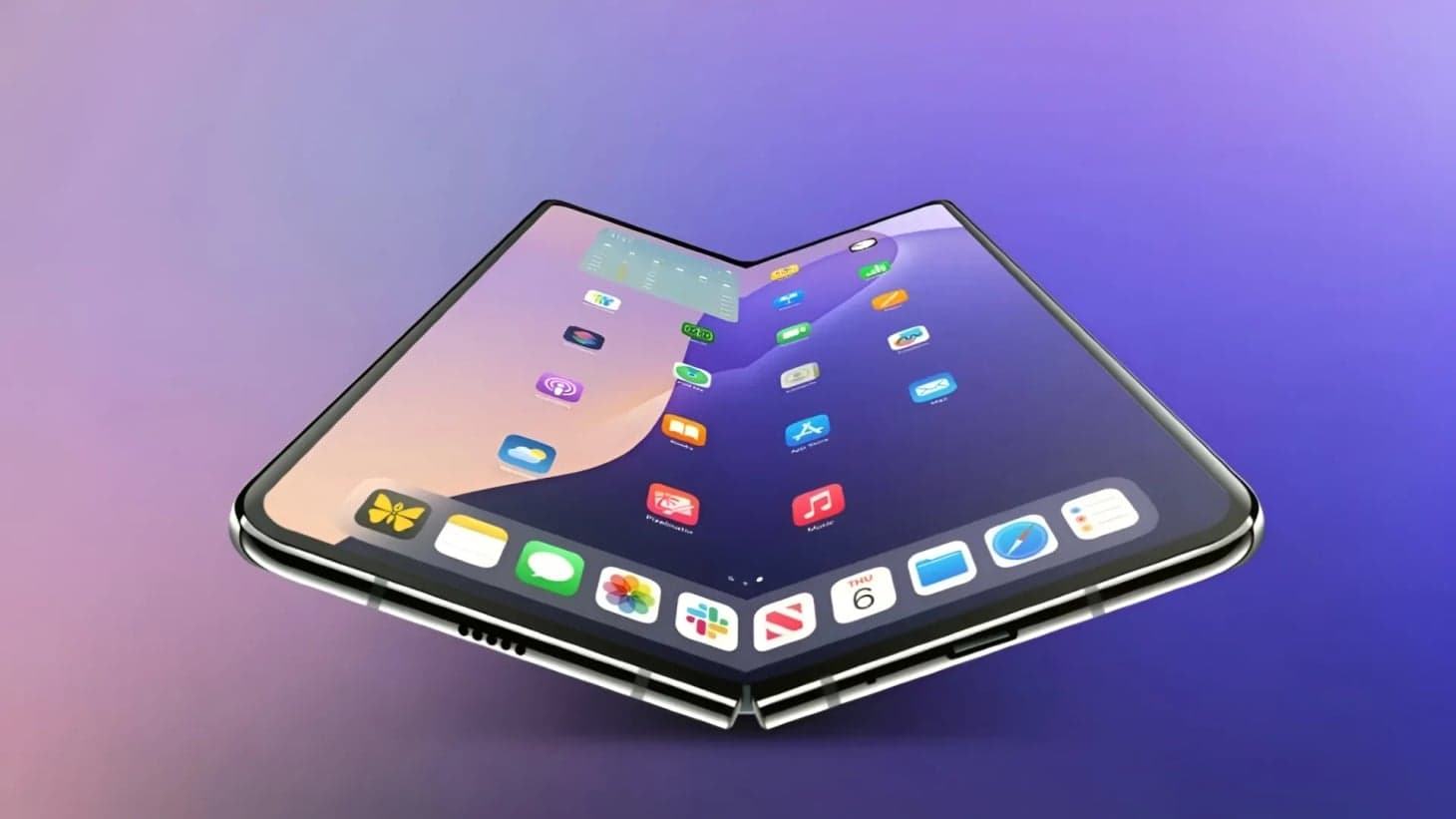
Apple announced in March 2025 that iOS 27 will keep its Liquid Glass interface while launching a foldable iPhone this fall, signaling a strategic shift toward AI integration and preparing users for upcoming AR glasses expected between 2026 and 2027. Keeping the translucent visual design lets developers layer advanced AI features onto a familiar foundation instead of forcing users to learn a redesigned system.
What's new: Apple retains Liquid Glass, a translucent interface that shows background content through app windows to create a sense of spatial depth. The company is keeping the visual language stable after chief interface architect Alan Day departed in December 2025.
Why it matters: Apple prioritizes AI integration and system stability over cosmetic changes, Bloomberg reporter Mark Gurman confirmed. The update ships on-device language models, image generation, and context-aware actions across apps. The interface arranges UI elements to match real-world geometry, smoothing the transition to AR glasses coming in 2026 to 2027.
By the numbers: Apple ships a foldable iPhone alongside the iPhone 18 Pro lineup in fall 2026. The device features a 5.5-inch outer display and a 7.8-inch inner screen with no visible crease. It folds to a thickness of approximately 0.35 to 0.37 inches (9 to 9.5 mm). Prices range from $2,000 to $2,500. It enables split-screen multitasking for two apps at once.
What's delayed: Apple pushes the Siri Home Hub smart display launch to the fourth quarter of 2026, moving the 7-inch, $350 device past its original 2025 target. The updated plan equips Siri with on-screen content analysis so the assistant can read text, generate images, and adjust system settings directly. The delay aligns the release with AI enhancements in iOS 27.
What it signals: Apple is committing long-term to AI-enabled hardware that bridges current devices to future AR wearables. Developers will get early access to the new AI capabilities, allowing them to shape apps for upcoming AR glasses. For users, this means your current iPhone experience is being designed to prepare you for Apple's next major product category.
What to watch: Expect a developer-tools rollout later this year as the next indicator of Apple's pace. Watch how third-party apps adopt spatial design cues and whether the foldable iPhone gains traction at its premium price point.