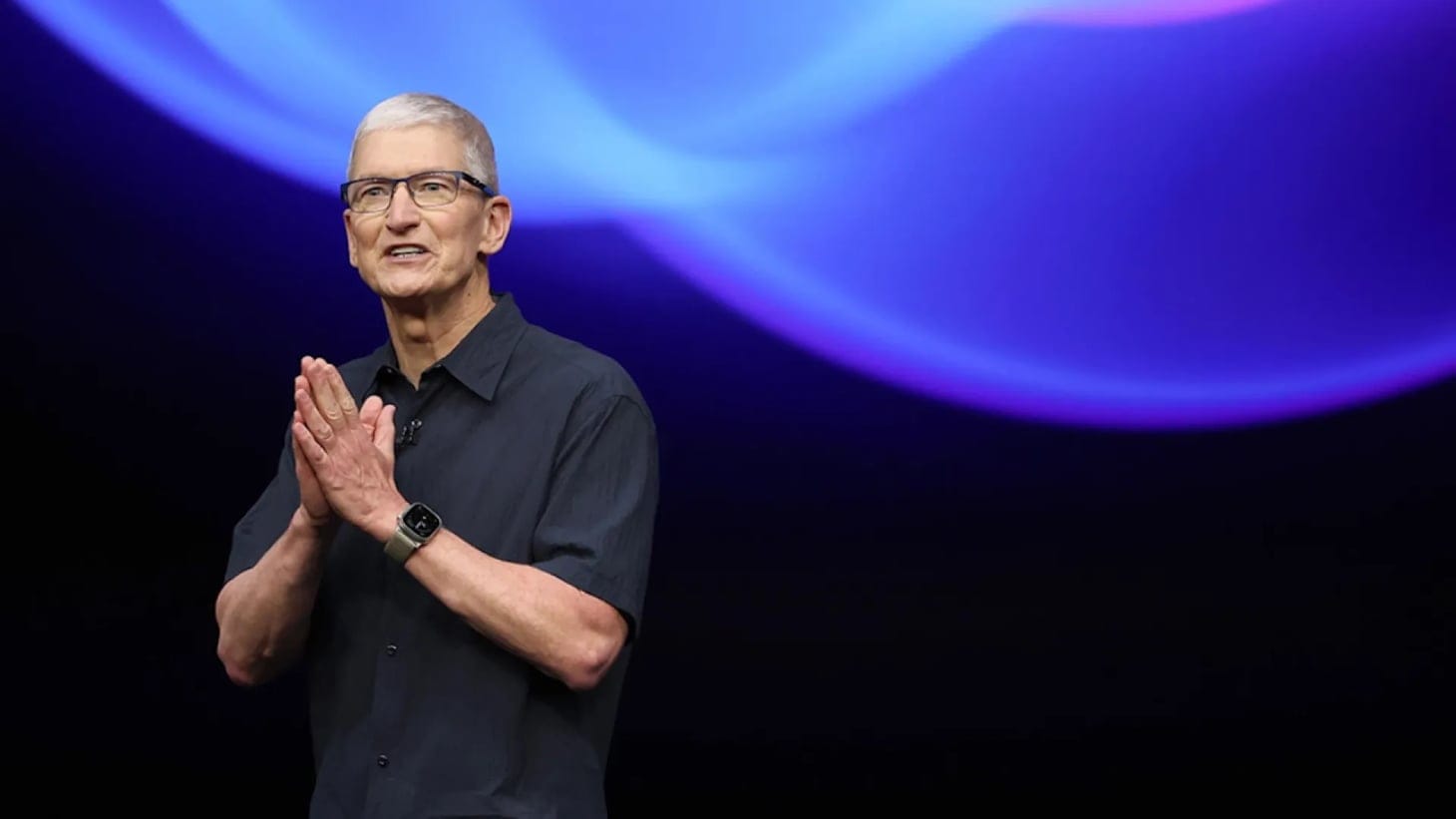
Tim Cook announced at an all‑hands meeting in Cupertino in mid‑April 2026 that he will step down as Apple CEO in early 2027 and will be succeeded by hardware chief John Ternus to accelerate on‑device AI. The decision, shared directly with employees, closes a thirteen‑year chapter in which Cook expanded Apple into services and wearables while navigating supply‑chain upheaval and antitrust scrutiny. Cook stressed that the timing reflects strength: a deep product pipeline, solid financials, and Ternus's readiness, not health concerns or outside pressure.
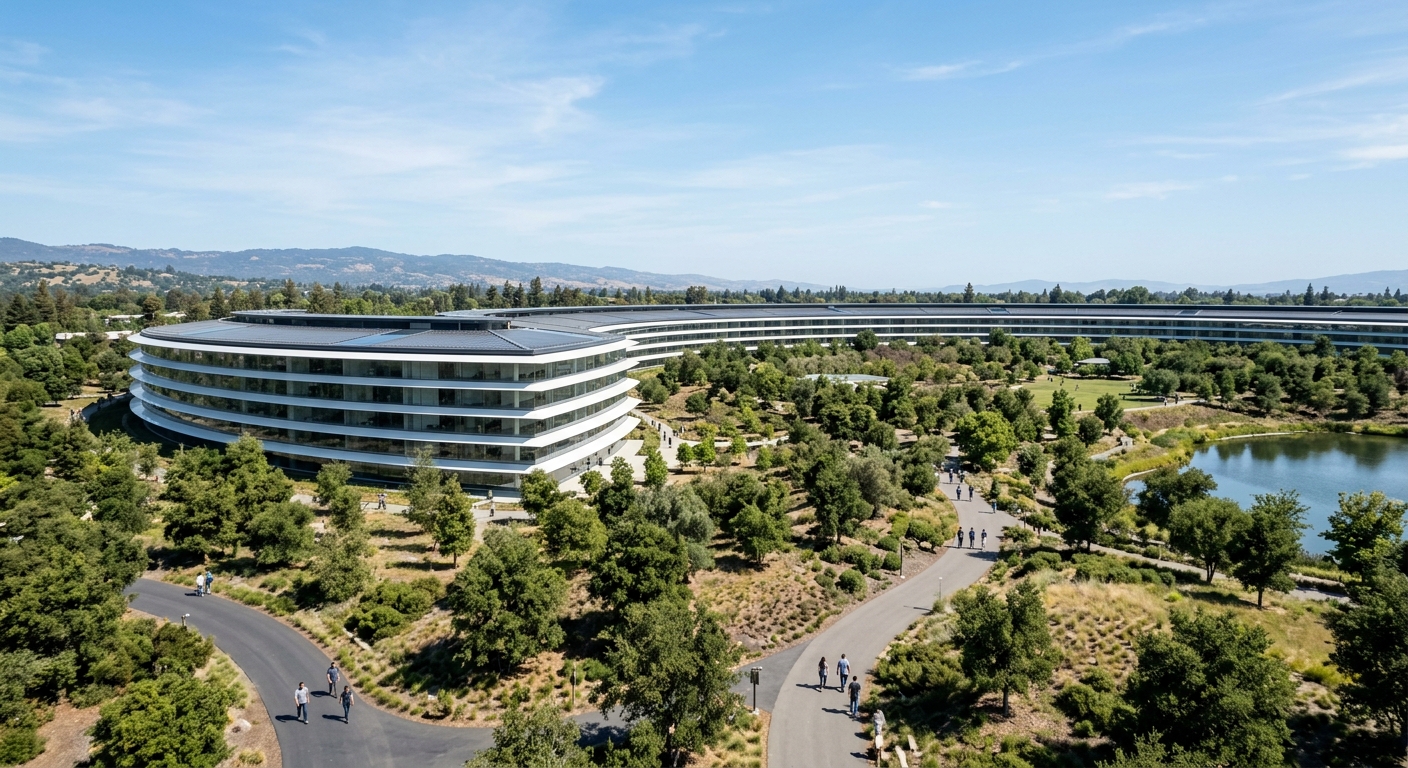
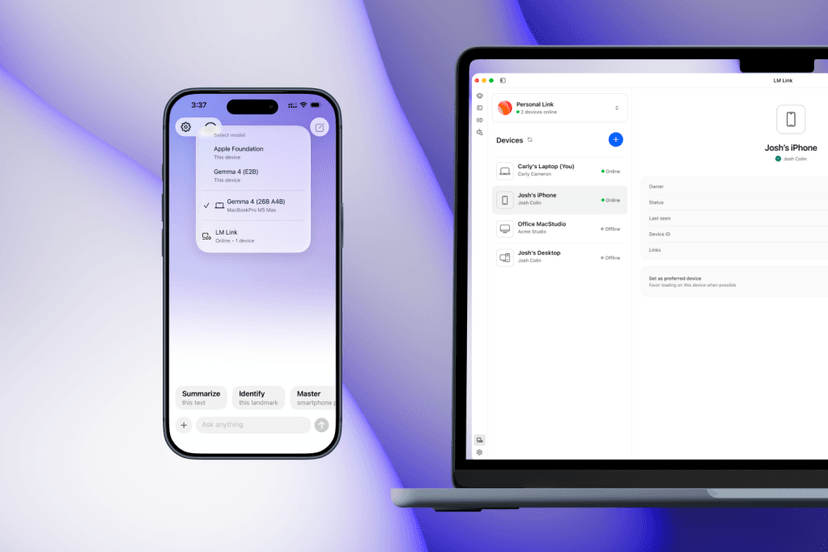
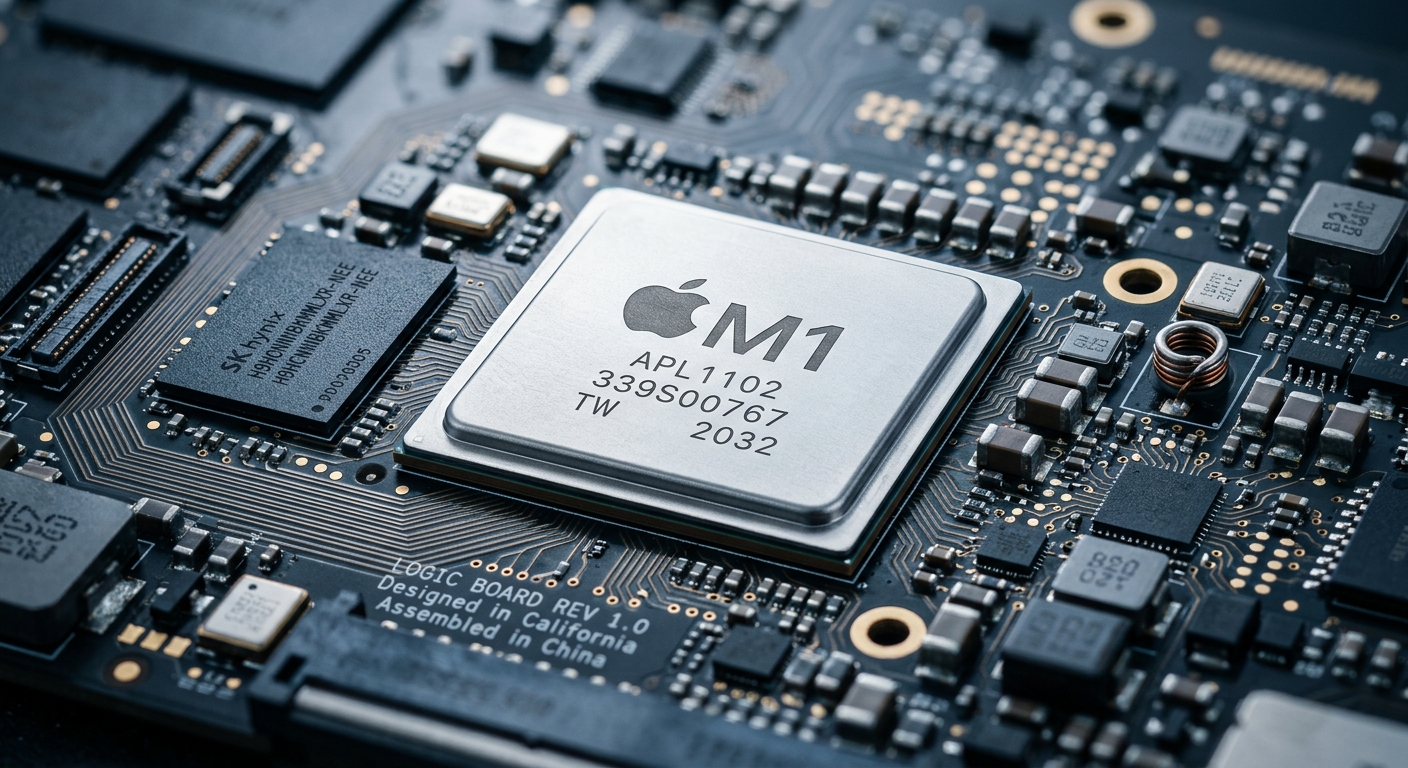
Why Ternus, Why Now: Ternus led the engineering teams that shipped Apple's M1 chip family and orchestrated the multi‑year break from Intel, reshaping performance and battery life across the Mac line. That track record matters as Apple races Microsoft and Google in the AI arms race. While rivals route queries through cloud servers, Apple processes requests locally to keep data encrypted on‑device, a bet that demands tighter silicon‑software integration and the hardware discipline Ternus has already proven.
By the numbers: Cook grew Apple's market cap from $350 billion to more than $3 trillion, launched Apple Watch and AirPods, and steered the company through pandemic‑era supply crises, Apple's press release noted. Under his leadership, services revenue climbed into the tens of billions, diversifying income beyond the iPhone. Analysts pointed out that shares rose modestly after the announcement, signaling investor confidence in continuity and Ternus's product execution.
What's next: Cook will stay on the board as an advisor through the end of 2026, ensuring a smooth handover while Ternus finalizes upcoming releases, rumored AR wearables and a redesigned MacBook Air, according to supply‑chain sources. The real test will be whether Ternus can maintain momentum and prove that privacy‑first, on‑device AI can compete in a market dominated by cloud‑powered models. Ternus inherits both the opportunity and the pressure to deliver on Apple's ambitious AI vision.