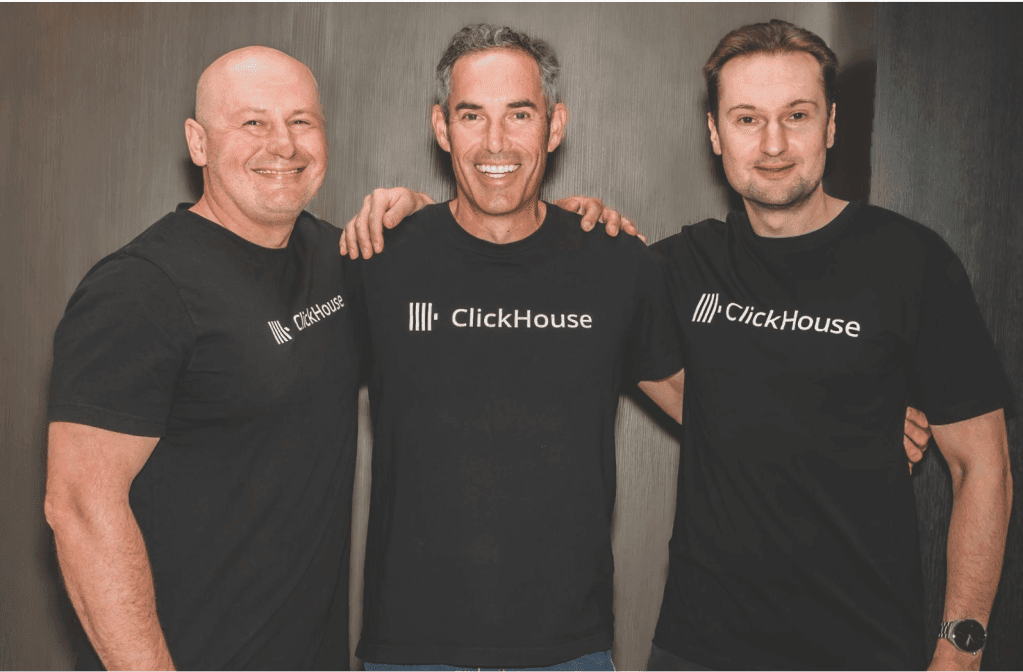

Database provider ClickHouse has tripled its annualized revenue run rate to $250 million and expects to reach the high nine digits by year-end, co-founder Yury Izrailevsky confirmed to TechCrunch. The growth positions the company for a public listing within the next few years and signals a shift in data infrastructure pricing dynamics that will affect enterprise database budgets through 2027.
What the $15 billion valuation means for your contracts
January's $400 million Series D round, led by Dragoneer Investment Group, valued ClickHouse at $15 billion—a multiple exceeding 60x annualized revenue. This premium pricing creates two immediate consequences for data architects: first, existing enterprise contracts with competing platforms (Snowflake, Databricks) may become negotiable as vendors respond to competitive pressure; second, ClickHouse itself may adjust licensing terms before going public to align with investor expectations. Audit your database contracts before Q4 2026 to capture renewal leverage. Compare your current per-terabyte costs against ClickHouse's published pricing to quantify potential savings or justify existing vendor lock-in.
The CFO hire telegraphs pricing model changes
ClickHouse appointed Jimmy Sexton as chief financial officer last fall, recruiting him from Snowflake where he managed investor relations. CFO hires with public market experience typically precede two events: financial reporting standardization and pricing model optimization. Companies approaching IPO frequently revise enterprise licensing 12–18 months before debut. If you rely on annual database spend predictability, lock in multi-year contracts with existing vendors before ClickHouse's public filing triggers industrywide repricing. The six acquisitions completed to date, including Langfuse for AI agent monitoring, suggest feature bundling will replace modular pricing in future contract structures.
How customer concentration affects platform stability
ClickHouse now serves over 4,000 customers, including Anthropic, Meta, Capital One, and Decagon. The presence of high-velocity AI workloads (Anthropic) alongside traditional financial services (Capital One) validates the architecture across use cases, but also concentrates risk. Platforms with significant AI customer concentration face higher infrastructure volatility during model training cycles. If your workload mirrors Anthropic's profile, plan for potential performance degradation during peak periods. If your usage resembles Capital One's transactional patterns, the proven regulatory compliance becomes a decision factor. Request customer reference calls matching your specific workload type before committing to migration.
Open-source acquisition strategy accelerates feature velocity
Izrailevsky stated ClickHouse will continue acquiring "relatively young, but showing very promising technology" startups, typically open source, that complement its core product. The technology originated inside Russian search giant Yandex 17 years ago before spinning out in 2021. Open-source acquisition targets integrate 3–6 months faster than proprietary builds. Map your infrastructure roadmap against ClickHouse's GitHub activity and recent acquisition targets to predict feature availability. If you require AI observability tools, the Langfuse acquisition provides a six-month head start over competitors building similar capabilities internally. Evaluate whether waiting for bundled features or deploying standalone tools better serves your delivery timeline.
Decision framework for the next 12 months
Three actions reduce risk before ClickHouse's IPO reshapes the database market: First, benchmark your current database spend per terabyte against ClickHouse's public pricing to quantify switching costs. Second, request multi-year pricing guarantees from existing vendors citing competitive pressure. Third, pilot ClickHouse on non-critical workloads to measure actual migration complexity versus vendor claims. The revenue projection holds through December 2026—infrastructure decisions made before year-end will determine whether you benefit from or react to the coming pricing consolidation.