• My Feed
  • Home
  • What's Important
  • Media & Entertainment
Search

Stay Curious. Stay Wanture.

© 2026 Wanture. All rights reserved.

  • Terms of Use
  • Privacy Policy
Health/MedTech

John Noble's 1,024 Thread Implant Powers Warcraft Raids

2024 Seattle trial made his brain‑computer link power daily Warcraft raids

30 March 2026

—

Profile *

Marcus Dillard

banner

John Noble, a former British parachutist turned veteran gamer, received a neural implant with 1,024 threads after a 2024 trial in Seattle. The device lets him control a MacBook with thought alone, turning World of Warcraft raids into hands‑free battles. His story shows how brain‑computer interfaces can expand digital access for disabled veterans and reshape gaming.

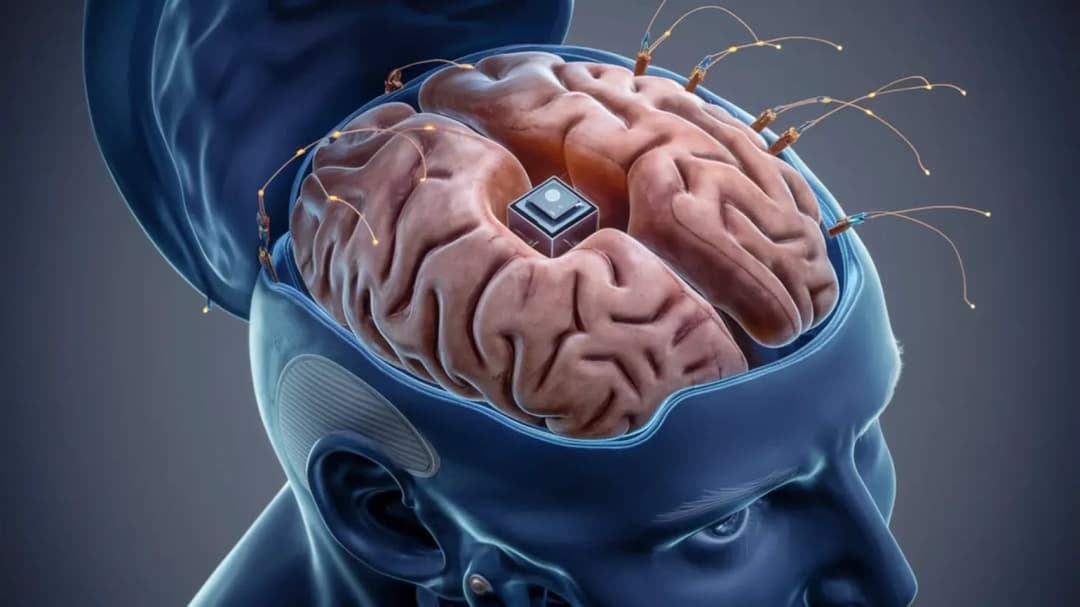
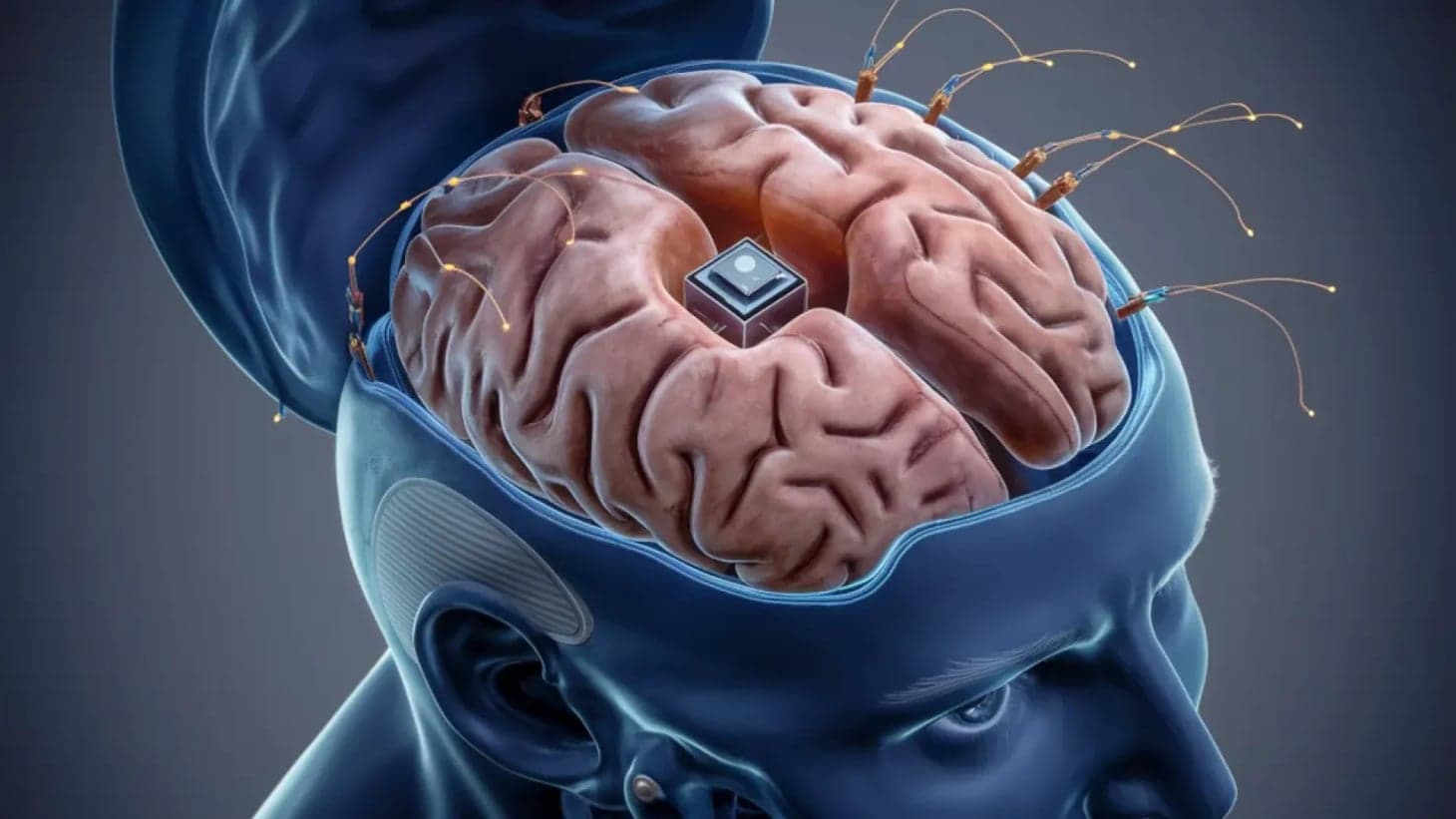
3D illustration of an open human head revealing a brain with an embedded microchip and glowing neural wires.

Summary:

  • John Noble received a Seattle brain computer implant with 1,024 cortical threads, enabling thought only control of a MacBook.
  • He mapped thoughts to mouse movements and clicks, now runs World of Warcraft raids without hands and competes with able bodied gamers.
  • His experience shows neuro tech can transform gaming, education and work for veterans, prompting society to shape rules for thought driven computing.
banner

It is 8 a.m. in a modest San Francisco apartment. The curtains are drawn. A soft hum of a MacBook fills the room. John Noble sits upright. He closes his eyes. A cursor glides across a map of Azeroth. No mouse clicks. No keyboard taps. The raid begins.

John L. Noble is a retired British parachutist who now lives in San Francisco. He lost the use of his legs in a training accident. ==A neural implant now lets him control a computer with thought alone.== The implant was placed by Neuralink, a company that builds brain‑computer interfaces. The technology is still in early clinical use. It shows how a medical device can change daily digital habits.

The Making of a Soldier

John grew up in a small town near Manchester, England. He joined the British army at 18 and earned his parachute wings at 20. He loved the feeling of free fall.

A fall during a training jump left him paraplegic at 32. He faced months of rehabilitation and described the loss as "a world gone dark."

Friends urged him to try assistive tech. He tried voice‑controlled devices but found them slow. ==He wanted a faster link between mind and screen.==

He learned about a neural interface trial in 2024 and applied. Neuralink accepted him into their clinical program.

The Surgery

The implant surgery took place at a specialized clinic. Surgeons made a small incision, and a robot placed 1,024 ultra‑thin threads into his motor cortex. The procedure lasted under an hour. John woke up the same day and reported no pain.

"The incision felt like a pinprick. The next day I could feel the wires humming."

He went home the next day and rested for three days. By day five the scar was barely visible.

He connected the implant to a MacBook on day seven and opened World of Warcraft. The game responded to his thoughts.

"My mind moved the avatar before my eyes could blink."

Learning to Play With Thought

He learned to map thought patterns to mouse movements and intent to click commands. The first raid felt clumsy, and he missed a boss attack.

He adjusted his mental focus. The next raid ran smoothly.

"The first raid was a mess. The second felt like magic."

He now runs raids at full speed and explores new zones without a single hand movement. He competes with able‑bodied players and wins.

He shares his screen with a community of disabled gamers. After 100 days of using the implant, John says he can't imagine life without it.

"Playing with thoughts makes me feel whole again."

The Brain as Interface

John believes technology should extend human agency. He says "the brain is the last frontier we can still reach with code."

He warns that developers must keep safety front and center, noting that his implant requires daily calibration.

"Every update feels like a new lesson in trust."

He advises other veterans to explore neuro‑tech but stresses patience. He says "the mind learns faster than any prosthetic."

"Don't expect instant results. The brain needs time to adapt."

Building a Community

John now mentors other patients and runs a virtual support group on Discord. He helps newcomers calibrate their implants.

He speaks at tech conferences in San Francisco and Seattle, showcasing how brain‑computer interfaces can reshape leisure.

"Seeing a fellow veteran log in with thoughts is priceless."

He collaborates with Neuralink on usability studies and provides feedback on software latency. He hopes future versions will need fewer threads.

"The next generation could work with a single millimeter‑wide mesh."

What Happens Next

John's story shows how a medical device can alter everyday digital behavior. It moves the conversation from "what can we build" to "how will it change how we play."

His experience hints at broader possibilities for veterans across the United States. It suggests that ==brain‑computer interfaces could soon become tools for education, work, and recreation== for many Americans.

The question remains: how will society shape the rules that govern thought‑driven computing?
What is this about?

  • Neural Decoding/
  • Mac gaming performance/
  • Assistive Gaming Tech/
  • Veteran Neurorehab

Feed

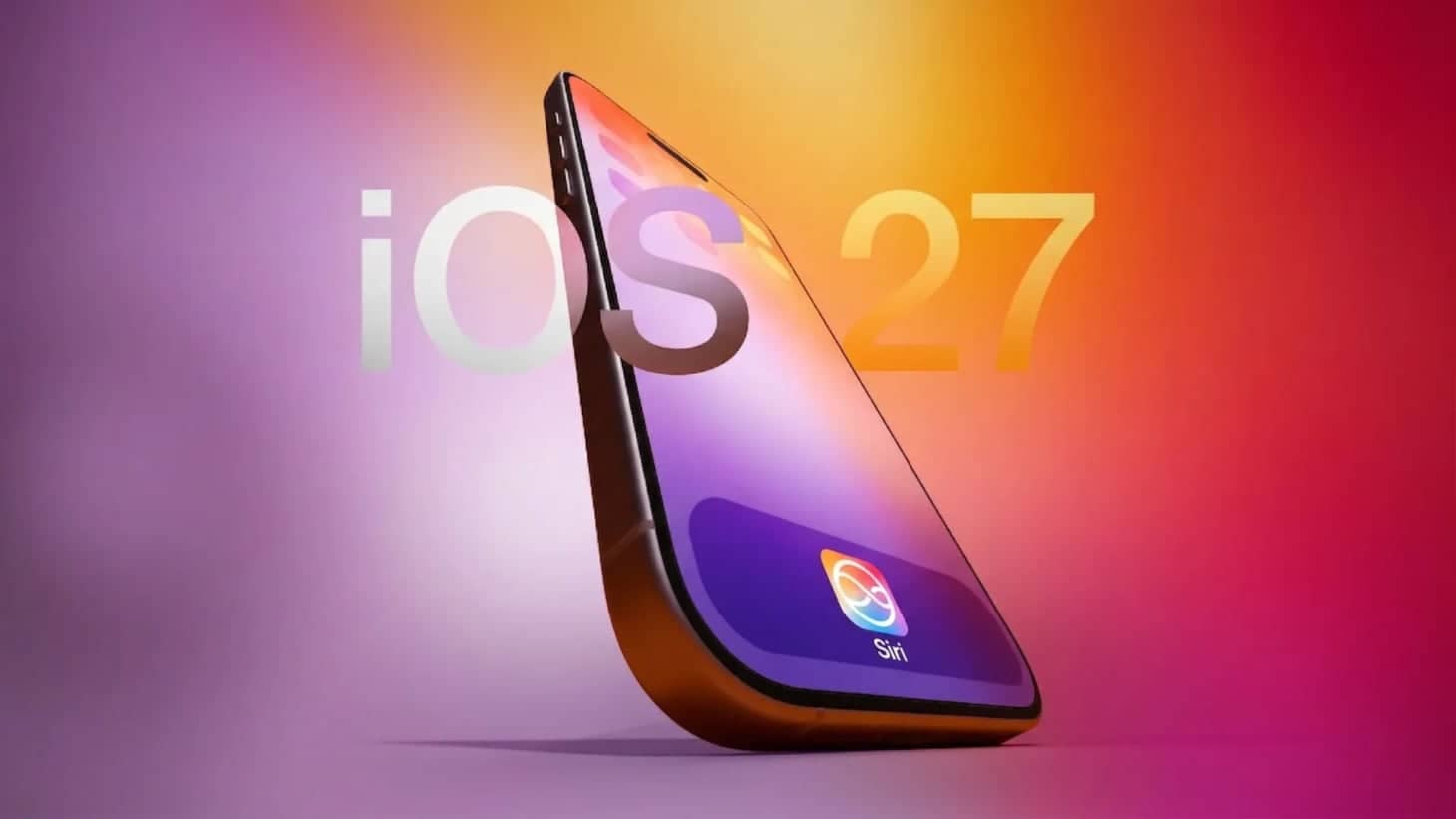
    Apple unveils Siri app for iOS 27, adds 50+ AI agents

    Apple unveils Siri app for iOS 27, adds 50+ AI agents

    iOS 27 Siri app adds Extensions marketplace, eyeing Alexa’s 100,000‑skill store

    about 15 hours ago
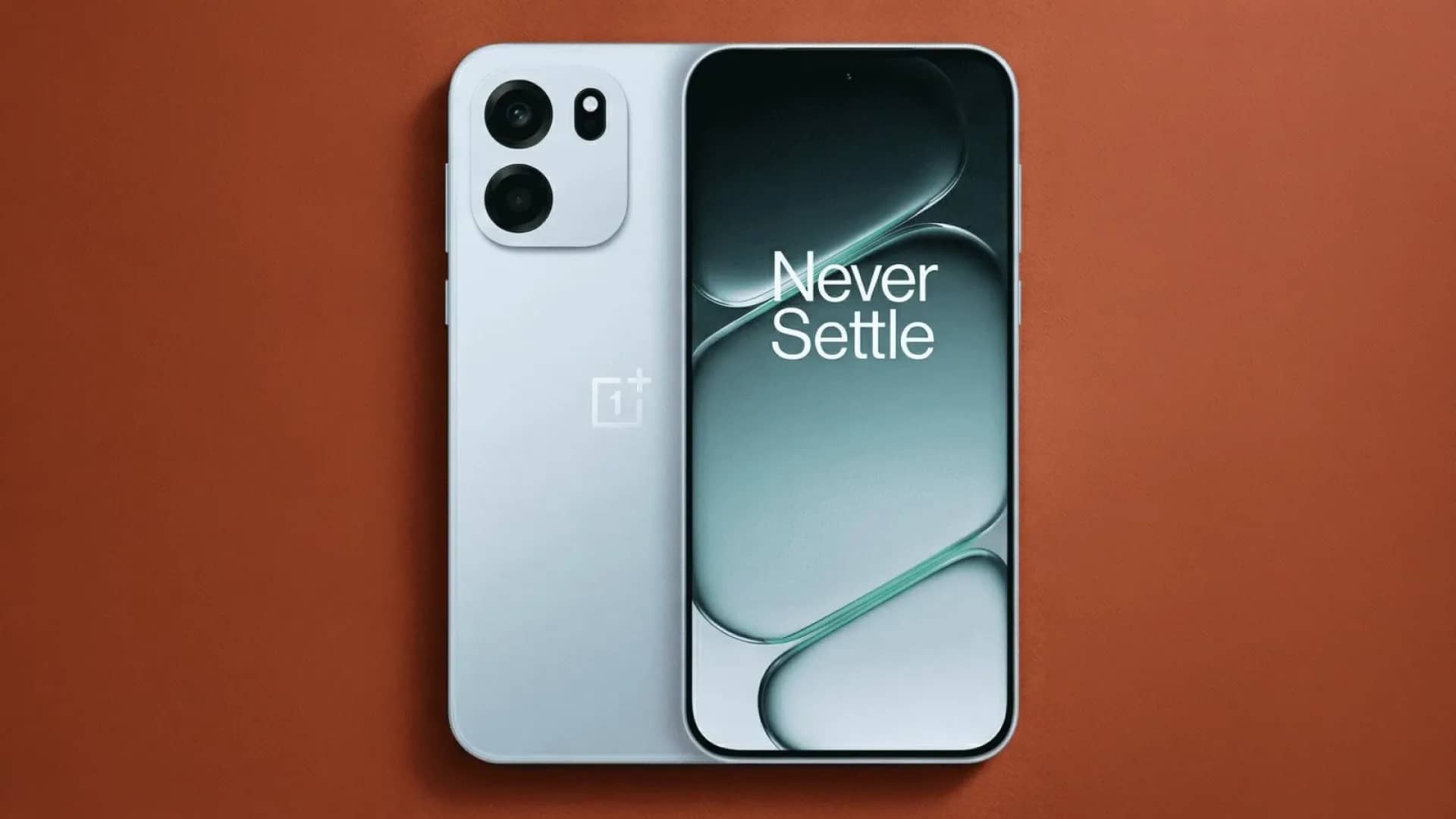
    OnePlus Nord CE6 Lite 5G Debuts with 7,000 mAh Battery

    OnePlus Nord CE6 Lite 5G Debuts with 7,000 mAh Battery

    A 6.7‑inch 120 Hz LCD and MediaTek Dimensity 6300 chip aim for two days of use

    1 day ago
    Microsoft PowerToys 0.98 adds Command Palette Dock

    Microsoft PowerToys 0.98 adds Command Palette Dock

    Pinnable panel brings shortcuts and system widgets to Windows 11

    1 day ago
    Sony stops CFexpress, SD card orders amid shortage

    Sony stops CFexpress, SD card orders amid shortage

    CFexpress Type A/B and SDXC/SDHC orders frozen as market seeks alternatives

    1 day ago
    China's PLA Debuts Distributed‑Control Ground Drone Pack

    China's PLA Debuts Distributed‑Control Ground Drone Pack

    Three variants (Shadow, Bloody, Polar) act as one organism without radio links

    1 day ago
    Apple removes nearly 100 VPN apps from Russia's App Store

    Apple removes nearly 100 VPN apps from Russia's App Store

    The July to September 2024 purge cuts VPNs that Russians use to bypass censorship

    3 days ago
    OpenAI’s March ad test pulls $8.3 million from U.S. users

    OpenAI’s March ad test pulls $8.3 million from U.S. users

    Test hit 20% of ChatGPT users, earning $0.11 per user, flagging a billion market

    3 days ago
    Telegram hit by critical zero‑day (ZDI‑CAN‑30207)

    Telegram hit by critical zero‑day (ZDI‑CAN‑30207)

    A CVSS 9.8 zero‑day lets attackers hijack any Telegram account; 120 days to patch

    3 days ago
    Sony raises U.S. PlayStation prices, effective April 2, 2026

    Sony raises U.S. PlayStation prices, effective April 2, 2026

    PlayStation Disc, PS5 Pro, and Portal see MSRP hikes as chip shortages rise

    3 days ago
    Botto’s AI Art Sale Hits Six-Figure Revenue

    Botto’s AI Art Sale Hits Six-Figure Revenue

    3 days ago
    Motorola’s 2025 Razr series takes 44% of the foldable market

    Motorola’s 2025 Razr series takes 44% of the foldable market

    Samsung’s share falls to 51% as Motorola and the Pixel 10 Pro Fold reshape the market

    3 days ago

    DJI Unveils Avata 360 FPV Drone with 8K Spherical Video

    DJI introduced the Avata 360 on March 26, 2025, a first‑person‑view FPV drone that records 8K spherical video at 60 fps using a dual‑camera rig. The 1‑lb airframe offers up to 23 minutes of flight, omnidirectional obstacle detection, and an O4+ link that streams 1080p video up to 12 mi. Creators can select any angle in post‑production, eliminating the need to pre‑frame shots.

    DJI Unveils Avata 360 FPV Drone with 8K Spherical Video
    3 days ago

    Google adds Gemini 3 Memory import for chat logs

    Google unveiled a migration utility on March 26 that lets users import chat histories and personal preferences into Gemini 3. It offers a “Memories” prompt to capture style settings and a ZIP archive for full logs up to 100 MB. By moving data to the new “Memory” panel, the feature aims to ease AI chat transitions amid growing data‑privacy scrutiny.

    Google adds Gemini 3 Memory import for chat logs
    4 days ago

    Google rolls out Android 17 Beta 3 with split network tiles

    Google launched Android 17 Beta 3 on March 27, 2026, adding separate Wi‑Fi and Cellular quick‑settings tiles, a hide‑app‑label switch for Pixel 6 and newer, RAW14 camera capture, dark‑theme app exceptions, and a cursor‑blink‑rate slider. Stability lets developers lock compatibility ahead of the late‑spring final release, with guidance to test new toggles and image format.

    4 days ago

    Apple Holds New TV, HomePod Rollout for iOS 27 Gemini Siri

    Apple has finished manufacturing its Apple TV and HomePod units but will keep them in storage until the Gemini‑enabled Siri update arrives with iOS 27 in September. The TV uses an A17 Pro chip and Apple N1 processor, adding Wi‑Fi 7 and Bluetooth 6, while on‑device AI promises instant voice commands and less cloud reliance. The launch supports Apple’s 2025 sustainability goals.

    Apple Holds New TV, HomePod Rollout for iOS 27 Gemini Siri
    4 days ago

    Wikipedia bans AI‑generated article edits

    On March 20, 2026, the Wikimedia Foundation and the English‑language Wikipedia community voted to bar editors from using generative AI to create or rewrite articles. The policy targets AI‑generated hallucinations that undermine verifiable sourcing and neutrality. AI can still be used for spelling, grammar, or translation on verified text, while volunteers flag suspicious edits.

    Wikipedia bans AI‑generated article edits
    4 days ago

    Google launches Lyria 3 Pro AI music generator

    Google rolled out its new Lyria 3 Pro AI music generator on March 20, 2026, integrating the model with Vertex AI, the Gemini chat app, and Producer AI tools. The system creates full‑song structures in minutes, embeds an invisible SynthID watermark to label AI‑generated tracks, and arrives as the technology faces a lawsuit over its training data.

    Google launches Lyria 3 Pro AI music generator
    4 days ago

    Apple Retains Dynamic Island on iPhone 18 Pro, Cuts Face ID

    Apple confirmed that its iPhone 18 Pro will retain the smaller Dynamic Island cutout instead of a full under‑display Face ID, after internal tests showed the sensor slowed unlock speed and reduced facial‑recognition accuracy. The change preserves Live Activities and keeps the Dynamic Island API unchanged, while ultra‑thin Face ID modules are slated for the upcoming iPhone Air 2.

    Apple Retains Dynamic Island on iPhone 18 Pro, Cuts Face ID
    5 days ago

    Dell XPS 16 Sets 27‑Hour Web‑Surfing Record

    The Dell XPS 16 logged a 27‑hour web‑surfing run in Laptop Mag’s independent test, thanks to a 70 Wh battery and a 1 Hz refresh‑rate mode that cuts display draw by up to 40 %. At 1.5‑4.6 W power use, it outlasted the 2024 MacBook Pro 16 and ThinkPad T14s Gen 6 by roughly six hours, setting a new efficiency benchmark for premium laptops.

    Dell XPS 16 Sets 27‑Hour Web‑Surfing Record
    5 days ago
    Loading...
Health/MedTech

John Noble's 1,024 Thread Implant Powers Warcraft Raids

2024 Seattle trial made his brain‑computer link power daily Warcraft raids

March 30, 2026, 7:01 am

John Noble, a former British parachutist turned veteran gamer, received a neural implant with 1,024 threads after a 2024 trial in Seattle. The device lets him control a MacBook with thought alone, turning World of Warcraft raids into hands‑free battles. His story shows how brain‑computer interfaces can expand digital access for disabled veterans and reshape gaming.

3D illustration of an open human head revealing a brain with an embedded microchip and glowing neural wires.

Summary

  • John Noble received a Seattle brain computer implant with 1,024 cortical threads, enabling thought only control of a MacBook.
  • He mapped thoughts to mouse movements and clicks, now runs World of Warcraft raids without hands and competes with able bodied gamers.
  • His experience shows neuro tech can transform gaming, education and work for veterans, prompting society to shape rules for thought driven computing.
banner

It is 8 a.m. in a modest San Francisco apartment. The curtains are drawn. A soft hum of a MacBook fills the room. John Noble sits upright. He closes his eyes. A cursor glides across a map of Azeroth. No mouse clicks. No keyboard taps. The raid begins.

John L. Noble is a retired British parachutist who now lives in San Francisco. He lost the use of his legs in a training accident. ==A neural implant now lets him control a computer with thought alone.== The implant was placed by Neuralink, a company that builds brain‑computer interfaces. The technology is still in early clinical use. It shows how a medical device can change daily digital habits.

The Making of a Soldier

John grew up in a small town near Manchester, England. He joined the British army at 18 and earned his parachute wings at 20. He loved the feeling of free fall.

A fall during a training jump left him paraplegic at 32. He faced months of rehabilitation and described the loss as "a world gone dark."

Friends urged him to try assistive tech. He tried voice‑controlled devices but found them slow. ==He wanted a faster link between mind and screen.==

He learned about a neural interface trial in 2024 and applied. Neuralink accepted him into their clinical program.

The Surgery

The implant surgery took place at a specialized clinic. Surgeons made a small incision, and a robot placed 1,024 ultra‑thin threads into his motor cortex. The procedure lasted under an hour. John woke up the same day and reported no pain.

"The incision felt like a pinprick. The next day I could feel the wires humming."

He went home the next day and rested for three days. By day five the scar was barely visible.

He connected the implant to a MacBook on day seven and opened World of Warcraft. The game responded to his thoughts.

"My mind moved the avatar before my eyes could blink."

Learning to Play With Thought

He learned to map thought patterns to mouse movements and intent to click commands. The first raid felt clumsy, and he missed a boss attack.

He adjusted his mental focus. The next raid ran smoothly.

"The first raid was a mess. The second felt like magic."

He now runs raids at full speed and explores new zones without a single hand movement. He competes with able‑bodied players and wins.

He shares his screen with a community of disabled gamers. After 100 days of using the implant, John says he can't imagine life without it.

"Playing with thoughts makes me feel whole again."

The Brain as Interface

John believes technology should extend human agency. He says "the brain is the last frontier we can still reach with code."

He warns that developers must keep safety front and center, noting that his implant requires daily calibration.

"Every update feels like a new lesson in trust."

He advises other veterans to explore neuro‑tech but stresses patience. He says "the mind learns faster than any prosthetic."

"Don't expect instant results. The brain needs time to adapt."

Building a Community

John now mentors other patients and runs a virtual support group on Discord. He helps newcomers calibrate their implants.

He speaks at tech conferences in San Francisco and Seattle, showcasing how brain‑computer interfaces can reshape leisure.

"Seeing a fellow veteran log in with thoughts is priceless."

He collaborates with Neuralink on usability studies and provides feedback on software latency. He hopes future versions will need fewer threads.

"The next generation could work with a single millimeter‑wide mesh."

What Happens Next

John's story shows how a medical device can alter everyday digital behavior. It moves the conversation from "what can we build" to "how will it change how we play."

His experience hints at broader possibilities for veterans across the United States. It suggests that ==brain‑computer interfaces could soon become tools for education, work, and recreation== for many Americans.

The question remains: how will society shape the rules that govern thought‑driven computing?
What is this about?

  • Neural Decoding/
  • Mac gaming performance/
  • Assistive Gaming Tech/
  • Veteran Neurorehab

Feed

    Apple unveils Siri app for iOS 27, adds 50+ AI agents

    Apple unveils Siri app for iOS 27, adds 50+ AI agents

    iOS 27 Siri app adds Extensions marketplace, eyeing Alexa’s 100,000‑skill store

    about 15 hours ago
    OnePlus Nord CE6 Lite 5G Debuts with 7,000 mAh Battery

    OnePlus Nord CE6 Lite 5G Debuts with 7,000 mAh Battery

    A 6.7‑inch 120 Hz LCD and MediaTek Dimensity 6300 chip aim for two days of use

    1 day ago
    Microsoft PowerToys 0.98 adds Command Palette Dock

    Microsoft PowerToys 0.98 adds Command Palette Dock

    Pinnable panel brings shortcuts and system widgets to Windows 11

    1 day ago
    Sony stops CFexpress, SD card orders amid shortage

    Sony stops CFexpress, SD card orders amid shortage

    CFexpress Type A/B and SDXC/SDHC orders frozen as market seeks alternatives

    1 day ago
    China's PLA Debuts Distributed‑Control Ground Drone Pack

    China's PLA Debuts Distributed‑Control Ground Drone Pack

    Three variants (Shadow, Bloody, Polar) act as one organism without radio links

    1 day ago
    Apple removes nearly 100 VPN apps from Russia's App Store

    Apple removes nearly 100 VPN apps from Russia's App Store

    The July to September 2024 purge cuts VPNs that Russians use to bypass censorship

    3 days ago
    OpenAI’s March ad test pulls $8.3 million from U.S. users

    OpenAI’s March ad test pulls $8.3 million from U.S. users

    Test hit 20% of ChatGPT users, earning $0.11 per user, flagging a billion market

    3 days ago
    Telegram hit by critical zero‑day (ZDI‑CAN‑30207)

    Telegram hit by critical zero‑day (ZDI‑CAN‑30207)

    A CVSS 9.8 zero‑day lets attackers hijack any Telegram account; 120 days to patch

    3 days ago
    Sony raises U.S. PlayStation prices, effective April 2, 2026

    Sony raises U.S. PlayStation prices, effective April 2, 2026

    PlayStation Disc, PS5 Pro, and Portal see MSRP hikes as chip shortages rise

    3 days ago
    Botto’s AI Art Sale Hits Six-Figure Revenue

    Botto’s AI Art Sale Hits Six-Figure Revenue

    3 days ago
    Motorola’s 2025 Razr series takes 44% of the foldable market

    Motorola’s 2025 Razr series takes 44% of the foldable market

    Samsung’s share falls to 51% as Motorola and the Pixel 10 Pro Fold reshape the market

    3 days ago

    DJI Unveils Avata 360 FPV Drone with 8K Spherical Video

    DJI introduced the Avata 360 on March 26, 2025, a first‑person‑view FPV drone that records 8K spherical video at 60 fps using a dual‑camera rig. The 1‑lb airframe offers up to 23 minutes of flight, omnidirectional obstacle detection, and an O4+ link that streams 1080p video up to 12 mi. Creators can select any angle in post‑production, eliminating the need to pre‑frame shots.

    DJI Unveils Avata 360 FPV Drone with 8K Spherical Video
    3 days ago

    Google adds Gemini 3 Memory import for chat logs

    Google unveiled a migration utility on March 26 that lets users import chat histories and personal preferences into Gemini 3. It offers a “Memories” prompt to capture style settings and a ZIP archive for full logs up to 100 MB. By moving data to the new “Memory” panel, the feature aims to ease AI chat transitions amid growing data‑privacy scrutiny.

    Google adds Gemini 3 Memory import for chat logs
    4 days ago

    Google rolls out Android 17 Beta 3 with split network tiles

    Google launched Android 17 Beta 3 on March 27, 2026, adding separate Wi‑Fi and Cellular quick‑settings tiles, a hide‑app‑label switch for Pixel 6 and newer, RAW14 camera capture, dark‑theme app exceptions, and a cursor‑blink‑rate slider. Stability lets developers lock compatibility ahead of the late‑spring final release, with guidance to test new toggles and image format.

    4 days ago

    Apple Holds New TV, HomePod Rollout for iOS 27 Gemini Siri

    Apple has finished manufacturing its Apple TV and HomePod units but will keep them in storage until the Gemini‑enabled Siri update arrives with iOS 27 in September. The TV uses an A17 Pro chip and Apple N1 processor, adding Wi‑Fi 7 and Bluetooth 6, while on‑device AI promises instant voice commands and less cloud reliance. The launch supports Apple’s 2025 sustainability goals.

    Apple Holds New TV, HomePod Rollout for iOS 27 Gemini Siri
    4 days ago

    Wikipedia bans AI‑generated article edits

    On March 20, 2026, the Wikimedia Foundation and the English‑language Wikipedia community voted to bar editors from using generative AI to create or rewrite articles. The policy targets AI‑generated hallucinations that undermine verifiable sourcing and neutrality. AI can still be used for spelling, grammar, or translation on verified text, while volunteers flag suspicious edits.

    Wikipedia bans AI‑generated article edits
    4 days ago

    Google launches Lyria 3 Pro AI music generator

    Google rolled out its new Lyria 3 Pro AI music generator on March 20, 2026, integrating the model with Vertex AI, the Gemini chat app, and Producer AI tools. The system creates full‑song structures in minutes, embeds an invisible SynthID watermark to label AI‑generated tracks, and arrives as the technology faces a lawsuit over its training data.

    Google launches Lyria 3 Pro AI music generator
    4 days ago

    Apple Retains Dynamic Island on iPhone 18 Pro, Cuts Face ID

    Apple confirmed that its iPhone 18 Pro will retain the smaller Dynamic Island cutout instead of a full under‑display Face ID, after internal tests showed the sensor slowed unlock speed and reduced facial‑recognition accuracy. The change preserves Live Activities and keeps the Dynamic Island API unchanged, while ultra‑thin Face ID modules are slated for the upcoming iPhone Air 2.

    Apple Retains Dynamic Island on iPhone 18 Pro, Cuts Face ID
    5 days ago

    Dell XPS 16 Sets 27‑Hour Web‑Surfing Record

    The Dell XPS 16 logged a 27‑hour web‑surfing run in Laptop Mag’s independent test, thanks to a 70 Wh battery and a 1 Hz refresh‑rate mode that cuts display draw by up to 40 %. At 1.5‑4.6 W power use, it outlasted the 2024 MacBook Pro 16 and ThinkPad T14s Gen 6 by roughly six hours, setting a new efficiency benchmark for premium laptops.

    Dell XPS 16 Sets 27‑Hour Web‑Surfing Record
    5 days ago
    Loading...
banner