JBL will release the EasySing AI karaoke microphone on April 5, 2025, bundling it with the PartyBox On-the-Go 2 Plus for $420. The device uses on-device neural network processing to strip original vocals and automatically correct the singer's pitch in real time—a capability that industry analysts highlight as a key growth driver for U.S. karaoke hardware through 2026 (Technavio via PR Newswire). By removing the need for manual vocal removal, EasySing aims to lower the technical barrier for home karaoke sessions.
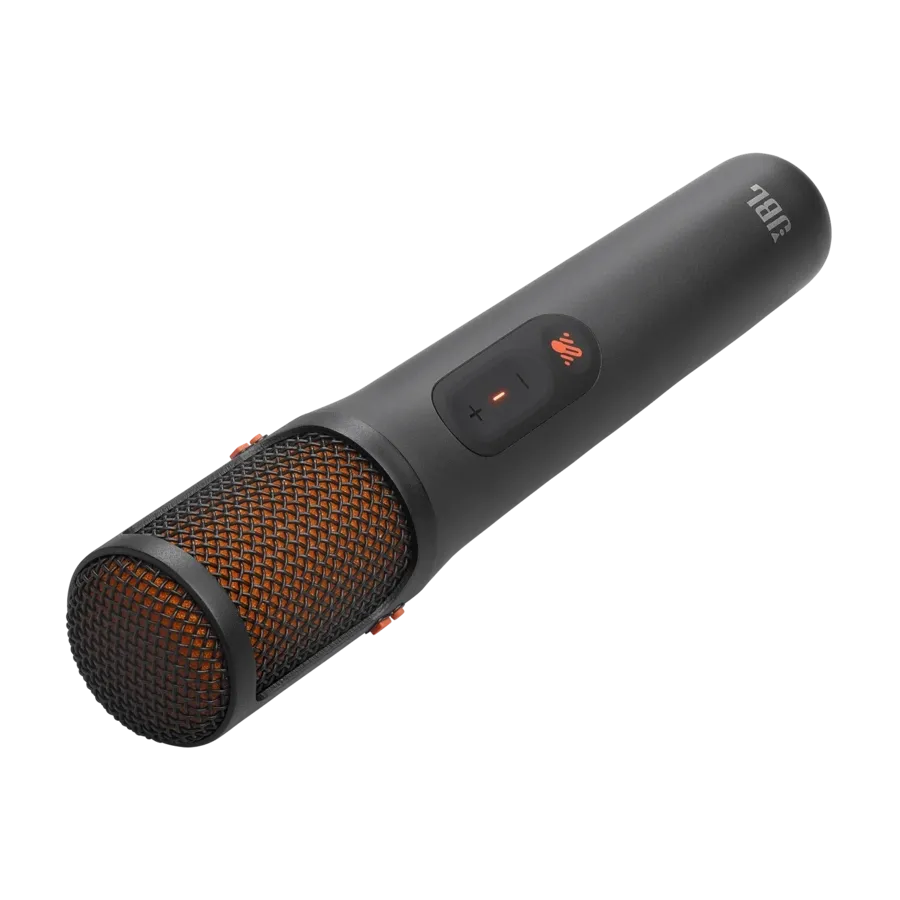
EasySing offers three vocal removal levels: 25 percent, 50 percent, and 100 percent, while its Voice Boost feature cuts background noise and adds reverb. The microphone delivers up to ten hours of continuous use on a single charge, according to JBL. A USB-C adapter enables pairing with other JBL speakers beyond the bundled PartyBox model.

The U.S. karaoke market, valued at $1.5 billion in 2024 (Emergen Research), is expanding as consumers seek portable, AI-enhanced experiences. Real-time pitch correction promises more confident performances without professional coaching, potentially increasing casual use among families and remote team gatherings.
AI features like real-time tuning are cited as primary growth drivers for karaoke hardware (Technavio via PR Newswire). However, JBL has not disclosed latency figures or whether the neural network runs entirely on device, raising privacy and performance questions.
Without clear latency data, singers may experience perceptible lag that could deter adoption beyond early enthusiasts. The lack of cloud-offload details also leaves privacy implications unresolved, especially for users concerned about voice data handling.
A two-microphone set of EasySing will be available separately for $200 starting April 12. As AI continues to permeate consumer audio, competitors like Apple Music's Sing feature are integrating adjustable vocals, suggesting broader industry movement toward AI-driven karaoke. Will EasySing's real-time tuning feel natural enough to become a household staple, or will latency concerns limit its appeal?