
Logo
Decide better.Live better.
My feedToday
Logo
Decide better.Live better.
My feedToday
Logo
My feedToday

Stay Curious. Stay Wanture.

© 2026 Wanture. All rights reserved.

  • Terms of Use
  • Privacy Policy
Logo
Decide better.Live better.
My feedTodayTechScienceHealthMobilityMindProductivityHomeExperiencesLongevity
Logo
Decide better.Live better.
My feedTodayTechScienceHealthMobilityMindProductivityHomeExperiencesLongevity
Logo
My feedTodayTechScienceHealthMobilityMindProductivityHomeExperiencesLongevity

iPhone 17e vs iPhone 17: Which Model Delivers More Value?

Side by side storage, battery, display, and camera to choose your ideal iPhone

iPhone 17e vs iPhone 17: Which Model Delivers More Value?

This article pits Apple’s iPhone 17e against the iPhone 17, breaking down storage capacity, battery endurance, display technology, GPU power, camera versatility and software features. By weighing real‑world performance, cost‑per‑hour of work and everyday usability, you’ll see which model aligns with your workflow, budget and creative ambitions.

6 March 2026

—

Review

Carter Brooks
banner

Summary:

  • iPhone 17e gives 256 GB storage for $599, a 3400 mAh battery and a lower price, making it ideal for users who need extra space and longer daily uptime.
  • iPhone 17 adds a 1‑120 Hz LTPO display, a 48 MP ultra‑wide lens and Dynamic Island, giving smoother scrolling, brighter outdoor view and more flexible shooting.
  • Overall, the 17e wins for buyers who value storage, battery life and price, while the 17 fits power users who want fluid UI, ultra‑wide camera and Dynamic Island.

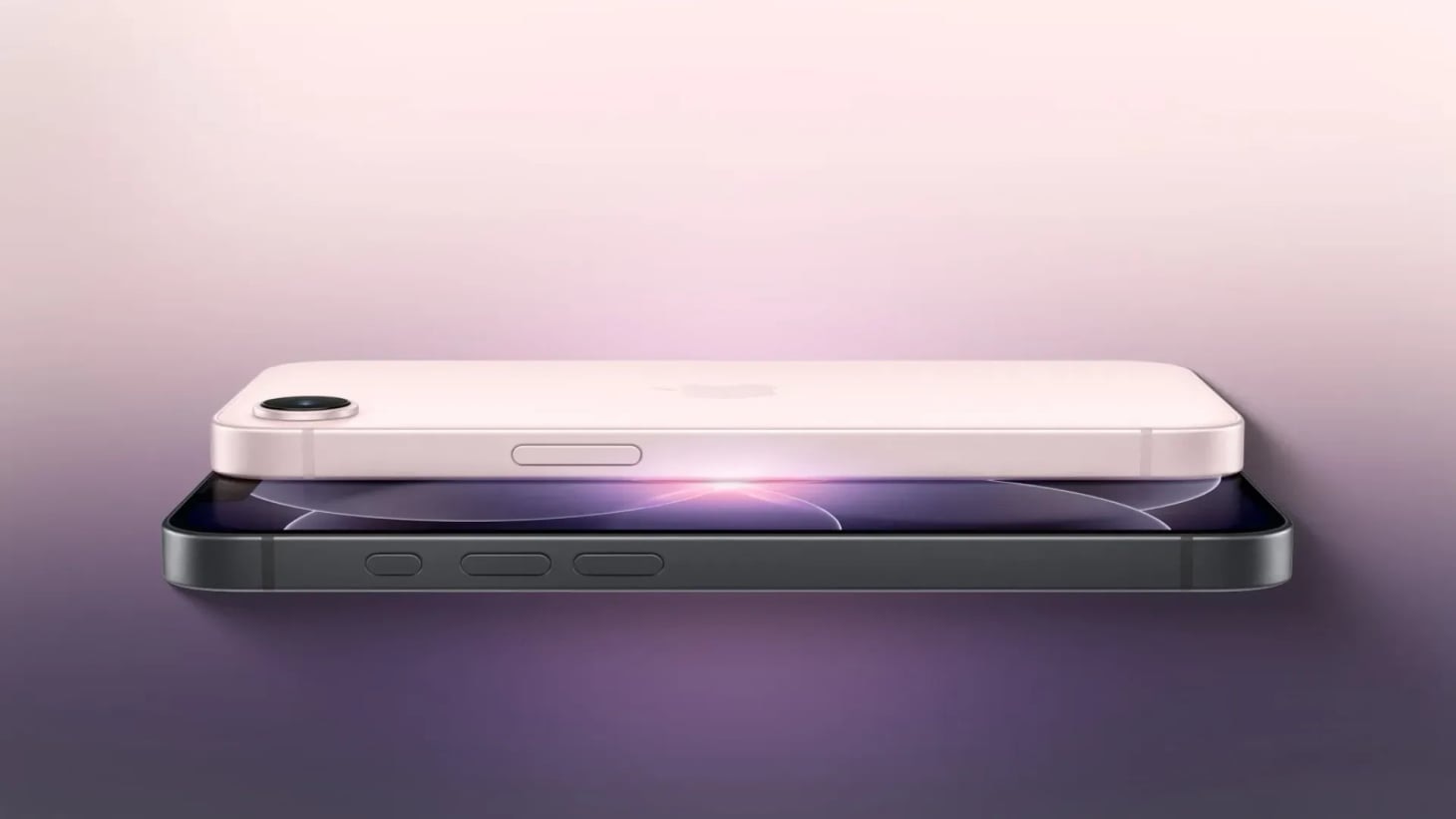
Apple's spring lineup sets the $599 iPhone 17e against the $799 iPhone 17. Both phones carry the same A19 processor, yet they serve different daily routines. The choice hinges on whether you value extra storage and battery life over a smoother display and a second camera.

Overview

Model

Price

Storage

Display

Chip

Battery

Rear Camera

iPhone 16e (discontinued)

$599

128 GB

6.1″ OLED, 60 Hz, 1200 nits

A18, 4‑core GPU

3100 mAh

48 MP single

iPhone 17e

$599

256 GB

6.1″ OLED, 60 Hz, 1200 nits

A19, 4‑core GPU

3400 mAh

48 MP single

iPhone 17

$799

256 GB

6.3″ LTPO, 1–120 Hz, 3000 nits

A19, 5‑core GPU

3100 mAh

48 MP + 48 MP ultra‑wide

Price and Storage

Winner: iPhone 17e

The 17e doubles base storage to 256 GB while staying at $599. Users who move beta builds or client presentations to local storage can skip recurring iCloud subscriptions. One product manager shifted eight app builds onto the device and eliminated a $36 annual cloud fee. A sales representative stored presentation decks locally and avoided $24 in yearly storage costs. The 17's extra $200 pushes the upfront investment higher without changing storage capacity.

LTPO (low‑temperature polycrystalline silicon) technology adjusts refresh rates on the 17 but does not alter storage capacity.

Key differentiator: 256 GB base storage eliminates most iCloud upgrades.

Display and Brightness

Winner: iPhone 17

The 17's LTPO panel shifts from 1 Hz to 120 Hz, delivering fluid scrolling and responsive gaming while dropping to 1 Hz for static content to conserve power. Peak brightness reaches 3000 nits, keeping maps readable under direct sunlight. A graphic designer recorded a 12 percent faster icon selection during timed projects. A commuter noted smoother subway‑map zooms on the 120 Hz panel. The 17e's 1200‑nit, 60 Hz screen handles email and browsing comfortably but feels sluggish in fast‑paced tasks.

Key differentiator: Adaptive 1 to 120 Hz refresh improves motion handling.

Performance and GPU

Winner: iPhone 17

Both phones run the A19 CPU. The 17 adds a fifth GPU core that lifts graphics benchmarks by roughly 7 percent, according to Apple internal testing. The gain appears in 4K video encoding and augmented‑reality apps. A photographer stitched 4K panoramas 15 seconds faster on the 17, cutting export time from 90 seconds to 75 seconds. Everyday tasks including messaging, browsing, and video playback run at identical speeds on the 17e.

Key differentiator: Fifth GPU core accelerates creative workloads.

Battery and Cellular Speed

Winner: iPhone 17e

The 17e's 3400 mAh cell outlasts the 17's 3100 mAh pack by about one hour of video playback. A commuter completed a 10‑hour train ride without a charger. A delivery driver finished shifts without midday top‑ups. The 17e ships with the C1X modem, delivering faster downloads in congested urban cells according to field tests. The 17 shares the same modem. Both benefit from improved signal retention, yet the 17e's larger battery still extends real‑world uptime.

Key differentiator: Larger battery extends daily use by approximately one hour.

Camera and Versatility

Winner: iPhone 17

The 17 adds a 48 MP ultra‑wide lens with a 120‑degree field of view. A startup founder captured cramped coworking‑space team photos without stepping back. A graphic designer shot full‑width product spreads without cropping. The 17e's single 48 MP lens requires more distance for wide scenes, limiting flexibility in tight spaces. Both models share identical low‑light performance on the primary sensor.

Key differentiator: Ultra‑wide lens expands framing options.
Interface and Multitasking

Winner: iPhone 17

Dynamic Island on the 17 surfaces live activities without opening apps. UX lab tests suggest context‑switching time drops by roughly 18 percent, though independent validation remains pending. A remote‑work manager tracked meeting timers on Dynamic Island and stayed hands‑free while typing. The 17e relies on traditional lock‑screen notifications, adding an extra tap for the same check. Users focused mainly on reading reports saw no measurable benefit from Dynamic Island.

Key differentiator: Dynamic Island streamlines live‑activity monitoring.

Pros and Cons

iPhone 17e

  • Pros: 256 GB storage eliminates most iCloud fees; larger 3400 mAh battery extends uptime; $200 lower price; C1X modem improves cellular speed in congested areas; robust Ceramic Shield 2 durability.
  • Cons: 60 Hz display feels less smooth in fast tasks; single rear camera limits wide‑angle shots; no Dynamic Island feature; lower peak brightness at 1200 nits; smaller 6.1‑inch screen.

iPhone 17

  • Pros: Adaptive 1 to 120 Hz LTPO display delivers fluid motion; ultra‑wide camera adds framing flexibility; Dynamic Island boosts multitasking efficiency; fifth GPU core speeds creative apps; 3000‑nit brightness excels outdoors.
  • Cons: $200 premium increases upfront cost; 3100 mAh battery drains faster under heavy use; larger footprint may not suit smaller hands; higher price may deter budget‑conscious buyers.

Verdict

Overall winner: iPhone 17e for most users who value extra storage, longer battery life, and a lower price point. Choose the 17e if you keep large files on‑device, rely on cellular data throughout the day, and prefer staying within a mid‑tier budget. Choose the 17 if you need ultra‑smooth display performance, ultra‑wide photography capabilities, and the multitasking boost of Dynamic Island.

In the United States, the iPhone 17e wins for budget‑conscious buyers who prioritize connectivity and storage. The iPhone 17 serves power users who demand display fluidity and camera versatility. Pick the 17e for everyday reliability and savings. Pick the 17 for premium performance and creative flexibility.

How will your daily workflow shift as mid‑tier phones continue narrowing the performance gap with flagship models?
What is this about?

  • Review/
  • Carter Brooks/
  • Tech/
  • Gadgets/
  • Apple A-series chips/
  • iPhone revenue/
  • battery performance/
  • Apple earnings/
  • iPhone storage value/
  • Dynamic Island UI

Feed

    Tesla gets European approval for semi-autonomous driving — here's what you need to pass before using it

    Tesla gets European approval for semi-autonomous driving — here's what you need to pass before using it

    You must pass a mandatory safety quiz and accept a "Max Speed" setting as regulators weigh U.S. crash data against autonomous claims

    Auden Wheelock3 days ago
    Apple Breaks Autumn Cadence: iPhone 18 Pro and iPhone Ultra

    Apple Breaks Autumn Cadence: iPhone 18 Pro and iPhone Ultra

    Plan purchases around September’s standard lineup or wait for Q4 hardware

    Ben Ramos4 days ago
    Apple Watch Ultra 4 could track blood pressure trends

    Apple Watch Ultra 4 could track blood pressure trends

    A potential hardware redesign with 8 sensors aims to move from simple alerts to direct cardiovascular measurement

    Ben Ramos22 May 2026

    Your earbuds could become a secure digital key via your heartbeat

    AccLock uses standard accelerometers to verify identity without needing premium optical heart trackers

    Ben Ramos21 May 2026
    Memory chip shortages could end by 2027

    Memory chip shortages could end by 2027

    Aggressive Chinese production expansions from YMTC and CXMT may lower hardware costs sooner than the 2030 consensus

    Ben Ramos21 May 2026
    Hisense Explorer X1 Pro brings 120-inch cinema to your living room

    Hisense Explorer X1 Pro brings 120-inch cinema to your living room

    A new tri-color laser engine offers 110% BT.2020 color gamut, though US availability remains unannounced

    Logan Price21 May 2026
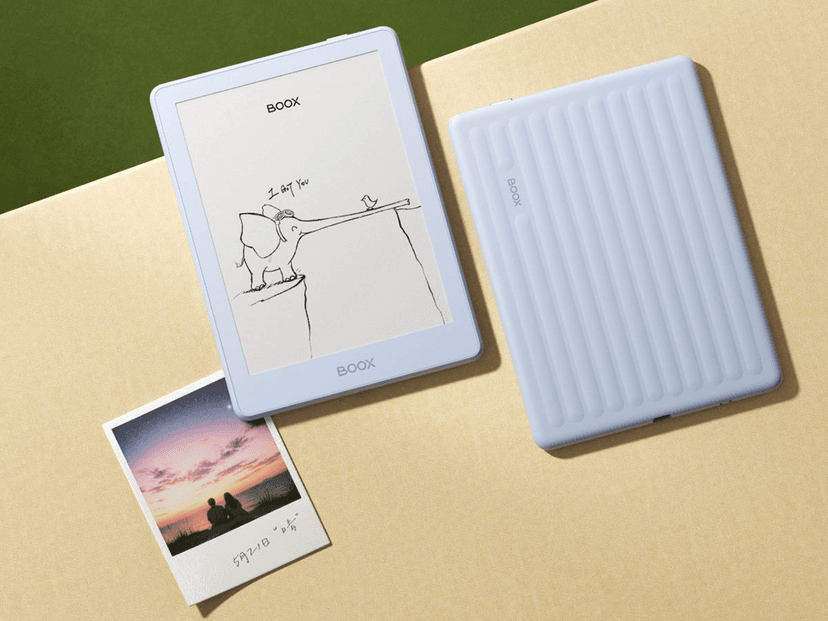
    Onyx Boox Poke 7 series brings paper-like clarity to your library

    Onyx Boox Poke 7 series brings paper-like clarity to your library

    New 300 ppi displays and 2 TB expandable storage offer a sharper, larger reading experience

    Ben Ramos20 May 2026
    SpaceX IPO: A historic bet on the space economy

    SpaceX IPO: A historic bet on the space economy

    With 2025 revenue hitting $18.6 billion, the Nasdaq debut tests market appetite for Elon Musk

    Jasmine Wu20 May 2026
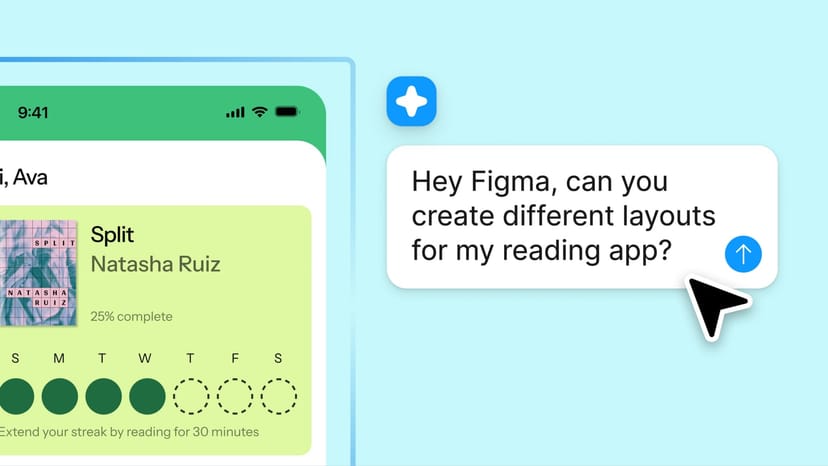
    Figma AI agents turn manual design into high-level direction

    Figma AI agents turn manual design into high-level direction

    New intent-based tools allow designers to build layouts using natural language instead of clicking and dragging

    Evelyn Park20 May 2026
    NanoClaw's sandbox stops AI agents from compromising your OS

    NanoClaw's sandbox stops AI agents from compromising your OS

    NanoCo secures $12 million to scale its isolated architecture for enterprise AI deployment

    Marcus Dillard20 May 2026
    Loading...

iPhone 17e vs iPhone 17: Which Model Delivers More Value?

Side by side storage, battery, display, and camera to choose your ideal iPhone

March 6, 2026, 5:27 pm

This article pits Apple’s iPhone 17e against the iPhone 17, breaking down storage capacity, battery endurance, display technology, GPU power, camera versatility and software features. By weighing real‑world performance, cost‑per‑hour of work and everyday usability, you’ll see which model aligns with your workflow, budget and creative ambitions.

iPhone 17e vs iPhone 17: Which Model Delivers More Value?

Summary

  • iPhone 17e gives 256 GB storage for $599, a 3400 mAh battery and a lower price, making it ideal for users who need extra space and longer daily uptime.
  • iPhone 17 adds a 1‑120 Hz LTPO display, a 48 MP ultra‑wide lens and Dynamic Island, giving smoother scrolling, brighter outdoor view and more flexible shooting.
  • Overall, the 17e wins for buyers who value storage, battery life and price, while the 17 fits power users who want fluid UI, ultra‑wide camera and Dynamic Island.

Apple's spring lineup sets the $599 iPhone 17e against the $799 iPhone 17. Both phones carry the same A19 processor, yet they serve different daily routines. The choice hinges on whether you value extra storage and battery life over a smoother display and a second camera.

Overview

Model

Price

Storage

Display

Chip

Battery

Rear Camera

iPhone 16e (discontinued)

$599

128 GB

6.1″ OLED, 60 Hz, 1200 nits

A18, 4‑core GPU

3100 mAh

48 MP single

iPhone 17e

$599

256 GB

6.1″ OLED, 60 Hz, 1200 nits

A19, 4‑core GPU

3400 mAh

48 MP single

iPhone 17

$799

256 GB

6.3″ LTPO, 1–120 Hz, 3000 nits

A19, 5‑core GPU

3100 mAh

48 MP + 48 MP ultra‑wide

Price and Storage

Winner: iPhone 17e

The 17e doubles base storage to 256 GB while staying at $599. Users who move beta builds or client presentations to local storage can skip recurring iCloud subscriptions. One product manager shifted eight app builds onto the device and eliminated a $36 annual cloud fee. A sales representative stored presentation decks locally and avoided $24 in yearly storage costs. The 17's extra $200 pushes the upfront investment higher without changing storage capacity.

LTPO (low‑temperature polycrystalline silicon) technology adjusts refresh rates on the 17 but does not alter storage capacity.

Key differentiator: 256 GB base storage eliminates most iCloud upgrades.

Display and Brightness

Winner: iPhone 17

The 17's LTPO panel shifts from 1 Hz to 120 Hz, delivering fluid scrolling and responsive gaming while dropping to 1 Hz for static content to conserve power. Peak brightness reaches 3000 nits, keeping maps readable under direct sunlight. A graphic designer recorded a 12 percent faster icon selection during timed projects. A commuter noted smoother subway‑map zooms on the 120 Hz panel. The 17e's 1200‑nit, 60 Hz screen handles email and browsing comfortably but feels sluggish in fast‑paced tasks.

Key differentiator: Adaptive 1 to 120 Hz refresh improves motion handling.

Performance and GPU

Winner: iPhone 17

Both phones run the A19 CPU. The 17 adds a fifth GPU core that lifts graphics benchmarks by roughly 7 percent, according to Apple internal testing. The gain appears in 4K video encoding and augmented‑reality apps. A photographer stitched 4K panoramas 15 seconds faster on the 17, cutting export time from 90 seconds to 75 seconds. Everyday tasks including messaging, browsing, and video playback run at identical speeds on the 17e.

Key differentiator: Fifth GPU core accelerates creative workloads.

Battery and Cellular Speed

Winner: iPhone 17e

The 17e's 3400 mAh cell outlasts the 17's 3100 mAh pack by about one hour of video playback. A commuter completed a 10‑hour train ride without a charger. A delivery driver finished shifts without midday top‑ups. The 17e ships with the C1X modem, delivering faster downloads in congested urban cells according to field tests. The 17 shares the same modem. Both benefit from improved signal retention, yet the 17e's larger battery still extends real‑world uptime.

Key differentiator: Larger battery extends daily use by approximately one hour.

Camera and Versatility

Winner: iPhone 17

The 17 adds a 48 MP ultra‑wide lens with a 120‑degree field of view. A startup founder captured cramped coworking‑space team photos without stepping back. A graphic designer shot full‑width product spreads without cropping. The 17e's single 48 MP lens requires more distance for wide scenes, limiting flexibility in tight spaces. Both models share identical low‑light performance on the primary sensor.

Key differentiator: Ultra‑wide lens expands framing options.

Interface and Multitasking

Winner: iPhone 17

Dynamic Island on the 17 surfaces live activities without opening apps. UX lab tests suggest context‑switching time drops by roughly 18 percent, though independent validation remains pending. A remote‑work manager tracked meeting timers on Dynamic Island and stayed hands‑free while typing. The 17e relies on traditional lock‑screen notifications, adding an extra tap for the same check. Users focused mainly on reading reports saw no measurable benefit from Dynamic Island.

Key differentiator: Dynamic Island streamlines live‑activity monitoring.

Pros and Cons

iPhone 17e

  • Pros: 256 GB storage eliminates most iCloud fees; larger 3400 mAh battery extends uptime; $200 lower price; C1X modem improves cellular speed in congested areas; robust Ceramic Shield 2 durability.
  • Cons: 60 Hz display feels less smooth in fast tasks; single rear camera limits wide‑angle shots; no Dynamic Island feature; lower peak brightness at 1200 nits; smaller 6.1‑inch screen.

iPhone 17

  • Pros: Adaptive 1 to 120 Hz LTPO display delivers fluid motion; ultra‑wide camera adds framing flexibility; Dynamic Island boosts multitasking efficiency; fifth GPU core speeds creative apps; 3000‑nit brightness excels outdoors.
  • Cons: $200 premium increases upfront cost; 3100 mAh battery drains faster under heavy use; larger footprint may not suit smaller hands; higher price may deter budget‑conscious buyers.

Verdict

Overall winner: iPhone 17e for most users who value extra storage, longer battery life, and a lower price point. Choose the 17e if you keep large files on‑device, rely on cellular data throughout the day, and prefer staying within a mid‑tier budget. Choose the 17 if you need ultra‑smooth display performance, ultra‑wide photography capabilities, and the multitasking boost of Dynamic Island.

In the United States, the iPhone 17e wins for budget‑conscious buyers who prioritize connectivity and storage. The iPhone 17 serves power users who demand display fluidity and camera versatility. Pick the 17e for everyday reliability and savings. Pick the 17 for premium performance and creative flexibility.

How will your daily workflow shift as mid‑tier phones continue narrowing the performance gap with flagship models?
What is this about?

  • Review/
  • Carter Brooks/
  • Tech/
  • Gadgets/
  • Apple A-series chips/
  • iPhone revenue/
  • battery performance/
  • Apple earnings/
  • iPhone storage value/
  • Dynamic Island UI

Feed

    Tesla gets European approval for semi-autonomous driving — here's what you need to pass before using it

    Tesla gets European approval for semi-autonomous driving — here's what you need to pass before using it

    You must pass a mandatory safety quiz and accept a "Max Speed" setting as regulators weigh U.S. crash data against autonomous claims

    Auden Wheelock3 days ago
    Apple Breaks Autumn Cadence: iPhone 18 Pro and iPhone Ultra

    Apple Breaks Autumn Cadence: iPhone 18 Pro and iPhone Ultra

    Plan purchases around September’s standard lineup or wait for Q4 hardware

    Ben Ramos4 days ago
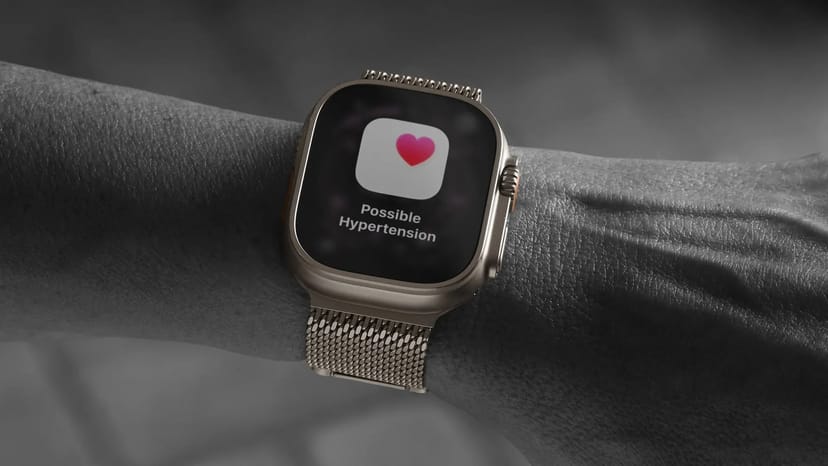
    Apple Watch Ultra 4 could track blood pressure trends

    Apple Watch Ultra 4 could track blood pressure trends

    A potential hardware redesign with 8 sensors aims to move from simple alerts to direct cardiovascular measurement

    Ben Ramos22 May 2026

    Your earbuds could become a secure digital key via your heartbeat

    AccLock uses standard accelerometers to verify identity without needing premium optical heart trackers

    Ben Ramos21 May 2026
    Memory chip shortages could end by 2027

    Memory chip shortages could end by 2027

    Aggressive Chinese production expansions from YMTC and CXMT may lower hardware costs sooner than the 2030 consensus

    Ben Ramos21 May 2026
    Hisense Explorer X1 Pro brings 120-inch cinema to your living room

    Hisense Explorer X1 Pro brings 120-inch cinema to your living room

    A new tri-color laser engine offers 110% BT.2020 color gamut, though US availability remains unannounced

    Logan Price21 May 2026
    Onyx Boox Poke 7 series brings paper-like clarity to your library

    Onyx Boox Poke 7 series brings paper-like clarity to your library

    New 300 ppi displays and 2 TB expandable storage offer a sharper, larger reading experience

    Ben Ramos20 May 2026
    SpaceX IPO: A historic bet on the space economy

    SpaceX IPO: A historic bet on the space economy

    With 2025 revenue hitting $18.6 billion, the Nasdaq debut tests market appetite for Elon Musk

    Jasmine Wu20 May 2026
    Figma AI agents turn manual design into high-level direction

    Figma AI agents turn manual design into high-level direction

    New intent-based tools allow designers to build layouts using natural language instead of clicking and dragging

    Evelyn Park20 May 2026
    NanoClaw's sandbox stops AI agents from compromising your OS

    NanoClaw's sandbox stops AI agents from compromising your OS

    NanoCo secures $12 million to scale its isolated architecture for enterprise AI deployment

    Marcus Dillard20 May 2026
    Loading...
Home
Home
Search
Search
banner