OpenAI's next-generation image model has appeared unexpectedly on a public testing platform, offering a glimpse of capabilities that could significantly streamline creative workflows. First spotted on Chatbot Arena under the code names maskingtape-alpha, gaffertape-alpha, and packingtape-alpha, what appears to be GPT Image 2 showcased major improvements in UI design, game graphics, and photorealistic rendering before being pulled from public access.
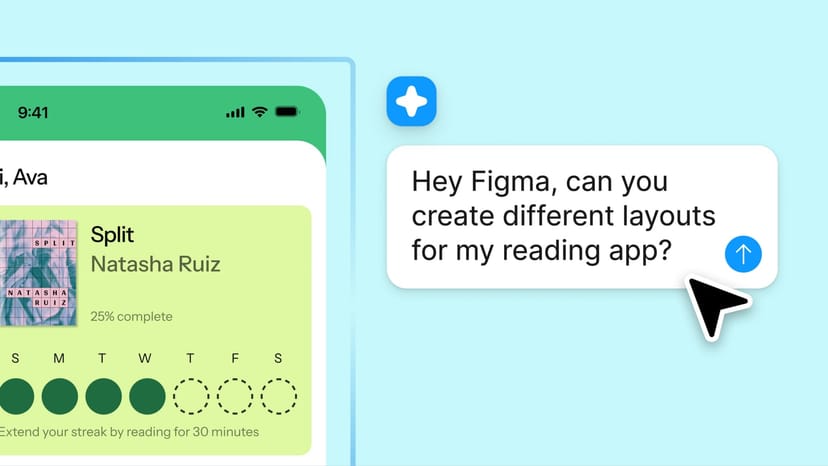
The leaked examples demonstrate GPT Image 2 handling challenging use cases. Approximately two dozen images circulating online show user-interface mockups with clean, professional styling; video-game graphics with sharp edges and proper lighting; and portraits with photorealistic quality. Most notably, the model appears to render embedded text accurately, addressing a significant weakness in GPT Image 1.5, which was released in December 2025. Informal comparisons from early observers suggest many outputs achieve over 90 percent similarity to actual screenshots, indicating substantial progress in visual fidelity.
For designers, marketers, and independent developers across the United States, this quality improvement could significantly reduce iteration time on visual projects. High-fidelity prototypes traditionally require expensive software licenses and specialized skills: capabilities that a text-prompt interface could make more accessible. This development aligns with growing demand for faster, more democratized creative tools. If GPT Image 2 delivers on its leaked promise, it could reshape workflows from Brooklyn design studios to Bay Area startups, enabling broader participation in visual content creation.
Early observers have identified notable limitations. The model appears to struggle with factual accuracy in complex subjects: one leaked anatomy image invented details that looked plausible but were incorrect. Content moderation also shows inconsistencies. One world map replaced the country name "Niger" with "Ciger," suggesting the filtering system may be over-correcting to avoid potentially sensitive terms. While not fundamental flaws, these issues highlight ongoing challenges in balancing AI capabilities with accuracy and appropriate content controls.
OpenAI has not confirmed an official release date or acknowledged the leaked model. However, the appearance on Chatbot Arena suggests active development and testing. Industry observers anticipate a formal announcement later in 2026, which could accelerate adoption across creative technology companies nationwide. In the meantime, creators should continue exploring available tools while remaining aware of current limitations around factual accuracy and content moderation. As this technology matures, it has the potential to reshape how visual content is created, from initial concept through final production.