Logo
Decide better.Live better.
My feedToday
Logo
Decide better.Live better.
My feedToday
Logo
My feedToday

Stay Curious. Stay Wanture.

© 2026 Wanture. All rights reserved.

  • Terms of Use
  • Privacy Policy
Logo
Decide better.Live better.
My feedTodayTechScienceHealthMobilityMindProductivityHomeExperiencesLongevity
Logo
Decide better.Live better.
My feedTodayTechScienceHealthMobilityMindProductivityHomeExperiencesLongevity
Logo
My feedTodayTechScienceHealthMobilityMindProductivityHomeExperiencesLongevity

Google and Microsoft launch no-code AI app builders

7 November 2025

—

News

Jordan McAllister

Google and Microsoft released no-code AI app builders that let anyone create software using plain-language prompts—no developer required.

What's new: Google integrated an app builder into AI Studio. Users describe what they want in conversational English, and the platform generates it. Changes happen through text instructions. The system connects to Gemini for AI responses, generates images through Imagen, and adds voice synthesis.

Microsoft launched two tools through Copilot for Microsoft 365. App Builder creates dashboards, calculators, and organizational lists. Workflows automates email campaigns, status updates, and calendar reminders. Both respond to conversational instructions.

The big picture: This puts Google and Microsoft in direct competition with OpenAI and Anthropic, which pioneered conversational app development.

OpenAI's Custom GPTs—personalized AI assistants built through a wizard interface—let users connect Google Drive, GitHub, and SharePoint to create workflow tools without code.

Anthropic's Claude Artifacts goes further. Users build, edit, and share games, data analyzers, tutors, and interfaces directly from chat. A live preview appears alongside the conversation. Shared users don't need API keys (digital passwords that connect services); usage charges to individual accounts.

Reality check: Consider the possibilities: A Phoenix small business owner could build a customer intake form in eight minutes. A rural Montana teacher could create a personalized math tutor. A Denver freelancer could automate client proposal generation.

Why it matters: The barrier to solving problems just collapsed. What required hiring a developer or learning to code now takes a conversation. The interface isn't a text editor anymore—it's a dialogue.

But complex logic, custom backends, and production-grade systems still need human expertise. These tools excel at prototyping, automating repetitive work, and letting non-technical users address their own needs.

Between the lines: OpenAI and Anthropic moved first and built sophisticated creation environments. Google and Microsoft arrived later but control distribution—their tools sit inside platforms millions use daily. Integration beats innovation when the friction disappears.

The bottom line: The app-building process is becoming as simple as ordering from a drive-thru menu: describe what you want, get it, adjust if needed. The companies that make this feel effortless—not just possible—will capture the next wave of creators who never saw themselves as developers.

What's next: What happens when every knowledge worker can automate their own workflows? When teachers build custom learning tools between classes? When small business owners prototype solutions over lunch? The answers are being written right now, one conversation at a time.


What is this about?

  • News
  • Jordan McAllister
  • Tech
  • Software

Feed

    Tesla gets European approval for semi-autonomous driving — here's what you need to pass before using it

    Tesla gets European approval for semi-autonomous driving — here's what you need to pass before using it

    You must pass a mandatory safety quiz and accept a "Max Speed" setting as regulators weigh U.S. crash data against autonomous claims

    Auden Wheelock3 days ago
    Apple Breaks Autumn Cadence: iPhone 18 Pro and iPhone Ultra

    Apple Breaks Autumn Cadence: iPhone 18 Pro and iPhone Ultra

    Plan purchases around September’s standard lineup or wait for Q4 hardware

    Ben Ramos5 days ago
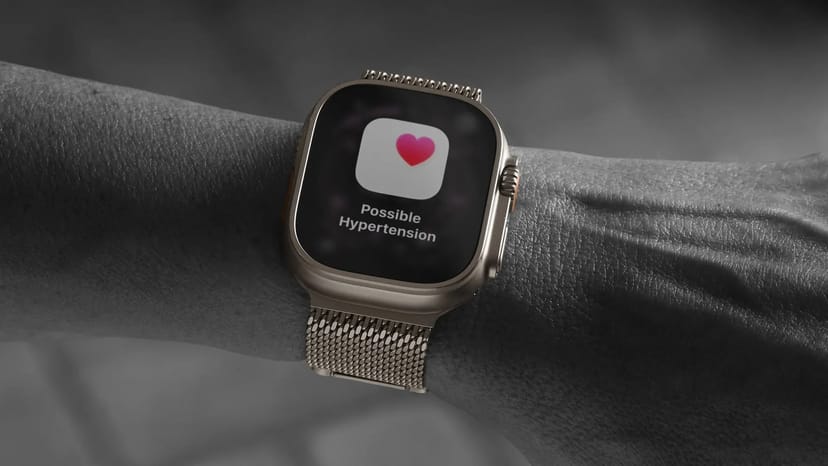
    Apple Watch Ultra 4 could track blood pressure trends

    Apple Watch Ultra 4 could track blood pressure trends

    A potential hardware redesign with 8 sensors aims to move from simple alerts to direct cardiovascular measurement

    Ben Ramos22 May 2026

    Your earbuds could become a secure digital key via your heartbeat

    AccLock uses standard accelerometers to verify identity without needing premium optical heart trackers

    Ben Ramos21 May 2026
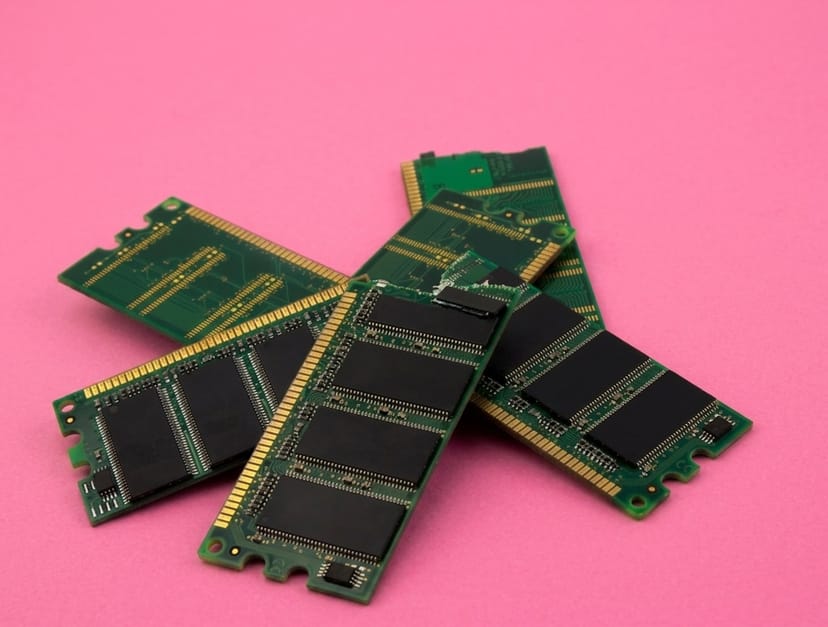
    Memory chip shortages could end by 2027

    Memory chip shortages could end by 2027

    Aggressive Chinese production expansions from YMTC and CXMT may lower hardware costs sooner than the 2030 consensus

    Ben Ramos21 May 2026
    Hisense Explorer X1 Pro brings 120-inch cinema to your living room

    Hisense Explorer X1 Pro brings 120-inch cinema to your living room

    A new tri-color laser engine offers 110% BT.2020 color gamut, though US availability remains unannounced

    Logan Price21 May 2026
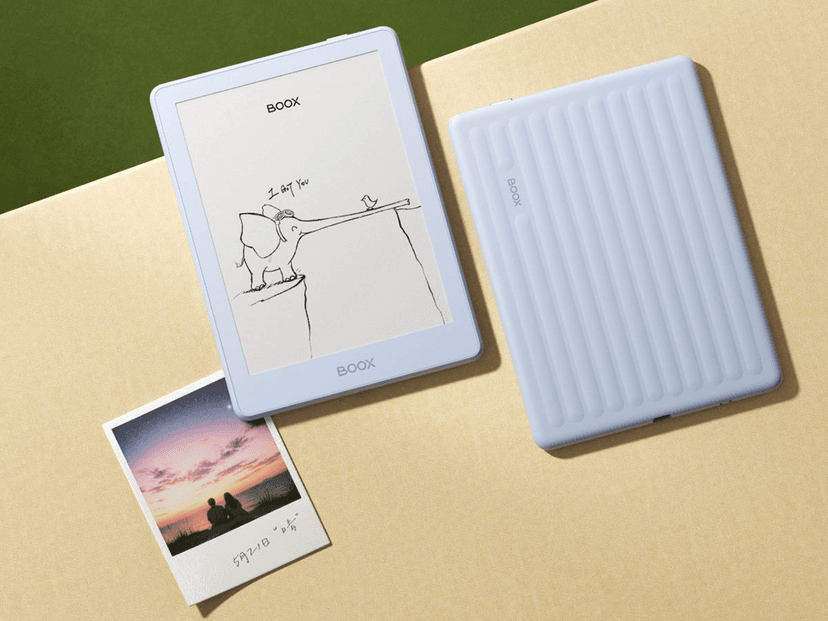
    Onyx Boox Poke 7 series brings paper-like clarity to your library

    Onyx Boox Poke 7 series brings paper-like clarity to your library

    New 300 ppi displays and 2 TB expandable storage offer a sharper, larger reading experience

    Ben Ramos20 May 2026
    SpaceX IPO: A historic bet on the space economy

    SpaceX IPO: A historic bet on the space economy

    With 2025 revenue hitting $18.6 billion, the Nasdaq debut tests market appetite for Elon Musk

    Jasmine Wu20 May 2026
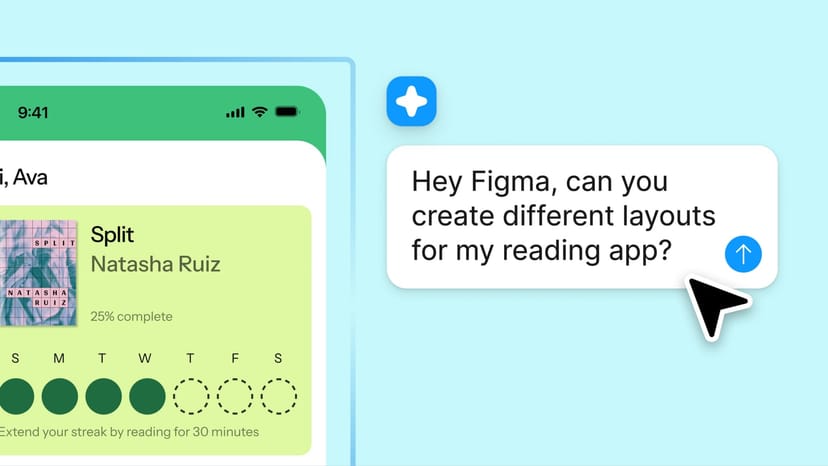
    Figma AI agents turn manual design into high-level direction

    Figma AI agents turn manual design into high-level direction

    New intent-based tools allow designers to build layouts using natural language instead of clicking and dragging

    Evelyn Park20 May 2026
    NanoClaw's sandbox stops AI agents from compromising your OS

    NanoClaw's sandbox stops AI agents from compromising your OS

    NanoCo secures $12 million to scale its isolated architecture for enterprise AI deployment

    Marcus Dillard20 May 2026
    Loading...

Google and Microsoft launch no-code AI app builders

7 November 2025

—

News

Jordan McAllister

Google and Microsoft released no-code AI app builders that let anyone create software using plain-language prompts—no developer required.

What's new: Google integrated an app builder into AI Studio. Users describe what they want in conversational English, and the platform generates it. Changes happen through text instructions. The system connects to Gemini for AI responses, generates images through Imagen, and adds voice synthesis.

Microsoft launched two tools through Copilot for Microsoft 365. App Builder creates dashboards, calculators, and organizational lists. Workflows automates email campaigns, status updates, and calendar reminders. Both respond to conversational instructions.

The big picture: This puts Google and Microsoft in direct competition with OpenAI and Anthropic, which pioneered conversational app development.

OpenAI's Custom GPTs—personalized AI assistants built through a wizard interface—let users connect Google Drive, GitHub, and SharePoint to create workflow tools without code.

Anthropic's Claude Artifacts goes further. Users build, edit, and share games, data analyzers, tutors, and interfaces directly from chat. A live preview appears alongside the conversation. Shared users don't need API keys (digital passwords that connect services); usage charges to individual accounts.

Reality check: Consider the possibilities: A Phoenix small business owner could build a customer intake form in eight minutes. A rural Montana teacher could create a personalized math tutor. A Denver freelancer could automate client proposal generation.

Why it matters: The barrier to solving problems just collapsed. What required hiring a developer or learning to code now takes a conversation. The interface isn't a text editor anymore—it's a dialogue.

But complex logic, custom backends, and production-grade systems still need human expertise. These tools excel at prototyping, automating repetitive work, and letting non-technical users address their own needs.

Between the lines: OpenAI and Anthropic moved first and built sophisticated creation environments. Google and Microsoft arrived later but control distribution—their tools sit inside platforms millions use daily. Integration beats innovation when the friction disappears.

The bottom line: The app-building process is becoming as simple as ordering from a drive-thru menu: describe what you want, get it, adjust if needed. The companies that make this feel effortless—not just possible—will capture the next wave of creators who never saw themselves as developers.

What's next: What happens when every knowledge worker can automate their own workflows? When teachers build custom learning tools between classes? When small business owners prototype solutions over lunch? The answers are being written right now, one conversation at a time.
What is this about?

  • News/
  • Jordan McAllister/
  • Tech/
  • Software

Feed

    Tesla gets European approval for semi-autonomous driving — here's what you need to pass before using it

    Tesla gets European approval for semi-autonomous driving — here's what you need to pass before using it

    You must pass a mandatory safety quiz and accept a "Max Speed" setting as regulators weigh U.S. crash data against autonomous claims

    Auden Wheelock3 days ago
    Apple Breaks Autumn Cadence: iPhone 18 Pro and iPhone Ultra

    Apple Breaks Autumn Cadence: iPhone 18 Pro and iPhone Ultra

    Plan purchases around September’s standard lineup or wait for Q4 hardware

    Ben Ramos5 days ago
    Apple Watch Ultra 4 could track blood pressure trends

    Apple Watch Ultra 4 could track blood pressure trends

    A potential hardware redesign with 8 sensors aims to move from simple alerts to direct cardiovascular measurement

    Ben Ramos22 May 2026

    Your earbuds could become a secure digital key via your heartbeat

    AccLock uses standard accelerometers to verify identity without needing premium optical heart trackers

    Ben Ramos21 May 2026
    Memory chip shortages could end by 2027

    Memory chip shortages could end by 2027

    Aggressive Chinese production expansions from YMTC and CXMT may lower hardware costs sooner than the 2030 consensus

    Ben Ramos21 May 2026
    Hisense Explorer X1 Pro brings 120-inch cinema to your living room

    Hisense Explorer X1 Pro brings 120-inch cinema to your living room

    A new tri-color laser engine offers 110% BT.2020 color gamut, though US availability remains unannounced

    Logan Price21 May 2026
    Onyx Boox Poke 7 series brings paper-like clarity to your library

    Onyx Boox Poke 7 series brings paper-like clarity to your library

    New 300 ppi displays and 2 TB expandable storage offer a sharper, larger reading experience

    Ben Ramos20 May 2026
    SpaceX IPO: A historic bet on the space economy

    SpaceX IPO: A historic bet on the space economy

    With 2025 revenue hitting $18.6 billion, the Nasdaq debut tests market appetite for Elon Musk

    Jasmine Wu20 May 2026
    Figma AI agents turn manual design into high-level direction

    Figma AI agents turn manual design into high-level direction

    New intent-based tools allow designers to build layouts using natural language instead of clicking and dragging

    Evelyn Park20 May 2026
    NanoClaw's sandbox stops AI agents from compromising your OS

    NanoClaw's sandbox stops AI agents from compromising your OS

    NanoCo secures $12 million to scale its isolated architecture for enterprise AI deployment

    Marcus Dillard20 May 2026
    Loading...
Home
Home
Search
Search