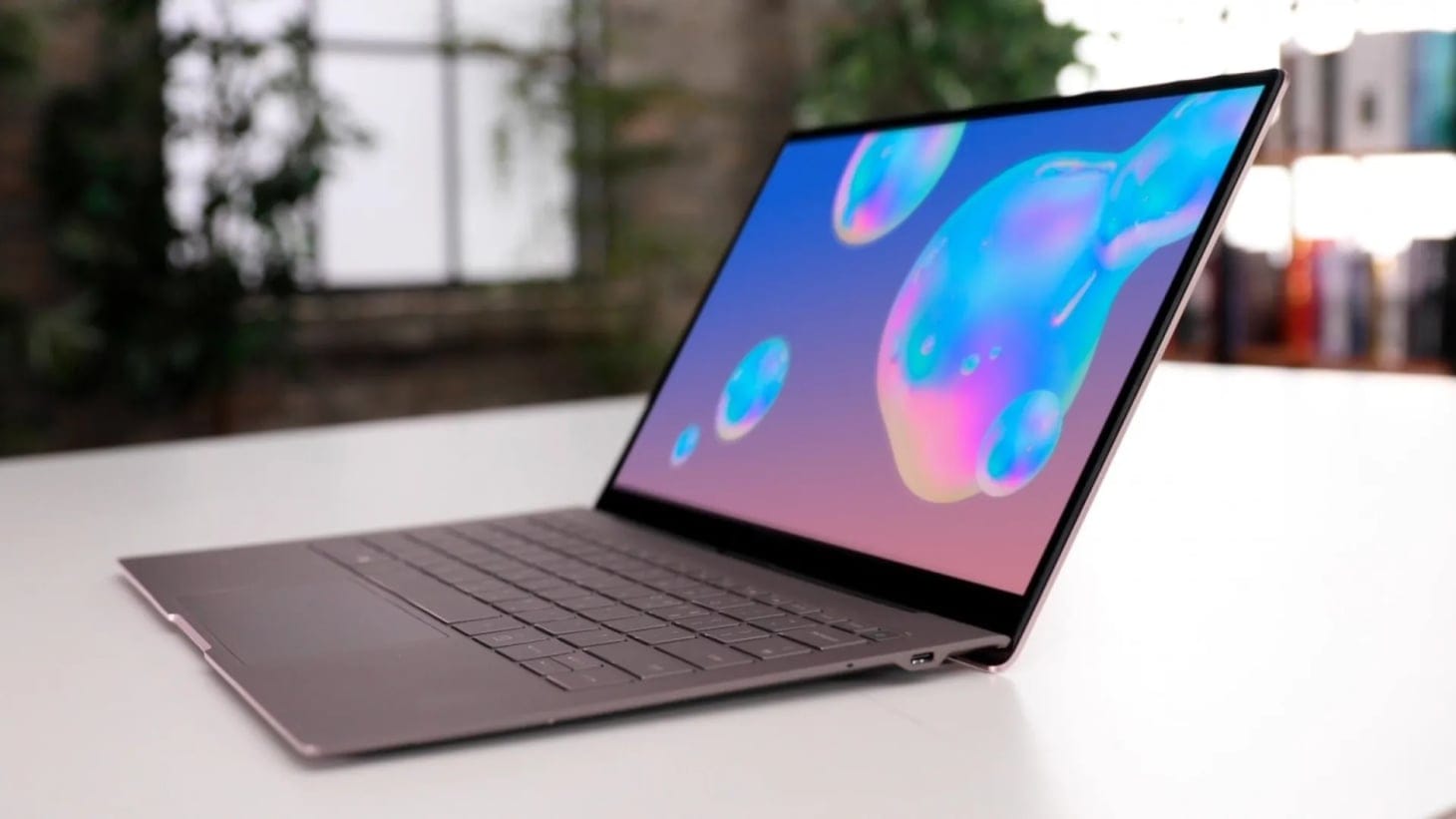

Samsung's preinstalled Galaxy Connect app locked the C: drive on Windows laptops on February 10, 2026, blocking file access and fingerprint logins on multiple Galaxy Book models.
What happened: Microsoft opened an investigation on March 13, 2026, and pulled the app from the Microsoft Store on March 14 after confirming Galaxy Connect caused the lockout, not the February security patch, according to the Microsoft Windows Release Health Page.
Why it matters: IT teams spent hours chasing phantom Windows bugs, delaying support tickets and inflating operational costs while users lost basic file management and biometric login.
What broke: Galaxy Connect, a display-mirroring utility that ships with Samsung laptops, corrupted NTFS permissions on the C: drive. The corruption denied read/write access, stopped File Explorer operations, and disabled fingerprint scanner authentication.
The fix: Uninstall Galaxy Connect through Settings, then Apps, or run wmic product where name="Galaxy Connect" call uninstall from an elevated command prompt. Restart the device, then open File Explorer properties for the C: drive to verify full access. Microsoft advises contacting Samsung support for assistance rather than manually changing permissions, per Samsung Support documentation.
What to watch: Samsung republished a stable previous version of Galaxy Connect while working on a permanent remediation with Microsoft. Administrators should audit Samsung laptops for residual registry entries, confirm the app is removed, verify backup access protocols remain active, and monitor future updates to prevent similar bloatware disruptions.