
• My Feed
  • Home
  • What's Important
  • Media & Entertainment
Search

Stay Curious. Stay Wanture.

© 2026 Wanture. All rights reserved.

  • Terms of Use
  • Privacy Policy
Health/Mental
The Science Behind Mindfulness Meditation

What clinical research actually shows about stress, anxiety, and mental health

12 December 2025

—

Explainer *

Nina Patel
banner

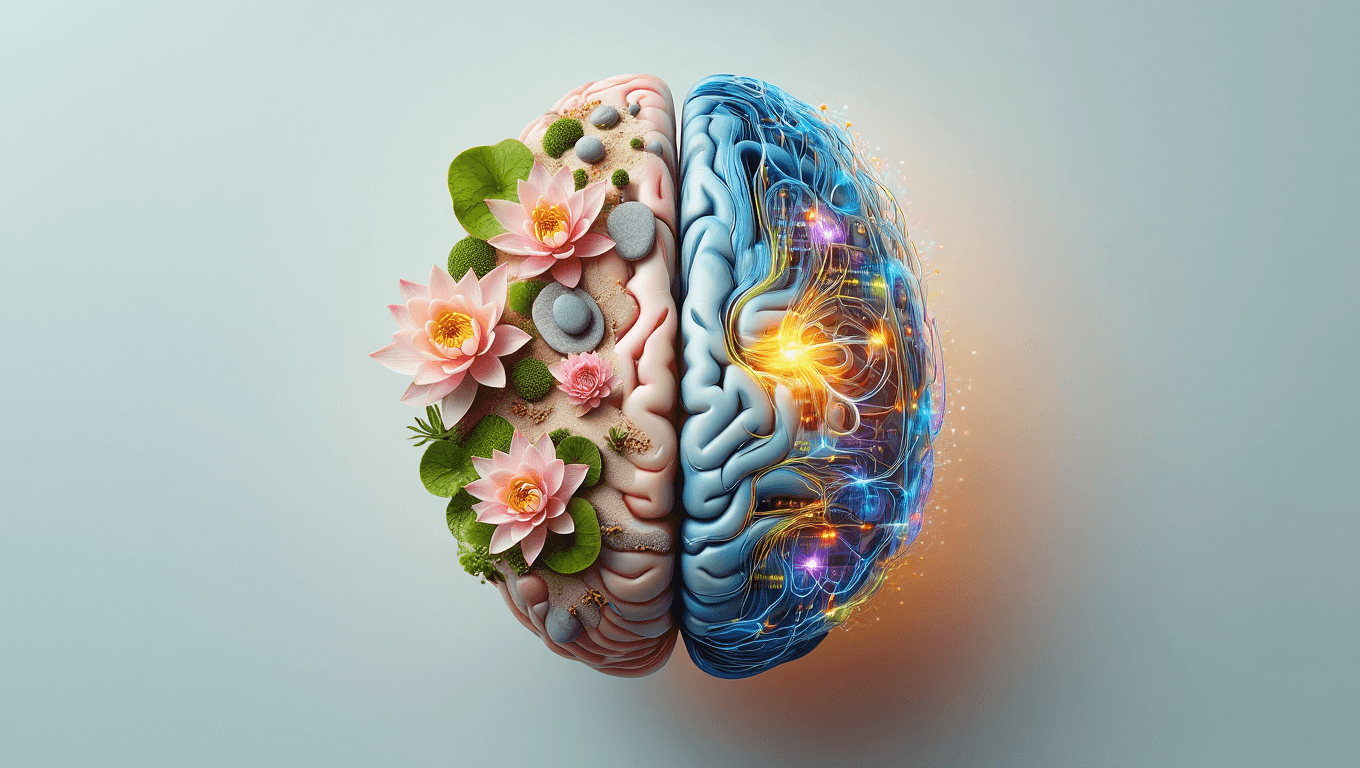
Mindfulness meditation promises transformation, but what does the science really say? A closer look at clinical trials reveals moderate, proven benefits for anxiety, depression, and pain management—not miraculous cures. From brain changes to workplace applications, here's what actually works, what doesn't, and why realistic expectations matter more than the hype.

image-103

Summary:

  • Mindfulness is a scientifically-backed practice that helps manage stress by training attention and reducing the body's chronic fight-or-flight response.
  • Research shows moderate benefits for anxiety, depression, and pain management, with effect sizes comparable to antidepressant medications.
  • Mindfulness requires realistic expectations: it's a helpful mental health tool, not a universal cure, and needs qualified instruction to be effective.

Mindfulness apps dominate U.S. wellness spending. Many promise transformation. The science shows something different. And more useful.

What It Is

Mindfulness is paying attention to present-moment experience without judgment. You're not emptying your mind. You're observing thoughts and emotions as they arise. You're training attention, not achieving bliss.

Why It Matters

Millions of Americans use mindfulness apps. Hospitals offer MBSR programs. Companies invest in employee meditation. The mindfulness industry is approaching $9 billion. Understanding what works matters for your time and money. Understanding what doesn't matters even more.

How It Works

The Stress Response System

Your sympathetic nervous system is like a car alarm. A real threat triggers it. That's appropriate. Chronic stress triggers it for every minor worry. That's exhausting. Mindfulness helps you adjust the sensitivity.

When you perceive a threat, your body activates the fight-or-flight response. Heart rate increases. Stress hormones flood your bloodstream. Your body prioritizes immediate survival over long-term health. Chronic activation of this system contributes to anxiety, cardiovascular problems, and immune dysfunction.

Mindfulness meditation trains the prefrontal cortex to better manage these responses. The prefrontal cortex is the person who checks if it's real smoke or burnt toast. The amygdala is your smoke detector. Meditation strengthens the checking system. Over time, practitioners develop a buffer between stressor and reaction.

Attention Networks

Focused attention is like a flashlight. You aim it at one spot. Open monitoring is like a floodlight. You illuminate everything. Both are useful. Both need practice.

Focused attention meditation strengthens sustained attention capacity. You concentrate on breath or a mantra. Open monitoring meditation enhances cognitive flexibility. You observe whatever arises without attachment. These aren't mystical processes. They're trainable cognitive skills, similar to building strength through physical exercise.

Think of mindfulness like strength training at the gym. First week, you lift 22 pounds. It feels hard. By month three, 22 pounds feels easy. You didn't change the weight. You changed your capacity.

Neuroimaging studies show structural changes in experienced meditators. The anterior cingulate cortex shows increased gray matter density. This brain region regulates attention. The amygdala may show decreased activity after mindfulness training. This region processes fear and emotional responses.

The Inflammation Connection

Preliminary research suggests mindfulness may influence inflammatory markers and cellular aging. Some studies show meditation practitioners have reduced telomere attrition. Telomeres are protective caps on chromosomes that shorten with age and stress. These findings remain early-stage and require replication.

Inflammatory biomarkers show reductions in some mindfulness studies. C-reactive protein and interleukin-6 decreased in intervention groups. The mechanism likely involves the stress-inflammation pathway. Chronic stress drives inflammatory processes. Stress reduction may dampen that cascade.

The Research That Matters

Jon Kabat-Zinn brought mindfulness into Western medicine in the late 1970s. He developed Mindfulness-Based Stress Reduction, or MBSR. This secular eight-week program teaches meditation techniques without religious context.

Kabat-Zinn founded the Center for Mindfulness at the University of Massachusetts Medical School. He recalls a key challenge.

Now there are thousands of studies. Quality varies dramatically. That's why systematic reviews matter.

A 2014 meta-analysis published in JAMA Internal Medicine examined 47 randomized clinical trials. The trials involved 3,515 participants. The goal was to cut through individual study limitations and assess what the aggregate evidence actually shows.

The findings revealed moderate evidence for improvement in anxiety, depression, and pain. Effect sizes ranged from 0.22 to 0.38. For context, antidepressant medications typically show effect sizes between 0.3 and 0.5. The study found no significant effects on positive mood, attention, substance use, eating habits, sleep, or weight.

For professionals recommending mindfulness to patients, students, or employees, this nuance is essential. It works for some things. It doesn't work for everything. It definitely isn't a replacement for medical treatment.

Real-World Examples

Example 1: Workplace Stress Management

Tech companies from Google to Salesforce have implemented mindfulness programs for employees. A study of a corporate mindfulness intervention found participants reported a 32% reduction in perceived stress scores. Job satisfaction improved by measurable margins.

However, effects were modest. They didn't eliminate burnout in high-pressure environments. Mindfulness helped employees cope better with existing stress. It didn't fix toxic workplace cultures.

Example 2: Clinical Depression and Anxiety

MBSR programs are now offered at major U.S. medical centers. UCLA's Mindful Awareness Research Center offers evidence-based protocols. Mass General Hospital's Benson-Henry Institute trains patients in stress reduction techniques. Duke Integrative Medicine integrates mindfulness into comprehensive care.

Research shows these interventions produce effect sizes of 0.3 for depression symptoms. That's comparable to antidepressant medications for certain patients. Results are strongest for those with recurrent depression.

As psychologist Jason Linder cautions, it's important we understand the risks and don't overstate the potential benefits. Mindfulness works best as part of comprehensive treatment, not as a standalone cure. Some insurance plans now cover MBSR programs. Check with your provider.

Example 3: Chronic Pain Management

The University of Massachusetts Medical Center originally focused on chronic pain patients when developing MBSR. Studies found mindfulness helped patients reduce pain-related distress scores by 40%. Functional improvement occurred even when pain intensity remained unchanged.

Participants rated pain at 7 out of 10 before treatment. After eight weeks, intensity stayed at 6.5 out of 10. But distress ratings dropped from 8 to 4.5. The practice doesn't eliminate pain. It can alter the suffering that accompanies it.

Common Misconceptions

Myth: Mindfulness meditation is a universal mental health solution.

Reality: The JAMA review found no evidence that mindfulness programs work better than active treatments like exercise, therapy, or medication. They may work equally well for specific conditions. They're not superior alternatives.

Myth: More meditation always equals better results.

Reality: Some individuals may experience adverse effects from meditation. This is particularly true for those with trauma histories or certain psychiatric conditions. Intense practice can trigger depersonalization, panic, or destabilization in vulnerable individuals. Qualified instruction and appropriate screening matter.

Myth: Any mindfulness app delivers the same benefits as research-tested protocols.

Reality: Most meditation apps haven't been rigorously studied. The research supporting mindfulness examined specific protocols like MBSR. These are structured eight-week programs with trained instructors. A five-minute app session may offer relaxation. It's not equivalent to evidence-based interventions.

Takeaway

Mindfulness offers modest, research-backed benefits for anxiety, depression, and stress. It requires time, qualified instruction, and realistic expectations. Consider it one tool in your mental health toolkit, not a miracle cure.

Topic

Mindfulness Mental Health Research

Do meditation apps actually work?

Nina Patel · 15 December 2025
Do meditation apps actually work?

Your brain treats stress like a predator attack

Caleb Brooks · 15 December 2025
Your brain treats stress like a predator attack

Anxiety isn't broken. Your brain is signaling

Elias Monroe · 12 December 2025
Anxiety isn't broken. Your brain is signaling

What is this about?

  • Explainer */
  • Nina Patel/
  • Health/
  • Mental/
  • mindfulness/
  • mental health/
  • stress reduction/
  • wellness science

Feed

    Xbox’s Next Console Chooses Off‑Shelf AMD RDNA 2 GPU

    Xbox’s Next Console Chooses Off‑Shelf AMD RDNA 2 GPU

    AMD GPU brings FidelityFX Super Resolution, echoing PlayStation 5’s RDNA 2

    Priya Desaiabout 7 hours ago
    Foldable iPhone Keeps 4.4 mm Body, Camera Control Button

    Foldable iPhone Keeps 4.4 mm Body, Camera Control Button

    Launching this year, the foldable iPhone is slimmer than the iPhone Air and is eSIM‑only.

    Carter Brooksabout 7 hours ago
    2024 C400 4Matic EV Packs 483 hp, 420‑mile Range

    2024 C400 4Matic EV Packs 483 hp, 420‑mile Range

    U.S. launch offers 3.9‑second 0‑62 mph sprint, $55,000 MSRP and $7,500 federal EV credit

    Ethan Whitakerabout 7 hours ago
    OnePlus drops Ace 6 Ultra gaming phone on April 28

    OnePlus drops Ace 6 Ultra gaming phone on April 28

    Clip‑on case adds buttons, fan, and pass‑through charging for console‑level play

    Carter Brooks1 day ago
    iPhone Express Transit Flaw Lets Thieves Steal $10,000

    iPhone Express Transit Flaw Lets Thieves Steal $10,000

    Locked iPhone Visa cards can be tapped for fraud; Apple and Visa have no fix

    Carter Brooks1 day ago
    China's Dola‑Seed‑2.0 Cuts Gap to 2.7% vs. Claude Opus 4.6

    China's Dola‑Seed‑2.0 Cuts Gap to 2.7% vs. Claude Opus 4.6

    Rachel Stein1 day ago
    Apple delays refreshed Mac Studio launch to October

    Apple delays refreshed Mac Studio launch to October

    Supply shortages push MacBook Pro to late‑2026/early‑2027, Q4 earnings at risk

    Carter Brooks1 day ago
    Apple delays M6‑Pro/M6‑Max OLED MacBook Pro to 2027

    Apple delays M6‑Pro/M6‑Max OLED MacBook Pro to 2027

    Shortages delay M6‑Pro and M6‑Max to early 2027, pushing back the new Mac

    Carter Brooks1 day ago
    Apple unveils glassy Siri on Dynamic Island with iOS 27

    Apple unveils glassy Siri on Dynamic Island with iOS 27

    WWDC 2026: Siri expands Island on iPhone 14 Pro and up, arriving with iOS 27

    Carter Brooks1 day ago
    Honor Robot Shatters Half‑Marathon Record in 50:26

    Honor Robot Shatters Half‑Marathon Record in 50:26

    Robot Beats Human Benchmark by 7 Minutes, With 40% Fully Autonomous

    Marcus Dillard2 days ago
    Loading...
Health/Mental

The Science Behind Mindfulness Meditation

What clinical research actually shows about stress, anxiety, and mental health

December 12, 2025, 2:31 pm

Mindfulness meditation promises transformation, but what does the science really say? A closer look at clinical trials reveals moderate, proven benefits for anxiety, depression, and pain management—not miraculous cures. From brain changes to workplace applications, here's what actually works, what doesn't, and why realistic expectations matter more than the hype.

image-103

Summary

  • Mindfulness is a scientifically-backed practice that helps manage stress by training attention and reducing the body's chronic fight-or-flight response.
  • Research shows moderate benefits for anxiety, depression, and pain management, with effect sizes comparable to antidepressant medications.
  • Mindfulness requires realistic expectations: it's a helpful mental health tool, not a universal cure, and needs qualified instruction to be effective.

Mindfulness apps dominate U.S. wellness spending. Many promise transformation. The science shows something different. And more useful.

What It Is

Mindfulness is paying attention to present-moment experience without judgment. You're not emptying your mind. You're observing thoughts and emotions as they arise. You're training attention, not achieving bliss.

Why It Matters

Millions of Americans use mindfulness apps. Hospitals offer MBSR programs. Companies invest in employee meditation. The mindfulness industry is approaching $9 billion. Understanding what works matters for your time and money. Understanding what doesn't matters even more.

How It Works

The Stress Response System

Your sympathetic nervous system is like a car alarm. A real threat triggers it. That's appropriate. Chronic stress triggers it for every minor worry. That's exhausting. Mindfulness helps you adjust the sensitivity.

When you perceive a threat, your body activates the fight-or-flight response. Heart rate increases. Stress hormones flood your bloodstream. Your body prioritizes immediate survival over long-term health. Chronic activation of this system contributes to anxiety, cardiovascular problems, and immune dysfunction.

Mindfulness meditation trains the prefrontal cortex to better manage these responses. The prefrontal cortex is the person who checks if it's real smoke or burnt toast. The amygdala is your smoke detector. Meditation strengthens the checking system. Over time, practitioners develop a buffer between stressor and reaction.

Attention Networks

Focused attention is like a flashlight. You aim it at one spot. Open monitoring is like a floodlight. You illuminate everything. Both are useful. Both need practice.

Focused attention meditation strengthens sustained attention capacity. You concentrate on breath or a mantra. Open monitoring meditation enhances cognitive flexibility. You observe whatever arises without attachment. These aren't mystical processes. They're trainable cognitive skills, similar to building strength through physical exercise.

Think of mindfulness like strength training at the gym. First week, you lift 22 pounds. It feels hard. By month three, 22 pounds feels easy. You didn't change the weight. You changed your capacity.

Neuroimaging studies show structural changes in experienced meditators. The anterior cingulate cortex shows increased gray matter density. This brain region regulates attention. The amygdala may show decreased activity after mindfulness training. This region processes fear and emotional responses.

The Inflammation Connection

Preliminary research suggests mindfulness may influence inflammatory markers and cellular aging. Some studies show meditation practitioners have reduced telomere attrition. Telomeres are protective caps on chromosomes that shorten with age and stress. These findings remain early-stage and require replication.

Inflammatory biomarkers show reductions in some mindfulness studies. C-reactive protein and interleukin-6 decreased in intervention groups. The mechanism likely involves the stress-inflammation pathway. Chronic stress drives inflammatory processes. Stress reduction may dampen that cascade.

The Research That Matters

Jon Kabat-Zinn brought mindfulness into Western medicine in the late 1970s. He developed Mindfulness-Based Stress Reduction, or MBSR. This secular eight-week program teaches meditation techniques without religious context.

Kabat-Zinn founded the Center for Mindfulness at the University of Massachusetts Medical School. He recalls a key challenge.

Now there are thousands of studies. Quality varies dramatically. That's why systematic reviews matter.

A 2014 meta-analysis published in JAMA Internal Medicine examined 47 randomized clinical trials. The trials involved 3,515 participants. The goal was to cut through individual study limitations and assess what the aggregate evidence actually shows.

The findings revealed moderate evidence for improvement in anxiety, depression, and pain. Effect sizes ranged from 0.22 to 0.38. For context, antidepressant medications typically show effect sizes between 0.3 and 0.5. The study found no significant effects on positive mood, attention, substance use, eating habits, sleep, or weight.

For professionals recommending mindfulness to patients, students, or employees, this nuance is essential. It works for some things. It doesn't work for everything. It definitely isn't a replacement for medical treatment.

Real-World Examples

Example 1: Workplace Stress Management

Tech companies from Google to Salesforce have implemented mindfulness programs for employees. A study of a corporate mindfulness intervention found participants reported a 32% reduction in perceived stress scores. Job satisfaction improved by measurable margins.

However, effects were modest. They didn't eliminate burnout in high-pressure environments. Mindfulness helped employees cope better with existing stress. It didn't fix toxic workplace cultures.

Example 2: Clinical Depression and Anxiety

MBSR programs are now offered at major U.S. medical centers. UCLA's Mindful Awareness Research Center offers evidence-based protocols. Mass General Hospital's Benson-Henry Institute trains patients in stress reduction techniques. Duke Integrative Medicine integrates mindfulness into comprehensive care.

Research shows these interventions produce effect sizes of 0.3 for depression symptoms. That's comparable to antidepressant medications for certain patients. Results are strongest for those with recurrent depression.

As psychologist Jason Linder cautions, it's important we understand the risks and don't overstate the potential benefits. Mindfulness works best as part of comprehensive treatment, not as a standalone cure. Some insurance plans now cover MBSR programs. Check with your provider.

Example 3: Chronic Pain Management

The University of Massachusetts Medical Center originally focused on chronic pain patients when developing MBSR. Studies found mindfulness helped patients reduce pain-related distress scores by 40%. Functional improvement occurred even when pain intensity remained unchanged.

Participants rated pain at 7 out of 10 before treatment. After eight weeks, intensity stayed at 6.5 out of 10. But distress ratings dropped from 8 to 4.5. The practice doesn't eliminate pain. It can alter the suffering that accompanies it.

Common Misconceptions

Myth: Mindfulness meditation is a universal mental health solution.

Reality: The JAMA review found no evidence that mindfulness programs work better than active treatments like exercise, therapy, or medication. They may work equally well for specific conditions. They're not superior alternatives.

Myth: More meditation always equals better results.

Reality: Some individuals may experience adverse effects from meditation. This is particularly true for those with trauma histories or certain psychiatric conditions. Intense practice can trigger depersonalization, panic, or destabilization in vulnerable individuals. Qualified instruction and appropriate screening matter.

Myth: Any mindfulness app delivers the same benefits as research-tested protocols.

Reality: Most meditation apps haven't been rigorously studied. The research supporting mindfulness examined specific protocols like MBSR. These are structured eight-week programs with trained instructors. A five-minute app session may offer relaxation. It's not equivalent to evidence-based interventions.

Takeaway

Mindfulness offers modest, research-backed benefits for anxiety, depression, and stress. It requires time, qualified instruction, and realistic expectations. Consider it one tool in your mental health toolkit, not a miracle cure.

Topic

Mindfulness Mental Health Research

Do meditation apps actually work?

Nina Patel · 15 December 2025
Do meditation apps actually work?

Your brain treats stress like a predator attack

Caleb Brooks · 15 December 2025
Your brain treats stress like a predator attack

Anxiety isn't broken. Your brain is signaling

Elias Monroe · 12 December 2025
Anxiety isn't broken. Your brain is signaling

What is this about?

  • Explainer */
  • Nina Patel/
  • Health/
  • Mental/
  • mindfulness/
  • mental health/
  • stress reduction/
  • wellness science

Feed

    Xbox’s Next Console Chooses Off‑Shelf AMD RDNA 2 GPU

    Xbox’s Next Console Chooses Off‑Shelf AMD RDNA 2 GPU

    AMD GPU brings FidelityFX Super Resolution, echoing PlayStation 5’s RDNA 2

    Priya Desaiabout 7 hours ago
    Foldable iPhone Keeps 4.4 mm Body, Camera Control Button

    Foldable iPhone Keeps 4.4 mm Body, Camera Control Button

    Launching this year, the foldable iPhone is slimmer than the iPhone Air and is eSIM‑only.

    Carter Brooksabout 7 hours ago
    2024 C400 4Matic EV Packs 483 hp, 420‑mile Range

    2024 C400 4Matic EV Packs 483 hp, 420‑mile Range

    U.S. launch offers 3.9‑second 0‑62 mph sprint, $55,000 MSRP and $7,500 federal EV credit

    Ethan Whitakerabout 7 hours ago
    OnePlus drops Ace 6 Ultra gaming phone on April 28

    OnePlus drops Ace 6 Ultra gaming phone on April 28

    Clip‑on case adds buttons, fan, and pass‑through charging for console‑level play

    Carter Brooks1 day ago
    iPhone Express Transit Flaw Lets Thieves Steal $10,000

    iPhone Express Transit Flaw Lets Thieves Steal $10,000

    Locked iPhone Visa cards can be tapped for fraud; Apple and Visa have no fix

    Carter Brooks1 day ago
    China's Dola‑Seed‑2.0 Cuts Gap to 2.7% vs. Claude Opus 4.6

    China's Dola‑Seed‑2.0 Cuts Gap to 2.7% vs. Claude Opus 4.6

    Rachel Stein1 day ago
    Apple delays refreshed Mac Studio launch to October

    Apple delays refreshed Mac Studio launch to October

    Supply shortages push MacBook Pro to late‑2026/early‑2027, Q4 earnings at risk

    Carter Brooks1 day ago
    Apple delays M6‑Pro/M6‑Max OLED MacBook Pro to 2027

    Apple delays M6‑Pro/M6‑Max OLED MacBook Pro to 2027

    Shortages delay M6‑Pro and M6‑Max to early 2027, pushing back the new Mac

    Carter Brooks1 day ago
    Apple unveils glassy Siri on Dynamic Island with iOS 27

    Apple unveils glassy Siri on Dynamic Island with iOS 27

    WWDC 2026: Siri expands Island on iPhone 14 Pro and up, arriving with iOS 27

    Carter Brooks1 day ago
    Honor Robot Shatters Half‑Marathon Record in 50:26

    Honor Robot Shatters Half‑Marathon Record in 50:26

    Robot Beats Human Benchmark by 7 Minutes, With 40% Fully Autonomous

    Marcus Dillard2 days ago
    Loading...
banner