Driving the news: Kohler launched the Dekoda smart toilet health monitor on March 20, 2026. The sensor tracks stool frequency, consistency, and occult blood after each flush to flag potential gut issues.
Why it matters: Colorectal cancer rates climb 2 percent annually in adults under 50, yet routine screening remains inconsistent. Home monitoring catches blood in stool earlier, prompting faster clinical follow-up. A randomized trial of 10,000 participants found that positive home-based occult blood detection led to earlier colonoscopy and a 15 percent reduction in late-stage diagnoses.
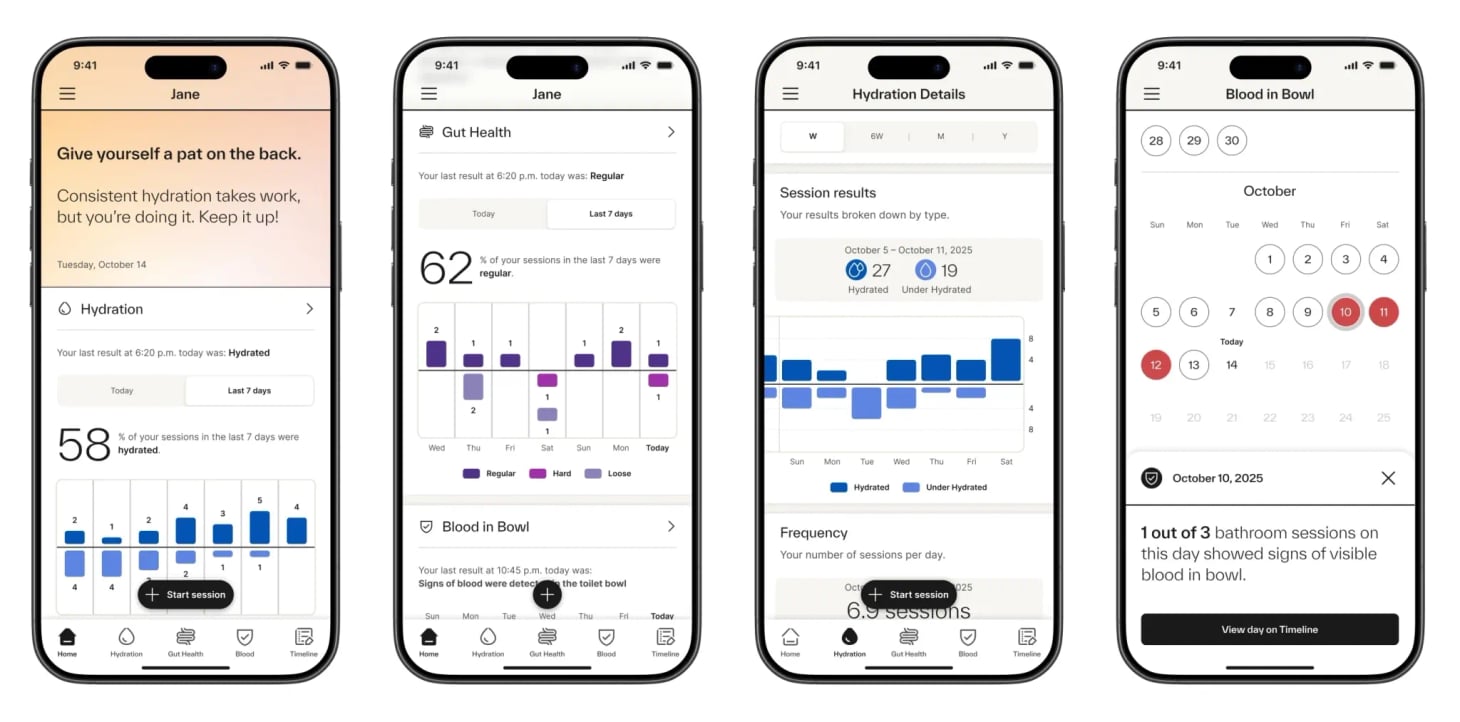
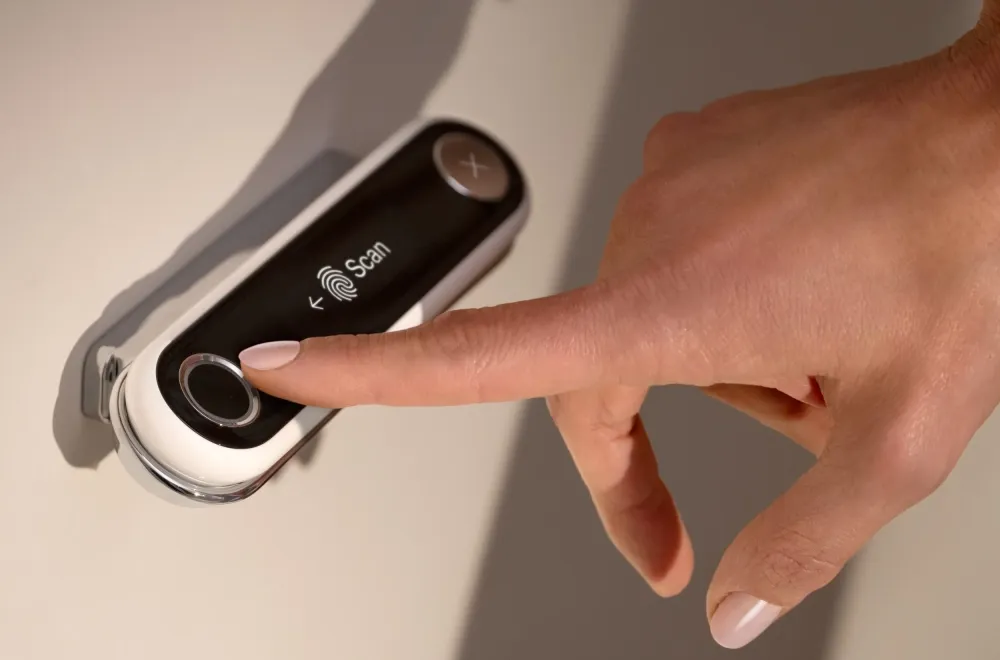
How it works: Optical sensors capture images after each flush and compare them to the validated Bristol Stool Scale, which classifies stool into types 1 to 7. A built-in spectrometer detects occult blood. Data syncs to the Kohler Health app, where trends appear in daily graphs. A fingerprint scanner on the wall-mounted remote identifies users, linking each fingerprint to a separate profile. The system supports up to five profiles per sensor.
By the numbers: The sensor kit costs $599, plus $7 per month per user or $13 per month for up to five users. An annual subscription option is available. Guidelines recommend annual fecal occult blood testing for adults 50 and older to screen for colorectal cancer. A meta-analysis of 12 studies showed Bristol Stool Scale shifts correlate with symptom severity scores at r = 0.42.
Sensor accuracy drops in dark-colored toilet bowls. Optical detection cannot replace laboratory stool culture for infection diagnosis, and the device does not perform DNA-based microbiome analysis. The Kohler Health app is already available for iOS, with an Android version coming later.
The bottom line: Seek medical evaluation if the app flags occult blood, a sudden shift to type 1 or type 7 on the Bristol Scale, or a persistent change in stool frequency lasting more than three days. Consult a clinician to confirm findings with laboratory tests and discuss appropriate follow-up. The app includes a prompt linking to the American Cancer Society's screening guidelines for further information. Think of it as a daily health checkpoint without the lab visit.