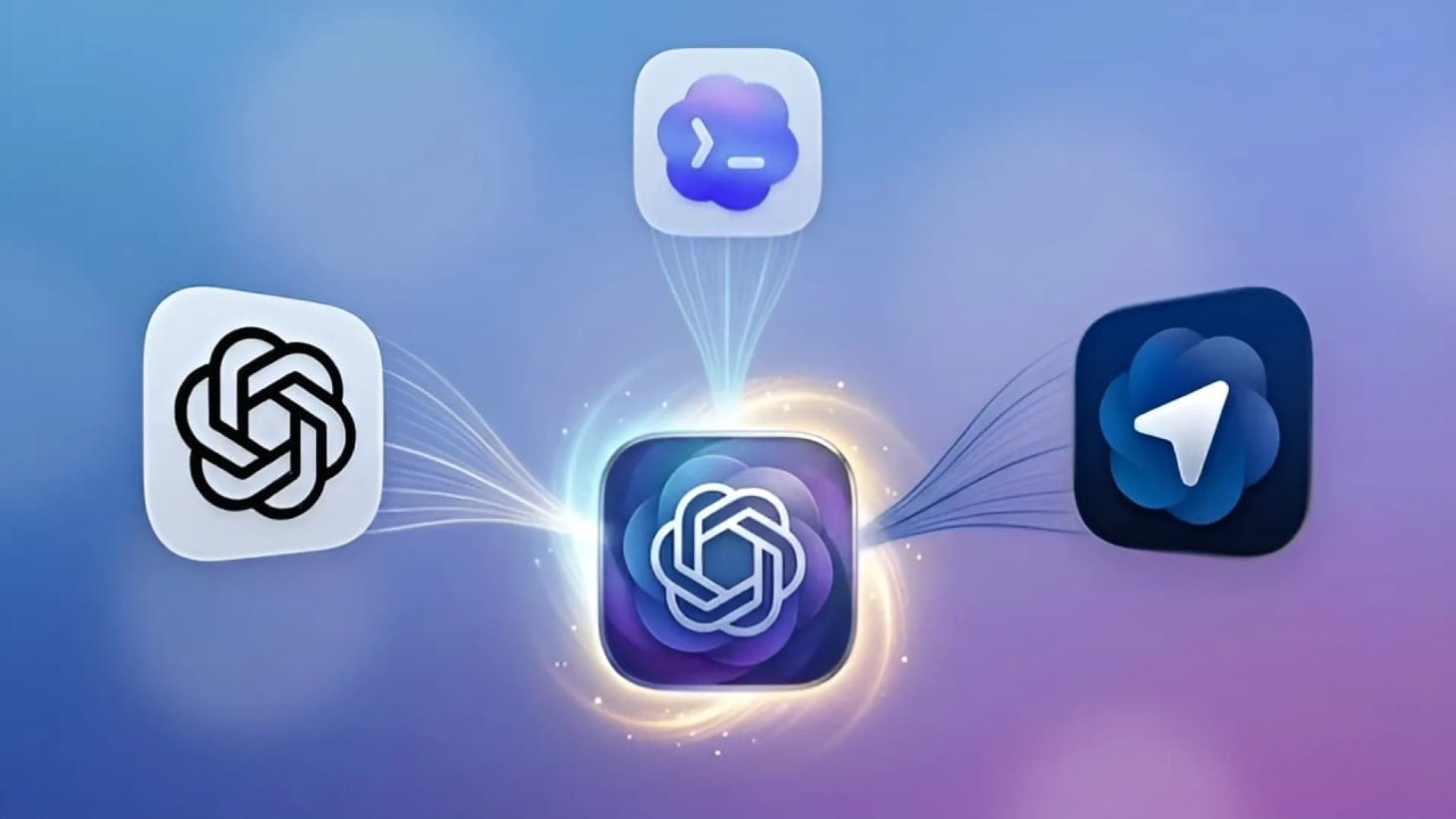

OpenAI will merge ChatGPT, the Atlas browser, and Codex into a single desktop superapp, the Wall Street Journal reported March 18, cutting the number of windows users juggle from three to one.
Consolidating three products eliminates workflow friction for developers, writers, and researchers who currently switch between separate apps. By unifying the conversational interface, web search engine, and code generation environment, OpenAI lets users stay in one window while drafting emails, researching topics, and writing code.
A developer debugging Python can now ask ChatGPT for syntax help, search Stack Overflow through Atlas, and generate a corrected function in Codex—all without leaving the desktop app. A writer can draft an outline, pull reference data from live web results, and format a code snippet for a technical blog post in seconds, all within the same interface.
Fidji Simo, OpenAI's Chief of Applications, is leading the integration effort along with marketing and sales of the new product. According to OpenAI, she reports to CEO Sam Altman and coordinates with President Greg Brockman, the company's co-founder who returned from sabbatical in 2024.
The superapp will add autonomous agents that can draft a document, run a web search, and insert generated code without user prompting. These agents will operate within the desktop environment, executing tasks directly on the user's machine.
The mobile ChatGPT app will remain separate, while the desktop superapp enters testing later this year. OpenAI has not disclosed pricing or security details, but the shift signals a strategic focus on a single, scalable AI platform to compete with emerging enterprise rivals.