• My Feed
  • Home
  • What's Important
  • Media & Entertainment
Search

Stay Curious. Stay Wanture.

© 2026 Wanture. All rights reserved.

  • Terms of Use
  • Privacy Policy
Health/MedTech
Perplexity Health Launches AI Platform Linking Wearables to Medical Records

22 March 2026

—

News

Riley Chen

Perplexity Health released an AI platform that reads wearable data and electronic medical records to build personalized workout and nutrition plans. The service connects with Apple Health, Fitbit, Ultrahuman, and Withings devices and pulls lab results from more than 1.7 million health institutions across the United States. It delivers recommendations based on individual biomarkers rather than generic search results.

Why it matters: Consumers now face AI platforms that promise to translate their body's data into daily action plans. Without peer‑reviewed validation, these tools function as research assistants, not clinical decision makers.

The system reads resting heart rate, step count, sleep duration, and recent bloodwork to generate daily activity and meal suggestions. Each plan lists specific exercise sets, calorie targets, and nutrient ratios. The platform updates weekly as new data arrive.

Current guidelines recommend using validated decision‑support tools. Perplexity's AI has not yet published peer‑reviewed validation studies. Early trials suggest AI can improve alignment of advice with personal physiology, but measurable impact on outcomes like blood pressure or sleep quality remains unproven.

How the data flows: Users connect wearable streams and authorize access to electronic health records via a secure API. The platform extracts lab values such as hemoglobin A1c, lipid panels, and vitamin D levels. It then matches them to peer‑reviewed articles indexed in PubMed. Data are encrypted with AES‑256 and stored on secure cloud servers before any algorithmic processing.

Encryption standards meet HIPAA requirements. The platform excludes raw records from model training. A Medical Advisory Council of board‑certified physicians and data scientists reviews output for safety.

Only subscribers with Pro or Max plans may activate the service. The feature is limited to U.S. residents. Subscription fees are disclosed on the company website and vary by tier. The FDA classifies AI health platforms that deliver treatment recommendations as medical devices, requiring validation of clinical association, analytical performance, and real‑world outcomes.

The bottom line: Consumers should treat the AI output as a supplemental research tool and discuss any changes with a healthcare provider. Without peer‑reviewed evidence, the platform cannot replace professional diagnosis or therapy. Ongoing regulatory review and future clinical trials will determine whether algorithmic plans can reliably improve health metrics compared with standard care.

banner

What is this about?

  • inflammation biomarkers/
  • AI health platform/
  • Personalized nutrition and exercise/
  • Clinical validation and regulation

Feed

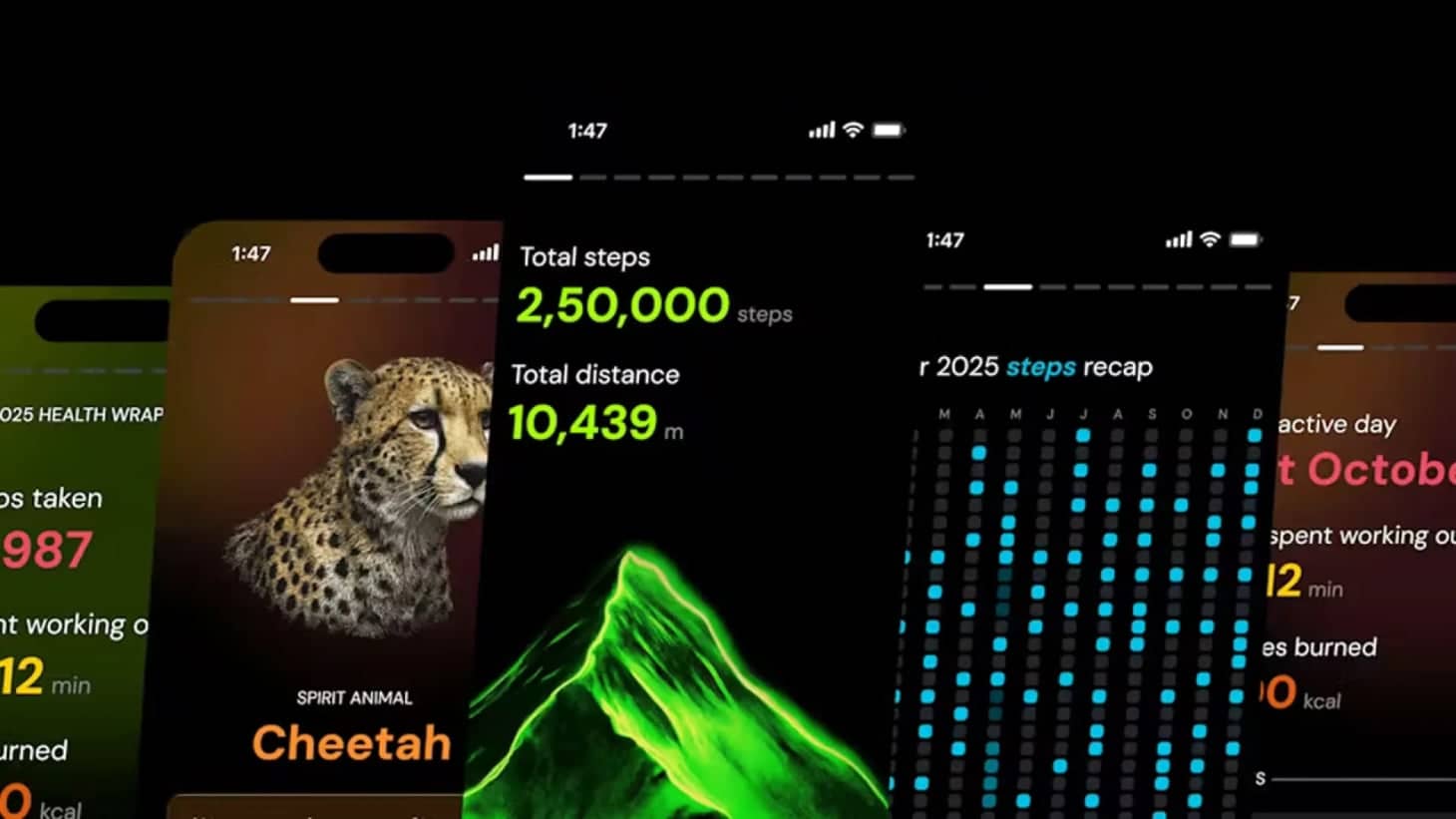
    Health Wrapped 2025 launches, summarizing Apple Health data

    Health Wrapped 2025, an iPhone app launched March 24, 2026, pulls Apple Health data (steps, active calories, stand hours, and workouts) into a shareable PDF. The report shows total activity, average calories burned, and a “movement age” score, giving a quick yearly snapshot before New‑Year resolutions. The metrics are not a medical diagnosis, and aim to motivate users to set goals.

    Health Wrapped 2025 launches, summarizing Apple Health data
    about 1 hour ago

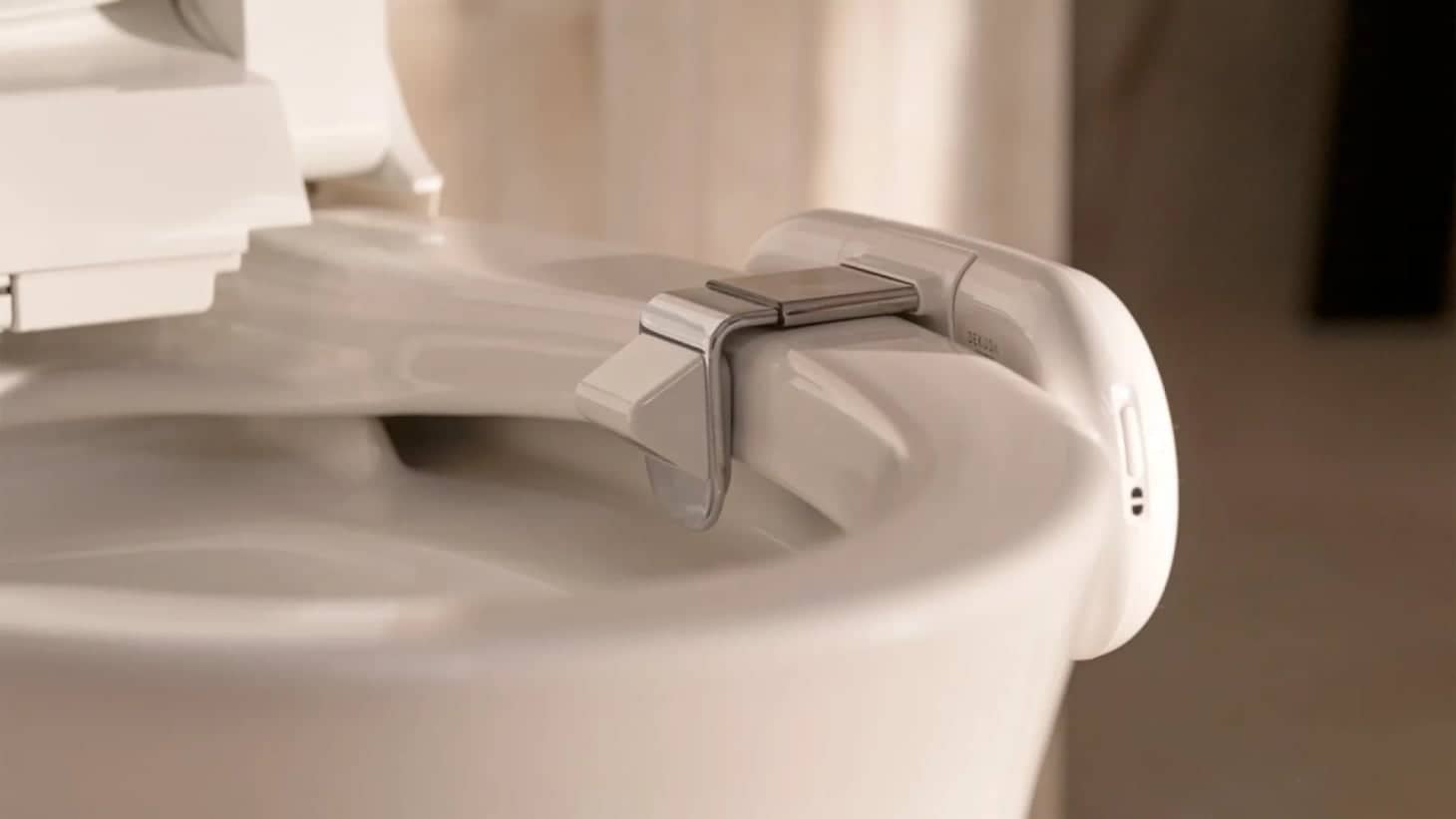
    Dekoda Smart Toilet Tracks Gut Health at Home

    The Dekoda smart toilet, released March 20, 2026, uses optical sensors and a spectrometer to record each flush, classifying stool on the Bristol Scale and detecting occult blood. Data syncs to a companion app, where trends trigger alerts for early signs of colorectal cancer or gut disorders, prompting users to seek medical follow‑up.

    Dekoda Smart Toilet Tracks Gut Health at Home
    about 2 hours ago

    Russia launches 16 Rassvet satellites for broadband service

    On March 23, 2025, Russia’s Bureau 1440 placed 16 Rassvet satellites into a low-Earth parking orbit, marking the shift from experimental trials to an operational 5G NTN broadband service. The batch brings the constellation to 22 spacecraft, equipped with laser links, upgraded solar arrays and plasma thrusters that cut fuel use by roughly 40 %.

    Russia launches 16 Rassvet satellites for broadband service
    about 9 hours ago

    iPhone 17 Pro streams 400‑billion‑parameter AI model

    Anemll engineers ran a 400‑billion‑parameter AI model on an iPhone 17 Pro by streaming weights from the phone’s SSD straight to the GPU, bypassing the 12 GB RAM ceiling. Flash‑MoE processes active slices at 0.6 tokens per second, drawing ~15 % of the battery per hour and about 2 × 10⁹ SSD reads hourly, highlighting speed and durability limits for on‑device AI.

    iPhone 17 Pro streams 400‑billion‑parameter AI model
    1 day ago

    Samsung Adds AirDrop to Galaxy S26, S26+, and S26 Ultra

    Samsung’s Quick Share update adds Apple’s AirDrop protocol to the Galaxy S26, S26+, and S26 Ultra, enabling direct file transfers to iPhones, iPads, or Macs. Users must turn on Apple compatibility in Settings, after which nearby Apple devices appear in the share pane. The rollout starts in South Korea and will spread globally via One UI and Play Services updates.

    Samsung Adds AirDrop to Galaxy S26, S26+, and S26 Ultra
    1 day ago

    Sony adds AI frame generation to PlayStation, target remains vague

    Mark Cerny announced that Sony will add an AI frame‑generation library, built with AMD, to PlayStation. The tool inserts 2‑6× extra frames, boosting smoothness without extra GPU load but adds slight input latency. Sony has not set a release date, leaving developers and gamers unsure if it will debut on the PS5 Pro this year or be saved for the next‑gen PS6 after 2027.

    Sony adds AI frame generation to PlayStation, target remains vague
    2 days ago

    Founders Fund puts $2 billion into Halter’s cattle fences

    On March 20, 2026, Founders Fund committed a $2 billion investment to Halter, the New Zealand startup that makes solar‑powered smart collars for cattle. The funding enables a nationwide rollout of its cloud‑based virtual‑fence system, letting U.S. ranchers replace barbed wire with sound and vibration cues while tracking health data and reducing labor costs.

    Founders Fund puts $2 billion into Halter’s cattle fences
    2 days ago

    VidaBay Classic Plus NFC Magnet Shows Battery‑Free Photos

    VidaBay’s Classic Plus NFC fridge magnet lets users tap a smartphone to refresh a grayscale E‑Ink image in under a second. The magnet harvests up to 3 V from the phone’s NFC field, rewrites the display, then uses zero power, providing a battery‑free, maintenance‑free way to show photos or alerts on a kitchen door. It reflects demand for low‑maintenance smart‑home accessories.

    VidaBay Classic Plus NFC Magnet Shows Battery‑Free Photos
    2 days ago

    Apple TV 4K faces stock shortage as A17‑Pro refresh looms

    Apple’s U.S. stores are out of stock on HomePod mini and Apple TV 4K, a pattern analysts tie to the company’s decision to delay new models until Apple Intelligence is ready. The upcoming versions will use the A17‑Pro chip and a neural engine for on‑device AI, faster voice commands, and image processing. Shoppers should watch Apple’s announcements for A17‑powered shipments.

    Apple TV 4K faces stock shortage as A17‑Pro refresh looms
    2 days ago

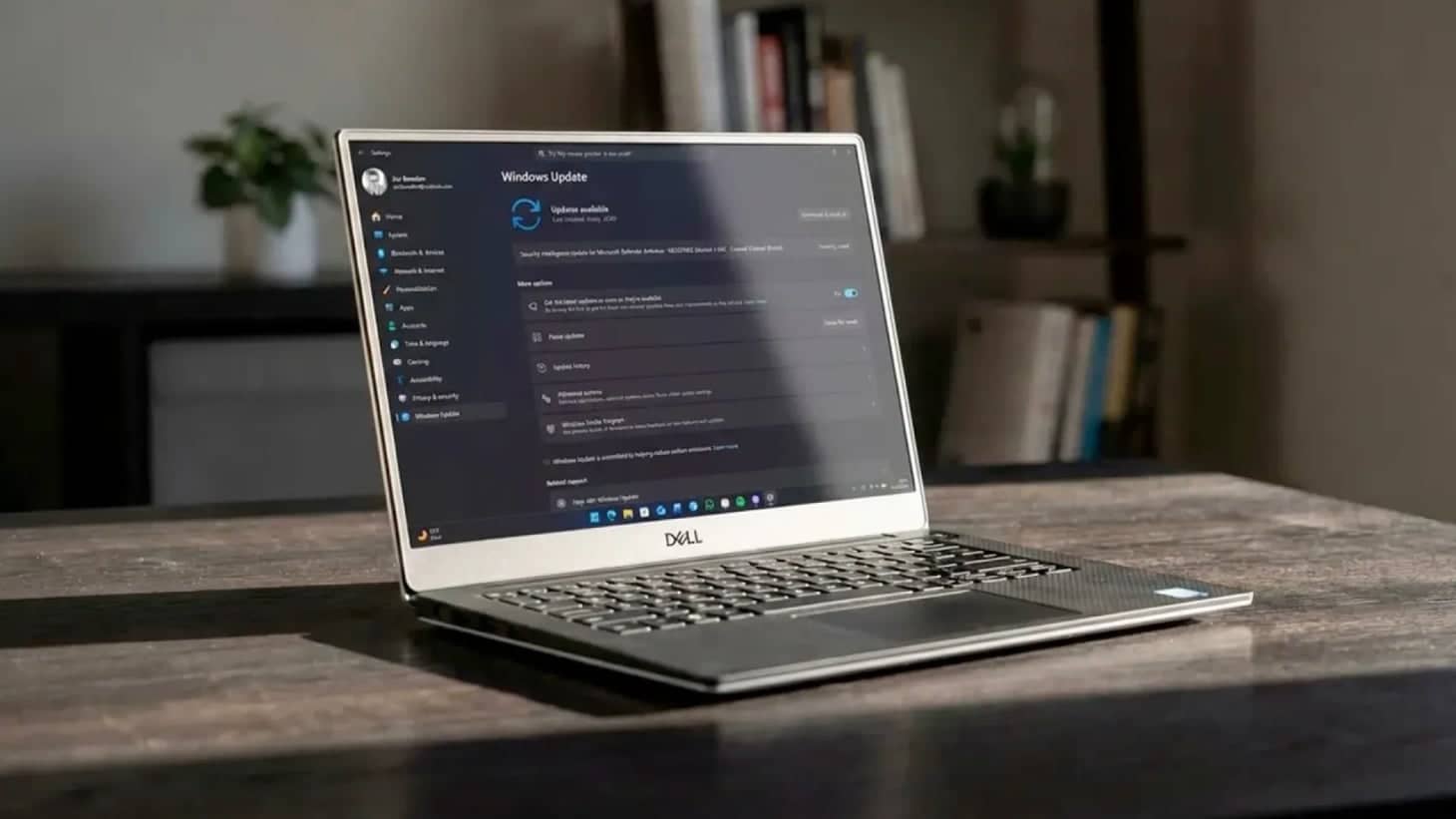
    Windows 11 Gains User‑Control Options in 2026 Update

    Microsoft’s 2026 Windows 11 update returns control to users by letting them turn off Copilot in built‑in apps, drag the taskbar to any screen edge, and pause monthly restart cycles. The patch also shifts core UI to WinUI 3, trimming baseline RAM to about 3 GB and speeding File Explorer by roughly 15 %. These changes aim to improve stability and confidence for desktops.

    Windows 11 Gains User‑Control Options in 2026 Update
    3 days ago

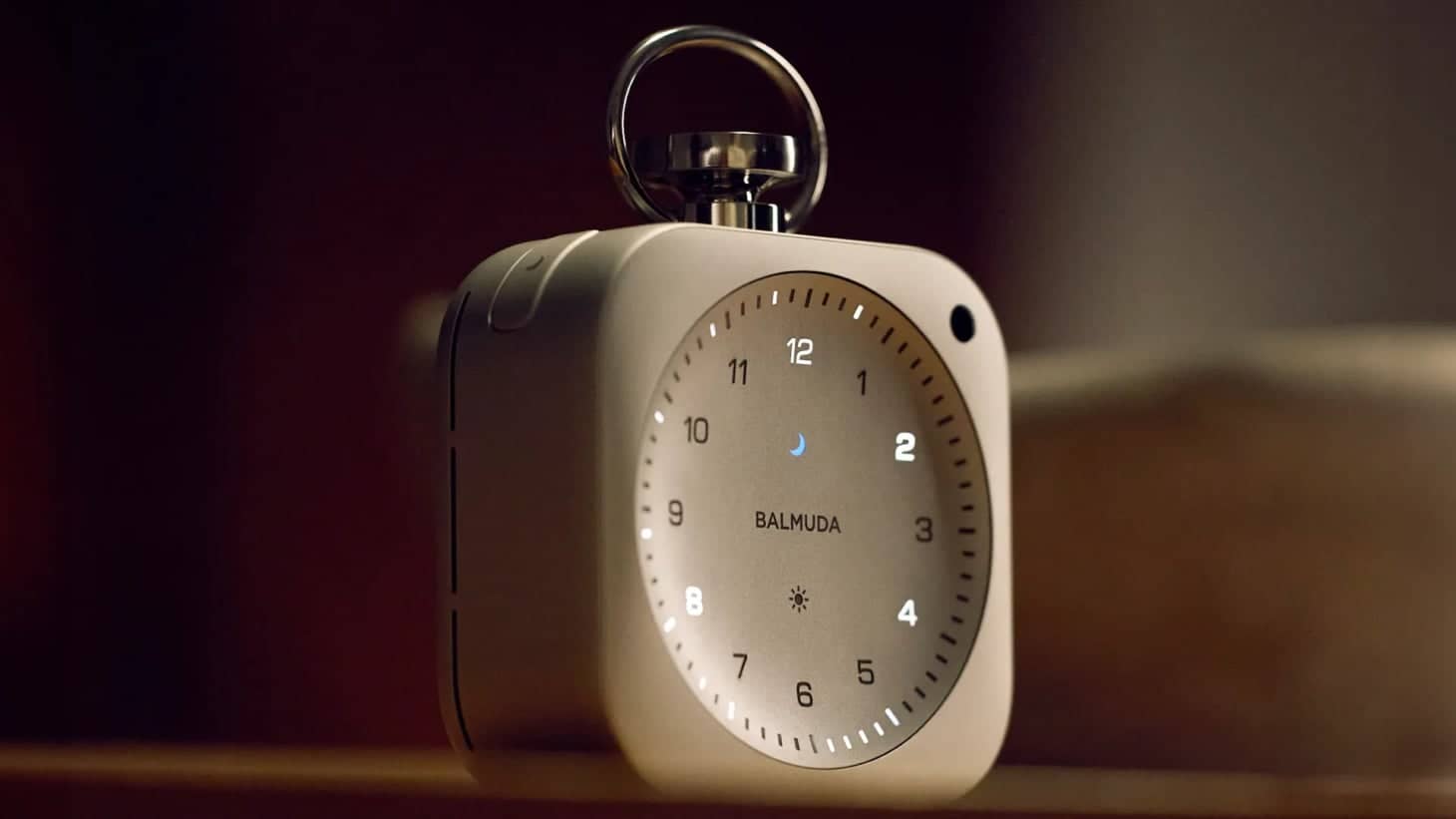
    Balmuda unveils The Clock, a calm‑tech alarm

    Balmuda introduced The Clock in Japan on March 15, a premium calm‑tech alarm that replaces traditional hands with a light‑based segment display. The device offers wake, focus, and relax modes, a 24‑hour USB‑C rechargeable battery, and a minimalist aluminum design aimed at reducing screen clutter in bedrooms. Analysts will watch whether the concept expands beyond early adopters.

    Balmuda unveils The Clock, a calm‑tech alarm
    3 days ago

    OpenAI Launches Superapp Combining ChatGPT, Atlas, Codex

    OpenAI said its desktop superapp will merge ChatGPT, the Atlas browser, and Codex into one interface, ending the three‑window workflow. The move should cut friction for developers and writers by letting users draft emails, browse, and generate code without switching apps. Updates will add autonomous agents that can draft documents and insert code, while the ChatGPT app stays separate.

    OpenAI Launches Superapp Combining ChatGPT, Atlas, Codex
    4 days ago

    Windows 11 Update KB5079473 Blocks Consumer Sign‑Ins

    Microsoft’s March 12 Windows 11 cumulative update KB5079473 mistakenly treats standard Microsoft accounts as offline, blocking sign‑ins to Teams, OneDrive, Edge, Office, and Copilot. Enterprise Entra ID accounts still work. A quick fix is to restart the PC while connected to the internet. Microsoft is preparing a permanent patch; updates will appear on the Windows Release Health blog.

    Windows 11 Update KB5079473 Blocks Consumer Sign‑Ins
    4 days ago
    Biological Age Tests: How They Work and What They Reveal

    Biological Age Tests: How They Work and What They Reveal

    Discover how epigenetic clocks, blood panels, wearables, and AI combine to turn your age score into a targeted health plan

    4 days ago

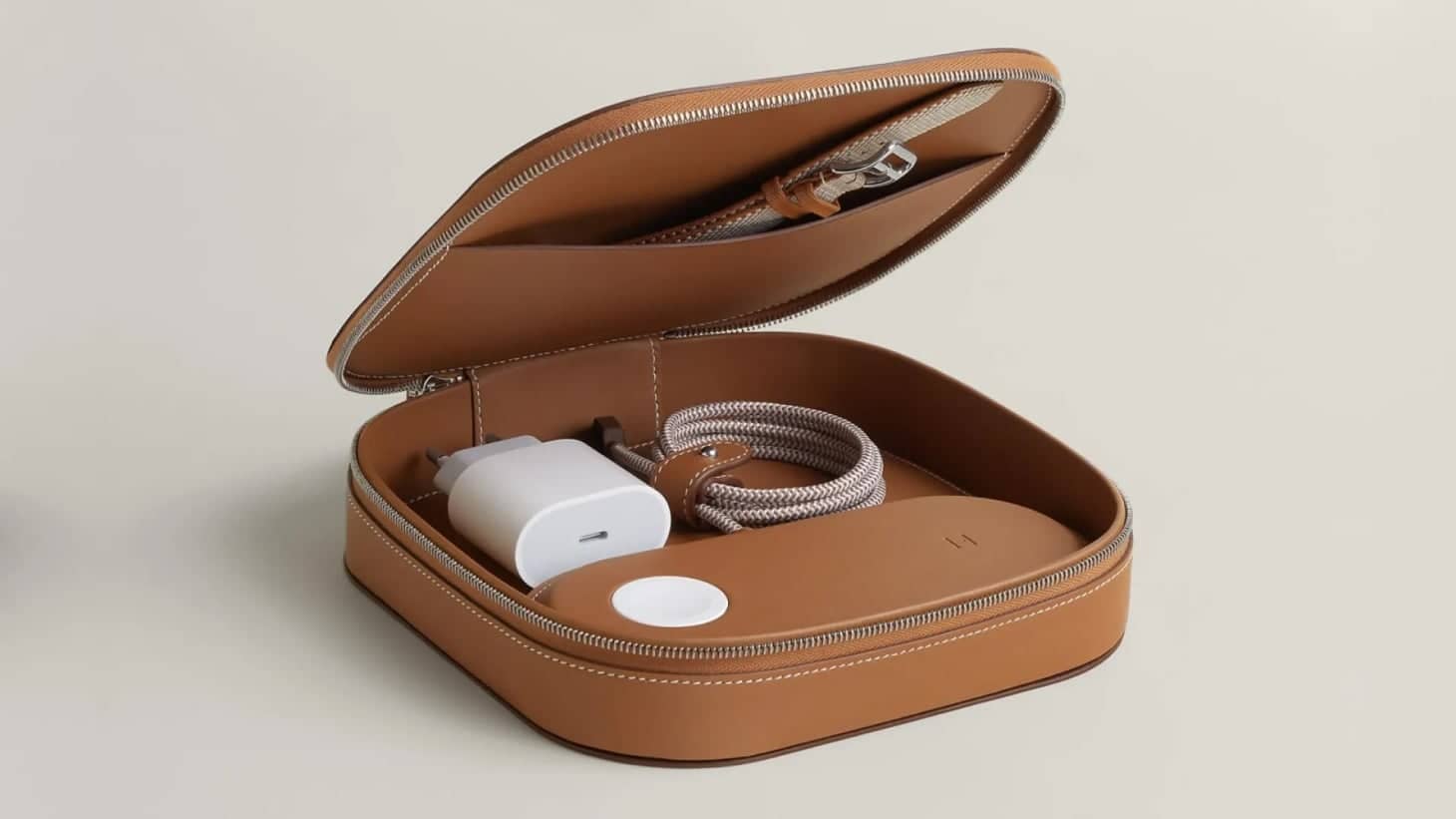
    Hermès Unveils Grand Paddock MagSafe Bag for U.S. Buyers

    Hermès has entered the U.S. luxury‑tech market with the Grand Paddock bag, a calfskin case that integrates a Paddock Duo MagSafe charger for simultaneous iPhone and Watch charging. The accessory arrives as consumer‑tech spending tops $527 billion, signaling a push toward premium, wireless‑ready leather goods for affluent buyers.

    Hermès Unveils Grand Paddock MagSafe Bag for U.S. Buyers
    4 days ago

    Xiaomi Launches G20 Smart Bathroom Heater in China

    Xiaomi launched the Mijia G20 smart bathroom heater on March 20, 2026, for compact Chinese apartments. The ceiling‑mount unit combines a 2,800 W graphene heater, a 240 m³/h exhaust fan, and a 5‑W LED, raising bathroom temperature by 68 °F in about a minute. It offers app, Bluetooth, and voice‑assistant control, but U.S. certification and firmware support remain unclear.

    Xiaomi Launches G20 Smart Bathroom Heater in China
    4 days ago

    Perplexity Releases Comet AI Browser for iPhone on March 18

    Perplexity’s Comet AI browser launched on the iPhone on March 18, a week after its planned March 11 debut. The app embeds AI‑powered search, chat, and page‑summarizing tools directly into the mobile browser, letting power users automate tasks without swapping apps. It syncs with Perplexity’s macOS 13 Personal Computer agent for processing, closing the gap in AI‑driven browsing.

    Perplexity Releases Comet AI Browser for iPhone on March 18
    5 days ago

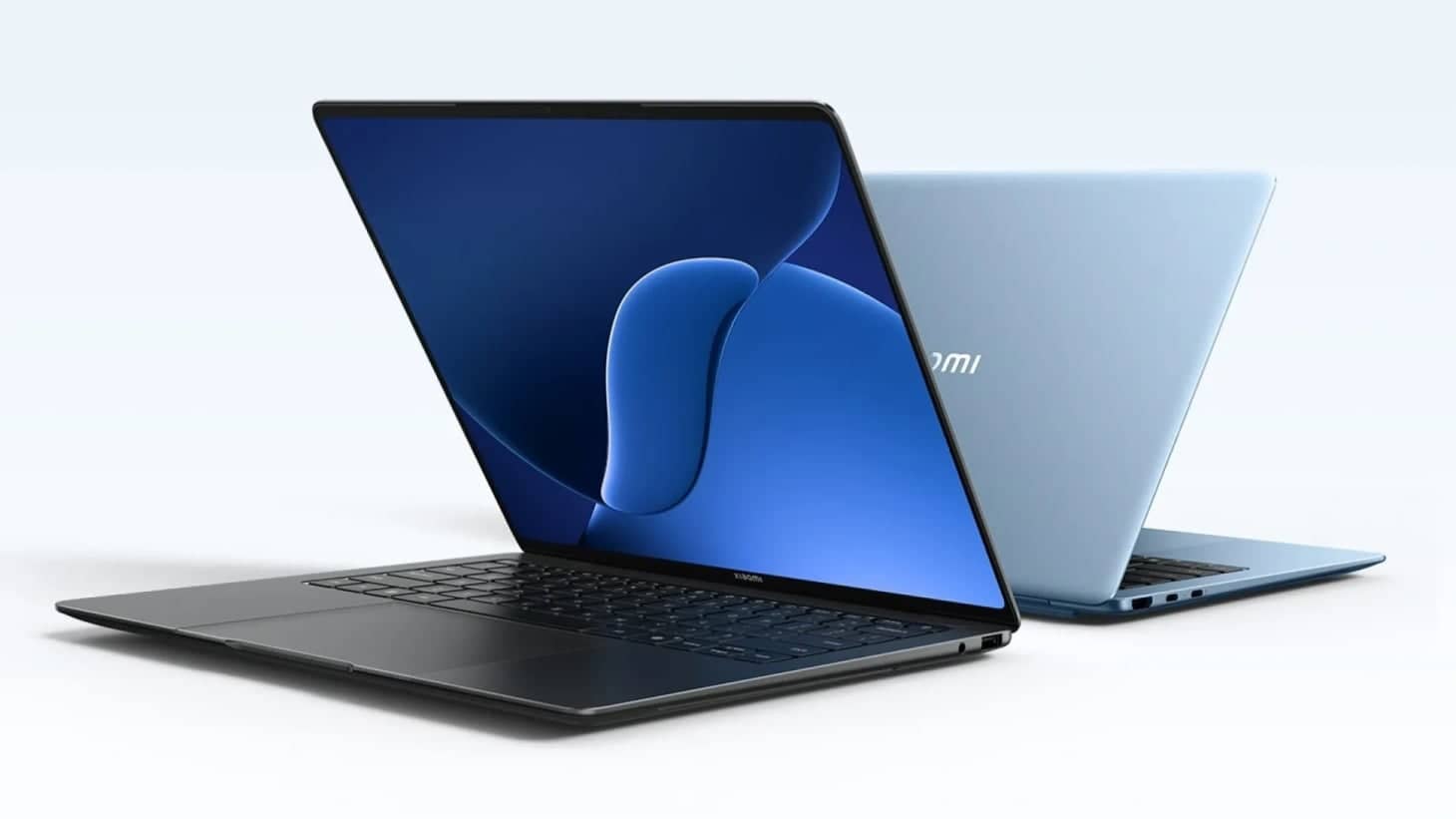
    Xiaomi Notebook Pro 14 Debuts with Intel Core Ultra X7 358H

    Xiaomi unveiled the Notebook Pro 14, a 14.6‑inch OLED laptop weighing 2.4 lb. It runs on Intel Core Ultra X7 358H, delivering up to 50 W performance, while a 72 Wh battery provides about 12.4 hours of video‑call use. Graphene‑plate cooling reduces hotspots by up to 41 °F, and Thunderbolt 4 offers 40 Gb/s data transfer alongside 10 Gb/s and 5 Gb/s USB‑C ports.

    Xiaomi Notebook Pro 14 Debuts with Intel Core Ultra X7 358H
    5 days ago

    Xiaomi Watch S5 Launches 21‑Day Battery, 2,500‑Nit Screen

    Xiaomi’s Watch S5 arrives in China with three finishes, stainless‑steel, ceramic‑bezel, and carbon‑bezel, and an eSIM option. It sports a 1.48‑inch OLED panel that reaches 2,500 nits, a 21‑day mixed‑use battery, dual‑band positioning, oxygen and stress monitoring, and 98.4% heart‑rate accuracy, positioning it against Apple’s and Samsung’s premium watches.

    Xiaomi Watch S5 Launches 21‑Day Battery, 2,500‑Nit Screen
    5 days ago
    Loading...
banner
Health/MedTech

Perplexity Health Launches AI Platform Linking Wearables to Medical Records

22 March 2026

—

News

Riley Chen

Perplexity Health released an AI platform that reads wearable data and electronic medical records to build personalized workout and nutrition plans. The service connects with Apple Health, Fitbit, Ultrahuman, and Withings devices and pulls lab results from more than 1.7 million health institutions across the United States. It delivers recommendations based on individual biomarkers rather than generic search results.

Why it matters: Consumers now face AI platforms that promise to translate their body's data into daily action plans. Without peer‑reviewed validation, these tools function as research assistants, not clinical decision makers.

The system reads resting heart rate, step count, sleep duration, and recent bloodwork to generate daily activity and meal suggestions. Each plan lists specific exercise sets, calorie targets, and nutrient ratios. The platform updates weekly as new data arrive.

Current guidelines recommend using validated decision‑support tools. Perplexity's AI has not yet published peer‑reviewed validation studies. Early trials suggest AI can improve alignment of advice with personal physiology, but measurable impact on outcomes like blood pressure or sleep quality remains unproven.

How the data flows: Users connect wearable streams and authorize access to electronic health records via a secure API. The platform extracts lab values such as hemoglobin A1c, lipid panels, and vitamin D levels. It then matches them to peer‑reviewed articles indexed in PubMed. Data are encrypted with AES‑256 and stored on secure cloud servers before any algorithmic processing.

Encryption standards meet HIPAA requirements. The platform excludes raw records from model training. A Medical Advisory Council of board‑certified physicians and data scientists reviews output for safety.

Only subscribers with Pro or Max plans may activate the service. The feature is limited to U.S. residents. Subscription fees are disclosed on the company website and vary by tier. The FDA classifies AI health platforms that deliver treatment recommendations as medical devices, requiring validation of clinical association, analytical performance, and real‑world outcomes.

The bottom line: Consumers should treat the AI output as a supplemental research tool and discuss any changes with a healthcare provider. Without peer‑reviewed evidence, the platform cannot replace professional diagnosis or therapy. Ongoing regulatory review and future clinical trials will determine whether algorithmic plans can reliably improve health metrics compared with standard care.
What is this about?

  • inflammation biomarkers/
  • AI health platform/
  • Personalized nutrition and exercise/
  • Clinical validation and regulation

Feed

    Health Wrapped 2025 launches, summarizing Apple Health data

    Health Wrapped 2025, an iPhone app launched March 24, 2026, pulls Apple Health data (steps, active calories, stand hours, and workouts) into a shareable PDF. The report shows total activity, average calories burned, and a “movement age” score, giving a quick yearly snapshot before New‑Year resolutions. The metrics are not a medical diagnosis, and aim to motivate users to set goals.

    Health Wrapped 2025 launches, summarizing Apple Health data
    about 1 hour ago

    Dekoda Smart Toilet Tracks Gut Health at Home

    The Dekoda smart toilet, released March 20, 2026, uses optical sensors and a spectrometer to record each flush, classifying stool on the Bristol Scale and detecting occult blood. Data syncs to a companion app, where trends trigger alerts for early signs of colorectal cancer or gut disorders, prompting users to seek medical follow‑up.

    Dekoda Smart Toilet Tracks Gut Health at Home
    about 2 hours ago

    Russia launches 16 Rassvet satellites for broadband service

    On March 23, 2025, Russia’s Bureau 1440 placed 16 Rassvet satellites into a low-Earth parking orbit, marking the shift from experimental trials to an operational 5G NTN broadband service. The batch brings the constellation to 22 spacecraft, equipped with laser links, upgraded solar arrays and plasma thrusters that cut fuel use by roughly 40 %.

    Russia launches 16 Rassvet satellites for broadband service
    about 9 hours ago

    iPhone 17 Pro streams 400‑billion‑parameter AI model

    Anemll engineers ran a 400‑billion‑parameter AI model on an iPhone 17 Pro by streaming weights from the phone’s SSD straight to the GPU, bypassing the 12 GB RAM ceiling. Flash‑MoE processes active slices at 0.6 tokens per second, drawing ~15 % of the battery per hour and about 2 × 10⁹ SSD reads hourly, highlighting speed and durability limits for on‑device AI.

    iPhone 17 Pro streams 400‑billion‑parameter AI model
    1 day ago

    Samsung Adds AirDrop to Galaxy S26, S26+, and S26 Ultra

    Samsung’s Quick Share update adds Apple’s AirDrop protocol to the Galaxy S26, S26+, and S26 Ultra, enabling direct file transfers to iPhones, iPads, or Macs. Users must turn on Apple compatibility in Settings, after which nearby Apple devices appear in the share pane. The rollout starts in South Korea and will spread globally via One UI and Play Services updates.

    Samsung Adds AirDrop to Galaxy S26, S26+, and S26 Ultra
    1 day ago

    Sony adds AI frame generation to PlayStation, target remains vague

    Mark Cerny announced that Sony will add an AI frame‑generation library, built with AMD, to PlayStation. The tool inserts 2‑6× extra frames, boosting smoothness without extra GPU load but adds slight input latency. Sony has not set a release date, leaving developers and gamers unsure if it will debut on the PS5 Pro this year or be saved for the next‑gen PS6 after 2027.

    Sony adds AI frame generation to PlayStation, target remains vague
    2 days ago

    Founders Fund puts $2 billion into Halter’s cattle fences

    On March 20, 2026, Founders Fund committed a $2 billion investment to Halter, the New Zealand startup that makes solar‑powered smart collars for cattle. The funding enables a nationwide rollout of its cloud‑based virtual‑fence system, letting U.S. ranchers replace barbed wire with sound and vibration cues while tracking health data and reducing labor costs.

    Founders Fund puts $2 billion into Halter’s cattle fences
    2 days ago

    VidaBay Classic Plus NFC Magnet Shows Battery‑Free Photos

    VidaBay’s Classic Plus NFC fridge magnet lets users tap a smartphone to refresh a grayscale E‑Ink image in under a second. The magnet harvests up to 3 V from the phone’s NFC field, rewrites the display, then uses zero power, providing a battery‑free, maintenance‑free way to show photos or alerts on a kitchen door. It reflects demand for low‑maintenance smart‑home accessories.

    VidaBay Classic Plus NFC Magnet Shows Battery‑Free Photos
    2 days ago

    Apple TV 4K faces stock shortage as A17‑Pro refresh looms

    Apple’s U.S. stores are out of stock on HomePod mini and Apple TV 4K, a pattern analysts tie to the company’s decision to delay new models until Apple Intelligence is ready. The upcoming versions will use the A17‑Pro chip and a neural engine for on‑device AI, faster voice commands, and image processing. Shoppers should watch Apple’s announcements for A17‑powered shipments.

    Apple TV 4K faces stock shortage as A17‑Pro refresh looms
    2 days ago

    Windows 11 Gains User‑Control Options in 2026 Update

    Microsoft’s 2026 Windows 11 update returns control to users by letting them turn off Copilot in built‑in apps, drag the taskbar to any screen edge, and pause monthly restart cycles. The patch also shifts core UI to WinUI 3, trimming baseline RAM to about 3 GB and speeding File Explorer by roughly 15 %. These changes aim to improve stability and confidence for desktops.

    Windows 11 Gains User‑Control Options in 2026 Update
    3 days ago

    Balmuda unveils The Clock, a calm‑tech alarm

    Balmuda introduced The Clock in Japan on March 15, a premium calm‑tech alarm that replaces traditional hands with a light‑based segment display. The device offers wake, focus, and relax modes, a 24‑hour USB‑C rechargeable battery, and a minimalist aluminum design aimed at reducing screen clutter in bedrooms. Analysts will watch whether the concept expands beyond early adopters.

    Balmuda unveils The Clock, a calm‑tech alarm
    3 days ago

    OpenAI Launches Superapp Combining ChatGPT, Atlas, Codex

    OpenAI said its desktop superapp will merge ChatGPT, the Atlas browser, and Codex into one interface, ending the three‑window workflow. The move should cut friction for developers and writers by letting users draft emails, browse, and generate code without switching apps. Updates will add autonomous agents that can draft documents and insert code, while the ChatGPT app stays separate.

    OpenAI Launches Superapp Combining ChatGPT, Atlas, Codex
    4 days ago

    Windows 11 Update KB5079473 Blocks Consumer Sign‑Ins

    Microsoft’s March 12 Windows 11 cumulative update KB5079473 mistakenly treats standard Microsoft accounts as offline, blocking sign‑ins to Teams, OneDrive, Edge, Office, and Copilot. Enterprise Entra ID accounts still work. A quick fix is to restart the PC while connected to the internet. Microsoft is preparing a permanent patch; updates will appear on the Windows Release Health blog.

    Windows 11 Update KB5079473 Blocks Consumer Sign‑Ins
    4 days ago
    Biological Age Tests: How They Work and What They Reveal

    Biological Age Tests: How They Work and What They Reveal

    Discover how epigenetic clocks, blood panels, wearables, and AI combine to turn your age score into a targeted health plan

    4 days ago

    Hermès Unveils Grand Paddock MagSafe Bag for U.S. Buyers

    Hermès has entered the U.S. luxury‑tech market with the Grand Paddock bag, a calfskin case that integrates a Paddock Duo MagSafe charger for simultaneous iPhone and Watch charging. The accessory arrives as consumer‑tech spending tops $527 billion, signaling a push toward premium, wireless‑ready leather goods for affluent buyers.

    Hermès Unveils Grand Paddock MagSafe Bag for U.S. Buyers
    4 days ago

    Xiaomi Launches G20 Smart Bathroom Heater in China

    Xiaomi launched the Mijia G20 smart bathroom heater on March 20, 2026, for compact Chinese apartments. The ceiling‑mount unit combines a 2,800 W graphene heater, a 240 m³/h exhaust fan, and a 5‑W LED, raising bathroom temperature by 68 °F in about a minute. It offers app, Bluetooth, and voice‑assistant control, but U.S. certification and firmware support remain unclear.

    Xiaomi Launches G20 Smart Bathroom Heater in China
    4 days ago

    Perplexity Releases Comet AI Browser for iPhone on March 18

    Perplexity’s Comet AI browser launched on the iPhone on March 18, a week after its planned March 11 debut. The app embeds AI‑powered search, chat, and page‑summarizing tools directly into the mobile browser, letting power users automate tasks without swapping apps. It syncs with Perplexity’s macOS 13 Personal Computer agent for processing, closing the gap in AI‑driven browsing.

    Perplexity Releases Comet AI Browser for iPhone on March 18
    5 days ago

    Xiaomi Notebook Pro 14 Debuts with Intel Core Ultra X7 358H

    Xiaomi unveiled the Notebook Pro 14, a 14.6‑inch OLED laptop weighing 2.4 lb. It runs on Intel Core Ultra X7 358H, delivering up to 50 W performance, while a 72 Wh battery provides about 12.4 hours of video‑call use. Graphene‑plate cooling reduces hotspots by up to 41 °F, and Thunderbolt 4 offers 40 Gb/s data transfer alongside 10 Gb/s and 5 Gb/s USB‑C ports.

    Xiaomi Notebook Pro 14 Debuts with Intel Core Ultra X7 358H
    5 days ago

    Xiaomi Watch S5 Launches 21‑Day Battery, 2,500‑Nit Screen

    Xiaomi’s Watch S5 arrives in China with three finishes, stainless‑steel, ceramic‑bezel, and carbon‑bezel, and an eSIM option. It sports a 1.48‑inch OLED panel that reaches 2,500 nits, a 21‑day mixed‑use battery, dual‑band positioning, oxygen and stress monitoring, and 98.4% heart‑rate accuracy, positioning it against Apple’s and Samsung’s premium watches.

    Xiaomi Watch S5 Launches 21‑Day Battery, 2,500‑Nit Screen
    5 days ago
    Loading...