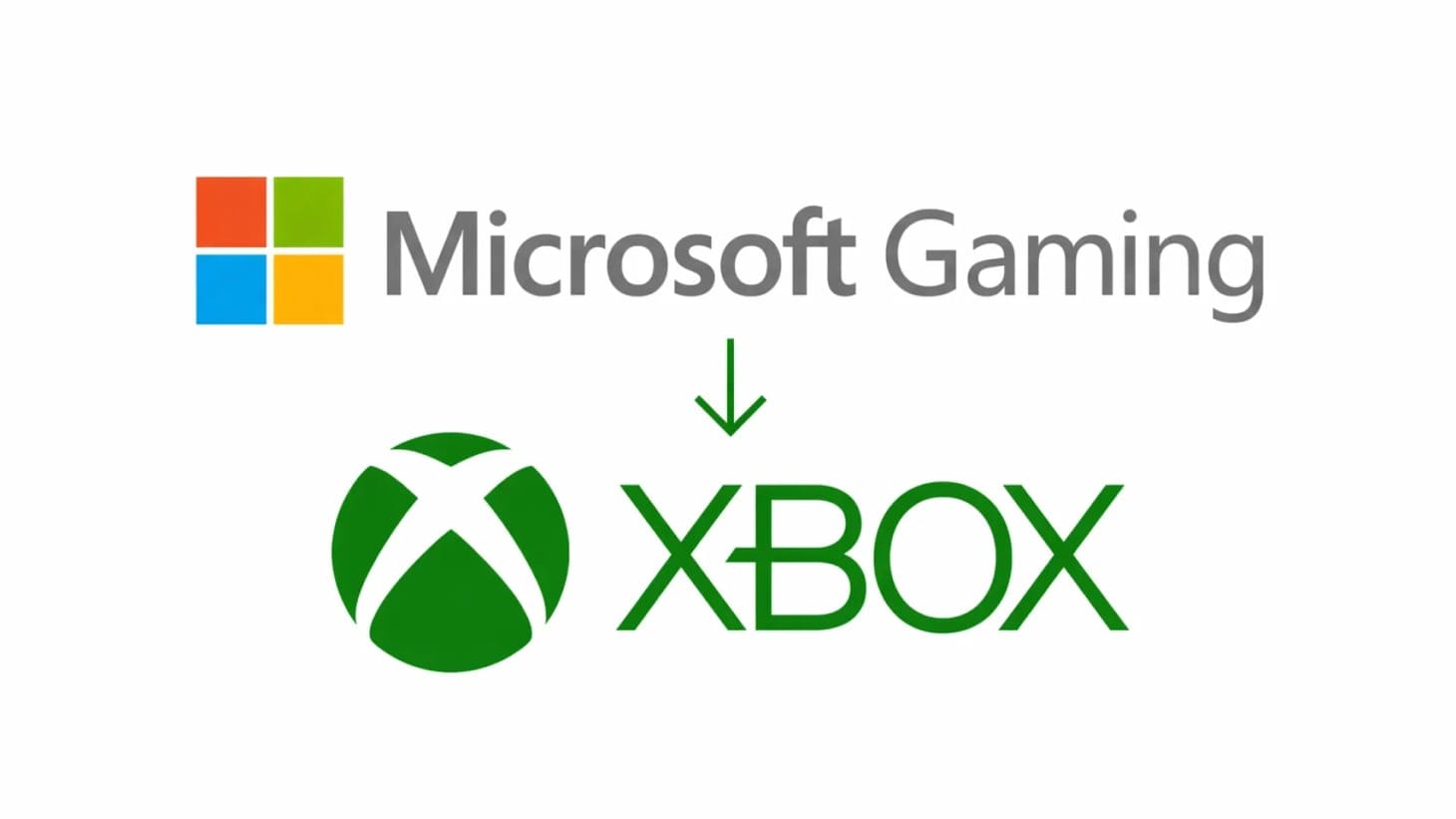

Microsoft is doubling down on what made it famous in the first place: not the corporation, but the brand. The gaming division is ditching the Microsoft Gaming label and reverting to just "Xbox," a quiet admission that somewhere between the spreadsheets and the synergy decks, they lost the thread. More importantly, they're shifting strategy: console wars are out, daily active users are in.
The name change came during an internal meeting led by Ash Sharma, head of the division, who acknowledged that the "Microsoft Gaming" rebrand from 2022 had drifted too far from the emotional center of the brand. It's the kind of corporate confession that usually stays behind closed doors, except this time, it followed an open letter from leadership duo Matt and Ash addressing what they called "current audience dissatisfaction." Translation: players weren't happy, and the suits noticed.
Office walls now reportedly display slogans like "Xbox Returns" and "Gaming Future," which sounds inspirational until you remember that brands don't need motivational posters unless something went wrong.
The real story isn't the logo: it's the pivot. Microsoft is no longer obsessed with how many plastic boxes it ships. The new metric is daily active users across PC, mobile, and what they're calling "emerging markets." It's a tacit acknowledgment that the console as cultural centerpiece is fading, replaced by the diffuse, platform‑agnostic gamer who plays wherever the screen is.
Enter Project Helix, set to launch later in 2026. The initiative promises high‑performance unification of games across PC and consoles: essentially, your save file follows you, your friends list follows you, and the friction between platforms dissolves. If it works, it's the kind of quiet infrastructure upgrade that changes how people play without anyone noticing. If it doesn't, it's another footnote in the long history of corporate ambition meeting technical reality.
Xbox is also planning a stronger mobile push and deeper expansion into China, two moves that signal where growth actually lives in 2026. Mobile gaming isn't the future: it's the present, and has been for years. China, meanwhile, remains the world's largest gaming market, and Western companies have spent the better part of a decade trying to crack it with mixed results.
The division is also reviewing its exclusive‑only projects, which suggests that the old model of locking games to a single platform may be on its way out. It's a philosophical shift as much as a business one: the walled garden is becoming a permeable membrane.
For subscribers, the recent Game Pass Ultimate price cut is staying put: a rare bit of consumer‑friendly permanence in an industry that loves to test your patience. But there's a trade‑off: new Call of Duty releases will no longer land on the service day‑of. It's the kind of calculated recalibration that makes financial sense while quietly eroding one of the service's biggest draws.
The division's success will now be measured by daily active users, a shift that sounds user‑centric until you realize it's also about data, engagement loops, and the gradual conversion of play into measurable habit. Microsoft is watching closely to see how players respond.