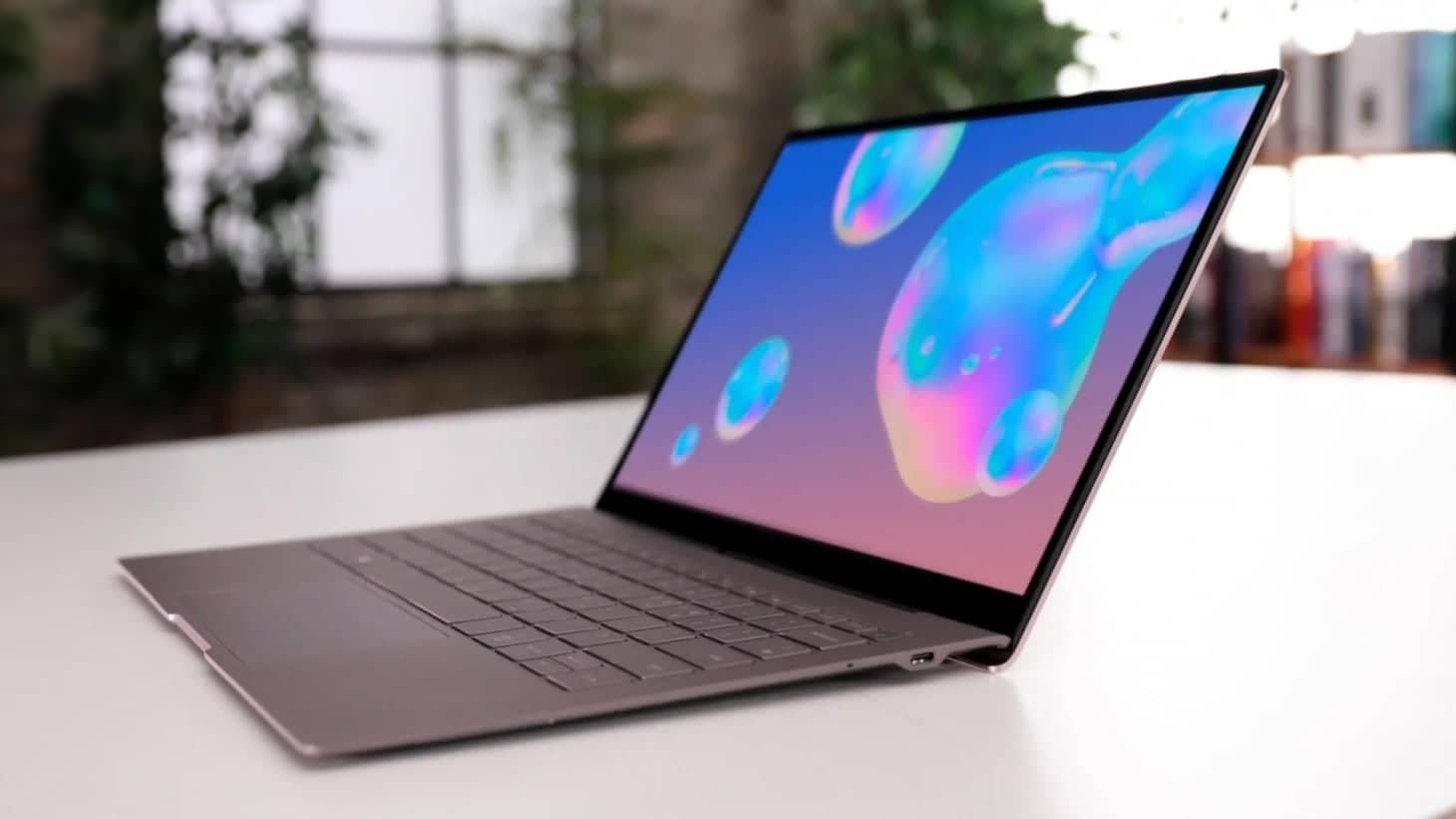
Xiaomi released the Notebook Pro 14, targeting mobile professionals in China who need ultraportable power without the premium laptop price tag. At 2.4 lb (1.08 kg), the device answers a growing demand across American and international markets for laptops that deliver desktop-class performance without the shoulder strain of traditional workstations.
Driving the news: Engineers combined a magnesium-alloy chassis with a carbon-fiber lid to drop weight below 2.4 lb. The split-material approach lets creators and consultants slip the notebook into messenger bags and backpacks without thinking twice, addressing the portability pain point that keeps professionals tethered to heavier machines.
Why it matters: Intel's Core Ultra X7 358H—part of the new Panther Lake architecture—powers the notebook with sustained 50 W performance. Multi-core workloads finish faster while efficiency holds steady, a balance that matters when hotel outlets are scarce and deadlines loom.
What they're saying: Xiaomi claims the 72 Wh battery runs 12.4 hours during video calls, enough to cover most workdays without hunting for outlets.
By the numbers: The 14.6-inch OLED panel reaches 1,600 nits peak brightness and refreshes at 120 Hz, meeting the color-accuracy needs of video editors and graphic designers. Graphene-plate cooling and dual-fan design dissipate heat from the 50 W processor, helping preserve clock speeds when rendering queues stack up. Thunderbolt 4 delivers 40 Gb/s data transfer, flanked by two USB-C ports handling 10 Gb/s and 5 Gb/s, plus HDMI and a 3.5 mm headphone jack. Pricing stands at 8,499 yuan (approximately $1,180), undercutting comparable MacBook Pro configurations. The laptop ships with a 100 W gallium-nitride fast charger and is available in four colors: blue, pink, gray, and white.
The big picture: By dipping below 2.4 lb, the Notebook Pro 14 joins a select group of ultralight laptops where every gram matters when professionals juggle airport security bins, conference tables, and standing-desk setups throughout a single day.
What's next: The device is already available in China. International rollout dates remain unannounced, but the competitive pricing signals Xiaomi's intent to claim market share from Windows and macOS incumbents. Prospective buyers should watch for independent benchmarks to verify whether the graphene cooling maintains advertised speeds during extended rendering sessions and whether the Intel architecture matches real-world battery claims across varied workloads.