Logo
Decide better.Live better.
My feedToday
Logo
Decide better.Live better.
My feedToday
Logo
My feedToday

Stay Curious. Stay Wanture.

© 2026 Wanture. All rights reserved.

  • Terms of Use
  • Privacy Policy
Logo
Decide better.Live better.
My feedTodayTechScienceHealthMobilityMindProductivityHomeExperiencesLongevity
Logo
Decide better.Live better.
My feedTodayTechScienceHealthMobilityMindProductivityHomeExperiencesLongevity
Logo
My feedTodayTechScienceHealthMobilityMindProductivityHomeExperiencesLongevity
Tech/Gadgets

TSMC's 2-nanometer chip orders exceed 3-nm launch by 50 percent

12 January 2026

—

News

Priya Desai

TSMC secured 50 percent more pre-production orders than the previous chip generation, setting American smartphone users on track for multi-day battery life and on-device AI by late 2026. Apple claimed half of initial 2-nanometer fab capacity for iPhone 18 processors arriving late 2026, while Qualcomm, MediaTek, and Intel reserved remaining slots across mobile, automotive, and data-center segments.

Why it matters: The 2-nanometer process squeezes transistors 20 percent tighter than 3-nanometer nodes, enabling devices to run multiple days between charges while supporting advanced AI features that execute locally. Parents will record entire school plays without battery warnings. Remote workers will video conference through cross-country flights without hunting for power outlets.

By the numbers: TSMC's Q4 2024 results showed 3-nanometer chips captured 26 percent of wafer revenue, while 5-nanometer reached 34 percent. Advanced nodes—7-nanometer and below—represented 74 percent of total wafer sales, according to the company's earnings transcript.

State of play: The pure-foundry leader expanded market share from 31 percent to 38 percent between Q2 2024 and Q2 2025, driven by 3-nanometer production ramp and CoWoS advanced-packaging expansion, Counterpoint Research reported. TrendForce noted wafer pricing settled at a 10-to-20-percent premium over 3-nanometer—below early rumors of 50-percent increases.

What's next: Volume manufacturing starts in the second half of 2025. Goldman Sachs projects TSMC's overall 2026 revenue will climb 30 percent, powered by sustained 3-nanometer adoption and early 2-nanometer volume. Bank of America estimates 2-nanometer will capture 9 percent of revenue in 2026, with optimistic scenarios reaching 25 percent.

The bottom line: First devices using 2-nanometer silicon reach American consumers by late 2026, delivering AI-powered features that run locally—analyzing photos, translating conversations, generating text—without cloud delays. Battery performance extends from hours to days, enabling users to navigate road trips, attend full-day conferences, and run demanding applications without constant charging.

What is this about?

  • News
  • Priya Desai
  • Tech
  • Gadgets
  • TSMC 2nm
  • semiconductor manufacturing
  • Apple A-series chips
  • battery performance
  • on-device AI
  • foundry capacity

Feed

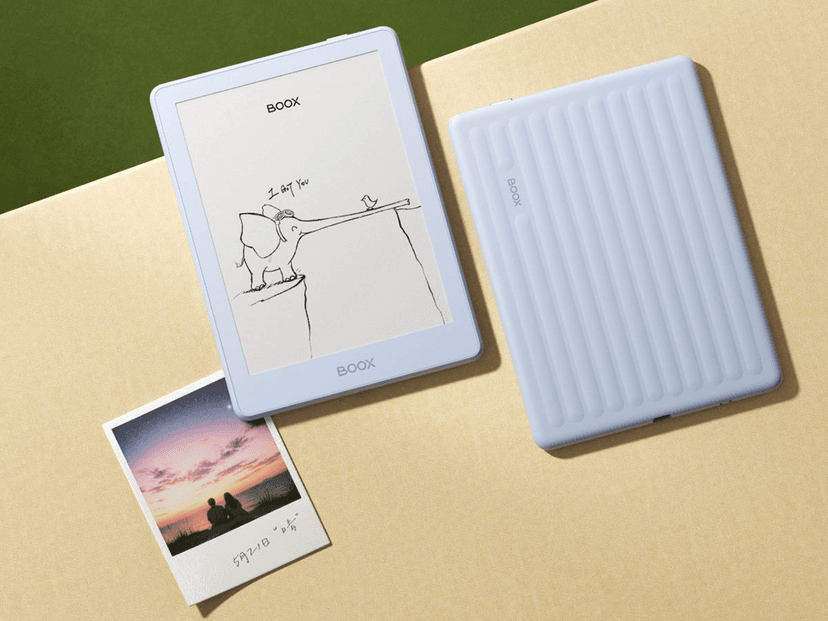
    Onyx Boox Poke 7 series brings paper-like clarity to your library

    Onyx Boox Poke 7 series brings paper-like clarity to your library

    New 300 ppi displays and 2 TB expandable storage offer a sharper, larger reading experience

    Ben Ramos32 minutes ago
    SpaceX IPO: A historic bet on the space economy

    SpaceX IPO: A historic bet on the space economy

    With 2025 revenue hitting $18.6 billion, the Nasdaq debut tests market appetite for Elon Musk

    Jasmine Wuabout 1 hour ago
    Figma AI agents turn manual design into high-level direction

    Figma AI agents turn manual design into high-level direction

    New intent-based tools allow designers to build layouts using natural language instead of clicking and dragging

    Evelyn Parkabout 5 hours ago
    NanoClaw's sandbox stops AI agents from compromising your OS

    NanoClaw's sandbox stops AI agents from compromising your OS

    NanoCo secures $12 million to scale its isolated architecture for enterprise AI deployment

    Marcus Dillardabout 6 hours ago

    Microsoft's new Surface lineup is for businesses, not consumers

    Wait for Snapdragon X2 models this summer if you aren't buying for an enterprise fleet

    Carter Brooksabout 7 hours ago
    Google Android XR glasses bring Gemini AI to your field of view

    Google Android XR glasses bring Gemini AI to your field of view

    Two new hardware paths arriving in 2026 aim to replace your phone with hands-free AI overlays

    Logan Priceabout 7 hours ago

    Small space, smart laundry: Xiaomi's new dual-zone washer faces US hurdles

    The Mijia Mini Dual-Zone offers simultaneous wash and dry cycles in 0.2 m², but import risks remain high for American buyers

    Logan Priceabout 9 hours ago
    Beyond the 150-minute minimum: Why your movement volume matters

    Beyond the 150-minute minimum: Why your movement volume matters

    New data shows a 30% cardiovascular risk reduction at higher weekly activity volumes

    Sarah Lindgrenabout 10 hours ago
    The age 35 threshold: Why your physical capacity begins to drop early

    The age 35 threshold: Why your physical capacity begins to drop early

    New longitudinal data shows physiological decline starts decades sooner than expected, shifting the window for effective health intervention

    Sarah Lindgrenabout 11 hours ago
    Slow biological aging through creative arts: A new longevity protocol

    Slow biological aging through creative arts: A new longevity protocol

    New UCL data suggests monthly cultural engagement provides measurable epigenetic benefits comparable to physical activity

    Mei-Lin Chenabout 12 hours ago
    Loading...
Tech/Gadgets

TSMC's 2-nanometer chip orders exceed 3-nm launch by 50 percent

12 January 2026

—

News

Priya Desai

TSMC secured 50 percent more pre-production orders than the previous chip generation, setting American smartphone users on track for multi-day battery life and on-device AI by late 2026. Apple claimed half of initial 2-nanometer fab capacity for iPhone 18 processors arriving late 2026, while Qualcomm, MediaTek, and Intel reserved remaining slots across mobile, automotive, and data-center segments.

Why it matters: The 2-nanometer process squeezes transistors 20 percent tighter than 3-nanometer nodes, enabling devices to run multiple days between charges while supporting advanced AI features that execute locally. Parents will record entire school plays without battery warnings. Remote workers will video conference through cross-country flights without hunting for power outlets.

By the numbers: TSMC's Q4 2024 results showed 3-nanometer chips captured 26 percent of wafer revenue, while 5-nanometer reached 34 percent. Advanced nodes—7-nanometer and below—represented 74 percent of total wafer sales, according to the company's earnings transcript.

State of play: The pure-foundry leader expanded market share from 31 percent to 38 percent between Q2 2024 and Q2 2025, driven by 3-nanometer production ramp and CoWoS advanced-packaging expansion, Counterpoint Research reported. TrendForce noted wafer pricing settled at a 10-to-20-percent premium over 3-nanometer—below early rumors of 50-percent increases.

What's next: Volume manufacturing starts in the second half of 2025. Goldman Sachs projects TSMC's overall 2026 revenue will climb 30 percent, powered by sustained 3-nanometer adoption and early 2-nanometer volume. Bank of America estimates 2-nanometer will capture 9 percent of revenue in 2026, with optimistic scenarios reaching 25 percent.

The bottom line: First devices using 2-nanometer silicon reach American consumers by late 2026, delivering AI-powered features that run locally—analyzing photos, translating conversations, generating text—without cloud delays. Battery performance extends from hours to days, enabling users to navigate road trips, attend full-day conferences, and run demanding applications without constant charging.

What is this about?

  • News/
  • Priya Desai/
  • Tech/
  • Gadgets/
  • TSMC 2nm/
  • semiconductor manufacturing/
  • Apple A-series chips/
  • battery performance/
  • on-device AI/
  • foundry capacity

Feed

    Onyx Boox Poke 7 series brings paper-like clarity to your library

    Onyx Boox Poke 7 series brings paper-like clarity to your library

    New 300 ppi displays and 2 TB expandable storage offer a sharper, larger reading experience

    Ben Ramos32 minutes ago
    SpaceX IPO: A historic bet on the space economy

    SpaceX IPO: A historic bet on the space economy

    With 2025 revenue hitting $18.6 billion, the Nasdaq debut tests market appetite for Elon Musk

    Jasmine Wuabout 1 hour ago
    Figma AI agents turn manual design into high-level direction

    Figma AI agents turn manual design into high-level direction

    New intent-based tools allow designers to build layouts using natural language instead of clicking and dragging

    Evelyn Parkabout 5 hours ago
    NanoClaw's sandbox stops AI agents from compromising your OS

    NanoClaw's sandbox stops AI agents from compromising your OS

    NanoCo secures $12 million to scale its isolated architecture for enterprise AI deployment

    Marcus Dillardabout 6 hours ago

    Microsoft's new Surface lineup is for businesses, not consumers

    Wait for Snapdragon X2 models this summer if you aren't buying for an enterprise fleet

    Carter Brooksabout 7 hours ago
    Google Android XR glasses bring Gemini AI to your field of view

    Google Android XR glasses bring Gemini AI to your field of view

    Two new hardware paths arriving in 2026 aim to replace your phone with hands-free AI overlays

    Logan Priceabout 7 hours ago

    Small space, smart laundry: Xiaomi's new dual-zone washer faces US hurdles

    The Mijia Mini Dual-Zone offers simultaneous wash and dry cycles in 0.2 m², but import risks remain high for American buyers

    Logan Priceabout 9 hours ago
    Beyond the 150-minute minimum: Why your movement volume matters

    Beyond the 150-minute minimum: Why your movement volume matters

    New data shows a 30% cardiovascular risk reduction at higher weekly activity volumes

    Sarah Lindgrenabout 10 hours ago
    The age 35 threshold: Why your physical capacity begins to drop early

    The age 35 threshold: Why your physical capacity begins to drop early

    New longitudinal data shows physiological decline starts decades sooner than expected, shifting the window for effective health intervention

    Sarah Lindgrenabout 11 hours ago
    Slow biological aging through creative arts: A new longevity protocol

    Slow biological aging through creative arts: A new longevity protocol

    New UCL data suggests monthly cultural engagement provides measurable epigenetic benefits comparable to physical activity

    Mei-Lin Chenabout 12 hours ago
    Loading...
Home
Home
Search
Search