
From AI and IoT to drones and robotics, five breakthrough technologies are transforming global farming into smarter, more resilient operations. Farmers are currently facing a perfect storm of labor scarcity, unpredictable weather, and input supply disruptions. While traditional methods struggle to keep pace, these digital tools offer a way to produce more with fewer resources, moving smart farming from an experimental niche to a global necessity by 2025.
1. Artificial Intelligence: From weather reports to plant health
Artificial Intelligence (AI) is shifting the farm management model from reactive to proactive. Instead of relying solely on experience, farmers now use data models to forecast issues before they are visible to the naked eye. AI-enabled machines can detect the first signs of nutrient deficiency or pest attacks through smartphones, drones, or satellites.
The real value for the consumer is precision resource management. By identifying specific areas of stress, farmers can apply fertilizers and water only where needed, reducing waste and costs. For instance, IBM Watson for Agriculture helps businesses analyze soil conditions, while the Plantix app allows anyone to identify crop diseases by simply taking a photo. This means you can expect a more stable food supply as waste is minimized and yields are protected from early-stage threats.
2. The Internet of Things (IoT): Real-time farm monitoring
The Internet of Things (IoT) connects physical equipment to digital systems, creating a constant flow of data on soil moisture, temperature, and livestock movement. These smart sensors allow for remote management, meaning a farmer doesn't have to be physically present to know that an irrigation system is functioning correctly or that a herd is healthy.
Key applications of IoT include:
- Sensor-guided drip irrigation (e.g., by Netafim) to automate water delivery based on precise plant needs.
- Wearable tech for livestock to monitor health and optimize drug timing.
- Cloud-based data storage to track historical trends and improve future planning.
Because these systems provide continuous oversight, they reduce losses and improve animal welfare, which translates to higher quality products reaching your table.
3. E-commerce: Cutting out the middleman
Digital marketplaces are reshaping how agricultural inputs and final products move through the economy. By connecting farmers directly to verified suppliers and buyers, these platforms remove multiple layers of intermediaries, which often inflate prices for both the producer and the consumer.
The impact of this digital shift is already measurable:
- Global adoption of agri e-commerce reached 45% among smallholder farmers in 2025, up from 28% in 2023.
- In the U.S., platforms facilitated $15 billion in direct farm-to-buyer transactions last year.
- These platforms reduced intermediary costs by 20-30% on average.
- Farmers saw a 15% increase in income through transparent pricing tools.
For the average reader, this means greater price transparency and a more efficient supply chain where more value stays with the people growing your food.
4. Robotics: Solving the labor shortage
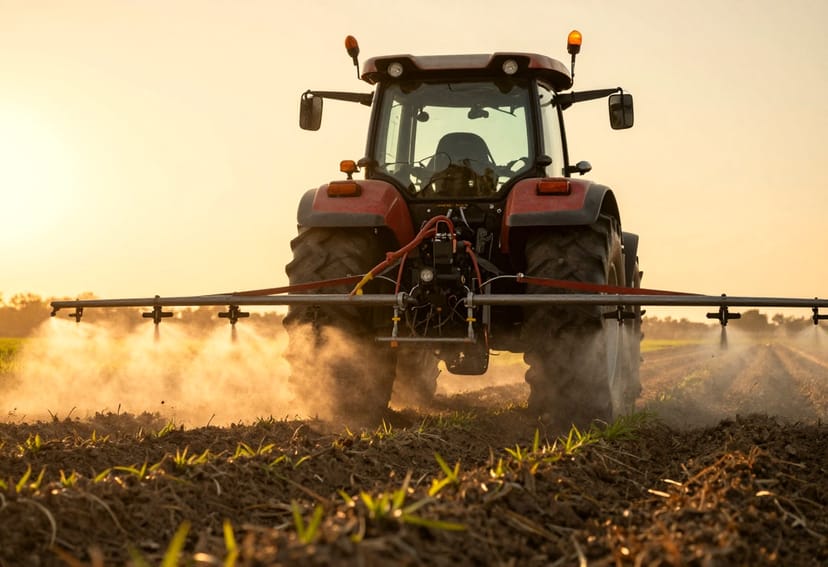
Robotics and automation are the primary solutions to the chronic labor shortages facing modern agriculture. These machines handle the repetitive, physically demanding tasks that are increasingly difficult to staff manually. Today's farm robotics include autonomous tractors, robotic milking systems, and automated weeders.
While robotics for weeding and scouting currently cover only 1-3% of the market as of 2025, the trajectory is clear. These machines use sensors and cameras to navigate fields with minimal human intervention. As these services become more attainable for smaller operations, you will see a shift toward automated harvesting, ensuring that food production remains viable even as rural populations decline. Read more: AI's scaling era is over. What comes next?.