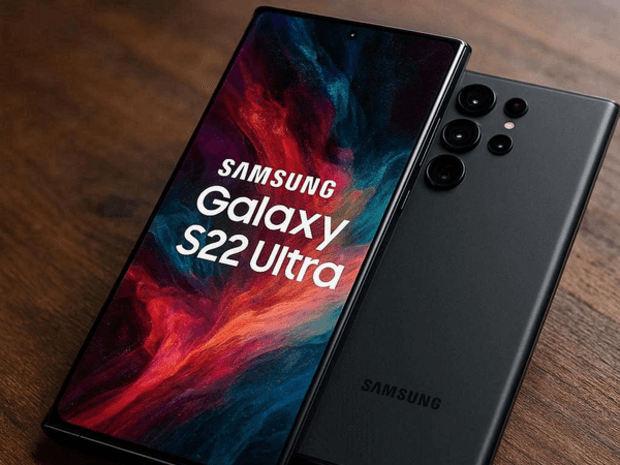

Reports indicate that the Samsung Galaxy S22 Ultra can become unusable after a standard factory reset. The issue appears on devices sold in the United States and triggers a lock at the IMEI level, displaying a message that reads "This device isn't private." Control then shifts to an unknown administrator linked to a firm called Numero LLC, a name that means nothing to most owners and everything to their ability to use the phone they paid for.
The problem stems from Samsung's Knox security system. When activated, the phone contacts Samsung's servers, finds its IMEI in a corporate device database, and forces a remote management profile onto the handset. Because the protection ties to the factory identifier, a serial number baked into the hardware, a complete reflash cannot restore the phone. It's like having a landlord show up with a key to your house, except you thought you owned it.
Consumers lose access to a flagship device without recourse. Owners report being bounced between Samsung support departments, each claiming they lack authority to remove the device from the corporate list. The lock effectively "bricks" the phone, undermining the expectation of ownership and resale value. For a device that launched at $1,199, the impact is significant. It represents a fundamental breakdown of trust.
Android Authority identified three possible causes. First, hackers may have breached official seller accounts and injected random devices into the database. Second, a vulnerability in Samsung's Knox security could be at fault. Third, past use of questionable unlocking services might have left a backdoor. Samsung has not issued a public solution or official statement, leaving owners to diagnose the problem themselves while the company remains silent.
Since the issue surfaced, dozens of users have posted similar complaints on forums and social media. The pattern suggests a systemic flaw rather than isolated incidents, but exact figures remain unverified. Samsung has not released data on how many devices are affected, which raises questions about transparency during product crises.
Until Samsung provides a method to deregister affected IMEIs, owners should treat the S22 Ultra as a high risk purchase. Potential buyers are advised to verify that any used device is free of the remote management profile before completing a sale. Check the Knox status. Ask for proof. And if the seller cannot explain why a factory reset is safe, walk away, because the phone you are buying might not be yours to keep.