
AI has long dominated ag industry headlines, but turning it from a concept into a daily tool requires more than a product launch. It is about moving past the hype to find practical layers that actually reduce friction in the field. For agricultural professionals, this means moving away from generic models toward systems that synthesize high-quality, curated data to support—rather than replace—human expertise.
The difference lies in the data quality. While large language models on the open web are impressive, they lack the specific context required for precision farming. AI layered on top of a highly curated, agronomy‑specific dataset is where you start to see real value emerge, according to Brendan Bachman, FS Agronomy Director of GROWMARK. This distinction is critical for anyone deciding whether to invest in new tech: the value isn't in the AI itself, but in the specific knowledge it can process.
Success is measured by measurable outcomes. Rather than looking for 100% adoption, the focus for retailers and farmers should be on identifying the performance gap. Success metrics for these tools include:
- Sustained usage growth among active users.
- Yield performance improvements compared to non-users.
- The speed and accuracy of in-season decision-making.
- Reduction in operational friction for crop specialists.
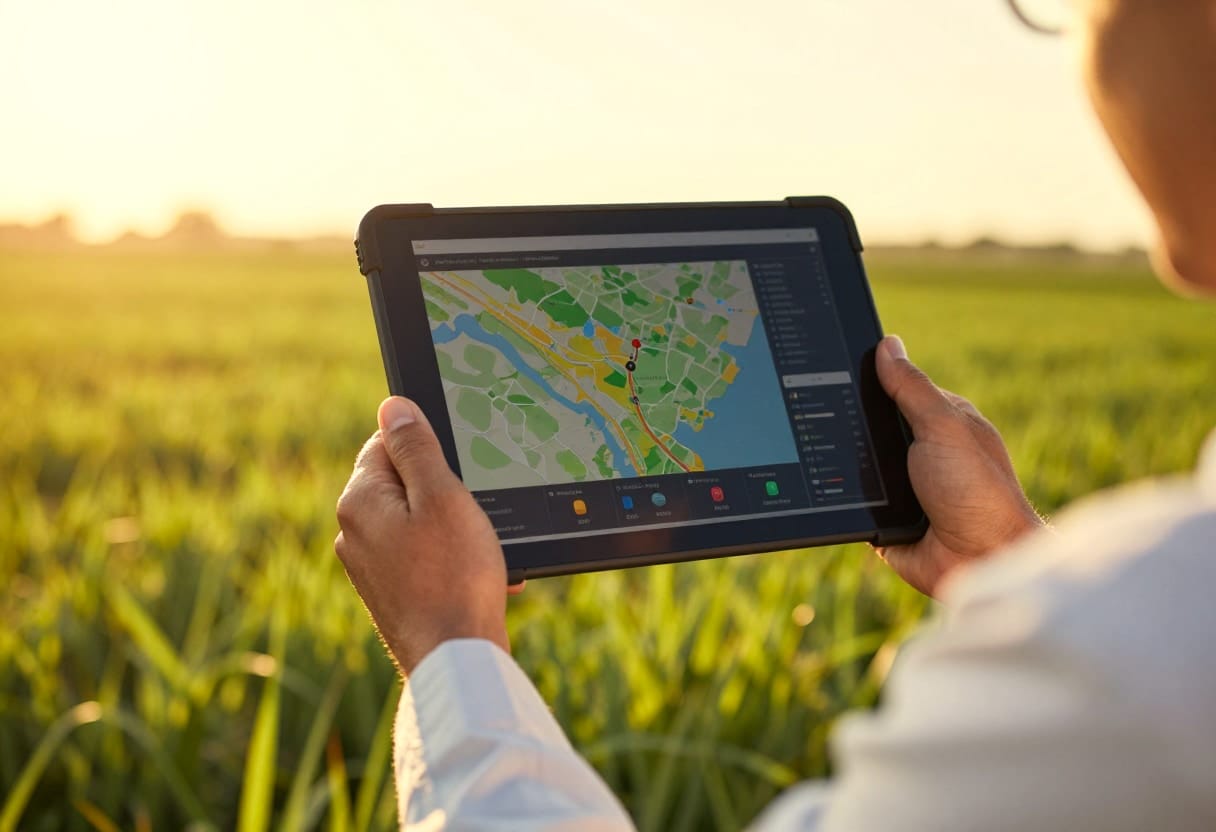
AI acts as a synthesis tool for better decisions. It doesn't provide a silver bullet; instead, it brings together complex variables to help you make faster choices. By integrating these tools into existing workflows—like those found in MyFS Agronomy—agronomists can focus on high-value strategy rather than getting bogged down in data synthesis. This shift allows you to focus on yield performance and long-term strategy while the software handles the heavy lifting of data cross-referencing.
The future is a competitiveness story. As accessibility increases through large language models, the barrier to entry is lowering, which will likely drive industry consolidation. Organizations that succeed will be those that use these tools to improve customer impact and product selection. To stay ahead, you should evaluate your current data infrastructure and look for tools that prioritize curated, agronomy-specific inputs over general-purpose AI. The goal is to move from simply having the data to having the ability to act on it faster than your competitors.