Pixelpaw Labs is preparing a Kickstarter campaign for the Phase modular gaming mouse, a $159 device that splits into two Joy‑Con‑style controllers with a 16,000 DPI optical sensor and a 1,000 Hz polling rate. The device addresses desk‑space constraints and merges productivity with play, letting users point and click through spreadsheets, then separate the halves for split‑screen gaming without swapping peripherals.
Gamers and multitaskers demand versatile hardware that pivots between tasks without clutter. Phase delivers two tools in one compact unit. Users slide a central latch to divide the mouse into two wireless controllers that connect via Bluetooth or a USB dongle. Each half operates independently or together, enabling dual‑hand gameplay or strategy sessions where players mark targets on a map, then flip to full‑controller mode for action titles.
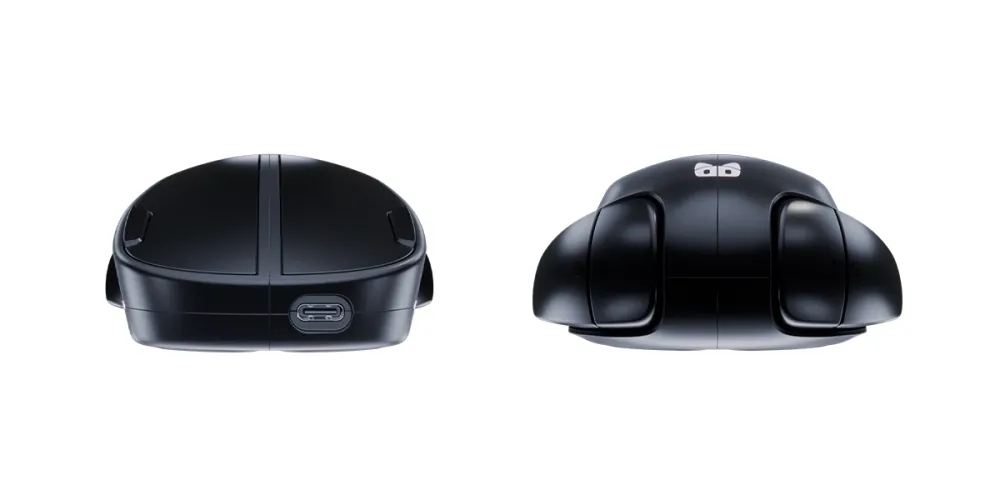
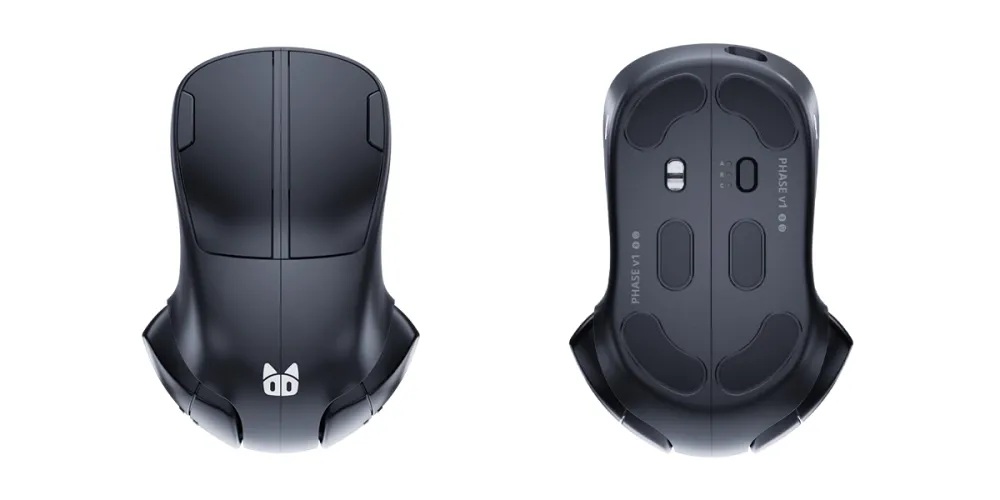
Phase packs 72 hours of battery life on a single USB‑C charge and supports three‑device connectivity. The optical sensor delivers 16,000 DPI precision at 1,000 Hz polling, ensuring rapid response for competitive shooters. A touch‑sensitive panel replaces the traditional scroll wheel, allowing swipe gestures for scrolling or zooming. Users can connect the device to up to three devices simultaneously—via Bluetooth or through a USB module.
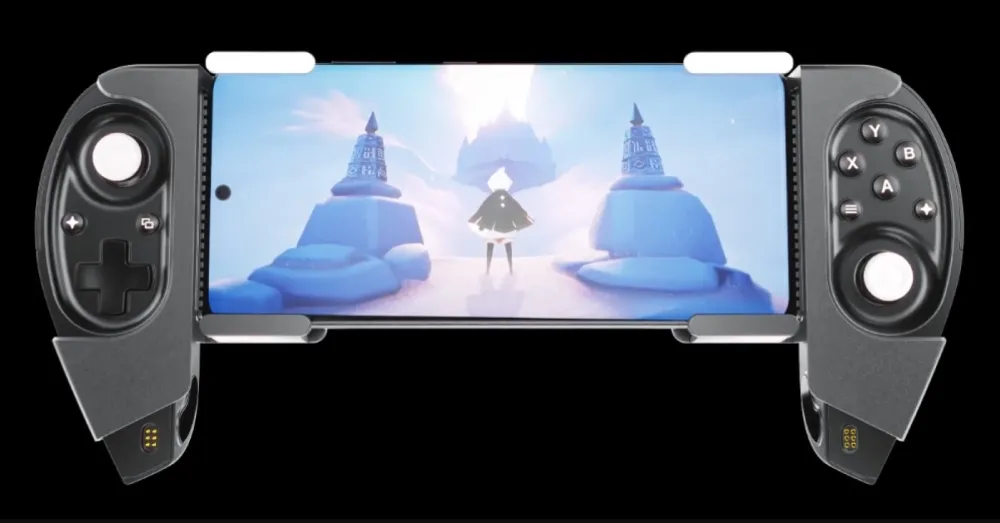
Pixelpaw Labs also introduced Phasegrip, a frame that clips split controllers onto a smartphone. The accessory converts the mouse into a handheld gamepad for mobile players. Priced at $188 for the bundle with Phase, Phasegrip eliminates extra hardware and brings console‑level control to mobile gaming.
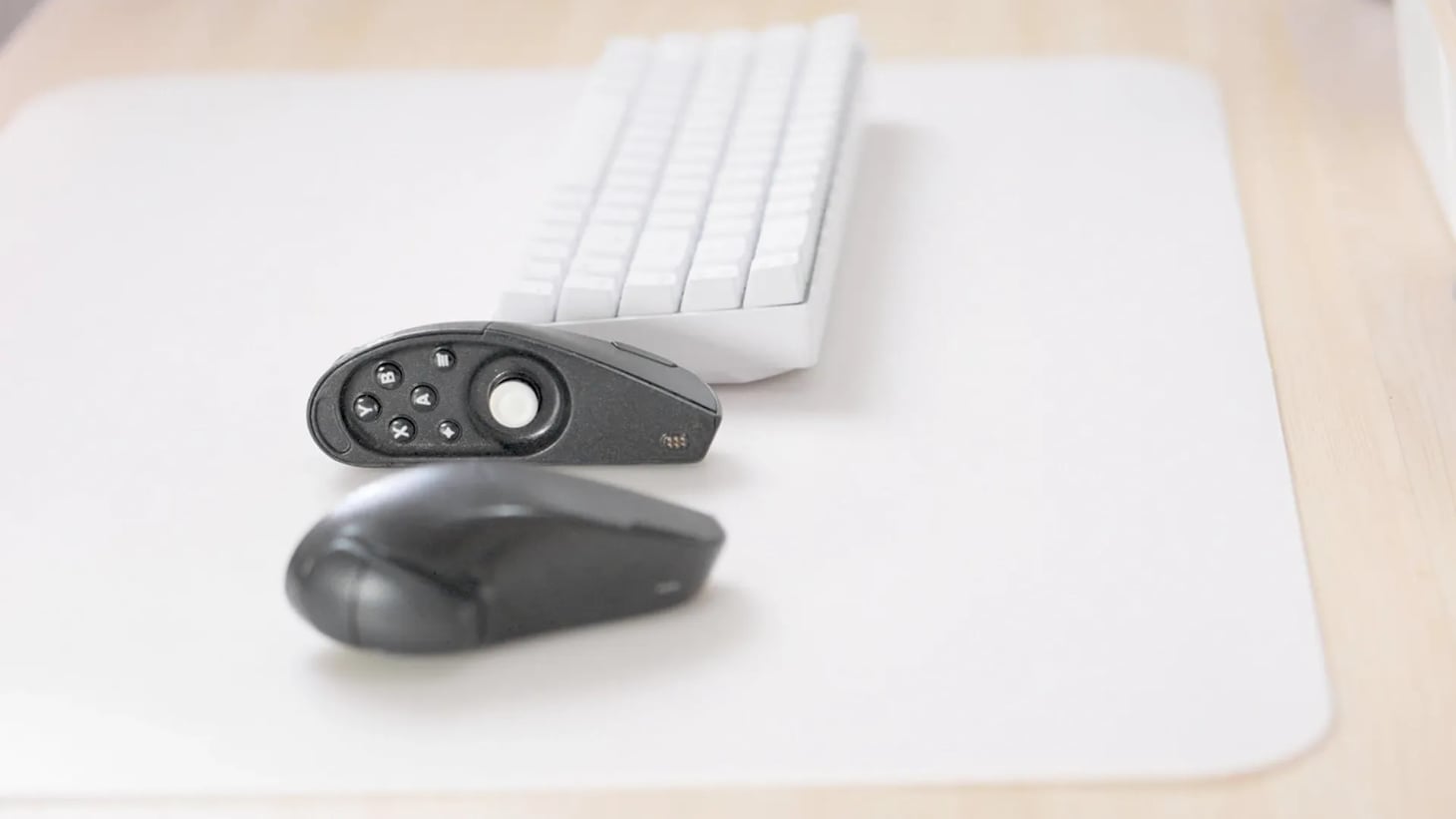
The expected retail price for Phase alone is $159, while the Phase plus Phasegrip bundle is expected to cost $188. The Kickstarter campaign launch date and specific delivery timeline have not yet been confirmed. The company hasn't released latency benchmarks or independent performance reviews, so performance‑focused players may prefer to wait for third‑party testing before committing.
Modular peripherals like Phase signal a shift toward adaptable gaming rigs and workstations. Watch for the upcoming Kickstarter campaign details, independent latency reviews, and real‑world battery tests as the product moves toward production. The question remains whether split‑controller ergonomics can match dedicated gamepads in marathon sessions, a detail that will shape the device's place on crowded desks.