
OpenAI shut down the Sora video‑generation app on March 24 in San Francisco to free thousands of GPU hours each week for its new Spud world‑simulation model, prompting Disney to pull out of a December 2024 partnership worth $1 billion before any money changed hands.
Why it matters. The shutdown instantly releases GPU capacity that was tied up in rendering pipelines. OpenAI can now accelerate its infrastructure rollout ahead of the next product cycle, according to Axios. Spud needs massive compute clusters to run long‑term world simulations, so the move pauses the planned integration of Sora into ChatGPT and redirects compute power to Spud's training.
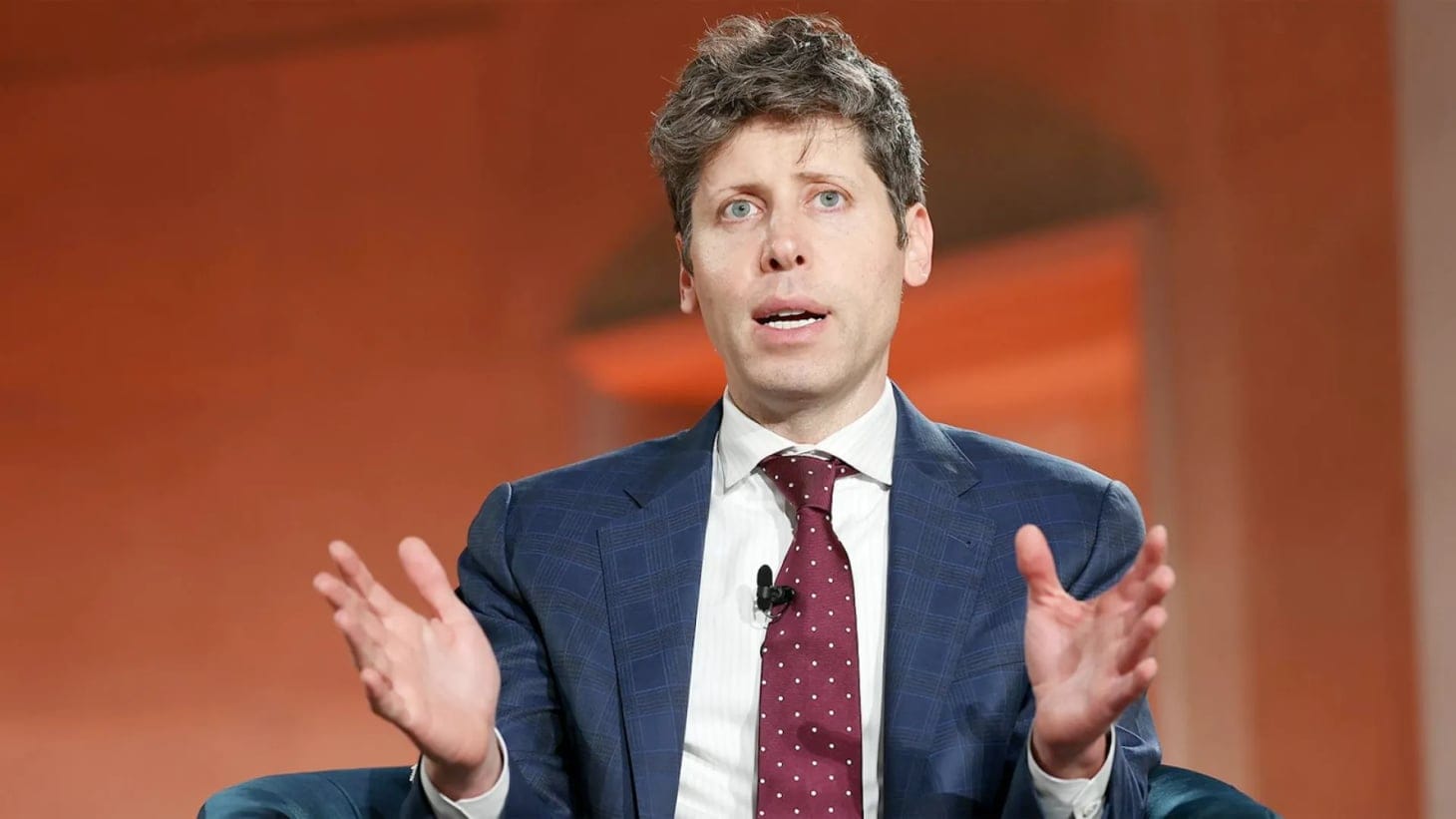
Leadership reshuffle follows. CEO Sam Altman handed direct oversight of safety to Mark Chen and security to Greg Brockman. Altman now focuses on fundraising, procurement, and building new data centers, AP News confirmed.
Disney exits partnership. The studio had announced a December 2024 deal to license Disney, Marvel, Pixar, and Star Wars characters for Sora and to embed the technology in Disney+. After the shutdown, Disney withdrew from the partnership.
What developers should do. Teams that built Sora‑based features need to act now. OpenAI has not released a deprecation schedule for existing API keys. Follow this checklist:
- Audit API keys and document every active Sora integration
- Evaluate alternative video‑generation services such as Runway and Pika
- Plan a migration timeline and allocate resources
- Update technical documentation and user communications
What's next. OpenAI says research will continue under a new mandate to create systems that simulate persistent, interactive environments. The focus shifts to game engines and spatial computing rather than consumer‑facing video apps. The vacuum left by Sora may speed up demand for AI‑driven video‑editing solutions as competitors stay in the market.
What to watch. Keep an eye on OpenAI's announcements about Spud's rollout and any future API offerings that could replace Sora's functionality.