
Logo
Decide better.Live better.
My feedToday
Logo
Decide better.Live better.
My feedToday
Logo
My feedToday

Stay Curious. Stay Wanture.

© 2026 Wanture. All rights reserved.

  • Terms of Use
  • Privacy Policy
Logo
Decide better.Live better.
My feedTodayTechScienceHealthMobilityMindProductivityHomeExperiencesLongevity
Logo
Decide better.Live better.
My feedTodayTechScienceHealthMobilityMindProductivityHomeExperiencesLongevity
Logo
My feedTodayTechScienceHealthMobilityMindProductivityHomeExperiencesLongevity

Musk plans orbital AI data centers in 4-5 years

20 November 2025

—

News

Devon Clarke

Elon Musk announced plans to launch orbital AI data centers within 4–5 years—a vision that could reshape how Americans access AI tools—while xAI simultaneously announced a 500 MW facility in Saudi Arabia on November 19, 2025.

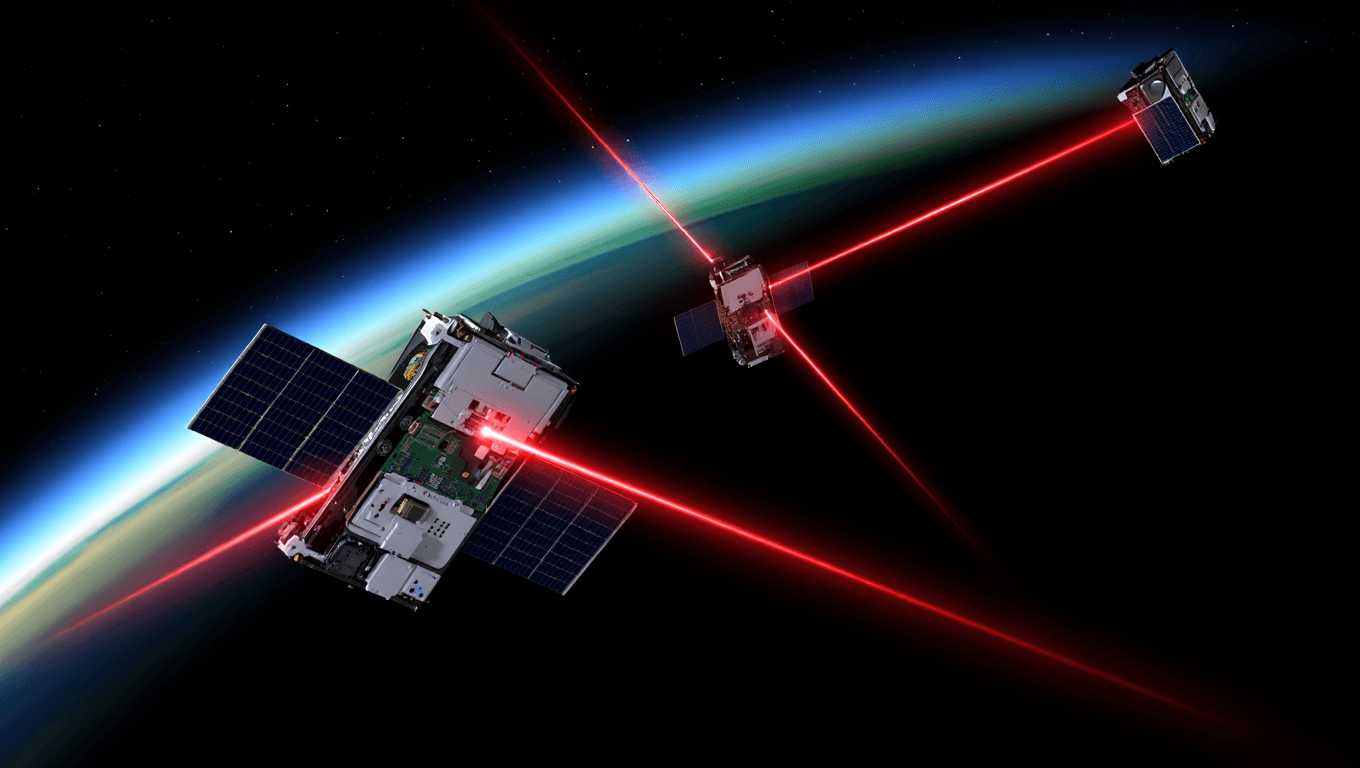
What's new: Musk outlined a dual-track strategy at a Saudi investment forum. Space-based computing would leverage Starlink's next-generation satellites with laser links. Each satellite weighs up to 4,400 pounds. Starship rockets would carry them to orbit.
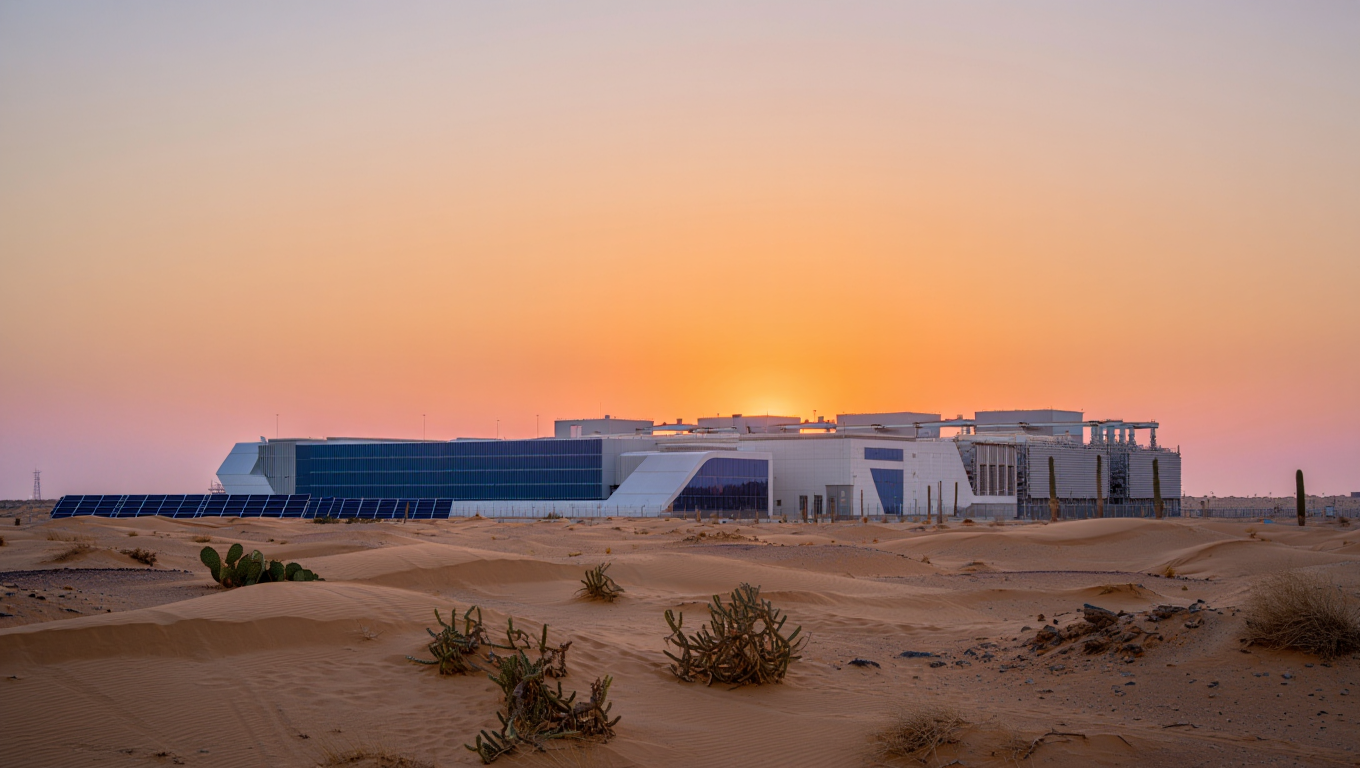
The Saudi project anchors xAI's international expansion. The U.S. Commerce Department authorized exports of up to 35,000 Nvidia Blackwell chips to Saudi state-backed HUMAIN and UAE's G42. This enables the buildout.

Why it matters: AI training devours power. A 500 MW data center powers AI models that could diagnose diseases or optimize supply chains. But it uses enough electricity to run 400,000 American homes.

Musk argues orbital data centers solve three bottlenecks. Satellites harvest uninterrupted solar energy. Space provides natural cooling through thermal radiation. Scaling to 300 gigawatts on Earth hits physical limits.

These data centers power the AI assistants on your phone. They run the algorithms recommending your next show. They help doctors spot cancer earlier.

Reality check: Space computing faces steep barriers. Launching one satellite costs as much as sending 50 luxury cars to space. That's even with reusable rockets. Starship's promised bargain-basement pricing remains unproven at scale.

Radiation degrades processors faster than on Earth. Latency sits at 10–40 milliseconds in low orbit. Acceptable for some tasks. Problematic for real-time responses.

Maintenance poses another challenge. A failed server on Earth gets fixed within hours. In orbit, it requires robotic systems or entire service missions.

By the numbers: The Saudi facility will house 18,000 GB300 processors on Nvidia's Blackwell architecture. The project represents one of the largest xAI data centers outside the United States.

What's next: American hyperscalers like Microsoft and Google are racing to secure Blackwell chips. Domestic projects span from Virginia data hubs to Texas AI campuses.

For U.S. tech workers and startups, this signals a global race for AI infrastructure. Access to cutting-edge chips could determine who leads the next decade of innovation.

Whether computing moves to orbit or stays grounded depends on Starship's economics and radiation shielding breakthroughs. Musk's timeline tests both.


What is this about?

  • News
  • Devon Clarke
  • Tech
  • Business

Feed

    ..

    ..

    ..

    Auden Wheelockabout 6 hours ago
    Apple Breaks Autumn Cadence: iPhone 18 Pro and iPhone Ultra

    Apple Breaks Autumn Cadence: iPhone 18 Pro and iPhone Ultra

    Plan purchases around September’s standard lineup or wait for Q4 hardware

    Ben Ramosabout 10 hours ago
    Apple Watch Ultra 4 could track blood pressure trends

    Apple Watch Ultra 4 could track blood pressure trends

    A potential hardware redesign with 8 sensors aims to move from simple alerts to direct cardiovascular measurement

    Ben Ramos4 days ago

    Your earbuds could become a secure digital key via your heartbeat

    AccLock uses standard accelerometers to verify identity without needing premium optical heart trackers

    Ben Ramos5 days ago
    Memory chip shortages could end by 2027

    Memory chip shortages could end by 2027

    Aggressive Chinese production expansions from YMTC and CXMT may lower hardware costs sooner than the 2030 consensus

    Ben Ramos5 days ago
    Hisense Explorer X1 Pro brings 120-inch cinema to your living room

    Hisense Explorer X1 Pro brings 120-inch cinema to your living room

    A new tri-color laser engine offers 110% BT.2020 color gamut, though US availability remains unannounced

    Logan Price5 days ago
    Onyx Boox Poke 7 series brings paper-like clarity to your library

    Onyx Boox Poke 7 series brings paper-like clarity to your library

    New 300 ppi displays and 2 TB expandable storage offer a sharper, larger reading experience

    Ben Ramos5 days ago
    SpaceX IPO: A historic bet on the space economy

    SpaceX IPO: A historic bet on the space economy

    With 2025 revenue hitting $18.6 billion, the Nasdaq debut tests market appetite for Elon Musk

    Jasmine Wu5 days ago
    Figma AI agents turn manual design into high-level direction

    Figma AI agents turn manual design into high-level direction

    New intent-based tools allow designers to build layouts using natural language instead of clicking and dragging

    Evelyn Park6 days ago
    NanoClaw's sandbox stops AI agents from compromising your OS

    NanoClaw's sandbox stops AI agents from compromising your OS

    NanoCo secures $12 million to scale its isolated architecture for enterprise AI deployment

    Marcus Dillard6 days ago
    Loading...

Musk plans orbital AI data centers in 4-5 years

20 November 2025

—

News

Devon Clarke

Elon Musk announced plans to launch orbital AI data centers within 4–5 years—a vision that could reshape how Americans access AI tools—while xAI simultaneously announced a 500 MW facility in Saudi Arabia on November 19, 2025.

What's new: Musk outlined a dual-track strategy at a Saudi investment forum. Space-based computing would leverage Starlink's next-generation satellites with laser links. Each satellite weighs up to 4,400 pounds. Starship rockets would carry them to orbit.

The Saudi project anchors xAI's international expansion. The U.S. Commerce Department authorized exports of up to 35,000 Nvidia Blackwell chips to Saudi state-backed HUMAIN and UAE's G42. This enables the buildout.

Why it matters: AI training devours power. A 500 MW data center powers AI models that could diagnose diseases or optimize supply chains. But it uses enough electricity to run 400,000 American homes.

Musk argues orbital data centers solve three bottlenecks. Satellites harvest uninterrupted solar energy. Space provides natural cooling through thermal radiation. Scaling to 300 gigawatts on Earth hits physical limits.

These data centers power the AI assistants on your phone. They run the algorithms recommending your next show. They help doctors spot cancer earlier.

Reality check: Space computing faces steep barriers. Launching one satellite costs as much as sending 50 luxury cars to space. That's even with reusable rockets. Starship's promised bargain-basement pricing remains unproven at scale.

Radiation degrades processors faster than on Earth. Latency sits at 10–40 milliseconds in low orbit. Acceptable for some tasks. Problematic for real-time responses.

Maintenance poses another challenge. A failed server on Earth gets fixed within hours. In orbit, it requires robotic systems or entire service missions.

By the numbers: The Saudi facility will house 18,000 GB300 processors on Nvidia's Blackwell architecture. The project represents one of the largest xAI data centers outside the United States.

What's next: American hyperscalers like Microsoft and Google are racing to secure Blackwell chips. Domestic projects span from Virginia data hubs to Texas AI campuses.

For U.S. tech workers and startups, this signals a global race for AI infrastructure. Access to cutting-edge chips could determine who leads the next decade of innovation.

Whether computing moves to orbit or stays grounded depends on Starship's economics and radiation shielding breakthroughs. Musk's timeline tests both.

What is this about?

  • News/
  • Devon Clarke/
  • Tech/
  • Business

Feed

    ..

    ..

    ..

    Auden Wheelockabout 6 hours ago
    Apple Breaks Autumn Cadence: iPhone 18 Pro and iPhone Ultra

    Apple Breaks Autumn Cadence: iPhone 18 Pro and iPhone Ultra

    Plan purchases around September’s standard lineup or wait for Q4 hardware

    Ben Ramosabout 10 hours ago
    Apple Watch Ultra 4 could track blood pressure trends

    Apple Watch Ultra 4 could track blood pressure trends

    A potential hardware redesign with 8 sensors aims to move from simple alerts to direct cardiovascular measurement

    Ben Ramos4 days ago

    Your earbuds could become a secure digital key via your heartbeat

    AccLock uses standard accelerometers to verify identity without needing premium optical heart trackers

    Ben Ramos5 days ago
    Memory chip shortages could end by 2027

    Memory chip shortages could end by 2027

    Aggressive Chinese production expansions from YMTC and CXMT may lower hardware costs sooner than the 2030 consensus

    Ben Ramos5 days ago
    Hisense Explorer X1 Pro brings 120-inch cinema to your living room

    Hisense Explorer X1 Pro brings 120-inch cinema to your living room

    A new tri-color laser engine offers 110% BT.2020 color gamut, though US availability remains unannounced

    Logan Price5 days ago
    Onyx Boox Poke 7 series brings paper-like clarity to your library

    Onyx Boox Poke 7 series brings paper-like clarity to your library

    New 300 ppi displays and 2 TB expandable storage offer a sharper, larger reading experience

    Ben Ramos5 days ago
    SpaceX IPO: A historic bet on the space economy

    SpaceX IPO: A historic bet on the space economy

    With 2025 revenue hitting $18.6 billion, the Nasdaq debut tests market appetite for Elon Musk

    Jasmine Wu5 days ago
    Figma AI agents turn manual design into high-level direction

    Figma AI agents turn manual design into high-level direction

    New intent-based tools allow designers to build layouts using natural language instead of clicking and dragging

    Evelyn Park6 days ago
    NanoClaw's sandbox stops AI agents from compromising your OS

    NanoClaw's sandbox stops AI agents from compromising your OS

    NanoCo secures $12 million to scale its isolated architecture for enterprise AI deployment

    Marcus Dillard6 days ago
    Loading...
Home
Home
Search
Search