Chrome has started rolling out a desktop-style bookmarks bar to Android tablets and foldable phones, placing quick-access links directly below the address bar. The feature eliminates the extra tap needed to open the bookmark manager and mirrors desktop navigation, letting users switch between research tabs and saved sites without leaving the page.
The bar displays bookmarks with their icons and folder structures below the URL field. When screen width cannot fit all items, excess entries collapse into a submenu. The design follows the same hierarchy used on Windows and macOS browsers, bringing familiar desktop browsing patterns to larger Android devices.
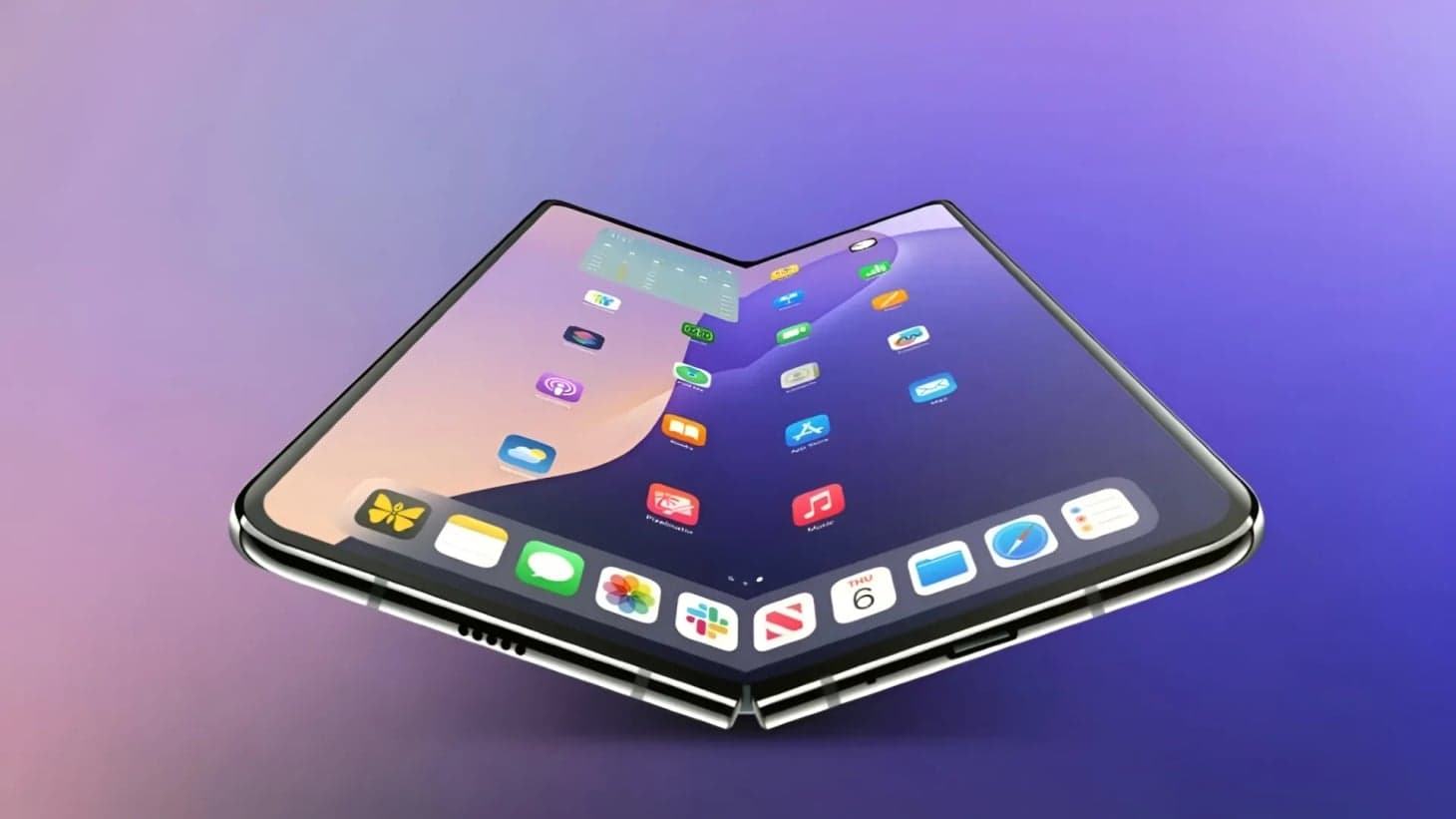
Chrome enables the bar on tablets and foldable smartphones with book-style form factors, such as the Galaxy Z Fold series. The feature activates only on tablet-mode layouts, not on standard phones.
Users activate the bookmarks bar by opening Chrome, tapping the three-dot menu, selecting Settings, then Appearance, and toggling "Show bookmarks bar." If the toggle is missing, update Chrome to version 146 or later and restart the app. Overflow items group under a compact submenu that reveals hidden bookmarks when tapped.
The bookmarks bar turns tablets into more capable productivity tools by reducing navigation friction. Users can access frequently visited sites instantly without interrupting their workflow, making large-screen Android devices more practical for research, content creation, and multitasking scenarios where quick access to saved resources matters.