
Logo
Decide better.Live better.
My feedToday
Logo
Decide better.Live better.
My feedToday
Logo
My feedToday

Stay Curious. Stay Wanture.

© 2026 Wanture. All rights reserved.

  • Terms of Use
  • Privacy Policy
Logo
Decide better.Live better.
My feedTodayTechScienceHealthMobilityMindProductivityHomeExperiencesLongevity
Logo
Decide better.Live better.
My feedTodayTechScienceHealthMobilityMindProductivityHomeExperiencesLongevity
Logo
My feedTodayTechScienceHealthMobilityMindProductivityHomeExperiencesLongevity

Baseus Card Magnetic Air: 6.9 mm, 5,000 mAh, 60 W Power Bank

5 April 2026

—

News

Carter Brooks

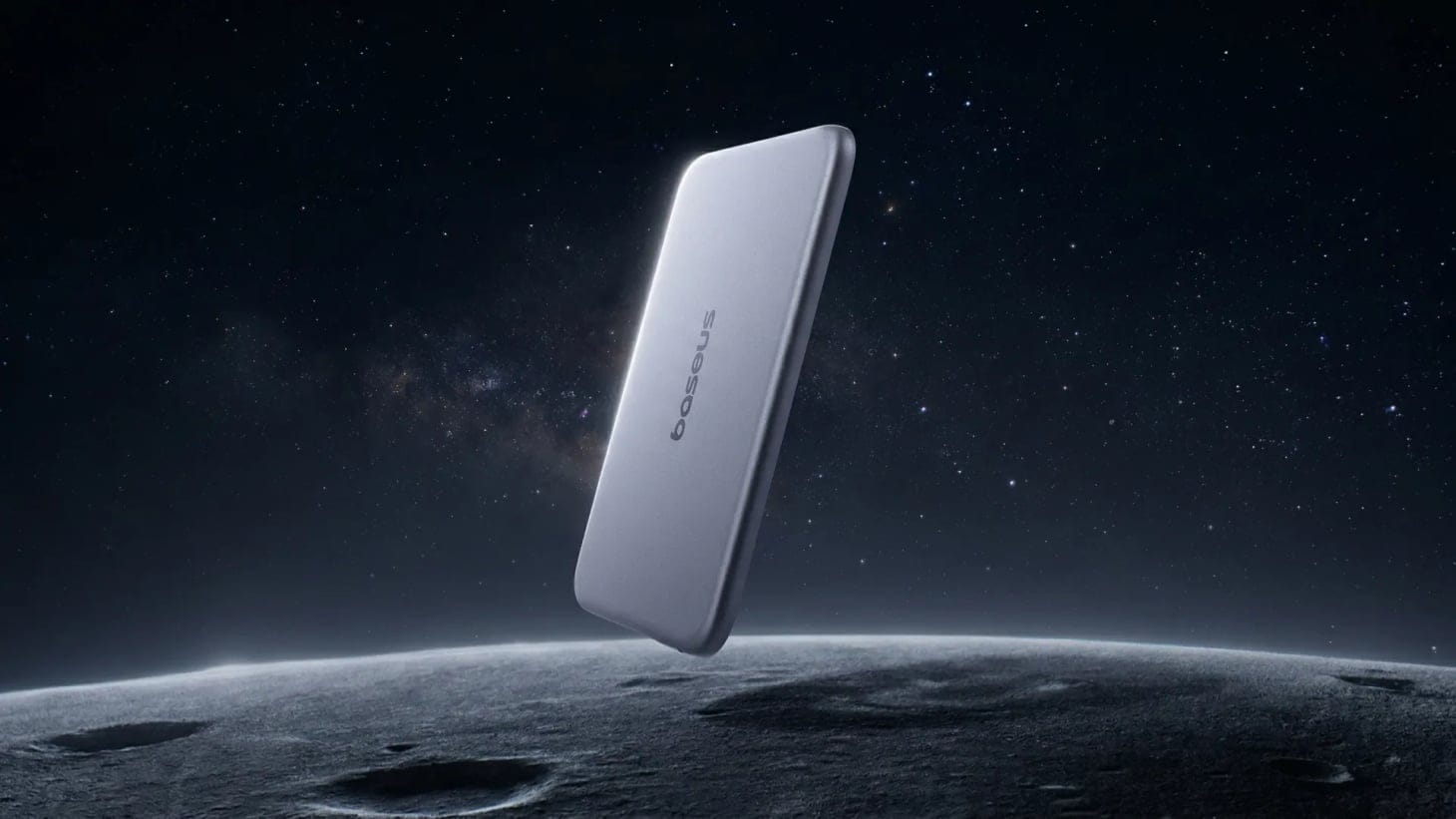
Baseus launched a 5,000 mAh magnetic power bank in China that measures just 6.9 mm thick and claims to deliver 60 W peak output, challenging assumptions about portable battery design. The Card Magnetic Air debuted at a pre‑order price of 299 yuan (around $41) and is slated for broader Asian release later this year.

Why it matters: The combination of ultra‑slim form factor and high wattage represents a significant technical achievement in portable power. Most magnetic power banks this thin max out around 20 W wired, making the 60 W claim noteworthy if real‑world testing confirms performance under various conditions.

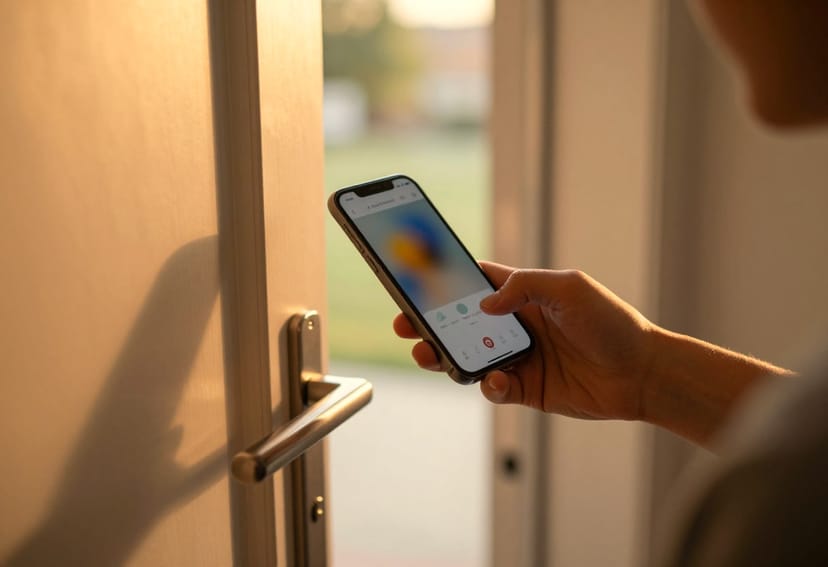
The tech stack: Baseus integrated magnetic wireless charging, AI‑driven power management, and a graphene cooling system. AI sensors detect connected devices and adjust voltage to protect battery health. An NFC tag enables quick charge‑level checks via smartphone tap without requiring a dedicated app.

By the numbers:

  • Thickness: ==6.9 mm== (about three credit cards)
  • Capacity: 5,000 mAh
  • Maximum output: ==60 W== (with compatible adapter)
  • Wired USB‑C charging: up to 22.5 W
  • Temperature range: ==–60 °C to +140 °C== (–76 °F to +284 °F)
  • Wireless rates: 15 W (Android), 7.5 W (iPhone)
  • Build: Solid aluminum case
  • Simultaneous charging: Two devices

Reality check: The extreme temperature range addresses durability across climates, from Minnesota winters to Phoenix summers. While most users won't encounter –60 °C conditions, the robust engineering margin suggests reliability for everyday use.

What's next: Baseus plans expansion to other Asian markets later this year. U.S. distribution timelines remain unconfirmed, though the company typically brings popular products to Western markets within 12 to 18 months of Asian launches. Independent testing will determine whether the performance claims hold up and whether the device can compete with established brands like Anker and Belkin.

The bottom line: This launch represents one of the more intriguing portable batteries in recent memory, combining portability with impressive claimed performance. The $41 price point suggests Baseus aims to compete aggressively in the premium portable power segment.

What is this about?

  • News
  • Carter Brooks
  • Tech
  • Gadgets
  • Ultra‑Slim Magnetic Power Bank
  • High‑Wattage Charger
  • AI‑Driven Power Management

Feed

    Tesla gets European approval for semi-autonomous driving — here's what you need to pass before using it

    Tesla gets European approval for semi-autonomous driving — here's what you need to pass before using it

    You must pass a mandatory safety quiz and accept a "Max Speed" setting as regulators weigh U.S. crash data against autonomous claims

    Auden Wheelock3 days ago
    Apple Breaks Autumn Cadence: iPhone 18 Pro and iPhone Ultra

    Apple Breaks Autumn Cadence: iPhone 18 Pro and iPhone Ultra

    Plan purchases around September’s standard lineup or wait for Q4 hardware

    Ben Ramos5 days ago
    Apple Watch Ultra 4 could track blood pressure trends

    Apple Watch Ultra 4 could track blood pressure trends

    A potential hardware redesign with 8 sensors aims to move from simple alerts to direct cardiovascular measurement

    Ben Ramos22 May 2026

    Your earbuds could become a secure digital key via your heartbeat

    AccLock uses standard accelerometers to verify identity without needing premium optical heart trackers

    Ben Ramos21 May 2026
    Memory chip shortages could end by 2027

    Memory chip shortages could end by 2027

    Aggressive Chinese production expansions from YMTC and CXMT may lower hardware costs sooner than the 2030 consensus

    Ben Ramos21 May 2026
    Hisense Explorer X1 Pro brings 120-inch cinema to your living room

    Hisense Explorer X1 Pro brings 120-inch cinema to your living room

    A new tri-color laser engine offers 110% BT.2020 color gamut, though US availability remains unannounced

    Logan Price21 May 2026
    Onyx Boox Poke 7 series brings paper-like clarity to your library

    Onyx Boox Poke 7 series brings paper-like clarity to your library

    New 300 ppi displays and 2 TB expandable storage offer a sharper, larger reading experience

    Ben Ramos20 May 2026
    SpaceX IPO: A historic bet on the space economy

    SpaceX IPO: A historic bet on the space economy

    With 2025 revenue hitting $18.6 billion, the Nasdaq debut tests market appetite for Elon Musk

    Jasmine Wu20 May 2026
    Figma AI agents turn manual design into high-level direction

    Figma AI agents turn manual design into high-level direction

    New intent-based tools allow designers to build layouts using natural language instead of clicking and dragging

    Evelyn Park20 May 2026
    NanoClaw's sandbox stops AI agents from compromising your OS

    NanoClaw's sandbox stops AI agents from compromising your OS

    NanoCo secures $12 million to scale its isolated architecture for enterprise AI deployment

    Marcus Dillard20 May 2026
    Loading...

Baseus Card Magnetic Air: 6.9 mm, 5,000 mAh, 60 W Power Bank

5 April 2026

—

News

Carter Brooks

Baseus launched a 5,000 mAh magnetic power bank in China that measures just 6.9 mm thick and claims to deliver 60 W peak output, challenging assumptions about portable battery design. The Card Magnetic Air debuted at a pre‑order price of 299 yuan (around $41) and is slated for broader Asian release later this year.

Why it matters: The combination of ultra‑slim form factor and high wattage represents a significant technical achievement in portable power. Most magnetic power banks this thin max out around 20 W wired, making the 60 W claim noteworthy if real‑world testing confirms performance under various conditions.

The tech stack: Baseus integrated magnetic wireless charging, AI‑driven power management, and a graphene cooling system. AI sensors detect connected devices and adjust voltage to protect battery health. An NFC tag enables quick charge‑level checks via smartphone tap without requiring a dedicated app.

By the numbers:

  • Thickness: ==6.9 mm== (about three credit cards)
  • Capacity: 5,000 mAh
  • Maximum output: ==60 W== (with compatible adapter)
  • Wired USB‑C charging: up to 22.5 W
  • Temperature range: ==–60 °C to +140 °C== (–76 °F to +284 °F)
  • Wireless rates: 15 W (Android), 7.5 W (iPhone)
  • Build: Solid aluminum case
  • Simultaneous charging: Two devices

Reality check: The extreme temperature range addresses durability across climates, from Minnesota winters to Phoenix summers. While most users won't encounter –60 °C conditions, the robust engineering margin suggests reliability for everyday use.

What's next: Baseus plans expansion to other Asian markets later this year. U.S. distribution timelines remain unconfirmed, though the company typically brings popular products to Western markets within 12 to 18 months of Asian launches. Independent testing will determine whether the performance claims hold up and whether the device can compete with established brands like Anker and Belkin.

The bottom line: This launch represents one of the more intriguing portable batteries in recent memory, combining portability with impressive claimed performance. The $41 price point suggests Baseus aims to compete aggressively in the premium portable power segment.
What is this about?

  • News/
  • Carter Brooks/
  • Tech/
  • Gadgets/
  • Ultra‑Slim Magnetic Power Bank/
  • High‑Wattage Charger/
  • AI‑Driven Power Management

Feed

    Tesla gets European approval for semi-autonomous driving — here's what you need to pass before using it

    Tesla gets European approval for semi-autonomous driving — here's what you need to pass before using it

    You must pass a mandatory safety quiz and accept a "Max Speed" setting as regulators weigh U.S. crash data against autonomous claims

    Auden Wheelock3 days ago
    Apple Breaks Autumn Cadence: iPhone 18 Pro and iPhone Ultra

    Apple Breaks Autumn Cadence: iPhone 18 Pro and iPhone Ultra

    Plan purchases around September’s standard lineup or wait for Q4 hardware

    Ben Ramos5 days ago
    Apple Watch Ultra 4 could track blood pressure trends

    Apple Watch Ultra 4 could track blood pressure trends

    A potential hardware redesign with 8 sensors aims to move from simple alerts to direct cardiovascular measurement

    Ben Ramos22 May 2026

    Your earbuds could become a secure digital key via your heartbeat

    AccLock uses standard accelerometers to verify identity without needing premium optical heart trackers

    Ben Ramos21 May 2026
    Memory chip shortages could end by 2027

    Memory chip shortages could end by 2027

    Aggressive Chinese production expansions from YMTC and CXMT may lower hardware costs sooner than the 2030 consensus

    Ben Ramos21 May 2026
    Hisense Explorer X1 Pro brings 120-inch cinema to your living room

    Hisense Explorer X1 Pro brings 120-inch cinema to your living room

    A new tri-color laser engine offers 110% BT.2020 color gamut, though US availability remains unannounced

    Logan Price21 May 2026
    Onyx Boox Poke 7 series brings paper-like clarity to your library

    Onyx Boox Poke 7 series brings paper-like clarity to your library

    New 300 ppi displays and 2 TB expandable storage offer a sharper, larger reading experience

    Ben Ramos20 May 2026
    SpaceX IPO: A historic bet on the space economy

    SpaceX IPO: A historic bet on the space economy

    With 2025 revenue hitting $18.6 billion, the Nasdaq debut tests market appetite for Elon Musk

    Jasmine Wu20 May 2026
    Figma AI agents turn manual design into high-level direction

    Figma AI agents turn manual design into high-level direction

    New intent-based tools allow designers to build layouts using natural language instead of clicking and dragging

    Evelyn Park20 May 2026
    NanoClaw's sandbox stops AI agents from compromising your OS

    NanoClaw's sandbox stops AI agents from compromising your OS

    NanoCo secures $12 million to scale its isolated architecture for enterprise AI deployment

    Marcus Dillard20 May 2026
    Loading...
Home
Home
Search
Search