Tim Cook displayed the first iPod, iPhone, and Apple Watch prototypes during a rare media tour marking Apple's 50th anniversary, transforming early engineering experiments into a narrative about human-centered innovation.
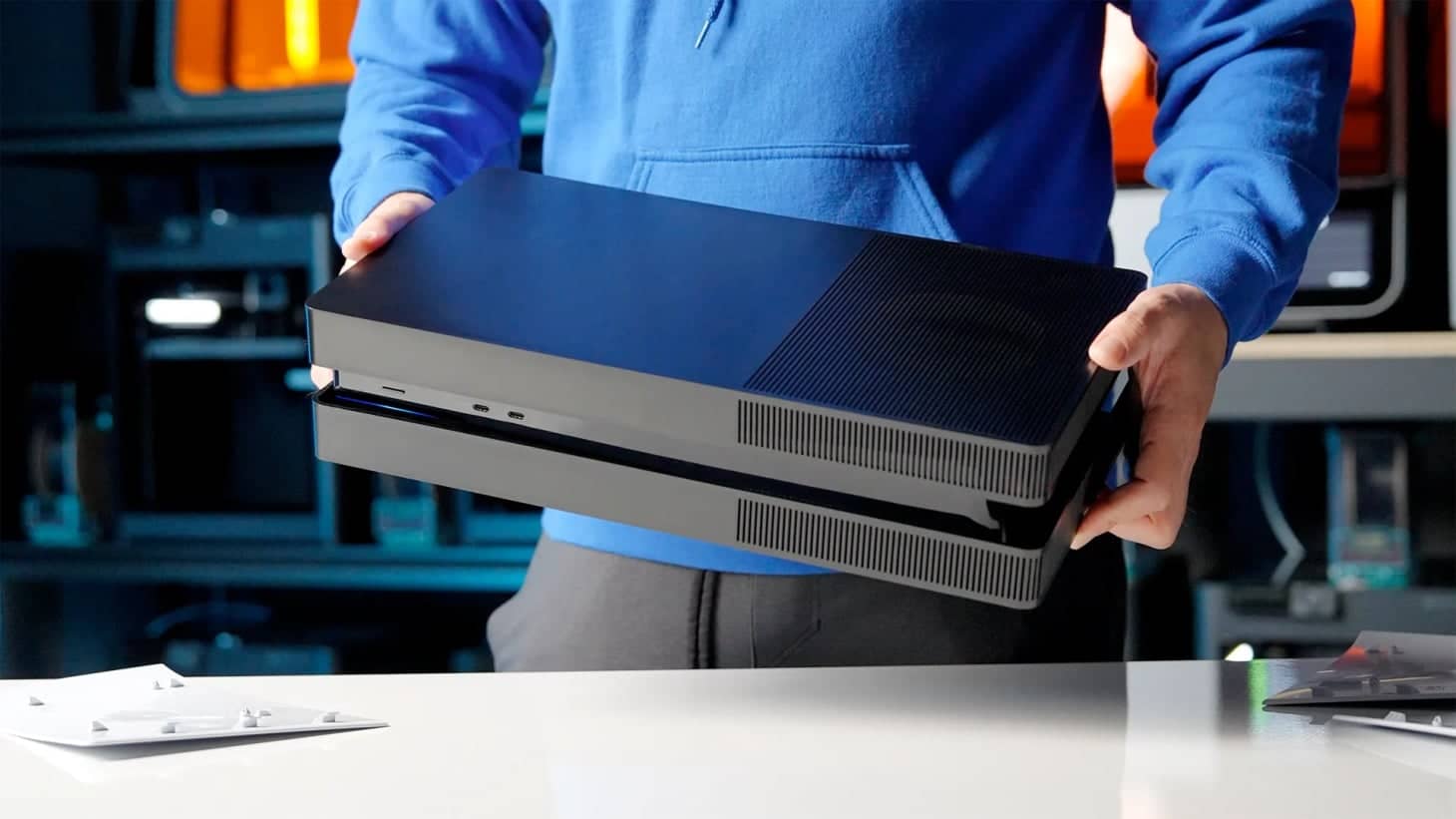
The iPhone prototype stretched across a worktable, a tangle of circuit boards and sensors proving multi-touch technology could work outside the lab. The iPod sat in a bulky aluminum case. Cook wore the Apple Watch prototype on his wrist at the Sept. 9, 2014 launch.
Why it matters: These weren't nostalgia pieces. They revealed Apple's design philosophy: start with human actions, then build hardware to support them. As detailed in Apple's 50-year user-action story, each device began with simple gestures like recording sounds, tracking runs, or checking heartbeats.
By the numbers: Apple has accumulated ==more than 140,000 patents== since filing its first in 1977 for the Apple II computer. Cook joined Apple in 1998, and the iPod launched three years later as his first completely new product at the company.
The evolution: That compression from workbench sprawl to seamless glass defines Apple's half-century journey. The iPod's bulky case eventually shrunk into the shuffle. The sprawling iPhone prototype condensed into a rectangle that redefined computing.
Cook and journalists also examined a 1978 newspaper where Apple Computer Inc. received its ==first media mention== on page 40, paragraph 16, a single reference foreshadowing decades of headlines.
What's next: Cook's tour signaled Apple plans to continue mining its heritage while advancing new hardware. Future breakthroughs will emerge from the same hands-on experimentation that turned garage concepts into market-ready products, testing whether that approach still scales for the next 50 years.



-1.webp&w=3840&q=70)