
Logo
Decide better.Live better.
My feedToday
Logo
Decide better.Live better.
My feedToday
Logo
My feedToday

Stay Curious. Stay Wanture.

© 2026 Wanture. All rights reserved.

  • Terms of Use
  • Privacy Policy
Logo
Decide better.Live better.
My feedTodayTechScienceHealthMobilityMindProductivityHomeExperiencesLongevity
Logo
Decide better.Live better.
My feedTodayTechScienceHealthMobilityMindProductivityHomeExperiencesLongevity
Logo
My feedTodayTechScienceHealthMobilityMindProductivityHomeExperiencesLongevity

Aging isn't decay. It's pathogen control

New theory suggests mortality evolved to protect relatives from accumulated infections

Aging isn't decay. It's pathogen control

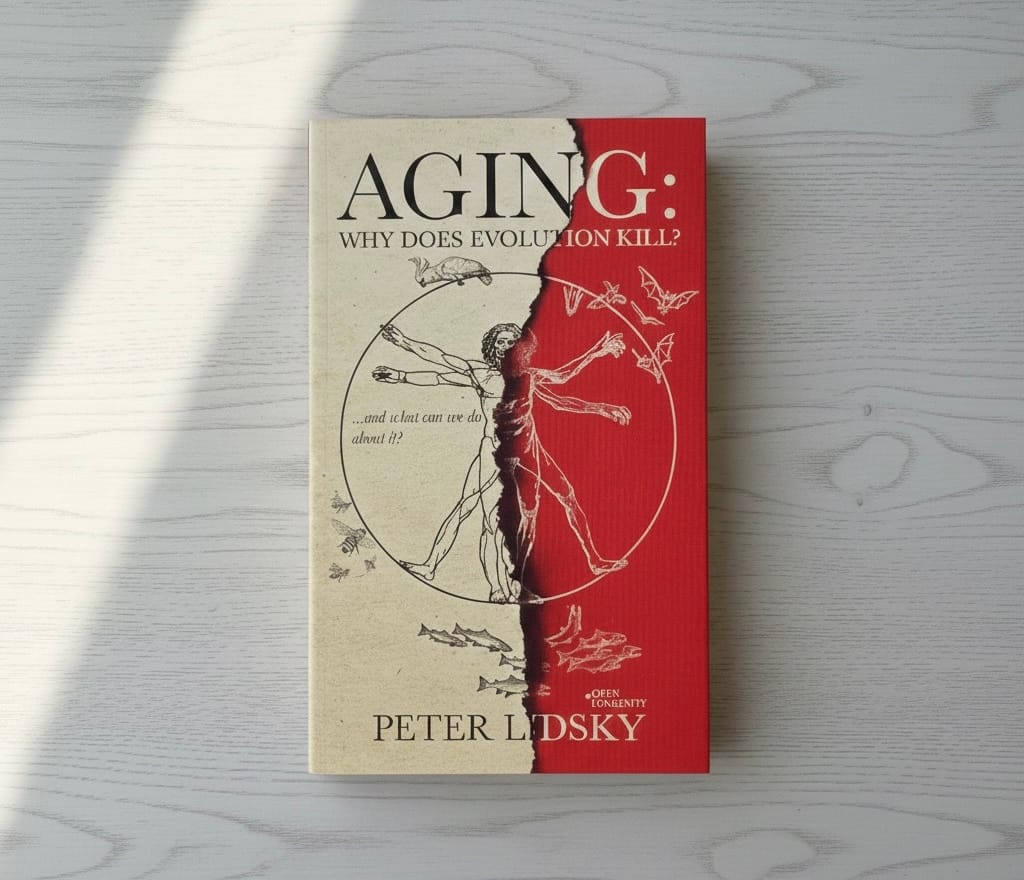
For decades, scientists assumed aging was cellular breakdown. But 80% of wild animals never live long enough to age. Dr. Peter Lidsky proposes a radical alternative: aging evolved as a defense mechanism, eliminating infection-loaded individuals before they endanger genetic relatives. This reframes mortality from failure to function.

5 December 2025

—

Explainer

Julian Armitage
banner

Summary:

  • Dr. Lidsky proposes pathogen control theory: aging is an evolutionary protection mechanism against accumulated infections, not just cellular breakdown.
  • Research shows organisms may age to prevent passing chronic infections to genetically similar relatives, challenging traditional aging research approaches.
  • Early data suggests tracking pathogen load could predict biological age better than cellular damage markers, potentially redirecting longevity research.

Scientists are challenging how we think about aging. Instead of viewing it as inevitable cellular breakdown, some researchers propose that aging might serve an evolutionary purpose: protecting your relatives from infections you've accumulated over a lifetime. This radical reframing could redirect decades of longevity research.

What It Is

The pathogen control theory is an evolutionary explanation for why organisms age and die. It belongs to the category of programmed aging theories, which argue that natural selection actively shaped aging as a beneficial process rather than simply failing to prevent it.

The dominant view in gerontology—supported by approximately 90% of researchers—says aging happens because cellular damage accumulates until systems fail. Think of it like a car breaking down from wear and tear. The pathogen control theory proposes something different: aging is more like a planned retirement, where your body shuts down on schedule to prevent something worse.

Why It Matters

Most current longevity research focuses on fixing cellular damage. Research funding flows predominantly to projects studying DNA repair, mitochondrial function, and protein aggregation. These efforts assume aging is mechanical failure that needs repair.

If the pathogen control theory is correct, that approach may miss the target. Researchers would need to focus instead on pathogen load, immune regulation, and the environmental signals that trigger aging programs. This represents a fundamental shift in how we approach longevity science.

The practical stakes matter for everyone. Understanding what actually drives aging could reshape how we develop interventions to extend healthy lifespan and address age-related disease.

How the Pathogen Control Theory Works

The Accumulation Problem

Your body collects infections throughout life, like a basement collects junk. One box is manageable. Fifty boxes mean the space becomes unusable. Eventually, something must give.

Organisms accumulate pathogens throughout their lifespan. Viruses can integrate into DNA. Bacterial infections establish chronic reservoirs. Parasites persist in tissues. Most remain subclinical—they don't make you obviously sick—but they add up over time.

These accumulated infections represent a growing disease reservoir. While no single infection might be fatal, the collective burden creates risk both for the individual and potentially for others in close contact.

The Evolutionary Logic

In social species or populations sharing territory, one individual's infection collection becomes everyone's problem. An aging animal carrying decades of pathogens could threaten offspring and siblings who share genetic material.

Natural selection might favor genes that trigger programmed decline once pathogen load reaches dangerous levels. The individual dies, the infections die with it, and genetically similar relatives benefit from reduced exposure. From evolution's perspective, protecting copies of your genes in your relatives can outweigh preserving your own survival.

Environmental Triggers

The aging program might activate when pathogen load crosses specific thresholds. The immune system appears capable of tracking cumulative infection burden. When it reaches critical levels, it could signal other body systems to begin shutdown protocols.

This framework helps explain why caloric restriction extends lifespan across many species. Food scarcity signals reduced population density. Lower density means fewer disease transmission opportunities. The body detects this environmental change and may delay the aging program accordingly.

The Evidence

Naked Mole Rats: Life Without Aging

Naked mole rats live over 30 years in underground colonies while showing minimal signs of aging. Unlike typical rodents that live 2-3 years, these animals maintain consistent health across decades. A 28-year-old naked mole rat shows similar function to a 3-year-old.

What makes them special? Underground colonies maintain stable temperature and humidity with naturally filtered air. Disease transmission rates are dramatically lower than for surface-dwelling rodents of similar size. With minimal pathogen exposure, their aging programs may remain largely inactive.

This pattern fits the pathogen control theory: species in pathogen-poor environments should show reduced aging. The naked mole rat represents a natural experiment supporting this prediction.

Caloric Restriction Effects

Reducing caloric intake extends lifespan across numerous species while maintaining health. In laboratory mice, 40% caloric restriction can extend lifespan by 50% or more, provided nutrition remains balanced.

Traditional models attribute this to reduced metabolic damage. But the pathogen control theory suggests an alternative: restricted animals may show lower infection rates due to signaling reduced population density. The body interprets food scarcity as an environment where pathogen transmission is less likely, delaying the aging program.

Research shows that calorically restricted animals often display improved immune function alongside their extended lifespans, consistent with infection management playing a central role.

Wild Versus Laboratory Longevity

Species facing high predation show accelerated aging regardless of size or metabolism. Field mice in predator-rich environments age faster than genetically identical laboratory mice in protected conditions.

When external threats kill most individuals young, investing in extended longevity provides minimal genetic benefit. The body may activate faster aging programs because pathogen control becomes more important in dense wild populations facing multiple threats. Laboratory conditions eliminate these pressures and may reveal potential lifespans that rarely occur in nature.

Common Misconceptions

Myth: Most animals die from aging in nature.

Reality: Only about 20% of wild animals die from aging-related causes according to field studies. Predation, infection, environmental extremes, and starvation account for most deaths. Laboratory conditions eliminate these factors and may distort our understanding of aging's true evolutionary function.

Myth: The scientific consensus on aging reflects settled science.

Reality: While approximately 90% of gerontology research operates within the error accumulation framework, this consensus partly reflects funding patterns and scientific inertia rather than definitive proof. Between 30 and 300 different aging theories exist, indicating the field remains far from settled.

Myth: Anti-aging research will make humans immortal.

Reality: Understanding aging as a programmed adaptation doesn't promise immortality. It suggests we need to address different targets—pathogen load, immune function, and environmental signals—rather than focusing solely on cellular damage repair. Even with perfect intervention, biological organisms remain subject to physical limits.

Where This Could Lead

If the pathogen control theory gains support, it could reshape longevity research priorities. Rather than focusing primarily on cellular repair mechanisms, scientists might investigate immune system optimization and infection management as primary interventions.

This shift could redirect research funding toward new therapeutic approaches. Instead of trying to fix accumulated damage, we might prevent the signals that trigger aging programs in the first place. The focus would move from repair to regulation.

Emerging technologies, particularly artificial intelligence in biological research, may accelerate testing of these alternative frameworks. The field currently suffers from what researchers call scientific inertia—the tendency to pursue incremental refinements rather than paradigm-shifting breakthroughs. New tools and perspectives might overcome this limitation.

The fundamental question remains: Why does evolution build aging into our biology? Your body might not be breaking down randomly. It might be executing a program designed to protect those who share your genes from the microscopic passengers you've collected along the way. Understanding the actual mechanism changes everything about how we search for solutions.


What is this about?

  • Explainer/
  • Julian Armitage/
  • Science/
  • Life

Feed

    Apple’s 2026 Product Pipeline Signals Fall Upgrades

    Apple’s 2026 Product Pipeline Signals Fall Upgrades

    iPhone Ultra, new Macs, and a smart hub arrive later this year

    Ben Ramosabout 2 hours ago
    Apple Watch Ultra 4 could track blood pressure trends

    Apple Watch Ultra 4 could track blood pressure trends

    A potential hardware redesign with 8 sensors aims to move from simple alerts to direct cardiovascular measurement

    Ben Ramos3 days ago

    Your earbuds could become a secure digital key via your heartbeat

    AccLock uses standard accelerometers to verify identity without needing premium optical heart trackers

    Ben Ramos5 days ago
    Memory chip shortages could end by 2027

    Memory chip shortages could end by 2027

    Aggressive Chinese production expansions from YMTC and CXMT may lower hardware costs sooner than the 2030 consensus

    Ben Ramos5 days ago
    Hisense Explorer X1 Pro brings 120-inch cinema to your living room

    Hisense Explorer X1 Pro brings 120-inch cinema to your living room

    A new tri-color laser engine offers 110% BT.2020 color gamut, though US availability remains unannounced

    Logan Price5 days ago
    Onyx Boox Poke 7 series brings paper-like clarity to your library

    Onyx Boox Poke 7 series brings paper-like clarity to your library

    New 300 ppi displays and 2 TB expandable storage offer a sharper, larger reading experience

    Ben Ramos5 days ago
    SpaceX IPO: A historic bet on the space economy

    SpaceX IPO: A historic bet on the space economy

    With 2025 revenue hitting $18.6 billion, the Nasdaq debut tests market appetite for Elon Musk

    Jasmine Wu5 days ago
    Figma AI agents turn manual design into high-level direction

    Figma AI agents turn manual design into high-level direction

    New intent-based tools allow designers to build layouts using natural language instead of clicking and dragging

    Evelyn Park5 days ago
    NanoClaw's sandbox stops AI agents from compromising your OS

    NanoClaw's sandbox stops AI agents from compromising your OS

    NanoCo secures $12 million to scale its isolated architecture for enterprise AI deployment

    Marcus Dillard5 days ago

    Microsoft's new Surface lineup is for businesses, not consumers

    Wait for Snapdragon X2 models this summer if you aren't buying for an enterprise fleet

    Carter Brooks5 days ago
    Loading...

Aging isn't decay. It's pathogen control

New theory suggests mortality evolved to protect relatives from accumulated infections

December 5, 2025, 11:34 pm

For decades, scientists assumed aging was cellular breakdown. But 80% of wild animals never live long enough to age. Dr. Peter Lidsky proposes a radical alternative: aging evolved as a defense mechanism, eliminating infection-loaded individuals before they endanger genetic relatives. This reframes mortality from failure to function.

Aging isn't decay. It's pathogen control

Summary

  • Dr. Lidsky proposes pathogen control theory: aging is an evolutionary protection mechanism against accumulated infections, not just cellular breakdown.
  • Research shows organisms may age to prevent passing chronic infections to genetically similar relatives, challenging traditional aging research approaches.
  • Early data suggests tracking pathogen load could predict biological age better than cellular damage markers, potentially redirecting longevity research.

Scientists are challenging how we think about aging. Instead of viewing it as inevitable cellular breakdown, some researchers propose that aging might serve an evolutionary purpose: protecting your relatives from infections you've accumulated over a lifetime. This radical reframing could redirect decades of longevity research.

What It Is

The pathogen control theory is an evolutionary explanation for why organisms age and die. It belongs to the category of programmed aging theories, which argue that natural selection actively shaped aging as a beneficial process rather than simply failing to prevent it.

The dominant view in gerontology—supported by approximately 90% of researchers—says aging happens because cellular damage accumulates until systems fail. Think of it like a car breaking down from wear and tear. The pathogen control theory proposes something different: aging is more like a planned retirement, where your body shuts down on schedule to prevent something worse.

Why It Matters

Most current longevity research focuses on fixing cellular damage. Research funding flows predominantly to projects studying DNA repair, mitochondrial function, and protein aggregation. These efforts assume aging is mechanical failure that needs repair.

If the pathogen control theory is correct, that approach may miss the target. Researchers would need to focus instead on pathogen load, immune regulation, and the environmental signals that trigger aging programs. This represents a fundamental shift in how we approach longevity science.

The practical stakes matter for everyone. Understanding what actually drives aging could reshape how we develop interventions to extend healthy lifespan and address age-related disease.

How the Pathogen Control Theory Works

The Accumulation Problem

Your body collects infections throughout life, like a basement collects junk. One box is manageable. Fifty boxes mean the space becomes unusable. Eventually, something must give.

Organisms accumulate pathogens throughout their lifespan. Viruses can integrate into DNA. Bacterial infections establish chronic reservoirs. Parasites persist in tissues. Most remain subclinical—they don't make you obviously sick—but they add up over time.

These accumulated infections represent a growing disease reservoir. While no single infection might be fatal, the collective burden creates risk both for the individual and potentially for others in close contact.

The Evolutionary Logic

In social species or populations sharing territory, one individual's infection collection becomes everyone's problem. An aging animal carrying decades of pathogens could threaten offspring and siblings who share genetic material.

Natural selection might favor genes that trigger programmed decline once pathogen load reaches dangerous levels. The individual dies, the infections die with it, and genetically similar relatives benefit from reduced exposure. From evolution's perspective, protecting copies of your genes in your relatives can outweigh preserving your own survival.

Environmental Triggers

The aging program might activate when pathogen load crosses specific thresholds. The immune system appears capable of tracking cumulative infection burden. When it reaches critical levels, it could signal other body systems to begin shutdown protocols.

This framework helps explain why caloric restriction extends lifespan across many species. Food scarcity signals reduced population density. Lower density means fewer disease transmission opportunities. The body detects this environmental change and may delay the aging program accordingly.

The Evidence

Naked Mole Rats: Life Without Aging

Naked mole rats live over 30 years in underground colonies while showing minimal signs of aging. Unlike typical rodents that live 2-3 years, these animals maintain consistent health across decades. A 28-year-old naked mole rat shows similar function to a 3-year-old.

What makes them special? Underground colonies maintain stable temperature and humidity with naturally filtered air. Disease transmission rates are dramatically lower than for surface-dwelling rodents of similar size. With minimal pathogen exposure, their aging programs may remain largely inactive.

This pattern fits the pathogen control theory: species in pathogen-poor environments should show reduced aging. The naked mole rat represents a natural experiment supporting this prediction.

Caloric Restriction Effects

Reducing caloric intake extends lifespan across numerous species while maintaining health. In laboratory mice, 40% caloric restriction can extend lifespan by 50% or more, provided nutrition remains balanced.

Traditional models attribute this to reduced metabolic damage. But the pathogen control theory suggests an alternative: restricted animals may show lower infection rates due to signaling reduced population density. The body interprets food scarcity as an environment where pathogen transmission is less likely, delaying the aging program.

Research shows that calorically restricted animals often display improved immune function alongside their extended lifespans, consistent with infection management playing a central role.

Wild Versus Laboratory Longevity

Species facing high predation show accelerated aging regardless of size or metabolism. Field mice in predator-rich environments age faster than genetically identical laboratory mice in protected conditions.

When external threats kill most individuals young, investing in extended longevity provides minimal genetic benefit. The body may activate faster aging programs because pathogen control becomes more important in dense wild populations facing multiple threats. Laboratory conditions eliminate these pressures and may reveal potential lifespans that rarely occur in nature.

Common Misconceptions

Myth: Most animals die from aging in nature.

Reality: Only about 20% of wild animals die from aging-related causes according to field studies. Predation, infection, environmental extremes, and starvation account for most deaths. Laboratory conditions eliminate these factors and may distort our understanding of aging's true evolutionary function.

Myth: The scientific consensus on aging reflects settled science.

Reality: While approximately 90% of gerontology research operates within the error accumulation framework, this consensus partly reflects funding patterns and scientific inertia rather than definitive proof. Between 30 and 300 different aging theories exist, indicating the field remains far from settled.

Myth: Anti-aging research will make humans immortal.

Reality: Understanding aging as a programmed adaptation doesn't promise immortality. It suggests we need to address different targets—pathogen load, immune function, and environmental signals—rather than focusing solely on cellular damage repair. Even with perfect intervention, biological organisms remain subject to physical limits.

Where This Could Lead

If the pathogen control theory gains support, it could reshape longevity research priorities. Rather than focusing primarily on cellular repair mechanisms, scientists might investigate immune system optimization and infection management as primary interventions.

This shift could redirect research funding toward new therapeutic approaches. Instead of trying to fix accumulated damage, we might prevent the signals that trigger aging programs in the first place. The focus would move from repair to regulation.

Emerging technologies, particularly artificial intelligence in biological research, may accelerate testing of these alternative frameworks. The field currently suffers from what researchers call scientific inertia—the tendency to pursue incremental refinements rather than paradigm-shifting breakthroughs. New tools and perspectives might overcome this limitation.

The fundamental question remains: Why does evolution build aging into our biology? Your body might not be breaking down randomly. It might be executing a program designed to protect those who share your genes from the microscopic passengers you've collected along the way. Understanding the actual mechanism changes everything about how we search for solutions.

What is this about?

  • Explainer/
  • Julian Armitage/
  • Science/
  • Life

Feed

    Apple’s 2026 Product Pipeline Signals Fall Upgrades

    Apple’s 2026 Product Pipeline Signals Fall Upgrades

    iPhone Ultra, new Macs, and a smart hub arrive later this year

    Ben Ramosabout 2 hours ago
    Apple Watch Ultra 4 could track blood pressure trends

    Apple Watch Ultra 4 could track blood pressure trends

    A potential hardware redesign with 8 sensors aims to move from simple alerts to direct cardiovascular measurement

    Ben Ramos3 days ago

    Your earbuds could become a secure digital key via your heartbeat

    AccLock uses standard accelerometers to verify identity without needing premium optical heart trackers

    Ben Ramos5 days ago
    Memory chip shortages could end by 2027

    Memory chip shortages could end by 2027

    Aggressive Chinese production expansions from YMTC and CXMT may lower hardware costs sooner than the 2030 consensus

    Ben Ramos5 days ago
    Hisense Explorer X1 Pro brings 120-inch cinema to your living room

    Hisense Explorer X1 Pro brings 120-inch cinema to your living room

    A new tri-color laser engine offers 110% BT.2020 color gamut, though US availability remains unannounced

    Logan Price5 days ago
    Onyx Boox Poke 7 series brings paper-like clarity to your library

    Onyx Boox Poke 7 series brings paper-like clarity to your library

    New 300 ppi displays and 2 TB expandable storage offer a sharper, larger reading experience

    Ben Ramos5 days ago
    SpaceX IPO: A historic bet on the space economy

    SpaceX IPO: A historic bet on the space economy

    With 2025 revenue hitting $18.6 billion, the Nasdaq debut tests market appetite for Elon Musk

    Jasmine Wu5 days ago
    Figma AI agents turn manual design into high-level direction

    Figma AI agents turn manual design into high-level direction

    New intent-based tools allow designers to build layouts using natural language instead of clicking and dragging

    Evelyn Park5 days ago
    NanoClaw's sandbox stops AI agents from compromising your OS

    NanoClaw's sandbox stops AI agents from compromising your OS

    NanoCo secures $12 million to scale its isolated architecture for enterprise AI deployment

    Marcus Dillard5 days ago

    Microsoft's new Surface lineup is for businesses, not consumers

    Wait for Snapdragon X2 models this summer if you aren't buying for an enterprise fleet

    Carter Brooks5 days ago
    Loading...
Home
Home
Search
Search
banner