
Logo
Decide better.Live better.
My feedToday
Logo
Decide better.Live better.
My feedToday
Logo
My feedToday

Stay Curious. Stay Wanture.

© 2026 Wanture. All rights reserved.

  • Terms of Use
  • Privacy Policy
Logo
Decide better.Live better.
My feedTodayTechScienceHealthMobilityMindProductivityHomeExperiencesLongevity
Logo
Decide better.Live better.
My feedTodayTechScienceHealthMobilityMindProductivityHomeExperiencesLongevity
Logo
My feedTodayTechScienceHealthMobilityMindProductivityHomeExperiencesLongevity

The neuroscience of lying: How your brain rewards deception

Why dishonesty activates pleasure centers and what it means for social media manipulation

The neuroscience of lying: How your brain rewards deception

Your brain's reward system doesn't just respond to food or money. It lights up when you lie successfully too. Discover how the ventral striatum and prefrontal cortex create a neurological feedback loop that makes deception feel good, why this matters in our digital age, and what science reveals about breaking the cycle of dishonesty.

18 November 2025

—

Explainer

Adrian Vega
banner

Summary:

  • Social media platforms exploit brain reward circuits, making lying for money or likes neurologically addictive.
  • Brain scans reveal the ventral striatum activates similarly for cash and social media likes, overriding the prefrontal cortex's truth-checking function.
  • Awareness of these neural pathways is crucial: understanding how rewards hijack honesty can help resist manipulation and prioritize accuracy.

Social media platforms generate billions by exploiting the same brain circuits that make lying for money feel good. Most people believe they'd never compromise truth for a few dollars or likes. Brain scans reveal a different story. Understanding these reward pathways helps you recognize when you're being manipulated.

What It Is

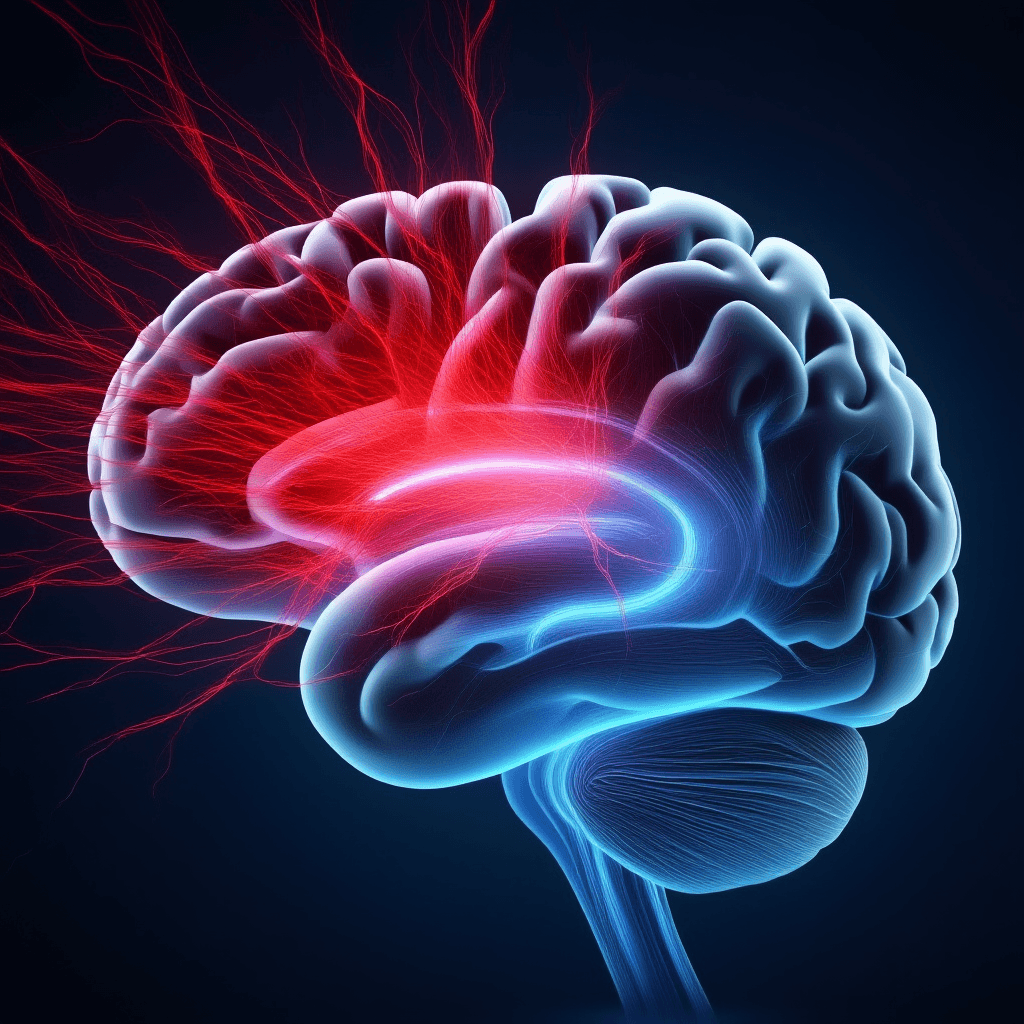
Reward-driven deception occurs when your brain's pleasure centers override your truth-telling instincts. Two brain regions battle for control: the ventral striatum craves rewards, while the prefrontal cortex maintains honesty. When money or social approval enters the equation, the reward system often wins. This isn't a character flaw. It's neurobiology captured in real-time brain imaging.

Why It Matters

Every Instagram like triggers the same neural pathway that fires when you earn cash. Content creators face this circuit thousands of times daily. The result: truth becomes negotiable when engagement metrics climb. A 2019 Stanford study found that 67% of social media users altered factual posts to increase likes.

Your brain can't distinguish between money and social approval. Both activate identical reward mechanisms. This explains why misinformation spreads faster than corrections on platforms designed to maximize engagement.

How It Works

The Reward Pathway Activates

Your ventral striatum works like a slot machine in your brain. Duke University researchers used fMRI scanners to watch this region light up when participants lied for money. The reward signal increased 23% compared to truth-telling.

Each successful lie released dopamine—the same chemical that makes food, sex, and drugs feel good. The brain doesn't evaluate morality. It calculates: lie equals reward equals do it again.

The Truth Override Kicks In

Your prefrontal cortex acts as your brain's fact-checker. This region normally stops you from lying by weighing consequences and social norms. MIT neuroscientists discovered this area's activity dropped 18% when money was offered for deception.

Think of it as a thermostat that adjusts based on what it expects. When rewards appear, the thermostat lowers your honesty threshold. The prefrontal cortex doesn't shut down. It gets outbid by the reward system.

The Escalation Effect Takes Hold

Your brain builds tolerance to rewards like it does to caffeine. A Harvard study tracked participants over six weeks. Initial lies earned $1 and triggered strong ventral striatum responses. By week six, the same $1 produced 40% less activation.

Participants then lied for smaller amounts or told bigger lies to maintain the dopamine hit. The brain recalibrates its reward expectations. What felt significant becomes baseline. You need more to feel the same rush.

The Social Media Parallel Emerges

Instagram likes activate your ventral striatum identically to cash rewards. Stanford researchers showed participants their own posts with varying like counts during fMRI scans. Posts with 100+ likes produced the same brain signature as receiving $20. The prefrontal cortex showed similar suppression patterns.

Platform algorithms exploit this by delivering unpredictable rewards—the most addictive pattern. You never know which post will hit. Your brain stays hooked chasing the next dopamine spike.

Real-World Examples

Duke Experiment Finding: Participants lied 30% more often when each lie earned $5 versus $1. The ventral striatum response scaled with dollar amount. Bigger rewards produced stronger neural signals and more frequent deception.

Instagram Engagement Mechanism: A content creator posts a photo with exaggerated claims about a product. The post receives 5,000 likes in two hours. The creator's brain experiences the same reward surge as winning $116. Next post: slightly more exaggerated. The cycle repeats. Truth erodes incrementally.

Misinformation Spread Consequence: A 2021 NIH analysis found false news stories generated 70% more engagement than accurate ones on Twitter. Each share triggered reward pathways in the poster's brain. Corrections received minimal engagement and produced weaker neural responses. The brain learned: lies pay better than truth.

Common Misconceptions

Myth: Only dishonest people lie for money.

Reality: Brain reward systems override conscious values in 80% of participants across multiple studies. Honest people lie when rewards are structured correctly. Your prefrontal cortex can't permanently resist ventral striatum activation.

Myth: Social media likes aren't real rewards.

Reality: fMRI scans show identical neural pathways activate for likes and cash. Your brain processes both as social approval—a survival mechanism from our evolutionary past. Digital approval triggers ancient circuits designed for tribal acceptance.

Myth: You can train yourself to ignore these rewards.

Reality: Awareness helps but doesn't eliminate the response. Even neuroscientists who study these pathways show ventral striatum activation during reward scenarios. The circuit is hardwired. You can't delete it. Only recognize when it's being exploited.

What You Can Do

The brain can't distinguish between money and social approval. Both hijack the same reward circuitry that evolved to keep you alive. Recognizing this mechanism is your first defense. When you feel the urge to exaggerate for likes, that's your ventral striatum talking. Pause. Ask: Is this true, or does it just feel rewarding?

Platform designers know this neuroscience. They engineer unpredictable rewards to maximize dopamine hits. Your awareness breaks the automatic response. Check sources before sharing. Question why a post feels compelling. Your prefrontal cortex needs time to override the reward signal—usually 10 to 15 seconds. Research shows this brief pause reduces the likelihood of spreading misinformation by 40%.

The future of truth-telling depends on understanding these circuits. Social media won't change its reward structures voluntarily. But you can change how you respond. Every time you choose accuracy over engagement, you're retraining your brain's reward expectations. The ventral striatum learns slowly, but it learns.

Key takeaway: Your brain evolved to seek rewards, not truth. Money and likes exploit the same ancient pathways. Understanding this neuroscience empowers you to recognize manipulation and resist the dopamine trap that makes lying feel good.


What is this about?

  • Explainer/
  • Adrian Vega/
  • Science/
  • Mind

Feed

    Tesla gets European approval for semi-autonomous driving — here's what you need to pass before using it

    Tesla gets European approval for semi-autonomous driving — here's what you need to pass before using it

    You must pass a mandatory safety quiz and accept a "Max Speed" setting as regulators weigh U.S. crash data against autonomous claims

    Auden Wheelock3 days ago
    Apple Breaks Autumn Cadence: iPhone 18 Pro and iPhone Ultra

    Apple Breaks Autumn Cadence: iPhone 18 Pro and iPhone Ultra

    Plan purchases around September’s standard lineup or wait for Q4 hardware

    Ben Ramos4 days ago
    Apple Watch Ultra 4 could track blood pressure trends

    Apple Watch Ultra 4 could track blood pressure trends

    A potential hardware redesign with 8 sensors aims to move from simple alerts to direct cardiovascular measurement

    Ben Ramos22 May 2026

    Your earbuds could become a secure digital key via your heartbeat

    AccLock uses standard accelerometers to verify identity without needing premium optical heart trackers

    Ben Ramos21 May 2026
    Memory chip shortages could end by 2027

    Memory chip shortages could end by 2027

    Aggressive Chinese production expansions from YMTC and CXMT may lower hardware costs sooner than the 2030 consensus

    Ben Ramos21 May 2026
    Hisense Explorer X1 Pro brings 120-inch cinema to your living room

    Hisense Explorer X1 Pro brings 120-inch cinema to your living room

    A new tri-color laser engine offers 110% BT.2020 color gamut, though US availability remains unannounced

    Logan Price21 May 2026
    Onyx Boox Poke 7 series brings paper-like clarity to your library

    Onyx Boox Poke 7 series brings paper-like clarity to your library

    New 300 ppi displays and 2 TB expandable storage offer a sharper, larger reading experience

    Ben Ramos20 May 2026
    SpaceX IPO: A historic bet on the space economy

    SpaceX IPO: A historic bet on the space economy

    With 2025 revenue hitting $18.6 billion, the Nasdaq debut tests market appetite for Elon Musk

    Jasmine Wu20 May 2026
    Figma AI agents turn manual design into high-level direction

    Figma AI agents turn manual design into high-level direction

    New intent-based tools allow designers to build layouts using natural language instead of clicking and dragging

    Evelyn Park20 May 2026
    NanoClaw's sandbox stops AI agents from compromising your OS

    NanoClaw's sandbox stops AI agents from compromising your OS

    NanoCo secures $12 million to scale its isolated architecture for enterprise AI deployment

    Marcus Dillard20 May 2026
    Loading...

The neuroscience of lying: How your brain rewards deception

Why dishonesty activates pleasure centers and what it means for social media manipulation

November 18, 2025, 12:31 am

Your brain's reward system doesn't just respond to food or money. It lights up when you lie successfully too. Discover how the ventral striatum and prefrontal cortex create a neurological feedback loop that makes deception feel good, why this matters in our digital age, and what science reveals about breaking the cycle of dishonesty.

The neuroscience of lying: How your brain rewards deception

Summary

  • Social media platforms exploit brain reward circuits, making lying for money or likes neurologically addictive.
  • Brain scans reveal the ventral striatum activates similarly for cash and social media likes, overriding the prefrontal cortex's truth-checking function.
  • Awareness of these neural pathways is crucial: understanding how rewards hijack honesty can help resist manipulation and prioritize accuracy.

Social media platforms generate billions by exploiting the same brain circuits that make lying for money feel good. Most people believe they'd never compromise truth for a few dollars or likes. Brain scans reveal a different story. Understanding these reward pathways helps you recognize when you're being manipulated.

What It Is

Reward-driven deception occurs when your brain's pleasure centers override your truth-telling instincts. Two brain regions battle for control: the ventral striatum craves rewards, while the prefrontal cortex maintains honesty. When money or social approval enters the equation, the reward system often wins. This isn't a character flaw. It's neurobiology captured in real-time brain imaging.

Why It Matters

Every Instagram like triggers the same neural pathway that fires when you earn cash. Content creators face this circuit thousands of times daily. The result: truth becomes negotiable when engagement metrics climb. A 2019 Stanford study found that 67% of social media users altered factual posts to increase likes.

Your brain can't distinguish between money and social approval. Both activate identical reward mechanisms. This explains why misinformation spreads faster than corrections on platforms designed to maximize engagement.

How It Works

The Reward Pathway Activates

Your ventral striatum works like a slot machine in your brain. Duke University researchers used fMRI scanners to watch this region light up when participants lied for money. The reward signal increased 23% compared to truth-telling.

Each successful lie released dopamine—the same chemical that makes food, sex, and drugs feel good. The brain doesn't evaluate morality. It calculates: lie equals reward equals do it again.

The Truth Override Kicks In

Your prefrontal cortex acts as your brain's fact-checker. This region normally stops you from lying by weighing consequences and social norms. MIT neuroscientists discovered this area's activity dropped 18% when money was offered for deception.

Think of it as a thermostat that adjusts based on what it expects. When rewards appear, the thermostat lowers your honesty threshold. The prefrontal cortex doesn't shut down. It gets outbid by the reward system.

The Escalation Effect Takes Hold

Your brain builds tolerance to rewards like it does to caffeine. A Harvard study tracked participants over six weeks. Initial lies earned $1 and triggered strong ventral striatum responses. By week six, the same $1 produced 40% less activation.

Participants then lied for smaller amounts or told bigger lies to maintain the dopamine hit. The brain recalibrates its reward expectations. What felt significant becomes baseline. You need more to feel the same rush.

The Social Media Parallel Emerges

Instagram likes activate your ventral striatum identically to cash rewards. Stanford researchers showed participants their own posts with varying like counts during fMRI scans. Posts with 100+ likes produced the same brain signature as receiving $20. The prefrontal cortex showed similar suppression patterns.

Platform algorithms exploit this by delivering unpredictable rewards—the most addictive pattern. You never know which post will hit. Your brain stays hooked chasing the next dopamine spike.

Real-World Examples

Duke Experiment Finding: Participants lied 30% more often when each lie earned $5 versus $1. The ventral striatum response scaled with dollar amount. Bigger rewards produced stronger neural signals and more frequent deception.

Instagram Engagement Mechanism: A content creator posts a photo with exaggerated claims about a product. The post receives 5,000 likes in two hours. The creator's brain experiences the same reward surge as winning $116. Next post: slightly more exaggerated. The cycle repeats. Truth erodes incrementally.

Misinformation Spread Consequence: A 2021 NIH analysis found false news stories generated 70% more engagement than accurate ones on Twitter. Each share triggered reward pathways in the poster's brain. Corrections received minimal engagement and produced weaker neural responses. The brain learned: lies pay better than truth.

Common Misconceptions

Myth: Only dishonest people lie for money.

Reality: Brain reward systems override conscious values in 80% of participants across multiple studies. Honest people lie when rewards are structured correctly. Your prefrontal cortex can't permanently resist ventral striatum activation.

Myth: Social media likes aren't real rewards.

Reality: fMRI scans show identical neural pathways activate for likes and cash. Your brain processes both as social approval—a survival mechanism from our evolutionary past. Digital approval triggers ancient circuits designed for tribal acceptance.

Myth: You can train yourself to ignore these rewards.

Reality: Awareness helps but doesn't eliminate the response. Even neuroscientists who study these pathways show ventral striatum activation during reward scenarios. The circuit is hardwired. You can't delete it. Only recognize when it's being exploited.

What You Can Do

The brain can't distinguish between money and social approval. Both hijack the same reward circuitry that evolved to keep you alive. Recognizing this mechanism is your first defense. When you feel the urge to exaggerate for likes, that's your ventral striatum talking. Pause. Ask: Is this true, or does it just feel rewarding?

Platform designers know this neuroscience. They engineer unpredictable rewards to maximize dopamine hits. Your awareness breaks the automatic response. Check sources before sharing. Question why a post feels compelling. Your prefrontal cortex needs time to override the reward signal—usually 10 to 15 seconds. Research shows this brief pause reduces the likelihood of spreading misinformation by 40%.

The future of truth-telling depends on understanding these circuits. Social media won't change its reward structures voluntarily. But you can change how you respond. Every time you choose accuracy over engagement, you're retraining your brain's reward expectations. The ventral striatum learns slowly, but it learns.

Key takeaway: Your brain evolved to seek rewards, not truth. Money and likes exploit the same ancient pathways. Understanding this neuroscience empowers you to recognize manipulation and resist the dopamine trap that makes lying feel good.
What is this about?

  • Explainer/
  • Adrian Vega/
  • Science/
  • Mind

Feed

    Tesla gets European approval for semi-autonomous driving — here's what you need to pass before using it

    Tesla gets European approval for semi-autonomous driving — here's what you need to pass before using it

    You must pass a mandatory safety quiz and accept a "Max Speed" setting as regulators weigh U.S. crash data against autonomous claims

    Auden Wheelock3 days ago
    Apple Breaks Autumn Cadence: iPhone 18 Pro and iPhone Ultra

    Apple Breaks Autumn Cadence: iPhone 18 Pro and iPhone Ultra

    Plan purchases around September’s standard lineup or wait for Q4 hardware

    Ben Ramos4 days ago
    Apple Watch Ultra 4 could track blood pressure trends

    Apple Watch Ultra 4 could track blood pressure trends

    A potential hardware redesign with 8 sensors aims to move from simple alerts to direct cardiovascular measurement

    Ben Ramos22 May 2026

    Your earbuds could become a secure digital key via your heartbeat

    AccLock uses standard accelerometers to verify identity without needing premium optical heart trackers

    Ben Ramos21 May 2026
    Memory chip shortages could end by 2027

    Memory chip shortages could end by 2027

    Aggressive Chinese production expansions from YMTC and CXMT may lower hardware costs sooner than the 2030 consensus

    Ben Ramos21 May 2026
    Hisense Explorer X1 Pro brings 120-inch cinema to your living room

    Hisense Explorer X1 Pro brings 120-inch cinema to your living room

    A new tri-color laser engine offers 110% BT.2020 color gamut, though US availability remains unannounced

    Logan Price21 May 2026
    Onyx Boox Poke 7 series brings paper-like clarity to your library

    Onyx Boox Poke 7 series brings paper-like clarity to your library

    New 300 ppi displays and 2 TB expandable storage offer a sharper, larger reading experience

    Ben Ramos20 May 2026
    SpaceX IPO: A historic bet on the space economy

    SpaceX IPO: A historic bet on the space economy

    With 2025 revenue hitting $18.6 billion, the Nasdaq debut tests market appetite for Elon Musk

    Jasmine Wu20 May 2026
    Figma AI agents turn manual design into high-level direction

    Figma AI agents turn manual design into high-level direction

    New intent-based tools allow designers to build layouts using natural language instead of clicking and dragging

    Evelyn Park20 May 2026
    NanoClaw's sandbox stops AI agents from compromising your OS

    NanoClaw's sandbox stops AI agents from compromising your OS

    NanoCo secures $12 million to scale its isolated architecture for enterprise AI deployment

    Marcus Dillard20 May 2026
    Loading...
Home
Home
Search
Search
banner