
Logo
Decide better.Live better.
My feedToday
Logo
Decide better.Live better.
My feedToday
Logo
My feedToday

Stay Curious. Stay Wanture.

© 2026 Wanture. All rights reserved.

  • Terms of Use
  • Privacy Policy
Logo
Decide better.Live better.
My feedTodayTechScienceHealthMobilityMindProductivityHomeExperiencesLongevity
Logo
Decide better.Live better.
My feedTodayTechScienceHealthMobilityMindProductivityHomeExperiencesLongevity
Logo
My feedTodayTechScienceHealthMobilityMindProductivityHomeExperiencesLongevity

Your metabolism isn't broken — it's just ignored

Why glucose, insulin, and lipids reveal more than your scale ever will

Your metabolism isn't broken — it's just ignored

Nearly half of American adults live with metabolic syndrome, yet most health checkups miss the warning signs entirely. Your weight tells one story — but your blood sugar, insulin response, and lipid ratios reveal the real picture of how your cells process energy. Metabolic dysfunction develops silently for over a decade before diagnosis, damaging vessels and organs while you look fine on the outside.

3 November 2025

—

Explainer

Sofia Ramirez
banner

Summary:

  • Metabolic health is more complex than weight, measured by glucose, insulin, and lipid markers that predict long-term health risks
  • Metabolic dysfunction develops silently for 10-15 years, driven by sleep deprivation, stress, inflammation, and sugar overload
  • Repairing metabolism requires consistent habits: protein intake, strength training, and strategic carbohydrate timing

Picture your body as a city's power grid. The lights are on, traffic flows, everything looks fine from the outside. But beneath the surface, the transformers are overheating, voltage spikes go unchecked, and the system inches toward blackout. That's metabolic health—and for nearly half of American adults living with metabolic syndrome, the warning lights are flashing long before the scale budges or symptoms appear.

We've been taught to measure health in pounds and dress sizes. But metabolic health—how efficiently your cells process energy from food—tells a far more accurate story. You can carry extra weight and have pristine metabolic markers. Or you can look lean in the mirror while your glucose, insulin, and lipid levels quietly predict diabetes, heart disease, and chronic inflammation years down the road.

With an estimated 97.6 million U.S. adults living with prediabetes and insulin resistance rates climbing from 25% to 38% among non-diabetic adults between 1999 and 2018, metabolic dysfunction has become the silent epidemic of our time. The good news? Unlike your genetics, your metabolic health is remarkably responsive to what you eat, how you move, and how you sleep.

Why Glucose, Insulin, and Lipids Matter More Than the Number on the Scale

Your weight is a snapshot. Your metabolic markers are the full story.

Glucose is your body's primary fuel, but chronically elevated blood sugar acts like sandpaper in your bloodstream—damaging vessels, nerves, and organs over time. Insulin is the hormone that unlocks your cells to let glucose in. When cells stop responding to insulin's signal—a condition called insulin resistance—your pancreas pumps out more and more insulin to compensate. High insulin levels drive fat storage, especially around the abdomen, and set the stage for type 2 diabetes.

Then there are your lipids—the fats traveling through your blood. The ratio of triglycerides to HDL cholesterol is one of the most predictive markers of metabolic trouble. When triglycerides climb and HDL drops, it signals that your body is struggling to manage fat and sugar efficiently, even if total cholesterol looks normal.

Metabolic dysfunction develops silently for 10 to 15 years before a diabetes diagnosis. During that window, your cells are already resistant to insulin, inflammation is simmering, and damage is accumulating—but conventional checkups focused on weight and total cholesterol often miss it entirely.

This is why someone with a "normal" BMI can have terrible metabolic health, while someone carrying extra weight might have excellent glucose control, low inflammation, and balanced lipids. The scale doesn't measure what's happening inside your cells.

How to Determine If Your Metabolism Is Working: Key Markers

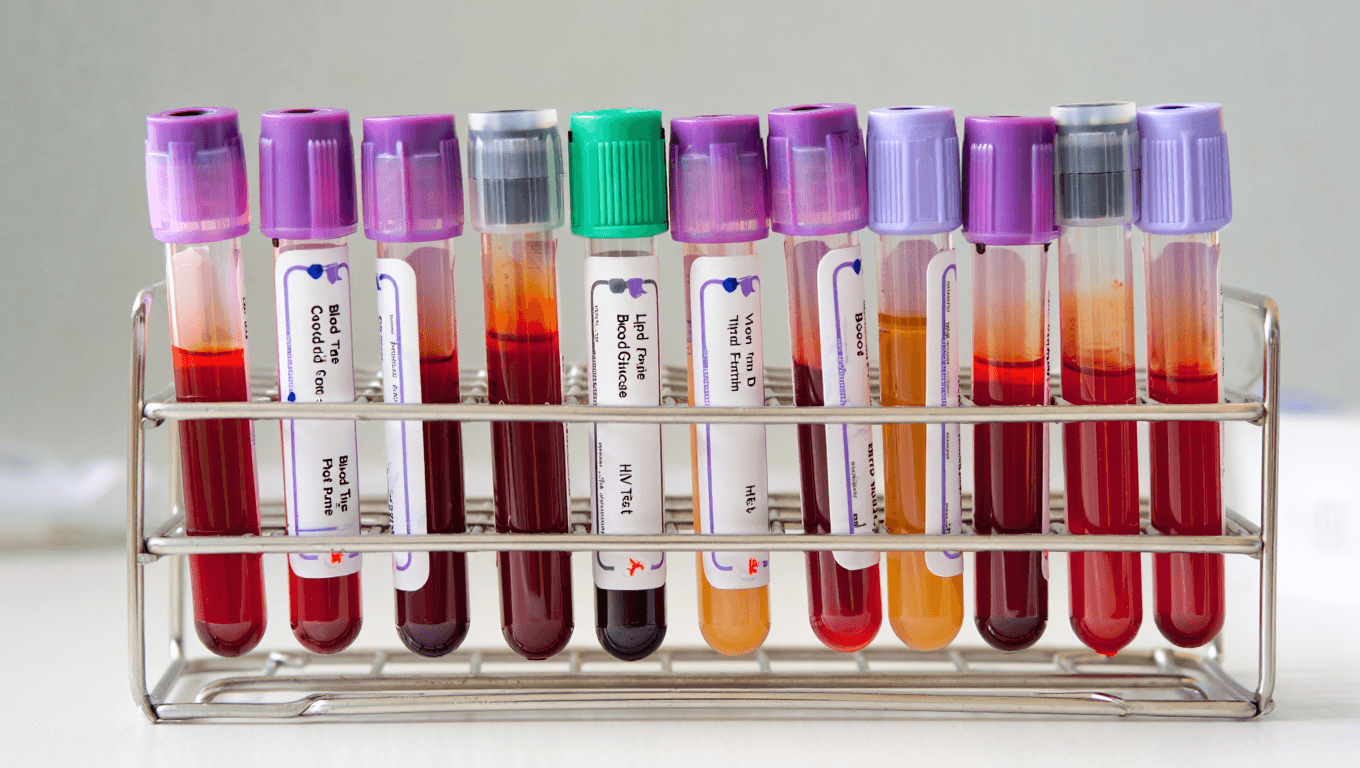
Metabolic health isn't a feeling—it's measurable. Here are the markers that matter most, and what they reveal about how your body handles energy.

Fasting Glucose and Hemoglobin A1c

Fasting glucose measures your blood sugar after an overnight fast. Optimal is below 100 mg/dL; 100–125 mg/dL signals prediabetes; 126 mg/dL or higher indicates diabetes. But fasting glucose is just a moment in time.

Hemoglobin A1c (HbA1c) gives you a three-month average of blood sugar control by measuring how much glucose has attached to your red blood cells. An A1c below 5.7% is normal; 5.7–6.4% is prediabetes; 6.5% or higher is diabetes. This test catches patterns that a single fasting glucose might miss.

Fasting Insulin and HOMA-IR

Most doctors don't routinely check insulin levels—but they should. Fasting insulin reveals how hard your pancreas is working to keep blood sugar in check. Optimal is below 5 µIU/mL; levels above 10–12 suggest insulin resistance is already underway.

The HOMA-IR (Homeostatic Model Assessment of Insulin Resistance) combines fasting glucose and insulin into a single score that estimates how resistant your cells are to insulin's signal. A HOMA-IR below 1.0 is excellent; 1.0–2.5 is acceptable; above 2.5 indicates insulin resistance. This is one of the earliest detectable signs of metabolic trouble—often appearing years before glucose rises.

With insulin resistance prevalence among non-diabetic U.S. adults now approaching 38%, this marker is critical for catching dysfunction early, when it's still reversible.

Triglycerides and the Triglyceride-to-HDL Ratio

Your lipid panel includes several numbers, but the triglyceride-to-HDL ratio is one of the most revealing metabolic markers. Divide your triglycerides by your HDL cholesterol (both in mg/dL). A ratio below 2.0 is ideal; above 3.0 signals insulin resistance and increased cardiovascular risk.

High triglycerides (above 150 mg/dL) combined with low HDL (below 40 mg/dL for men, below 50 mg/dL for women) is a hallmark of metabolic syndrome—a cluster of conditions that includes abdominal obesity, high blood pressure, and elevated blood sugar. According to American Heart Association data, metabolic syndrome now affects approximately 47% of U.S. adults, though prevalence estimates vary depending on which diagnostic criteria are used.

The triglyceride-to-HDL ratio often predicts heart disease risk better than total cholesterol or LDL alone.

What Destroys Metabolism

Metabolic dysfunction doesn't happen overnight. It's the cumulative result of modern habits that our biology wasn't designed to handle.

Chronic Sleep Deprivation and Stress

Sleep is when your body recalibrates. One night of poor sleep increases insulin resistance the next day. Chronic sleep deprivation—getting less than seven hours regularly—disrupts hunger hormones, increases cortisol, and makes your cells less responsive to insulin.

Chronic stress does the same. Elevated cortisol keeps blood sugar high, promotes fat storage around the abdomen, and drives inflammation. Your body interprets stress as a signal to store energy for survival—even when the "threat" is just your inbox.

Hidden Inflammation and Sugar Overload

Low-grade chronic inflammation—often invisible on standard tests—is both a cause and consequence of metabolic dysfunction. It's fueled by processed foods, excess sugar, lack of movement, poor sleep, and stress. Inflammation makes cells resistant to insulin, creating a vicious cycle.

And then there's sugar. The average American consumes about 17 teaspoons of added sugar daily—far beyond the recommended 6 teaspoons for women and 9 for men. Excess sugar, especially in liquid form (sodas, sweetened coffee drinks, juices), floods your liver, spikes insulin, and accelerates fat storage and insulin resistance.

Refined carbohydrates—white bread, pastries, chips—act like sugar in your bloodstream, triggering the same insulin surge without the fiber to slow absorption.

How to Repair Metabolism Without Strict Diets

Metabolic health isn't about perfection or deprivation. It's about consistent, sustainable habits that help your cells do their job efficiently.

Prioritize Protein in Every Meal

Protein stabilizes blood sugar, reduces hunger, and preserves muscle mass—which is metabolically active tissue that helps regulate glucose. Aim for 25–35 grams of protein per meal: two eggs and a cup of Greek yogurt at breakfast, a palm-sized portion of chicken or fish at lunch, a serving of beans or tofu at dinner.

Protein also has the highest thermic effect of food, meaning your body burns more calories digesting it compared to carbs or fat.

Build Muscle with Strength Training

Muscle is your body's largest glucose disposal system. When you lift weights or do resistance exercises, your muscles pull glucose out of your bloodstream without needing insulin—improving insulin sensitivity for hours afterward.

You don't need a gym membership. Bodyweight exercises—squats, push-ups, lunges—done two to three times per week are enough to make a measurable difference in metabolic markers within weeks.

Experiment with Intermittent Fasting and Carbohydrate Timing

Intermittent fasting—eating within a compressed window, such as 16 hours fasting and 8 hours eating—gives your insulin levels time to drop and allows your body to tap into fat stores. It's not magic, but it can improve insulin sensitivity and reduce inflammation for many people.

Start simple: finish dinner by 7 p.m. and don't eat again until 11 a.m. the next day. Black coffee, tea, and water are fine during the fasting window.

Carbohydrate control doesn't mean zero carbs. It means choosing fiber-rich, whole-food carbs (vegetables, legumes, whole grains, fruit) and eating them alongside protein and fat to blunt the glucose spike. Save starchy carbs for after strength training, when your muscles are primed to absorb glucose efficiently.

Real Transformations Without Extreme Measures

Metabolic repair doesn't require a complete life overhaul. Small, strategic changes compound over time.

Consider someone with a fasting glucose of 110 mg/dL, a HOMA-IR of 3.8, and a triglyceride-to-HDL ratio of 4.5—all signs of insulin resistance. After three months of eating 30 grams of protein at breakfast, walking 20 minutes after meals, lifting weights twice a week, and practicing a 14-hour overnight fast, their fasting glucose drops to 95 mg/dL, HOMA-IR falls to 1.9, and the triglyceride-to-HDL ratio improves to 2.1.

No calorie counting. No food restrictions. Just consistent habits that let the body recalibrate.

Another example: someone who prioritizes seven hours of sleep per night, swaps sugary snacks for nuts and fruit, and adds a 10-minute strength routine before breakfast sees their HbA1c drop from 5.9% to 5.4% in four months—moving from prediabetes back into the normal range.

Metabolic health responds to consistency, not perfection. You don't need to be perfect every day. You need to be good enough most days, and patient enough to let your cells adapt.

What to Do Next

Start with measurement. Ask your doctor for a metabolic panel that includes fasting glucose, fasting insulin, HbA1c, and a full lipid panel with triglycerides and HDL. Calculate your HOMA-IR and triglyceride-to-HDL ratio. These numbers give you a baseline and a target.

Then pick one habit to anchor your day: protein at breakfast, a 20-minute walk after lunch, or a 12-hour overnight fast. Build from there. Metabolic health is earned in small, repeated actions—not dramatic overhauls.

Your metabolism is not fixed. It's a conversation between your habits and your cells. And the good news is, your cells are listening.


What is this about?

  • Explainer/
  • Sofia Ramirez/
  • Health/
  • Prevention

Feed

    Apple Plans 15 New Devices for Late 2026

    Apple Plans 15 New Devices for Late 2026

    Foldable iPhone Ultra and smart hub await personalized Siri launch

    Ben Ramosabout 5 hours ago
    Apple Watch Ultra 4 could track blood pressure trends

    Apple Watch Ultra 4 could track blood pressure trends

    A potential hardware redesign with 8 sensors aims to move from simple alerts to direct cardiovascular measurement

    Ben Ramos3 days ago

    Your earbuds could become a secure digital key via your heartbeat

    AccLock uses standard accelerometers to verify identity without needing premium optical heart trackers

    Ben Ramos4 days ago
    Memory chip shortages could end by 2027

    Memory chip shortages could end by 2027

    Aggressive Chinese production expansions from YMTC and CXMT may lower hardware costs sooner than the 2030 consensus

    Ben Ramos4 days ago
    Hisense Explorer X1 Pro brings 120-inch cinema to your living room

    Hisense Explorer X1 Pro brings 120-inch cinema to your living room

    A new tri-color laser engine offers 110% BT.2020 color gamut, though US availability remains unannounced

    Logan Price4 days ago
    Onyx Boox Poke 7 series brings paper-like clarity to your library

    Onyx Boox Poke 7 series brings paper-like clarity to your library

    New 300 ppi displays and 2 TB expandable storage offer a sharper, larger reading experience

    Ben Ramos4 days ago
    SpaceX IPO: A historic bet on the space economy

    SpaceX IPO: A historic bet on the space economy

    With 2025 revenue hitting $18.6 billion, the Nasdaq debut tests market appetite for Elon Musk

    Jasmine Wu4 days ago
    Figma AI agents turn manual design into high-level direction

    Figma AI agents turn manual design into high-level direction

    New intent-based tools allow designers to build layouts using natural language instead of clicking and dragging

    Evelyn Park5 days ago
    NanoClaw's sandbox stops AI agents from compromising your OS

    NanoClaw's sandbox stops AI agents from compromising your OS

    NanoCo secures $12 million to scale its isolated architecture for enterprise AI deployment

    Marcus Dillard5 days ago

    Microsoft's new Surface lineup is for businesses, not consumers

    Wait for Snapdragon X2 models this summer if you aren't buying for an enterprise fleet

    Carter Brooks5 days ago
    Loading...

Your metabolism isn't broken — it's just ignored

Why glucose, insulin, and lipids reveal more than your scale ever will

November 3, 2025, 5:02 pm

Nearly half of American adults live with metabolic syndrome, yet most health checkups miss the warning signs entirely. Your weight tells one story — but your blood sugar, insulin response, and lipid ratios reveal the real picture of how your cells process energy. Metabolic dysfunction develops silently for over a decade before diagnosis, damaging vessels and organs while you look fine on the outside.

Your metabolism isn't broken — it's just ignored

Summary

  • Metabolic health is more complex than weight, measured by glucose, insulin, and lipid markers that predict long-term health risks
  • Metabolic dysfunction develops silently for 10-15 years, driven by sleep deprivation, stress, inflammation, and sugar overload
  • Repairing metabolism requires consistent habits: protein intake, strength training, and strategic carbohydrate timing

Picture your body as a city's power grid. The lights are on, traffic flows, everything looks fine from the outside. But beneath the surface, the transformers are overheating, voltage spikes go unchecked, and the system inches toward blackout. That's metabolic health—and for nearly half of American adults living with metabolic syndrome, the warning lights are flashing long before the scale budges or symptoms appear.

We've been taught to measure health in pounds and dress sizes. But metabolic health—how efficiently your cells process energy from food—tells a far more accurate story. You can carry extra weight and have pristine metabolic markers. Or you can look lean in the mirror while your glucose, insulin, and lipid levels quietly predict diabetes, heart disease, and chronic inflammation years down the road.

With an estimated 97.6 million U.S. adults living with prediabetes and insulin resistance rates climbing from 25% to 38% among non-diabetic adults between 1999 and 2018, metabolic dysfunction has become the silent epidemic of our time. The good news? Unlike your genetics, your metabolic health is remarkably responsive to what you eat, how you move, and how you sleep.

Why Glucose, Insulin, and Lipids Matter More Than the Number on the Scale

Your weight is a snapshot. Your metabolic markers are the full story.

Glucose is your body's primary fuel, but chronically elevated blood sugar acts like sandpaper in your bloodstream—damaging vessels, nerves, and organs over time. Insulin is the hormone that unlocks your cells to let glucose in. When cells stop responding to insulin's signal—a condition called insulin resistance—your pancreas pumps out more and more insulin to compensate. High insulin levels drive fat storage, especially around the abdomen, and set the stage for type 2 diabetes.

Then there are your lipids—the fats traveling through your blood. The ratio of triglycerides to HDL cholesterol is one of the most predictive markers of metabolic trouble. When triglycerides climb and HDL drops, it signals that your body is struggling to manage fat and sugar efficiently, even if total cholesterol looks normal.

Metabolic dysfunction develops silently for 10 to 15 years before a diabetes diagnosis. During that window, your cells are already resistant to insulin, inflammation is simmering, and damage is accumulating—but conventional checkups focused on weight and total cholesterol often miss it entirely.

This is why someone with a "normal" BMI can have terrible metabolic health, while someone carrying extra weight might have excellent glucose control, low inflammation, and balanced lipids. The scale doesn't measure what's happening inside your cells.

How to Determine If Your Metabolism Is Working: Key Markers

Metabolic health isn't a feeling—it's measurable. Here are the markers that matter most, and what they reveal about how your body handles energy.

Fasting Glucose and Hemoglobin A1c

Fasting glucose measures your blood sugar after an overnight fast. Optimal is below 100 mg/dL; 100–125 mg/dL signals prediabetes; 126 mg/dL or higher indicates diabetes. But fasting glucose is just a moment in time.

Hemoglobin A1c (HbA1c) gives you a three-month average of blood sugar control by measuring how much glucose has attached to your red blood cells. An A1c below 5.7% is normal; 5.7–6.4% is prediabetes; 6.5% or higher is diabetes. This test catches patterns that a single fasting glucose might miss.

Fasting Insulin and HOMA-IR

Most doctors don't routinely check insulin levels—but they should. Fasting insulin reveals how hard your pancreas is working to keep blood sugar in check. Optimal is below 5 µIU/mL; levels above 10–12 suggest insulin resistance is already underway.

The HOMA-IR (Homeostatic Model Assessment of Insulin Resistance) combines fasting glucose and insulin into a single score that estimates how resistant your cells are to insulin's signal. A HOMA-IR below 1.0 is excellent; 1.0–2.5 is acceptable; above 2.5 indicates insulin resistance. This is one of the earliest detectable signs of metabolic trouble—often appearing years before glucose rises.

With insulin resistance prevalence among non-diabetic U.S. adults now approaching 38%, this marker is critical for catching dysfunction early, when it's still reversible.

Triglycerides and the Triglyceride-to-HDL Ratio

Your lipid panel includes several numbers, but the triglyceride-to-HDL ratio is one of the most revealing metabolic markers. Divide your triglycerides by your HDL cholesterol (both in mg/dL). A ratio below 2.0 is ideal; above 3.0 signals insulin resistance and increased cardiovascular risk.

High triglycerides (above 150 mg/dL) combined with low HDL (below 40 mg/dL for men, below 50 mg/dL for women) is a hallmark of metabolic syndrome—a cluster of conditions that includes abdominal obesity, high blood pressure, and elevated blood sugar. According to American Heart Association data, metabolic syndrome now affects approximately 47% of U.S. adults, though prevalence estimates vary depending on which diagnostic criteria are used.

The triglyceride-to-HDL ratio often predicts heart disease risk better than total cholesterol or LDL alone.

What Destroys Metabolism

Metabolic dysfunction doesn't happen overnight. It's the cumulative result of modern habits that our biology wasn't designed to handle.

Chronic Sleep Deprivation and Stress

Sleep is when your body recalibrates. One night of poor sleep increases insulin resistance the next day. Chronic sleep deprivation—getting less than seven hours regularly—disrupts hunger hormones, increases cortisol, and makes your cells less responsive to insulin.

Chronic stress does the same. Elevated cortisol keeps blood sugar high, promotes fat storage around the abdomen, and drives inflammation. Your body interprets stress as a signal to store energy for survival—even when the "threat" is just your inbox.

Hidden Inflammation and Sugar Overload

Low-grade chronic inflammation—often invisible on standard tests—is both a cause and consequence of metabolic dysfunction. It's fueled by processed foods, excess sugar, lack of movement, poor sleep, and stress. Inflammation makes cells resistant to insulin, creating a vicious cycle.

And then there's sugar. The average American consumes about 17 teaspoons of added sugar daily—far beyond the recommended 6 teaspoons for women and 9 for men. Excess sugar, especially in liquid form (sodas, sweetened coffee drinks, juices), floods your liver, spikes insulin, and accelerates fat storage and insulin resistance.

Refined carbohydrates—white bread, pastries, chips—act like sugar in your bloodstream, triggering the same insulin surge without the fiber to slow absorption.

How to Repair Metabolism Without Strict Diets

Metabolic health isn't about perfection or deprivation. It's about consistent, sustainable habits that help your cells do their job efficiently.

Prioritize Protein in Every Meal

Protein stabilizes blood sugar, reduces hunger, and preserves muscle mass—which is metabolically active tissue that helps regulate glucose. Aim for 25–35 grams of protein per meal: two eggs and a cup of Greek yogurt at breakfast, a palm-sized portion of chicken or fish at lunch, a serving of beans or tofu at dinner.

Protein also has the highest thermic effect of food, meaning your body burns more calories digesting it compared to carbs or fat.

Build Muscle with Strength Training

Muscle is your body's largest glucose disposal system. When you lift weights or do resistance exercises, your muscles pull glucose out of your bloodstream without needing insulin—improving insulin sensitivity for hours afterward.

You don't need a gym membership. Bodyweight exercises—squats, push-ups, lunges—done two to three times per week are enough to make a measurable difference in metabolic markers within weeks.

Experiment with Intermittent Fasting and Carbohydrate Timing

Intermittent fasting—eating within a compressed window, such as 16 hours fasting and 8 hours eating—gives your insulin levels time to drop and allows your body to tap into fat stores. It's not magic, but it can improve insulin sensitivity and reduce inflammation for many people.

Start simple: finish dinner by 7 p.m. and don't eat again until 11 a.m. the next day. Black coffee, tea, and water are fine during the fasting window.

Carbohydrate control doesn't mean zero carbs. It means choosing fiber-rich, whole-food carbs (vegetables, legumes, whole grains, fruit) and eating them alongside protein and fat to blunt the glucose spike. Save starchy carbs for after strength training, when your muscles are primed to absorb glucose efficiently.

Real Transformations Without Extreme Measures

Metabolic repair doesn't require a complete life overhaul. Small, strategic changes compound over time.

Consider someone with a fasting glucose of 110 mg/dL, a HOMA-IR of 3.8, and a triglyceride-to-HDL ratio of 4.5—all signs of insulin resistance. After three months of eating 30 grams of protein at breakfast, walking 20 minutes after meals, lifting weights twice a week, and practicing a 14-hour overnight fast, their fasting glucose drops to 95 mg/dL, HOMA-IR falls to 1.9, and the triglyceride-to-HDL ratio improves to 2.1.

No calorie counting. No food restrictions. Just consistent habits that let the body recalibrate.

Another example: someone who prioritizes seven hours of sleep per night, swaps sugary snacks for nuts and fruit, and adds a 10-minute strength routine before breakfast sees their HbA1c drop from 5.9% to 5.4% in four months—moving from prediabetes back into the normal range.

Metabolic health responds to consistency, not perfection. You don't need to be perfect every day. You need to be good enough most days, and patient enough to let your cells adapt.

What to Do Next

Start with measurement. Ask your doctor for a metabolic panel that includes fasting glucose, fasting insulin, HbA1c, and a full lipid panel with triglycerides and HDL. Calculate your HOMA-IR and triglyceride-to-HDL ratio. These numbers give you a baseline and a target.

Then pick one habit to anchor your day: protein at breakfast, a 20-minute walk after lunch, or a 12-hour overnight fast. Build from there. Metabolic health is earned in small, repeated actions—not dramatic overhauls.

Your metabolism is not fixed. It's a conversation between your habits and your cells. And the good news is, your cells are listening.

What is this about?

  • Explainer/
  • Sofia Ramirez/
  • Health/
  • Prevention

Feed

    Apple Plans 15 New Devices for Late 2026

    Apple Plans 15 New Devices for Late 2026

    Foldable iPhone Ultra and smart hub await personalized Siri launch

    Ben Ramosabout 5 hours ago
    Apple Watch Ultra 4 could track blood pressure trends

    Apple Watch Ultra 4 could track blood pressure trends

    A potential hardware redesign with 8 sensors aims to move from simple alerts to direct cardiovascular measurement

    Ben Ramos3 days ago

    Your earbuds could become a secure digital key via your heartbeat

    AccLock uses standard accelerometers to verify identity without needing premium optical heart trackers

    Ben Ramos4 days ago
    Memory chip shortages could end by 2027

    Memory chip shortages could end by 2027

    Aggressive Chinese production expansions from YMTC and CXMT may lower hardware costs sooner than the 2030 consensus

    Ben Ramos4 days ago
    Hisense Explorer X1 Pro brings 120-inch cinema to your living room

    Hisense Explorer X1 Pro brings 120-inch cinema to your living room

    A new tri-color laser engine offers 110% BT.2020 color gamut, though US availability remains unannounced

    Logan Price4 days ago
    Onyx Boox Poke 7 series brings paper-like clarity to your library

    Onyx Boox Poke 7 series brings paper-like clarity to your library

    New 300 ppi displays and 2 TB expandable storage offer a sharper, larger reading experience

    Ben Ramos4 days ago
    SpaceX IPO: A historic bet on the space economy

    SpaceX IPO: A historic bet on the space economy

    With 2025 revenue hitting $18.6 billion, the Nasdaq debut tests market appetite for Elon Musk

    Jasmine Wu4 days ago
    Figma AI agents turn manual design into high-level direction

    Figma AI agents turn manual design into high-level direction

    New intent-based tools allow designers to build layouts using natural language instead of clicking and dragging

    Evelyn Park5 days ago
    NanoClaw's sandbox stops AI agents from compromising your OS

    NanoClaw's sandbox stops AI agents from compromising your OS

    NanoCo secures $12 million to scale its isolated architecture for enterprise AI deployment

    Marcus Dillard5 days ago

    Microsoft's new Surface lineup is for businesses, not consumers

    Wait for Snapdragon X2 models this summer if you aren't buying for an enterprise fleet

    Carter Brooks5 days ago
    Loading...
Home
Home
Search
Search
banner