Wanture.

Decide better.

Live better.

Stay Curious. Stay Wanture.

© 2026 Wanture. All rights reserved.

  • Terms of Use
  • Privacy Policy
Tech/Gadgets
Xreal One 1S drops to $449 with upgraded specs

12 January 2026

—

News

Logan Price

Xreal launched upgraded One 1S personal cinema glasses at CES 2026 with sharper 1200p displays, brighter screens, and a wider field of view. The company cut the price to $449, down from $499, while boosting key specs across the board.

Remote workers and travelers gain a portable private screen that eliminates the need to pack external monitors or risk shoulder surfing on flights. The 1S connects via USB-C to phones, laptops, or consoles and projects what appears to be a screen up to 171 inches—or even approaching 500 inches for users who can focus that far. The device blocks out surroundings completely, functioning as a private monitor rather than a mixed reality workspace.

Xreal boosted the 1S resolution to 1200p from 1080p, brightness to 700 nits from 600 nits, and field of view to 52 degrees from 50 degrees. Field of view refers to how much visual space the display occupies in the wearer's line of sight, measured in degrees of arc. The aspect ratio shifted to 16:10 from 16:9. Users plug the glasses into their devices and work on spreadsheets in crowded terminals, edit video on trains, or watch films on cross-country flights without disturbing seatmates.

The $449 price point places these glasses within reach of frequent travelers who previously chose between lugging portable monitors or working on cramped laptop screens. Developers code at coffee shops without external displays. Business travelers present slides in hotel rooms without hunting for conference room projectors. Students watch lectures on campus quads without draining phone batteries squinting at small screens.

Xreal also launched the Neo, a $99 battery hub with a 10,000mAh cell and DisplayPort passthrough. DisplayPort passthrough allows video signals to transfer from one device to another without quality loss. Nintendo Switch players previously needed to pack the full dock to use AR glasses while traveling. The Neo eliminates that bulk entirely—one device powers the glasses and connects the console without extra charging bricks or cables in travel kits.

The 1S competes in a growing sub-$500 category of tethered AR glasses. Xreal's own Air 2 sells at $399, while the Air 2 Pro costs $449. VITURE Pro models run $449 to $499 with similar micro OLED displays—which use organic light-emitting diodes at microscopic scale for sharper images—and 50 to 52 degree field of view. Rokid Max 2 typically sells between $309 and $429 depending on promotions. All devices in this category are tethered displays requiring USB-C connection to a phone, PC, or console, not standalone spatial computing headsets.

Both the 1S and Neo are available now through Amazon, Best Buy, and authorized resellers. For travelers tired of strangers reading email over their shoulders on cramped airplane tray tables, this price-to-function ratio warrants examination. Xreal is betting that better specs at a lower price will move these devices from curious tech novelty to practical tool that changes how people work and play away from desks.

Mobile Bottom Test Banner

What is this about?

  • News/
  • Logan Price/
  • Tech/
  • Gadgets

Feed

    article

    James Whitmoreabout 11 hours ago

    Google Workspace Icon Redesign: From Flat Color Blocks to Gradient‑Rich, Rounded Designs

    Google replaced its 2020 four‑color Workspace icons with gradient‑rich, rounded versions. The redesign cut misclicks, eased app recognition, and underscored the importance of usability over strict brand uniformity.

    Renée Itoabout 12 hours ago

    Apple to unveil iOS 27 with standalone Siri app at WWDC on June 8

    Update brings satellite connectivity, ChatGPT-style interface, and developer extensions

    Carter Brooksabout 18 hours ago

    iPhone 18 Pro to Launch iOS 27 Camera with f/1.5‑f/2.8 Aperture

    iOS 27 adds a “Siri” visual‑AI mode as Apple readies iPhone 18 Pro for fall

    Carter Brooks4 days ago

    Therapist vs Counselor: Which Fits Your Needs?

    Licenses, Training Hours, and Treatment Options Compared (2024‑2025 Data)

    Caleb Brooks4 days ago

    Ask YouTube Launches March 15, 2026 for Premium Users

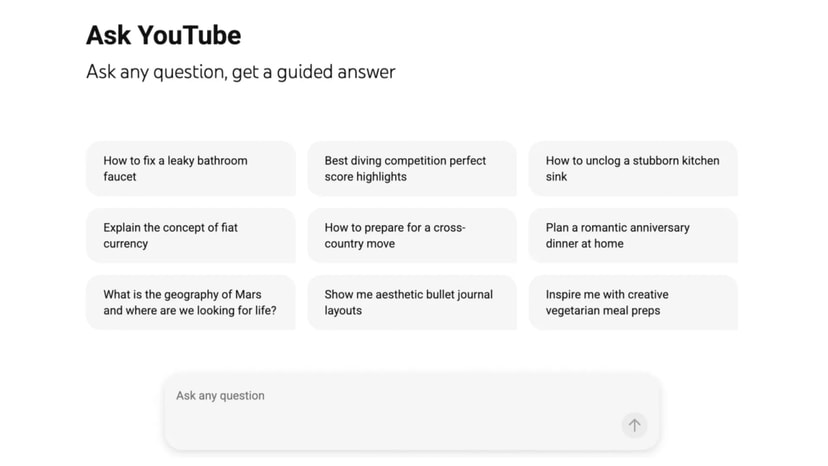
    On March 15, 2026, YouTube introduced Ask YouTube, an AI‑driven chat that lets U.S. Premium subscribers ask questions and receive synthesized video‑based answers. The tool promises a conversational search experience, yet early tests revealed factual slips, such as a wrong claim about the Steam controller’s joysticks, highlighting the need for users to verify information before acting.

    Ask YouTube Launches March 15, 2026 for Premium Users
    Carter Brooks6 days ago

    Samsung unveils Galaxy Z Fold 8 Wide with magnets

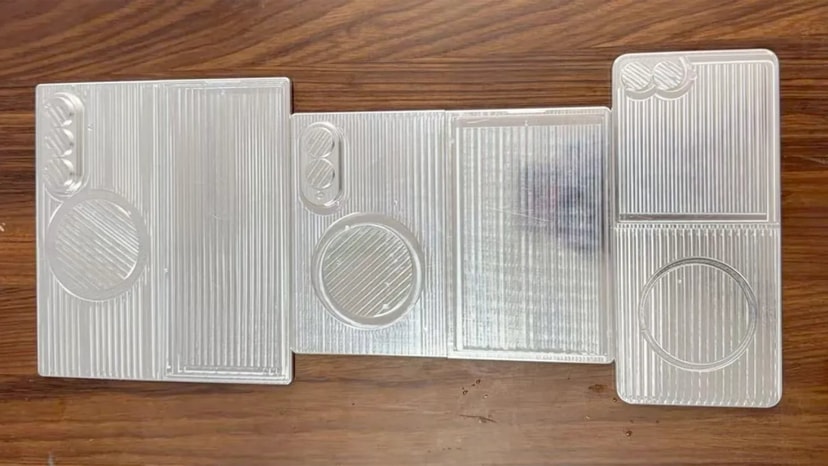
    Leaked images released by insider Sonny Dixon reveal Samsung’s upcoming Galaxy Z Fold 8 lineup, including a new Z Fold 8 Wide with integrated chassis magnets and a simplified two-camera rear array. The wide model aims to lower costs while keeping tablet-size screens, targeting buyers priced out of premium foldables ahead of an August 2026 launch.

    Samsung unveils Galaxy Z Fold 8 Wide with magnets
    Carter Brooks6 days ago

    Samsung launches Jinju smart glasses in 2026

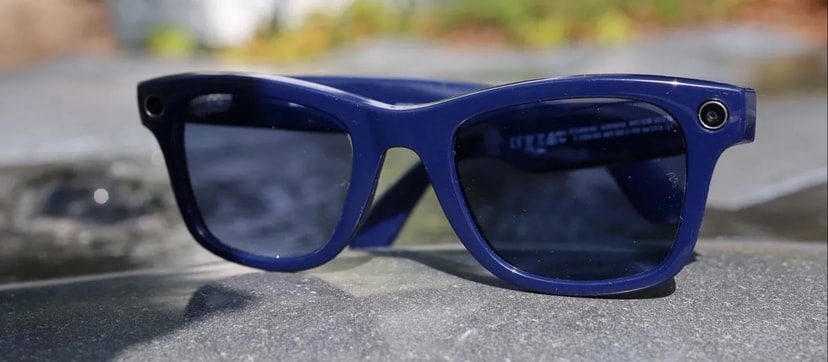
    Samsung’s first smart glasses, code‑named Jinju, debut in 2026 as a voice‑assistant and photo‑capture device. They use a Qualcomm Snapdragon AR1 chip, Sony IMX681 12MP camera, 155 mAh battery, and bone‑conduction speakers, with no display. The battery lasts a few hours; sustained tasks may throttle. Samsung will unveil Jinju in 2026, targeting the Russian market where Meta glasses are unavailable.

    Samsung launches Jinju smart glasses in 2026
    Priya Desai6 days ago

    Sony Adds 30‑Day Online Checks for PlayStation 4 & PS5

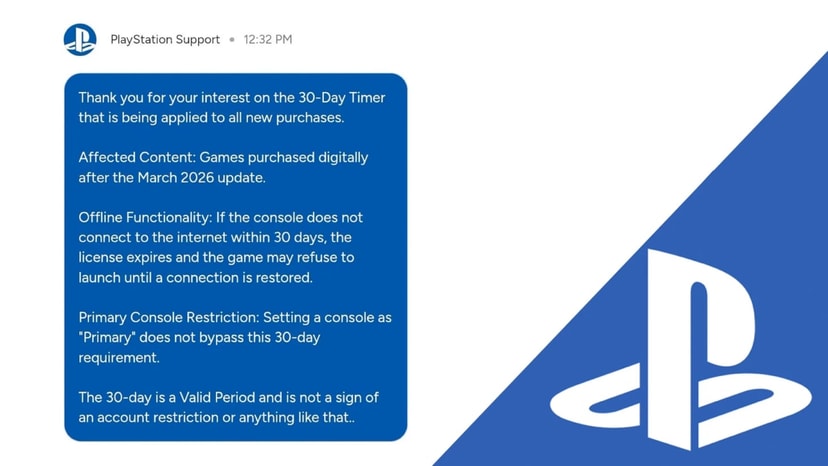
    Starting April 2026, Sony’s PlayStation 4 and PS5 will require each digital title purchased after March 2026 to verify its license with Sony’s servers at least once every 30 days. Missing the online ping renders the game unplayable until the console reconnects, while disc copies and pre‑March downloads remain unaffected. Users should plan a monthly check to keep libraries active.

    Sony Adds 30‑Day Online Checks for PlayStation 4 & PS5
    Carter Brooks6 days ago

    Boost Your Healthspan: 1‑MET Gains Cut Mortality by 11–17%

    Why a 5–7 MET boost (16–25 ml·kg⁻¹·min⁻¹) narrows smoker‑level death risk

    Sarah Lindgren6 days ago
    Loading...
Tech/Gadgets

Xreal One 1S drops to $449 with upgraded specs

12 January 2026

—

News

Logan Price

Xreal launched upgraded One 1S personal cinema glasses at CES 2026 with sharper 1200p displays, brighter screens, and a wider field of view. The company cut the price to $449, down from $499, while boosting key specs across the board.

Remote workers and travelers gain a portable private screen that eliminates the need to pack external monitors or risk shoulder surfing on flights. The 1S connects via USB-C to phones, laptops, or consoles and projects what appears to be a screen up to 171 inches—or even approaching 500 inches for users who can focus that far. The device blocks out surroundings completely, functioning as a private monitor rather than a mixed reality workspace.

Xreal boosted the 1S resolution to 1200p from 1080p, brightness to 700 nits from 600 nits, and field of view to 52 degrees from 50 degrees. Field of view refers to how much visual space the display occupies in the wearer's line of sight, measured in degrees of arc. The aspect ratio shifted to 16:10 from 16:9. Users plug the glasses into their devices and work on spreadsheets in crowded terminals, edit video on trains, or watch films on cross-country flights without disturbing seatmates.

The $449 price point places these glasses within reach of frequent travelers who previously chose between lugging portable monitors or working on cramped laptop screens. Developers code at coffee shops without external displays. Business travelers present slides in hotel rooms without hunting for conference room projectors. Students watch lectures on campus quads without draining phone batteries squinting at small screens.

Xreal also launched the Neo, a $99 battery hub with a 10,000mAh cell and DisplayPort passthrough. DisplayPort passthrough allows video signals to transfer from one device to another without quality loss. Nintendo Switch players previously needed to pack the full dock to use AR glasses while traveling. The Neo eliminates that bulk entirely—one device powers the glasses and connects the console without extra charging bricks or cables in travel kits.

The 1S competes in a growing sub-$500 category of tethered AR glasses. Xreal's own Air 2 sells at $399, while the Air 2 Pro costs $449. VITURE Pro models run $449 to $499 with similar micro OLED displays—which use organic light-emitting diodes at microscopic scale for sharper images—and 50 to 52 degree field of view. Rokid Max 2 typically sells between $309 and $429 depending on promotions. All devices in this category are tethered displays requiring USB-C connection to a phone, PC, or console, not standalone spatial computing headsets.

Both the 1S and Neo are available now through Amazon, Best Buy, and authorized resellers. For travelers tired of strangers reading email over their shoulders on cramped airplane tray tables, this price-to-function ratio warrants examination. Xreal is betting that better specs at a lower price will move these devices from curious tech novelty to practical tool that changes how people work and play away from desks.
What is this about?

  • News/
  • Logan Price/
  • Tech/
  • Gadgets

Feed

    article

    James Whitmoreabout 11 hours ago

    Google Workspace Icon Redesign: From Flat Color Blocks to Gradient‑Rich, Rounded Designs

    Google replaced its 2020 four‑color Workspace icons with gradient‑rich, rounded versions. The redesign cut misclicks, eased app recognition, and underscored the importance of usability over strict brand uniformity.

    Renée Itoabout 12 hours ago

    Apple to unveil iOS 27 with standalone Siri app at WWDC on June 8

    Update brings satellite connectivity, ChatGPT-style interface, and developer extensions

    Carter Brooksabout 18 hours ago

    iPhone 18 Pro to Launch iOS 27 Camera with f/1.5‑f/2.8 Aperture

    iOS 27 adds a “Siri” visual‑AI mode as Apple readies iPhone 18 Pro for fall

    Carter Brooks4 days ago

    Therapist vs Counselor: Which Fits Your Needs?

    Licenses, Training Hours, and Treatment Options Compared (2024‑2025 Data)

    Caleb Brooks4 days ago

    Ask YouTube Launches March 15, 2026 for Premium Users

    On March 15, 2026, YouTube introduced Ask YouTube, an AI‑driven chat that lets U.S. Premium subscribers ask questions and receive synthesized video‑based answers. The tool promises a conversational search experience, yet early tests revealed factual slips, such as a wrong claim about the Steam controller’s joysticks, highlighting the need for users to verify information before acting.

    Ask YouTube Launches March 15, 2026 for Premium Users
    Carter Brooks6 days ago

    Samsung unveils Galaxy Z Fold 8 Wide with magnets

    Leaked images released by insider Sonny Dixon reveal Samsung’s upcoming Galaxy Z Fold 8 lineup, including a new Z Fold 8 Wide with integrated chassis magnets and a simplified two-camera rear array. The wide model aims to lower costs while keeping tablet-size screens, targeting buyers priced out of premium foldables ahead of an August 2026 launch.

    Samsung unveils Galaxy Z Fold 8 Wide with magnets
    Carter Brooks6 days ago

    Samsung launches Jinju smart glasses in 2026

    Samsung’s first smart glasses, code‑named Jinju, debut in 2026 as a voice‑assistant and photo‑capture device. They use a Qualcomm Snapdragon AR1 chip, Sony IMX681 12MP camera, 155 mAh battery, and bone‑conduction speakers, with no display. The battery lasts a few hours; sustained tasks may throttle. Samsung will unveil Jinju in 2026, targeting the Russian market where Meta glasses are unavailable.

    Samsung launches Jinju smart glasses in 2026
    Priya Desai6 days ago

    Sony Adds 30‑Day Online Checks for PlayStation 4 & PS5

    Starting April 2026, Sony’s PlayStation 4 and PS5 will require each digital title purchased after March 2026 to verify its license with Sony’s servers at least once every 30 days. Missing the online ping renders the game unplayable until the console reconnects, while disc copies and pre‑March downloads remain unaffected. Users should plan a monthly check to keep libraries active.

    Sony Adds 30‑Day Online Checks for PlayStation 4 & PS5
    Carter Brooks6 days ago

    Boost Your Healthspan: 1‑MET Gains Cut Mortality by 11–17%

    Why a 5–7 MET boost (16–25 ml·kg⁻¹·min⁻¹) narrows smoker‑level death risk

    Sarah Lindgren6 days ago
    Loading...