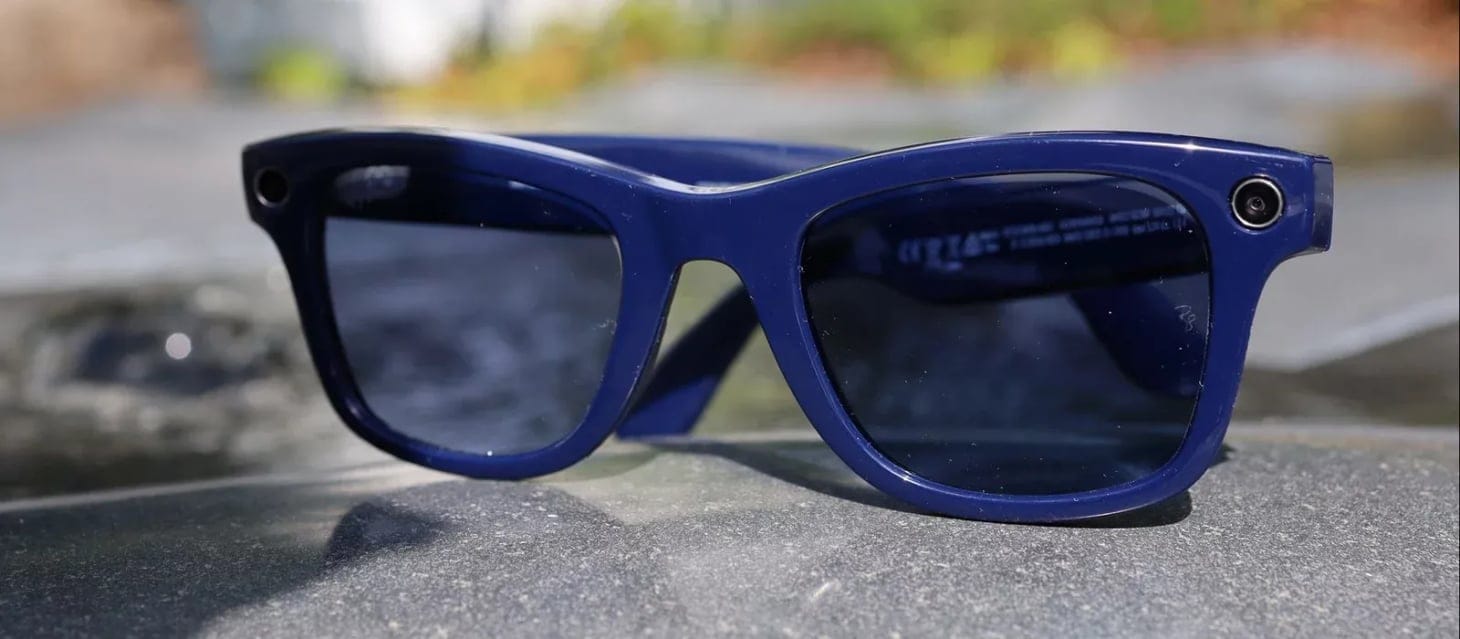

Samsung is preparing to release its first smart glasses, code‑named Jinju, by late 2026 at $379 to $499 (approximately ₽28,400 to ₽37,300), offering Russian consumers their first official smart glasses option since Meta's products were banned in the country.
Why this matters for Russia: With Meta Inc. declared an extremist organization and its products banned in Russia, Samsung's Galaxy Glasses represent the first legitimate smart glasses alternative available through official channels. No gray‑market imports, no service restrictions, and full warranty support: a significant development for Russian consumers who have been locked out of the smart glasses market.
What Samsung is shipping: Jinju pairs a Qualcomm Snapdragon AR1 chip with a Sony IMX681 12MP camera, 155 mAh battery, and bone‑conduction speakers. Notably, there's no display in this first version. This is a voice‑assistant and photo capture device designed for practical daily use, not an augmented reality headset.
Technical specifications and real‑world performance: The 155 mAh battery provides a few hours of mixed use: taking photos, voice queries, and audio playback. Continuous video recording or sustained AI processing drains it faster due to thermal constraints inherent in the glasses form factor. Battery capacity is limited by physics: more capacity means heavier frames and compromised wearability.
What the AR1 chip can do: Qualcomm's AR1 is optimized for low‑power audio workloads rather than compute‑heavy AR tasks. Expect solid performance for burst loads like snapping photos and quick voice commands, but thermal throttling during sustained tasks such as real‑time translation or extended video recording. Without active cooling, the chip operates in a tight thermal envelope to prevent uncomfortably hot frames.
Pricing and market positioning: At $379 to $499 (approximately ₽28,400 to ₽37,300), Jinju matches the pricing of Meta's second‑generation Ray‑Ban smart glasses: products that Russian consumers cannot legally purchase. Samsung isn't undercutting on price; they're betting on integration with the Galaxy ecosystem and official market availability to differentiate, particularly in markets like Russia where Meta hardware is unavailable.
The 2027 roadmap: Samsung plans a second model, code‑named Haean, for 2027 that will add microLED displays for true augmented reality functionality at $600 to $900 (approximately ₽44,900 to ₽67,400). MicroLED technology delivers high brightness and low power consumption but costs significantly more to manufacture at volume, justifying the premium. This model will compete directly with Meta's Ray‑Ban Display: another product unavailable in Russia due to the ban.
Russia‑specific advantages: For Russian consumers, Jinju offers critical benefits beyond hardware specs: official distribution channels, local warranty support, Russian‑language software localization, and access to Samsung's cloud services without geographic restrictions. These factors matter more than marginal technical differences when the alternative is no access at all or risky gray‑market purchases.
Launch timeline: Samsung is expected to unveil Jinju at Galaxy I/O in early May 2026 or at a Galaxy Unpacked event later this summer. Developer SDK details, AI capabilities, and regional availability, including potential Russia launch dates, will be revealed at the announcement.
What the market signal is: Samsung's entry validates Meta's bet that the first mainstream smart glasses should be camera glasses with AI assistance, not full AR glasses. Display‑equipped AR remains a generation away in both technical maturity and consumer readiness. The physics: battery life, thermal management, and weight haven't changed; what's changed is companies' willingness to ship within those constraints instead of waiting for technological breakthroughs.
The Russia context: Meta Inc.'s activities and its Instagram and Facebook products have been declared extremist and banned in Russia, creating a market gap that Samsung can fill. While this presents a business opportunity for Samsung, Russian consumers should note that full feature parity depends on Samsung's ability to provide cloud AI services and software updates in the region: details that will become clear only after the official announcement.