• My Feed
  • Home
  • What's Important
  • Media & Entertainment
Search

Stay Curious. Stay Wanture.

© 2026 Wanture. All rights reserved.

  • Terms of Use
  • Privacy Policy
Tech/Gadgets

Xiaomi 17 Ultra: When a One-Inch Sensor Meets a 6,800 mAh Battery

Can smartphone photography finally match compact cameras while lasting two full days?

19 December 2025

—

Review *

Priya Desai
banner

The Xiaomi 17 Ultra pairs a one-inch sensor with a 200-megapixel Leica telephoto and 6,800 mAh battery—hardware choices that target mobile photographers tired of carrying two devices. We examine what this combination actually delivers: thermal performance, real-world battery life, and whether computational photography finally bridges the gap to dedicated cameras.

image-120

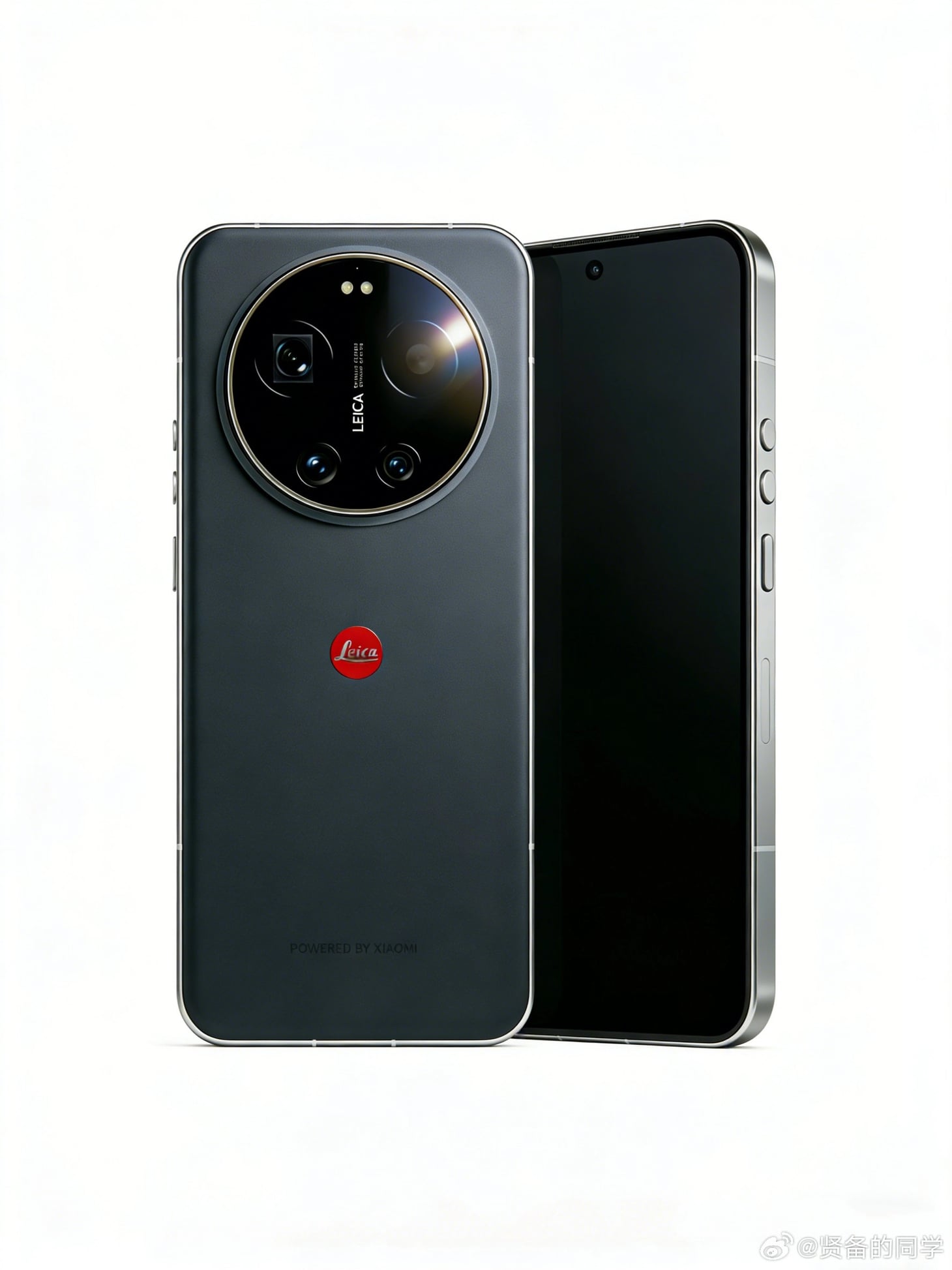
The Xiaomi 17 Ultra hasn't launched yet, but leaked specifications reveal a device that makes specific bets about what matters most in a flagship smartphone: physical sensor size over computational photography tricks, battery capacity over slim profiles, and optical engineering over software magic.

Based on the leaked renders and specifications, here's what these numbers might mean for your daily use—and whether this unreleased device could solve friction points that current flagships leave unaddressed.

What a One-Inch Sensor Could Change About Mobile Photography

The leaked renders show a camera module that sits noticeably proud of the chassis—thick enough that the phone will likely rock on a table.

The primary sensor reportedly measures one inch diagonal, the same physical dimensions as Sony's RX100 compact cameras. That's not marketing language—it's actual sensor real estate that gathers meaningfully more light than standard smartphone sensors.

If these specs prove accurate, the implications are concrete: indoor portraits in mixed lighting should pull detail from shadows that other phones lose. Skin tones should stay natural without oversaturation or artificial warmth from aggressive processing. The multispectral sensor Xiaomi pairs with the image pipeline suggests accurate color temperature reading rather than algorithmic guessing.

The 200-megapixel Leica-certified telephoto with 3x-4.3x optical zoom could provide genuine cropping latitude. If it performs as the specifications suggest, you could shoot at 3x optical, then crop to 4.3x in post-processing while maintaining detail. Brick textures stay sharp. Window reflections remain clean. This wouldn't be the usual digital zoom blur you tolerate—it would be genuine cropping latitude that changes what you attempt to capture.

The leaked images show an optional photography case with a dedicated shutter button and zoom wheel. If this ships in the box as indicated, the physical controls could return muscle memory from DSLR shooting: half-press shutter focus, tactile zoom adjustment. This would eliminate the awkward two-handed glass-tapping that smartphone photography usually requires, though it adds bulk.

One potential friction point: camera apps prioritizing features over simplicity typically require multiple taps to switch modes. Users coming from iPhone's stripped-down camera interface should expect a learning curve.

What 6,800 mAh Actually Means for Daily Behavior

The leaked specifications list a 6,800 mAh battery—roughly 40% larger than the iPhone 16 Pro Max's 4,685 mAh and 25% larger than the Galaxy S24 Ultra's 5,000 mAh.

This capacity should translate to a specific behavioral shift: stopping the rationing of screen time.

Most current flagship phones—iPhone 16 Pro Max, Samsung Galaxy S24 Ultra, Pixel 9 Pro—deliver consistent full-day performance with 15 to 20 percent remaining at bedtime. The 17 Ultra's capacity suggests genuine day-and-a-half runtime without adjusting usage patterns.

The practical implication: you'd likely stop checking the battery percentage compulsively. You'd use navigation without anxiety. You'd shoot photos freely instead of calculating the power cost of each session.

The 100-watt wired charging should recover quickly when needed. Based on similar charging speeds in current devices, expect roughly 20-25 minutes to charge from 10% to 70%—fast enough that a morning shower provides usable charge for the full day ahead.

The Snapdragon 8 Elite Gen 5 processor (if this designation is accurate) would need to handle computational photography workloads efficiently—processing massive RAW files from that 200-megapixel sensor—without lag or stutter. Heat management during intensive use remains a question mark until hands-on testing.

The Weight Trade-Off for Camera and Battery Capability

The leaked renders show a flat OLED display sitting flush with the aluminum frame—no curved edges, no visual flourish.

This flat screen design offers practical advantages: screen protectors apply cleanly, edge swipes for gesture navigation work without accidental touches, and glare stays manageable in direct sunlight.

The LTPO technology should deliver efficiency benefits through dynamic refresh rate adjustment—dropping to low rates for static text, jumping to 120Hz for scrolling—though the transitions should work invisibly.

The trade-off for that 6,800 mAh battery and one-inch camera sensor: weight and thickness. Based on component sizes, expect this phone to weigh noticeably more than current flagships—likely 8+ ounces compared to the iPhone 16 Pro Max's 7.0 ounces. The camera bump appears substantial in renders: potentially 0.4+ inches at the module's deepest point. This won't be a one-handed phone. Two-hand operation will likely feel necessary for secure grip during photography.

After a full day in jeans pockets or jacket pockets, that weight difference becomes noticeable. Users prioritizing compact form and one-handed use should look elsewhere.

When This Phone Would Solve Your Specific Problem

If you shoot your kid's soccer games every Saturday and currently miss shots because your phone can't track focus fast enough or can't reach across the field—that 200-megapixel telephoto with reported 3-4.3x optical zoom could let you crop tighter in post without losing the detail that makes you actually want to print the shot. The one-inch sensor should handle lower light as games extend into evening.

If you run twelve-hour workdays that span morning meetings, midday site visits, evening documentation, and you're exhausted by battery anxiety—the 6,800 mAh capacity could eliminate the "searching for outlets" behavior that fragments focus. The psychological shift from rationing to trusting matters more than the percentage points suggest.

If you're a mobile photographer who currently carries both a phone and a compact camera, hoping to consolidate without compromise—that one-inch sensor could deliver image quality that makes you leave a dedicated compact camera home. The photography case could bridge the gap between touchscreen convenience and tactile control.

If you prioritize compact form and one-handed use—this phone won't work. The weight and thickness will become friction points. Your pinky will ache from propping up 8+ ounces during extended use.

If you're deeply embedded in Apple's ecosystem—the switching costs remain substantial despite camera excellence. AirDrop, iMessage integration, automatic continuity between MacBook and phone—the friction of rebuilding workflows and relearning interfaces persists regardless of camera quality.

What We Don't Know Yet

Leaked specifications tell part of the story, but critical questions remain unanswered until hands-on testing:

  • How does the camera system perform in challenging real-world conditions—mixed lighting, fast-moving subjects, extreme contrast?
  • Does the phone throttle performance or overheat during extended photo sessions or navigation in direct sunlight?
  • How does the actual weight feel after a week of daily carry?
  • Is the camera app interface intuitive or overwhelming?
  • What's the real-world battery performance across different usage patterns?
  • What's the actual U.S. pricing and availability timeline?

Xiaomi has indicated the device will be unveiled in the coming days, with immediate availability anticipated for both domestic and global markets. U.S. pricing remains unconfirmed, though based on component costs and competitive positioning, expect flagship-level pricing in the $1,200-1,400 range if it launches in the U.S. market.

The Central Question These Specs Raise

The Xiaomi 17 Ultra's leaked specifications make a specific argument: that physical hardware—sensor size, battery capacity, optical engineering—matters more than software optimization and ecosystem integration.

If you've hit the limits of computational photography on your current phone, if battery anxiety shapes your daily behavior, if you want genuine optical zoom range—these specs suggest solutions to specific friction points.

If you value ecosystem integration, compact form, established brand support, or one-handed use—these specs suggest trade-offs that may not be worth making.

The question isn't whether this phone will be "good"—flagship specs almost guarantee competent performance. The question is whether these specific hardware choices solve problems that matter enough to you to accept the switching costs, weight penalties, and ecosystem friction.

What would you shoot first if battery life and optical reach were no longer limiting factors?
What is this about?

  • Xiaomi 17 Ultra/
  • flagship smartphone/
  • advanced camera system/
  • mobile photography/
  • battery performance

Feed

    Apple rolls out iOS 18.7.7 to block DarkSword

    Apple rolls out iOS 18.7.7 to block DarkSword

    Patch fixes six Safari bugs, stopping DarkSword on iOS 18–18.7 devices

    about 6 hours ago
    BoxPlates Skins Revamp PS5 Slim & Pro in Two Weeks

    BoxPlates Skins Revamp PS5 Slim & Pro in Two Weeks

    about 7 hours ago
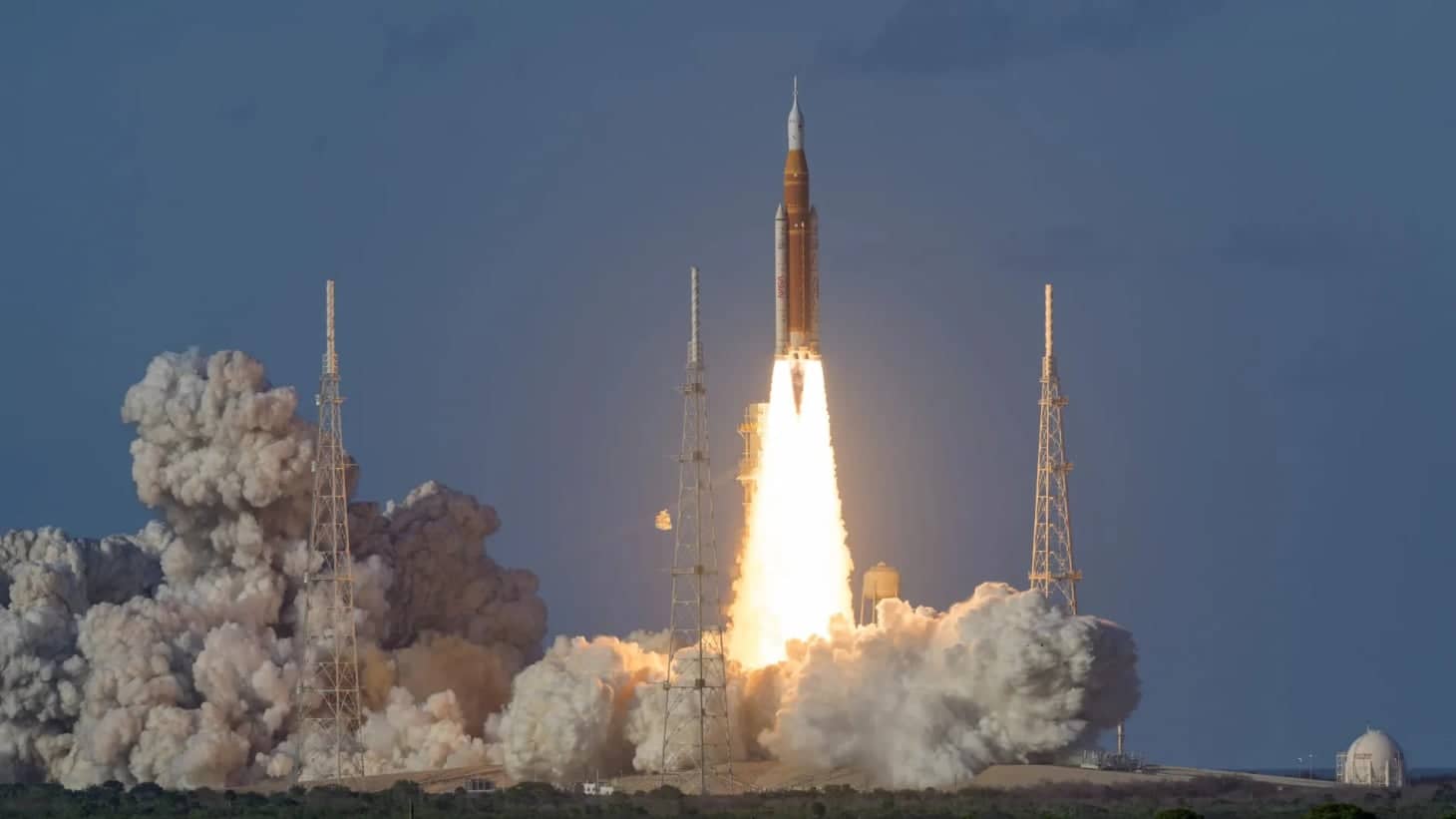
    Artemis 2 Rockets Beyond Earth—402,000 km From Home

    Artemis 2 Rockets Beyond Earth—402,000 km From Home

    Lift‑off at 8:23 a.m. ET marks first crewed lunar flight since 1972, with a diverse four‑person crew

    about 10 hours ago
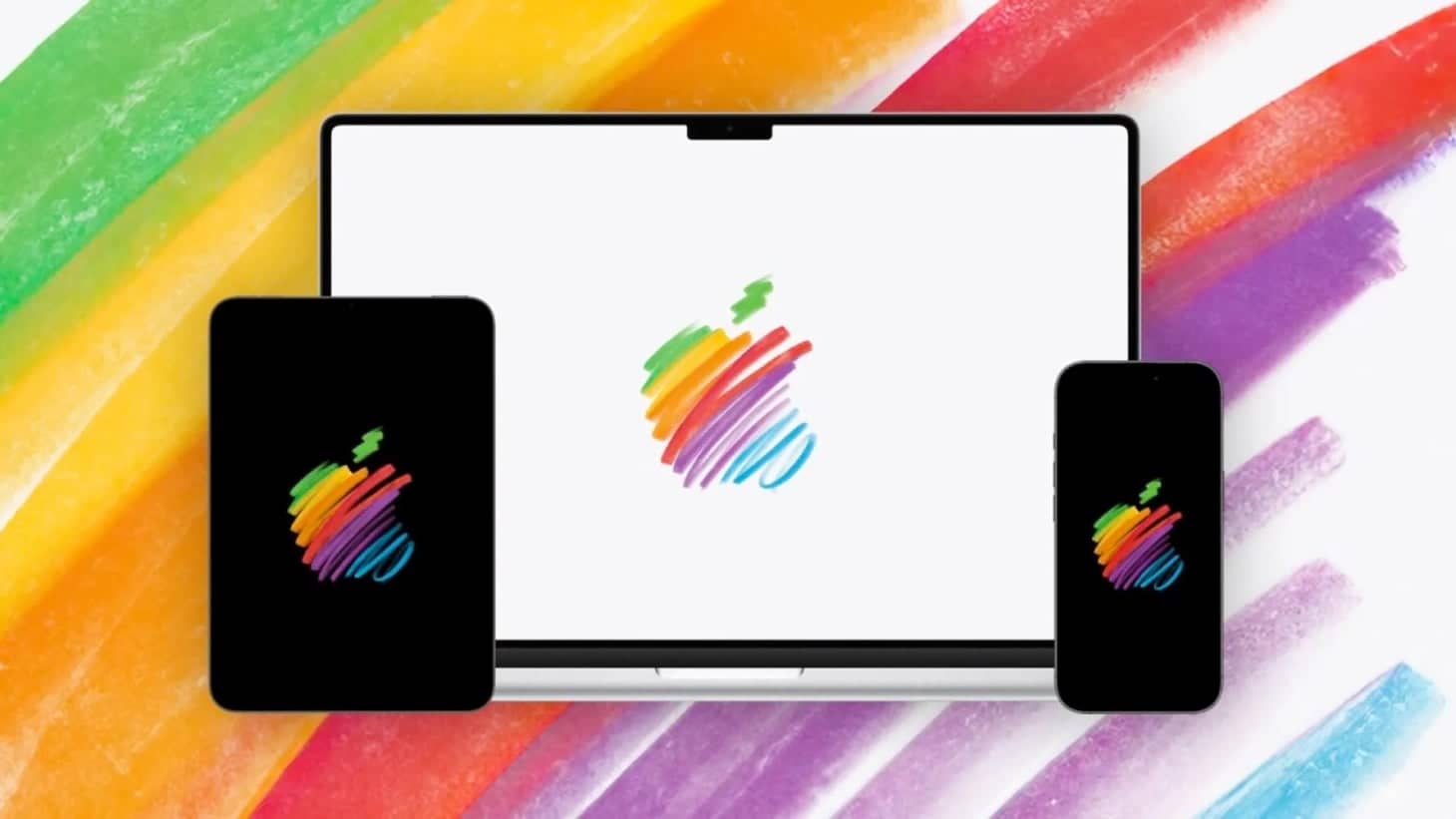
    Apple celebrates 50 years with new minimalist wallpapers

    Apple celebrates 50 years with new minimalist wallpapers

    Basic Apple Guy releases iPhone and Mac wallpapers for Apple’s 50th anniversary

    about 10 hours ago
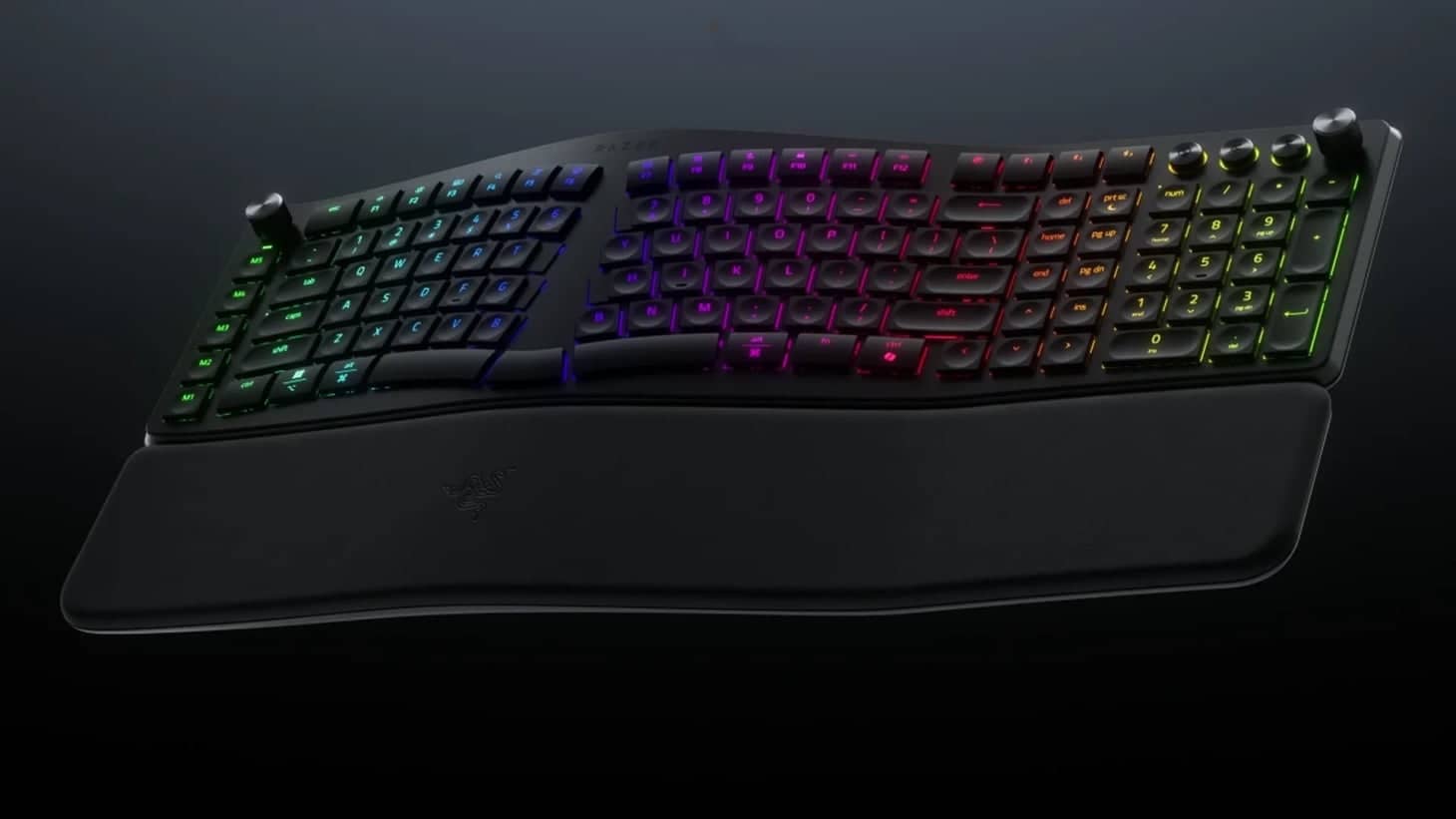
    Razer Unveils Pro Type Ergo Ergonomic Keyboard Today

    Razer Unveils Pro Type Ergo Ergonomic Keyboard Today

    Split design, AI button, and 19‑zone RGB aim at U.S. workers with a 9.7% RSI rate

    1 day ago
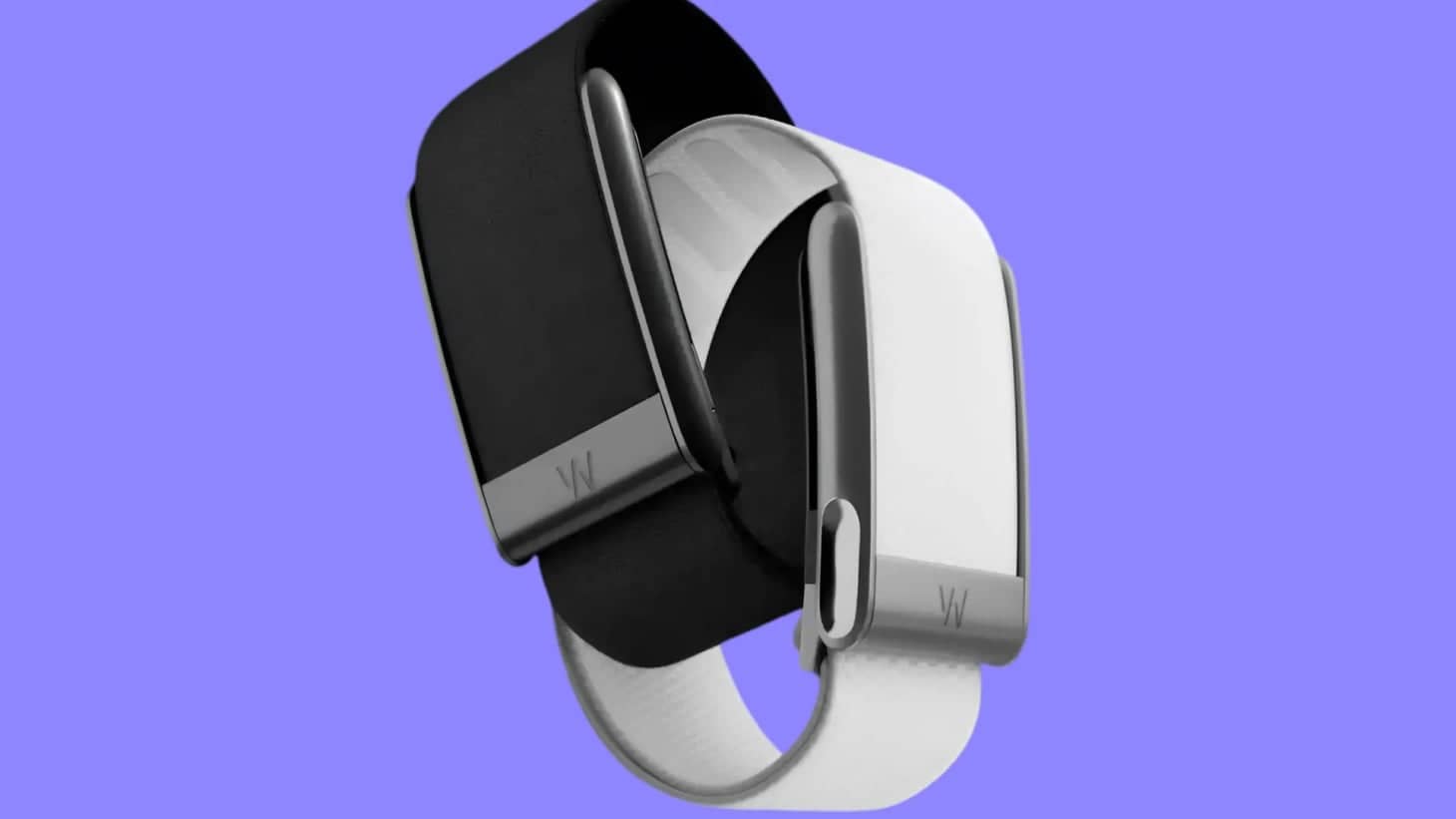
    Google to debut screen‑free Fitbit band in 2026

    Google to debut screen‑free Fitbit band in 2026

    AI‑driven training plan and upgraded platform aim at the health‑tracking market against Oura and Whoop

    1 day ago
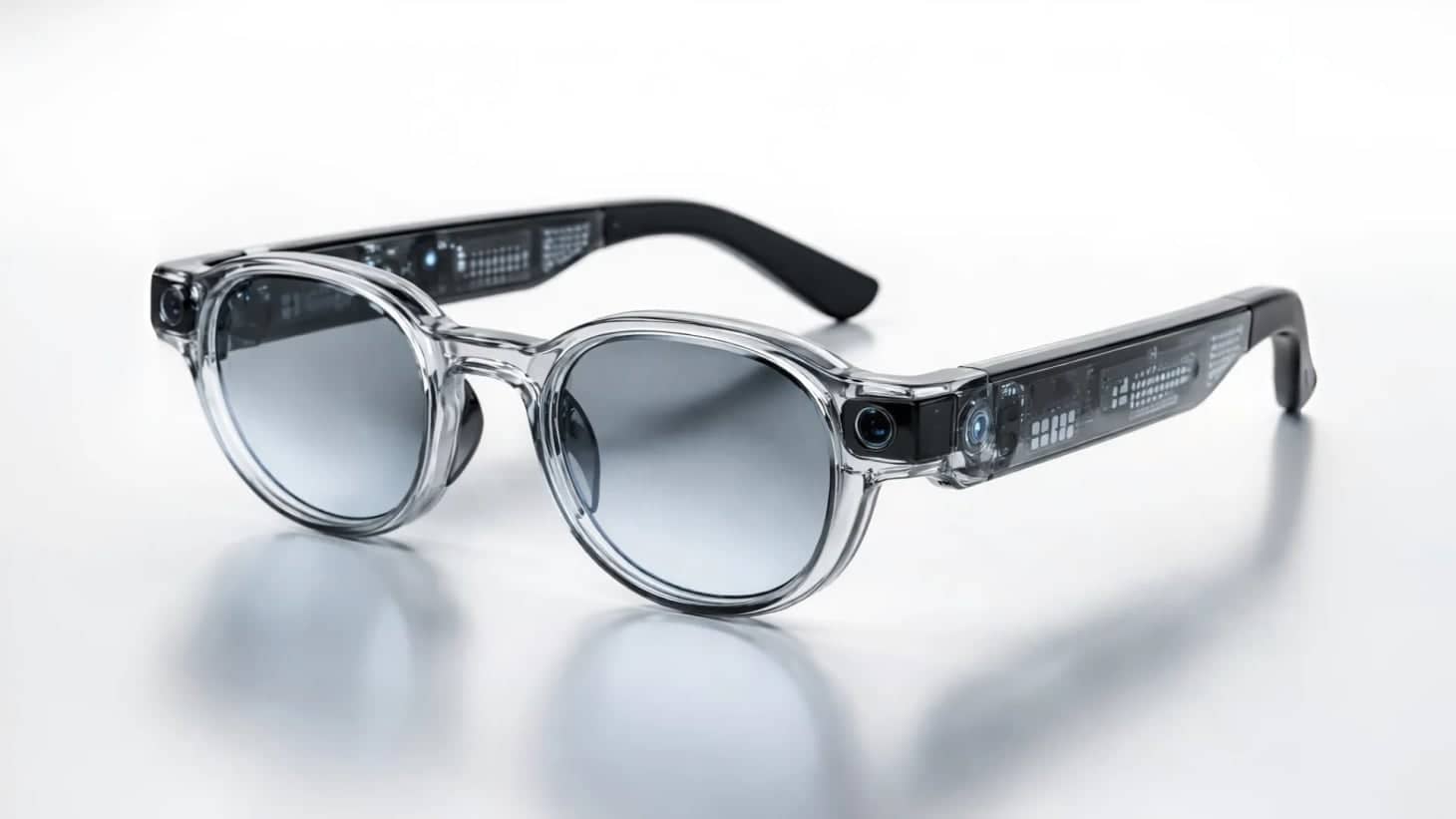
    Nothing unveils AI‑powered smart glasses for a 2027 launch

    Nothing unveils AI‑powered smart glasses for a 2027 launch

    The glasses use a paired phone and cloud, with a clear frame and LED accents

    1 day ago
    Google rolls out Veo 3.1 Lite, halving AI video costs

    Google rolls out Veo 3.1 Lite, halving AI video costs

    Veo 3.1 Lite matches Veo 3.1 Fast speed but cuts price by over 50% for devs now

    1 day ago
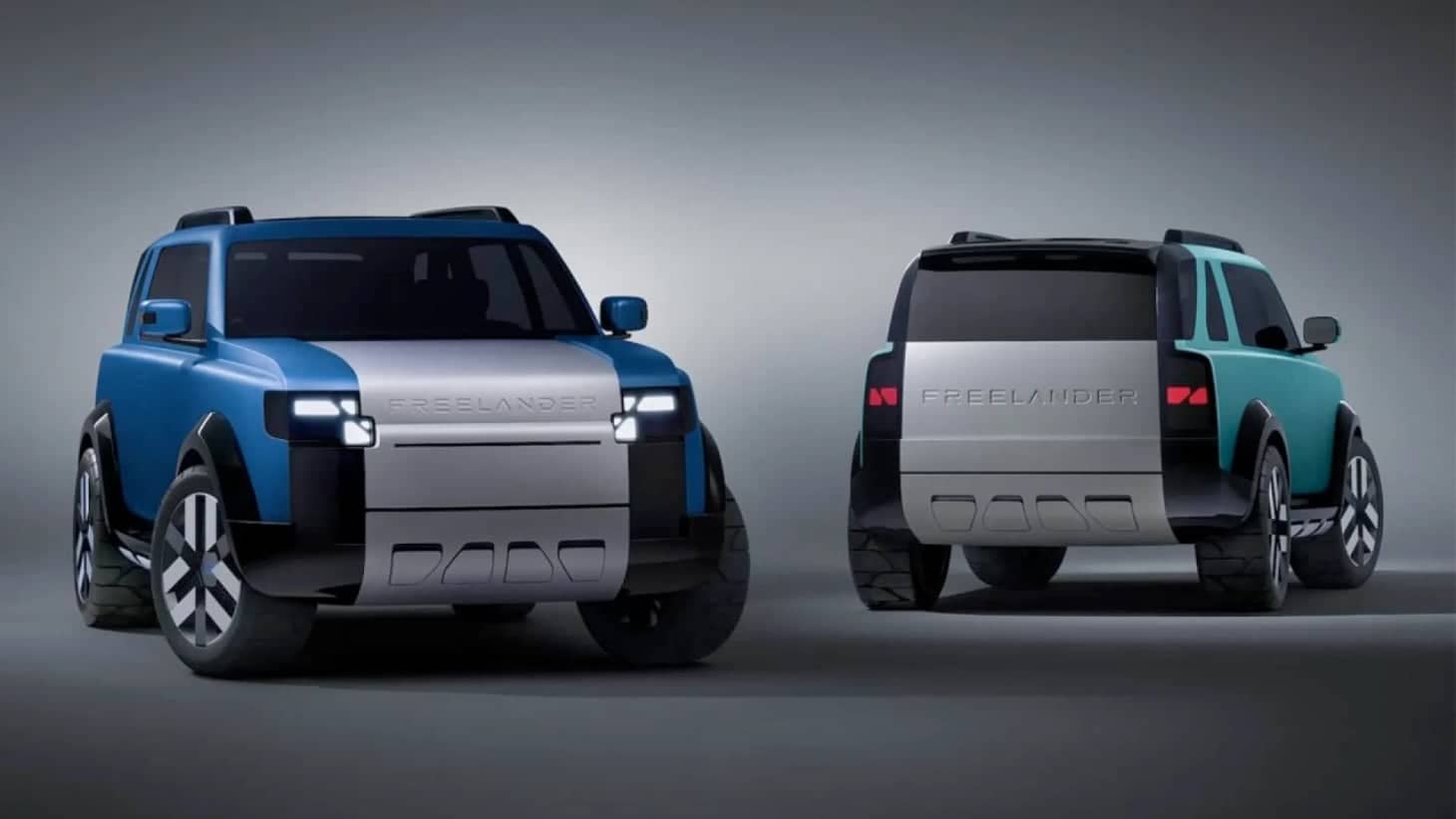
    Freelander 97 Debuts 800‑V EV Crossover in Shanghai

    Freelander 97 Debuts 800‑V EV Crossover in Shanghai

    Chery‑JLR showcases ADS 4.1 autonomy on 800‑V platform, eyeing 2028 launch

    1 day ago
    Telegram Launches Version 12.6 With AI Editor, New Polls

    Telegram Launches Version 12.6 With AI Editor, New Polls

    It adds an AI tone editor, richer polls, Live/Motion Photos, and bot management

    1 day ago

    Pixel 11 Pro Renders Leak With Black Camera Bar and MediaTek Modem

    Google’s August 2026 flagship ditches Samsung radios for improved 5G and runs the Tensor G6

    2 days ago

    Anthropic leak reveals Opus 4.7, Sonnet 4.8 in npm 2.1.88

    Leak on March 30‑31 exposed TypeScript, revealing Opus 4.7, Sonnet 4.8, and internal features

    2 days ago

    NVIDIA launches DLSS 4.5 with driver 595.97 on the RTX 50 series

    DLSS 4.5 scales to 6×, raising FPS from 85 to 210 on the RTX 5080 — ~3 ms latency

    2 days ago
    iOS 26.5 beta lands on iPhone 17 Pro with an 8 GB download

    iOS 26.5 beta lands on iPhone 17 Pro with an 8 GB download

    Apple restores RCS encryption and adds a 12‑month subscription in the update

    2 days ago
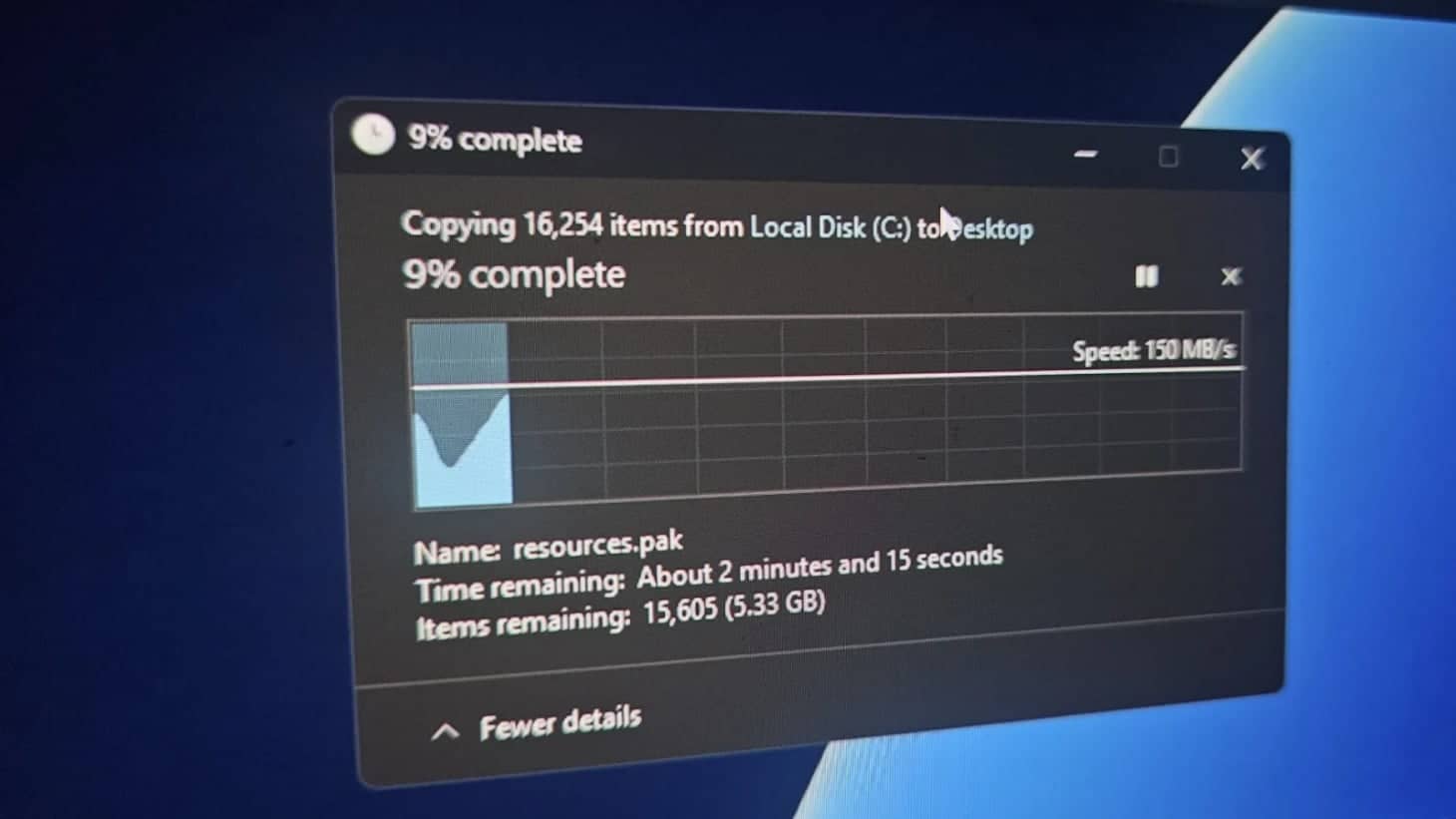
    Windows 11 24H2 Brings Dark Mode to Core Utilities

    Windows 11 24H2 Brings Dark Mode to Core Utilities

    Tools like Registry Editor get dark mode in Windows 11 24H2, out in Sep 2026

    3 days ago

    John Noble's 1,024 Thread Implant Powers Warcraft Raids

    John Noble, a former British parachutist turned veteran gamer, received a neural implant with 1,024 threads after a 2024 trial in Seattle. The device lets him control a MacBook with thought alone, turning World of Warcraft raids into hands‑free battles. His story shows how brain‑computer interfaces can expand digital access for disabled veterans and reshape gaming.

    4 days ago
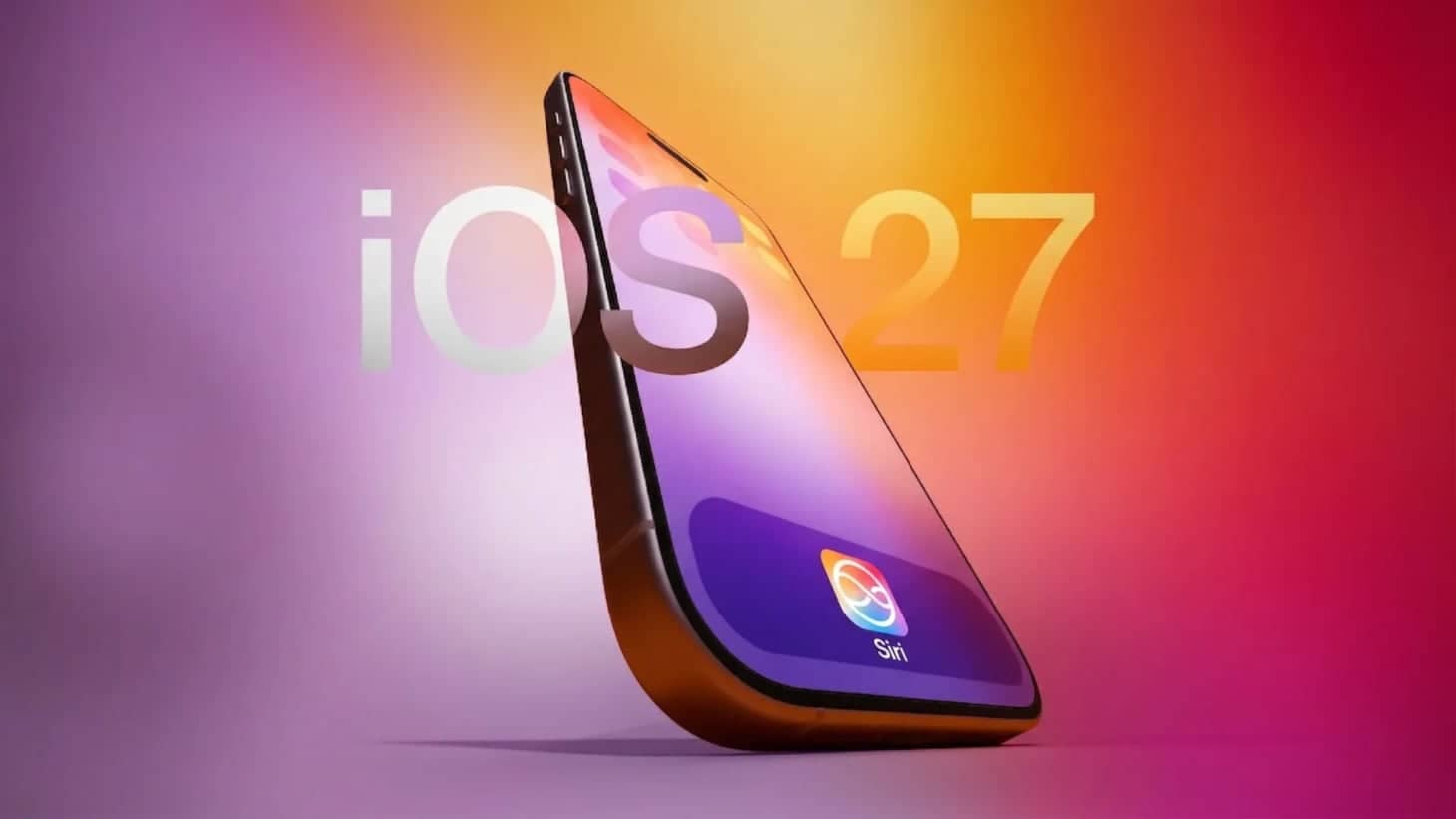
    Apple unveils Siri app for iOS 27, adds 50+ AI agents

    Apple unveils Siri app for iOS 27, adds 50+ AI agents

    iOS 27 Siri app adds Extensions marketplace, eyeing Alexa’s 100,000‑skill store

    4 days ago
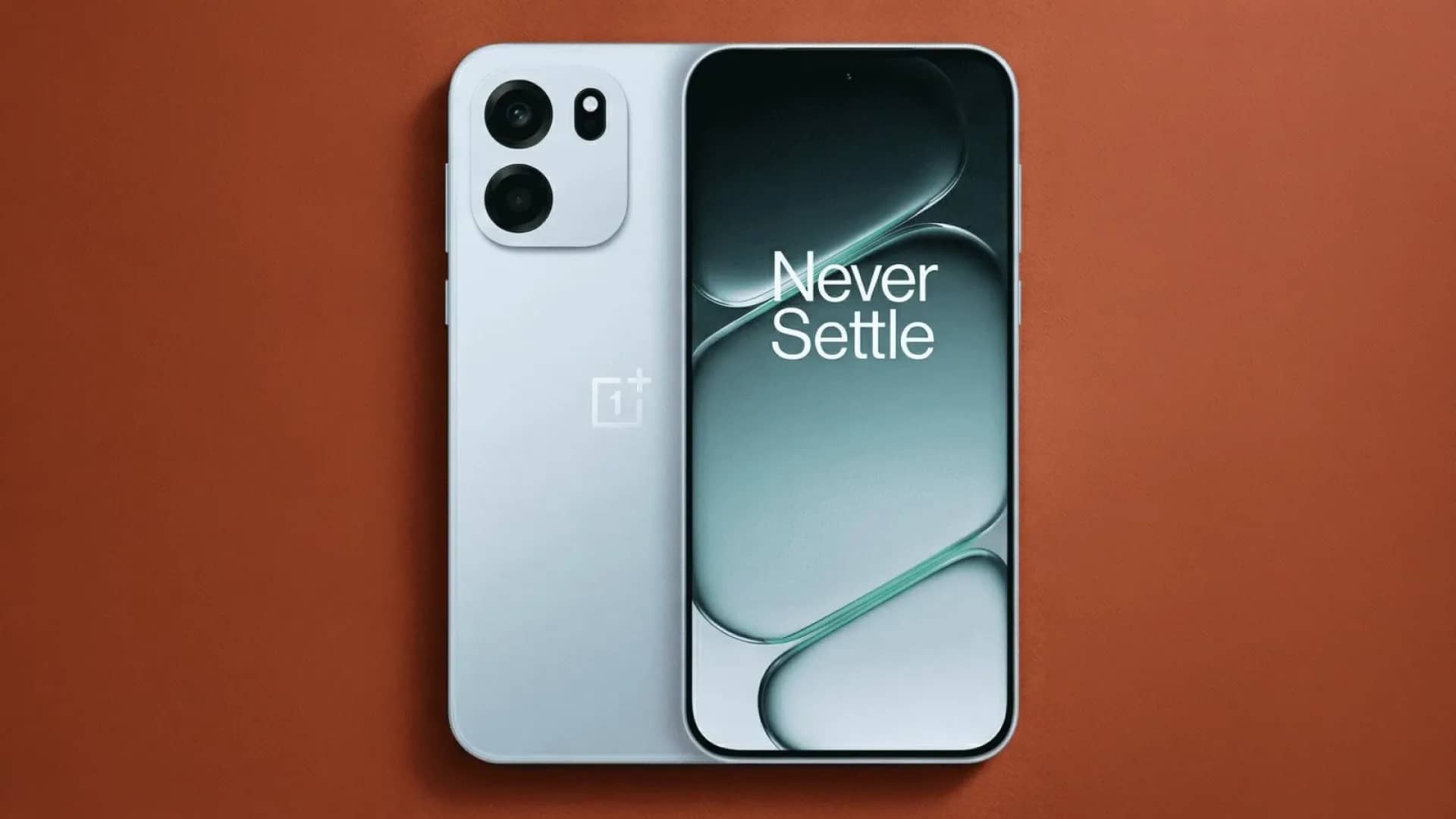
    OnePlus Nord CE6 Lite 5G Debuts with 7,000 mAh Battery

    OnePlus Nord CE6 Lite 5G Debuts with 7,000 mAh Battery

    A 6.7‑inch 120 Hz LCD and MediaTek Dimensity 6300 chip aim for two days of use

    4 days ago
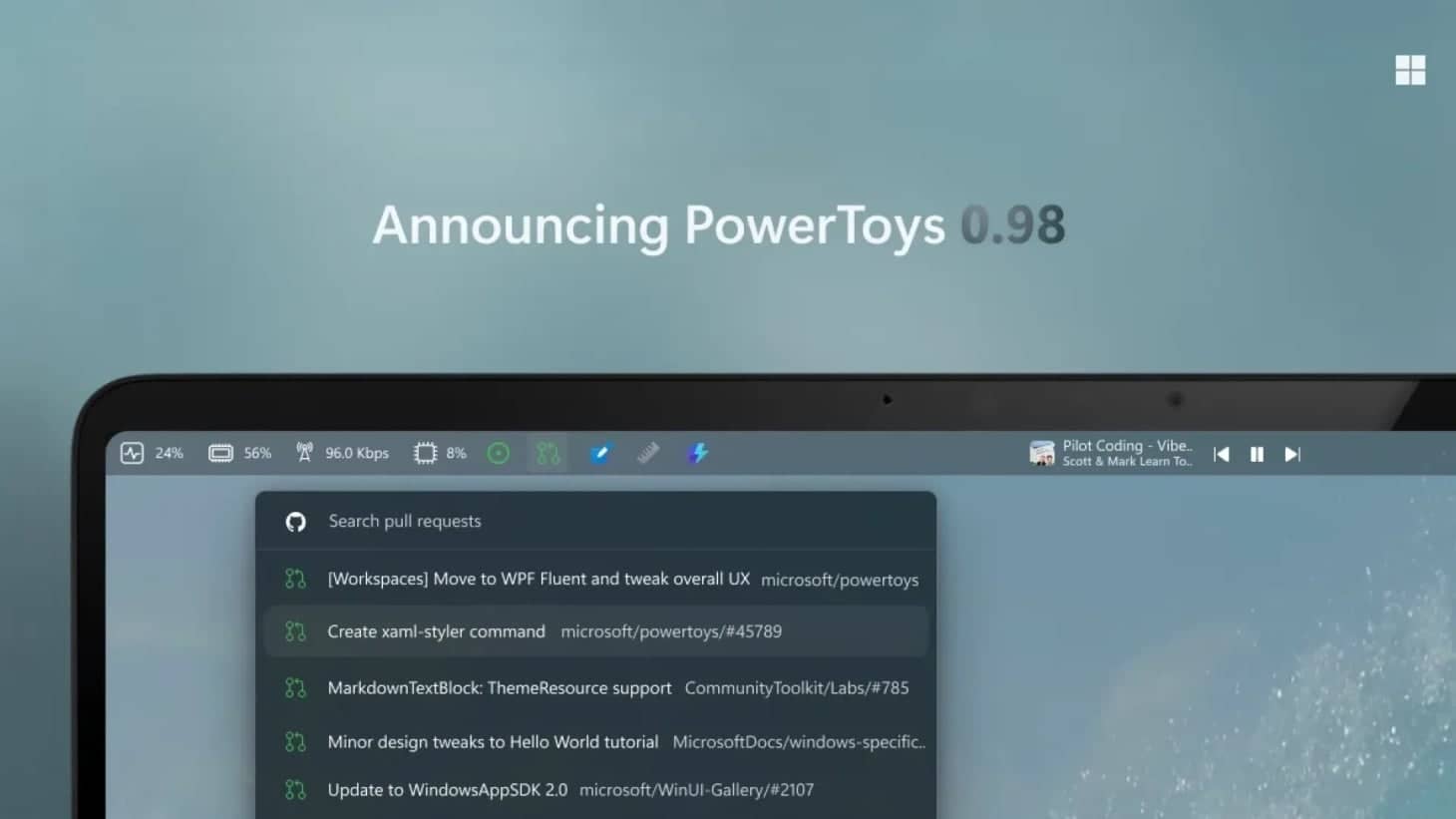
    Microsoft PowerToys 0.98 adds Command Palette Dock

    Microsoft PowerToys 0.98 adds Command Palette Dock

    Pinnable panel brings shortcuts and system widgets to Windows 11

    4 days ago
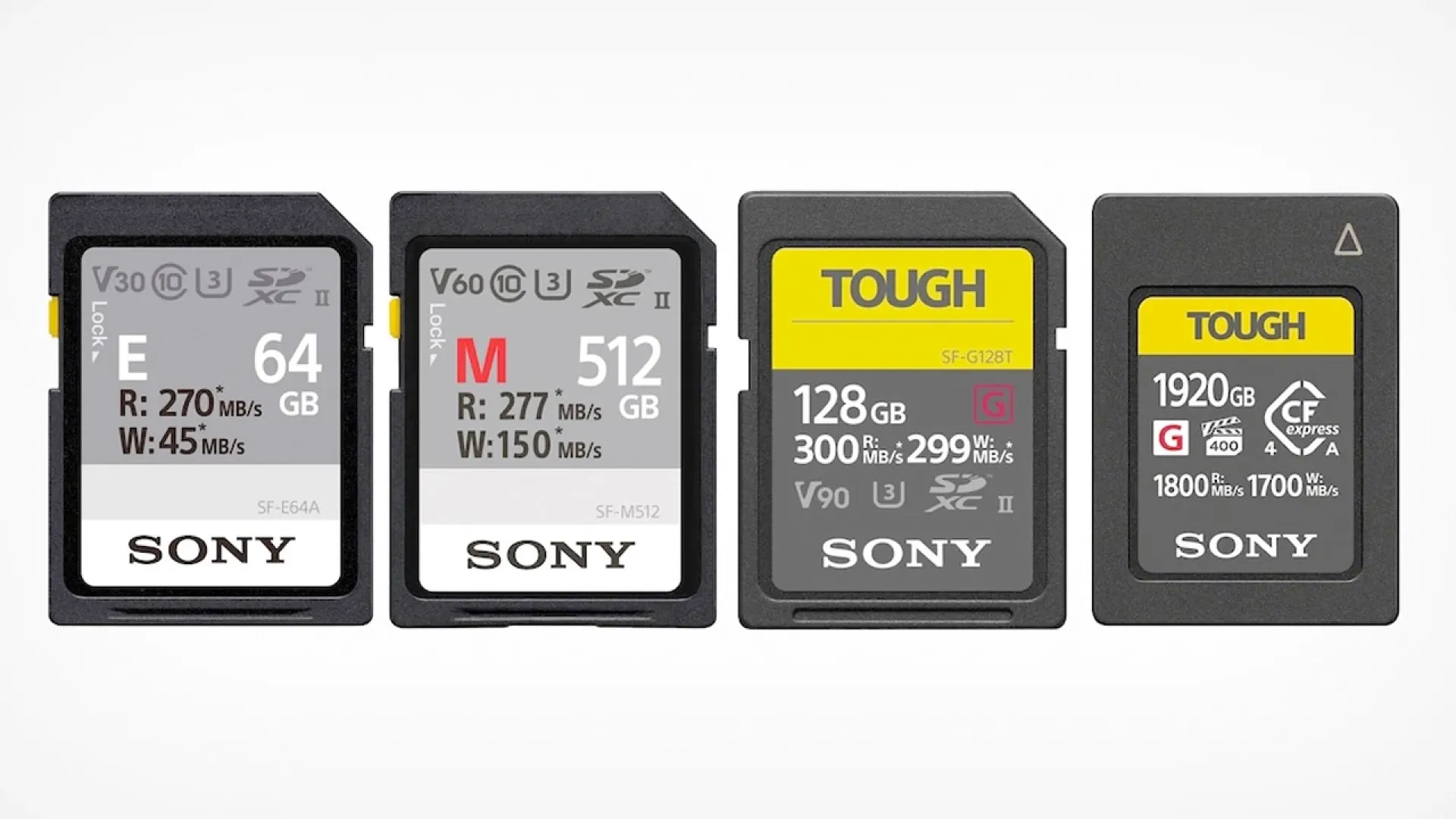
    Sony stops CFexpress, SD card orders amid shortage

    Sony stops CFexpress, SD card orders amid shortage

    CFexpress Type A/B and SDXC/SDHC orders frozen as market seeks alternatives

    4 days ago
    Loading...
Tech/Gadgets

Xiaomi 17 Ultra: When a One-Inch Sensor Meets a 6,800 mAh Battery

Can smartphone photography finally match compact cameras while lasting two full days?

December 19, 2025, 5:25 pm

The Xiaomi 17 Ultra pairs a one-inch sensor with a 200-megapixel Leica telephoto and 6,800 mAh battery—hardware choices that target mobile photographers tired of carrying two devices. We examine what this combination actually delivers: thermal performance, real-world battery life, and whether computational photography finally bridges the gap to dedicated cameras.

image-120

The Xiaomi 17 Ultra hasn't launched yet, but leaked specifications reveal a device that makes specific bets about what matters most in a flagship smartphone: physical sensor size over computational photography tricks, battery capacity over slim profiles, and optical engineering over software magic.

Based on the leaked renders and specifications, here's what these numbers might mean for your daily use—and whether this unreleased device could solve friction points that current flagships leave unaddressed.

What a One-Inch Sensor Could Change About Mobile Photography

The leaked renders show a camera module that sits noticeably proud of the chassis—thick enough that the phone will likely rock on a table.

The primary sensor reportedly measures one inch diagonal, the same physical dimensions as Sony's RX100 compact cameras. That's not marketing language—it's actual sensor real estate that gathers meaningfully more light than standard smartphone sensors.

If these specs prove accurate, the implications are concrete: indoor portraits in mixed lighting should pull detail from shadows that other phones lose. Skin tones should stay natural without oversaturation or artificial warmth from aggressive processing. The multispectral sensor Xiaomi pairs with the image pipeline suggests accurate color temperature reading rather than algorithmic guessing.

The 200-megapixel Leica-certified telephoto with 3x-4.3x optical zoom could provide genuine cropping latitude. If it performs as the specifications suggest, you could shoot at 3x optical, then crop to 4.3x in post-processing while maintaining detail. Brick textures stay sharp. Window reflections remain clean. This wouldn't be the usual digital zoom blur you tolerate—it would be genuine cropping latitude that changes what you attempt to capture.

The leaked images show an optional photography case with a dedicated shutter button and zoom wheel. If this ships in the box as indicated, the physical controls could return muscle memory from DSLR shooting: half-press shutter focus, tactile zoom adjustment. This would eliminate the awkward two-handed glass-tapping that smartphone photography usually requires, though it adds bulk.

One potential friction point: camera apps prioritizing features over simplicity typically require multiple taps to switch modes. Users coming from iPhone's stripped-down camera interface should expect a learning curve.

What 6,800 mAh Actually Means for Daily Behavior

The leaked specifications list a 6,800 mAh battery—roughly 40% larger than the iPhone 16 Pro Max's 4,685 mAh and 25% larger than the Galaxy S24 Ultra's 5,000 mAh.

This capacity should translate to a specific behavioral shift: stopping the rationing of screen time.

Most current flagship phones—iPhone 16 Pro Max, Samsung Galaxy S24 Ultra, Pixel 9 Pro—deliver consistent full-day performance with 15 to 20 percent remaining at bedtime. The 17 Ultra's capacity suggests genuine day-and-a-half runtime without adjusting usage patterns.

The practical implication: you'd likely stop checking the battery percentage compulsively. You'd use navigation without anxiety. You'd shoot photos freely instead of calculating the power cost of each session.

The 100-watt wired charging should recover quickly when needed. Based on similar charging speeds in current devices, expect roughly 20-25 minutes to charge from 10% to 70%—fast enough that a morning shower provides usable charge for the full day ahead.

The Snapdragon 8 Elite Gen 5 processor (if this designation is accurate) would need to handle computational photography workloads efficiently—processing massive RAW files from that 200-megapixel sensor—without lag or stutter. Heat management during intensive use remains a question mark until hands-on testing.

The Weight Trade-Off for Camera and Battery Capability

The leaked renders show a flat OLED display sitting flush with the aluminum frame—no curved edges, no visual flourish.

This flat screen design offers practical advantages: screen protectors apply cleanly, edge swipes for gesture navigation work without accidental touches, and glare stays manageable in direct sunlight.

The LTPO technology should deliver efficiency benefits through dynamic refresh rate adjustment—dropping to low rates for static text, jumping to 120Hz for scrolling—though the transitions should work invisibly.

The trade-off for that 6,800 mAh battery and one-inch camera sensor: weight and thickness. Based on component sizes, expect this phone to weigh noticeably more than current flagships—likely 8+ ounces compared to the iPhone 16 Pro Max's 7.0 ounces. The camera bump appears substantial in renders: potentially 0.4+ inches at the module's deepest point. This won't be a one-handed phone. Two-hand operation will likely feel necessary for secure grip during photography.

After a full day in jeans pockets or jacket pockets, that weight difference becomes noticeable. Users prioritizing compact form and one-handed use should look elsewhere.

When This Phone Would Solve Your Specific Problem

If you shoot your kid's soccer games every Saturday and currently miss shots because your phone can't track focus fast enough or can't reach across the field—that 200-megapixel telephoto with reported 3-4.3x optical zoom could let you crop tighter in post without losing the detail that makes you actually want to print the shot. The one-inch sensor should handle lower light as games extend into evening.

If you run twelve-hour workdays that span morning meetings, midday site visits, evening documentation, and you're exhausted by battery anxiety—the 6,800 mAh capacity could eliminate the "searching for outlets" behavior that fragments focus. The psychological shift from rationing to trusting matters more than the percentage points suggest.

If you're a mobile photographer who currently carries both a phone and a compact camera, hoping to consolidate without compromise—that one-inch sensor could deliver image quality that makes you leave a dedicated compact camera home. The photography case could bridge the gap between touchscreen convenience and tactile control.

If you prioritize compact form and one-handed use—this phone won't work. The weight and thickness will become friction points. Your pinky will ache from propping up 8+ ounces during extended use.

If you're deeply embedded in Apple's ecosystem—the switching costs remain substantial despite camera excellence. AirDrop, iMessage integration, automatic continuity between MacBook and phone—the friction of rebuilding workflows and relearning interfaces persists regardless of camera quality.

What We Don't Know Yet

Leaked specifications tell part of the story, but critical questions remain unanswered until hands-on testing:

  • How does the camera system perform in challenging real-world conditions—mixed lighting, fast-moving subjects, extreme contrast?
  • Does the phone throttle performance or overheat during extended photo sessions or navigation in direct sunlight?
  • How does the actual weight feel after a week of daily carry?
  • Is the camera app interface intuitive or overwhelming?
  • What's the real-world battery performance across different usage patterns?
  • What's the actual U.S. pricing and availability timeline?

Xiaomi has indicated the device will be unveiled in the coming days, with immediate availability anticipated for both domestic and global markets. U.S. pricing remains unconfirmed, though based on component costs and competitive positioning, expect flagship-level pricing in the $1,200-1,400 range if it launches in the U.S. market.

The Central Question These Specs Raise

The Xiaomi 17 Ultra's leaked specifications make a specific argument: that physical hardware—sensor size, battery capacity, optical engineering—matters more than software optimization and ecosystem integration.

If you've hit the limits of computational photography on your current phone, if battery anxiety shapes your daily behavior, if you want genuine optical zoom range—these specs suggest solutions to specific friction points.

If you value ecosystem integration, compact form, established brand support, or one-handed use—these specs suggest trade-offs that may not be worth making.

The question isn't whether this phone will be "good"—flagship specs almost guarantee competent performance. The question is whether these specific hardware choices solve problems that matter enough to you to accept the switching costs, weight penalties, and ecosystem friction.

What would you shoot first if battery life and optical reach were no longer limiting factors?
What is this about?

  • Xiaomi 17 Ultra/
  • flagship smartphone/
  • advanced camera system/
  • mobile photography/
  • battery performance

Feed

    Apple rolls out iOS 18.7.7 to block DarkSword

    Apple rolls out iOS 18.7.7 to block DarkSword

    Patch fixes six Safari bugs, stopping DarkSword on iOS 18–18.7 devices

    about 6 hours ago
    BoxPlates Skins Revamp PS5 Slim & Pro in Two Weeks

    BoxPlates Skins Revamp PS5 Slim & Pro in Two Weeks

    about 7 hours ago
    Artemis 2 Rockets Beyond Earth—402,000 km From Home

    Artemis 2 Rockets Beyond Earth—402,000 km From Home

    Lift‑off at 8:23 a.m. ET marks first crewed lunar flight since 1972, with a diverse four‑person crew

    about 10 hours ago
    Apple celebrates 50 years with new minimalist wallpapers

    Apple celebrates 50 years with new minimalist wallpapers

    Basic Apple Guy releases iPhone and Mac wallpapers for Apple’s 50th anniversary

    about 10 hours ago
    Razer Unveils Pro Type Ergo Ergonomic Keyboard Today

    Razer Unveils Pro Type Ergo Ergonomic Keyboard Today

    Split design, AI button, and 19‑zone RGB aim at U.S. workers with a 9.7% RSI rate

    1 day ago
    Google to debut screen‑free Fitbit band in 2026

    Google to debut screen‑free Fitbit band in 2026

    AI‑driven training plan and upgraded platform aim at the health‑tracking market against Oura and Whoop

    1 day ago
    Nothing unveils AI‑powered smart glasses for a 2027 launch

    Nothing unveils AI‑powered smart glasses for a 2027 launch

    The glasses use a paired phone and cloud, with a clear frame and LED accents

    1 day ago
    Google rolls out Veo 3.1 Lite, halving AI video costs

    Google rolls out Veo 3.1 Lite, halving AI video costs

    Veo 3.1 Lite matches Veo 3.1 Fast speed but cuts price by over 50% for devs now

    1 day ago
    Freelander 97 Debuts 800‑V EV Crossover in Shanghai

    Freelander 97 Debuts 800‑V EV Crossover in Shanghai

    Chery‑JLR showcases ADS 4.1 autonomy on 800‑V platform, eyeing 2028 launch

    1 day ago
    Telegram Launches Version 12.6 With AI Editor, New Polls

    Telegram Launches Version 12.6 With AI Editor, New Polls

    It adds an AI tone editor, richer polls, Live/Motion Photos, and bot management

    1 day ago

    Pixel 11 Pro Renders Leak With Black Camera Bar and MediaTek Modem

    Google’s August 2026 flagship ditches Samsung radios for improved 5G and runs the Tensor G6

    2 days ago

    Anthropic leak reveals Opus 4.7, Sonnet 4.8 in npm 2.1.88

    Leak on March 30‑31 exposed TypeScript, revealing Opus 4.7, Sonnet 4.8, and internal features

    2 days ago

    NVIDIA launches DLSS 4.5 with driver 595.97 on the RTX 50 series

    DLSS 4.5 scales to 6×, raising FPS from 85 to 210 on the RTX 5080 — ~3 ms latency

    2 days ago
    iOS 26.5 beta lands on iPhone 17 Pro with an 8 GB download

    iOS 26.5 beta lands on iPhone 17 Pro with an 8 GB download

    Apple restores RCS encryption and adds a 12‑month subscription in the update

    2 days ago
    Windows 11 24H2 Brings Dark Mode to Core Utilities

    Windows 11 24H2 Brings Dark Mode to Core Utilities

    Tools like Registry Editor get dark mode in Windows 11 24H2, out in Sep 2026

    3 days ago

    John Noble's 1,024 Thread Implant Powers Warcraft Raids

    John Noble, a former British parachutist turned veteran gamer, received a neural implant with 1,024 threads after a 2024 trial in Seattle. The device lets him control a MacBook with thought alone, turning World of Warcraft raids into hands‑free battles. His story shows how brain‑computer interfaces can expand digital access for disabled veterans and reshape gaming.

    4 days ago
    Apple unveils Siri app for iOS 27, adds 50+ AI agents

    Apple unveils Siri app for iOS 27, adds 50+ AI agents

    iOS 27 Siri app adds Extensions marketplace, eyeing Alexa’s 100,000‑skill store

    4 days ago
    OnePlus Nord CE6 Lite 5G Debuts with 7,000 mAh Battery

    OnePlus Nord CE6 Lite 5G Debuts with 7,000 mAh Battery

    A 6.7‑inch 120 Hz LCD and MediaTek Dimensity 6300 chip aim for two days of use

    4 days ago
    Microsoft PowerToys 0.98 adds Command Palette Dock

    Microsoft PowerToys 0.98 adds Command Palette Dock

    Pinnable panel brings shortcuts and system widgets to Windows 11

    4 days ago
    Sony stops CFexpress, SD card orders amid shortage

    Sony stops CFexpress, SD card orders amid shortage

    CFexpress Type A/B and SDXC/SDHC orders frozen as market seeks alternatives

    4 days ago
    Loading...
banner