
Nothing is developing AI-powered smart glasses set to launch in the first half of 2027, according to a Bloomberg report. It's a big swing for a company that's mostly stuck to phones and earbuds, and it plants Nothing squarely in a space where Meta, Apple, and a handful of others are already jockeying for position.
The glasses won't run AI locally. Instead, they'll lean on your paired smartphone and cloud infrastructure to process requests, according to company employees who spoke with Bloomberg. That's a smart trade‑off: you skip the bulk and heat of on‑device chips, but you're tethered to your phone and dependent on decent connectivity.
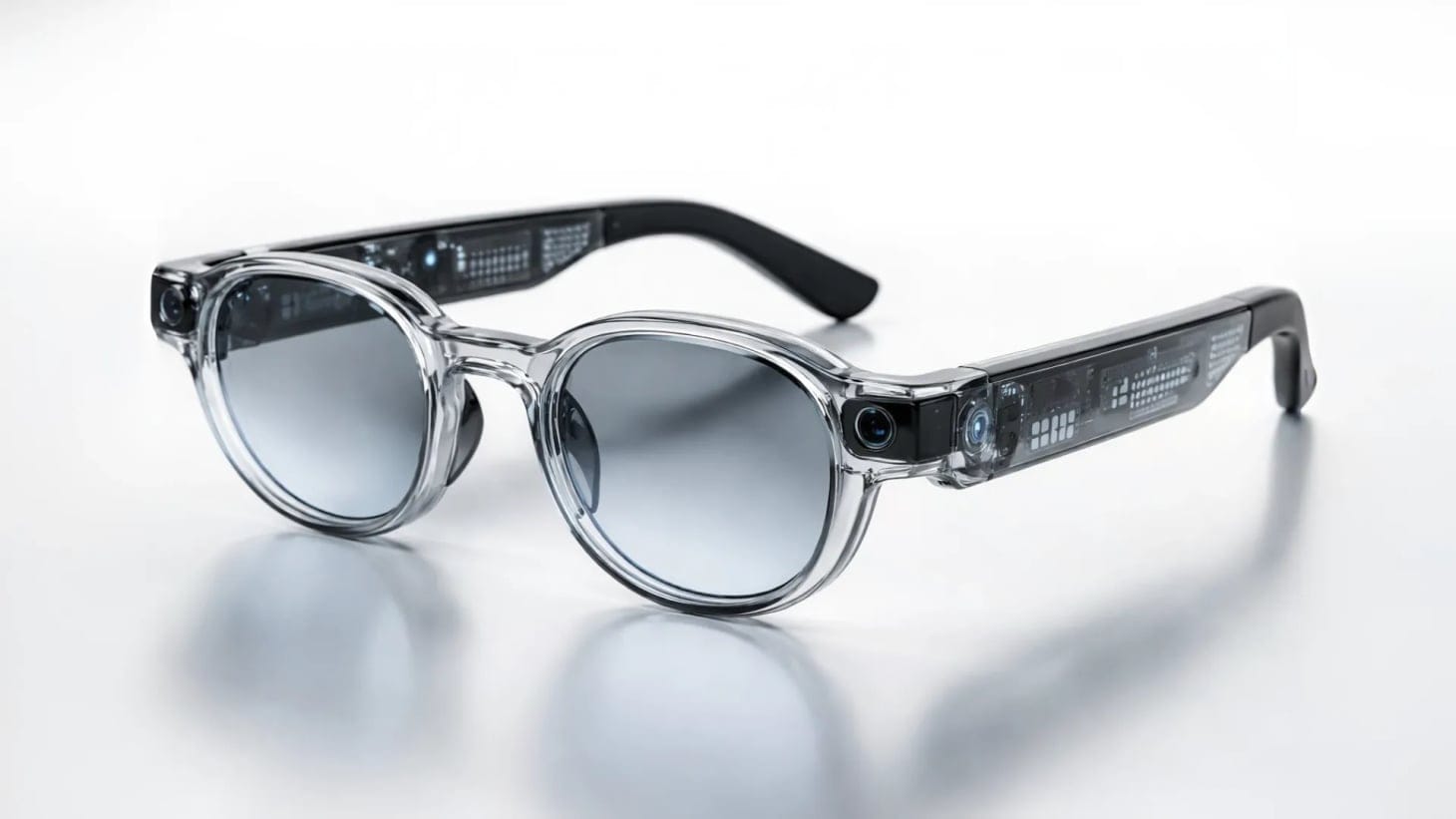
Expect built‑in cameras, microphones, and speakers. Nothing's signature transparent design language carries over, complete with LED accents that'll either charm you or feel like a statement piece, depending on your tolerance for distinctive tech aesthetics. The minimalist look is intentional: it's meant to sidestep the clunky, experimental vibe that's plagued earlier headsets.
Because the AI heavy lifting happens elsewhere, the glasses themselves don't need a dedicated chipset. That should keep weight down and battery life tolerable, though we won't know real‑world performance until units ship.
Smart glasses are having a moment. Meta's been iterating on Ray‑Ban collabs, Apple's rumored to be prepping something for late 2027, and a dozen startups are chasing the same dream: a wearable that handles tasks without pulling your phone from your pocket every thirty seconds. Nothing's betting that a clean aesthetic and cloud‑based processing will resonate with people who want utility without looking like they're cosplaying a cyborg.
The risk? Glasses are intimate. They sit on your face. If they're heavy, hot, or awkward, people won't wear them, no matter how clever the AI is. And if the AI isn't responsive enough, or if cloud latency introduces lag, the whole premise falls apart.
Nothing plans to reveal pricing and availability details later this year. They're also working on AI‑enabled earbuds that'll share the same software ecosystem, which suggests they're thinking about a broader wearable platform, not just a one‑off product.
For now, this is a promising announcement with a lot of unanswered questions. The smart‑glasses market is still figuring itself out, and Nothing's entry, if executed well, could help define what "good enough" looks like for mainstream users. Or it could join the pile of ambitious wearables that never quite clicked. We'll know more in the next few months.