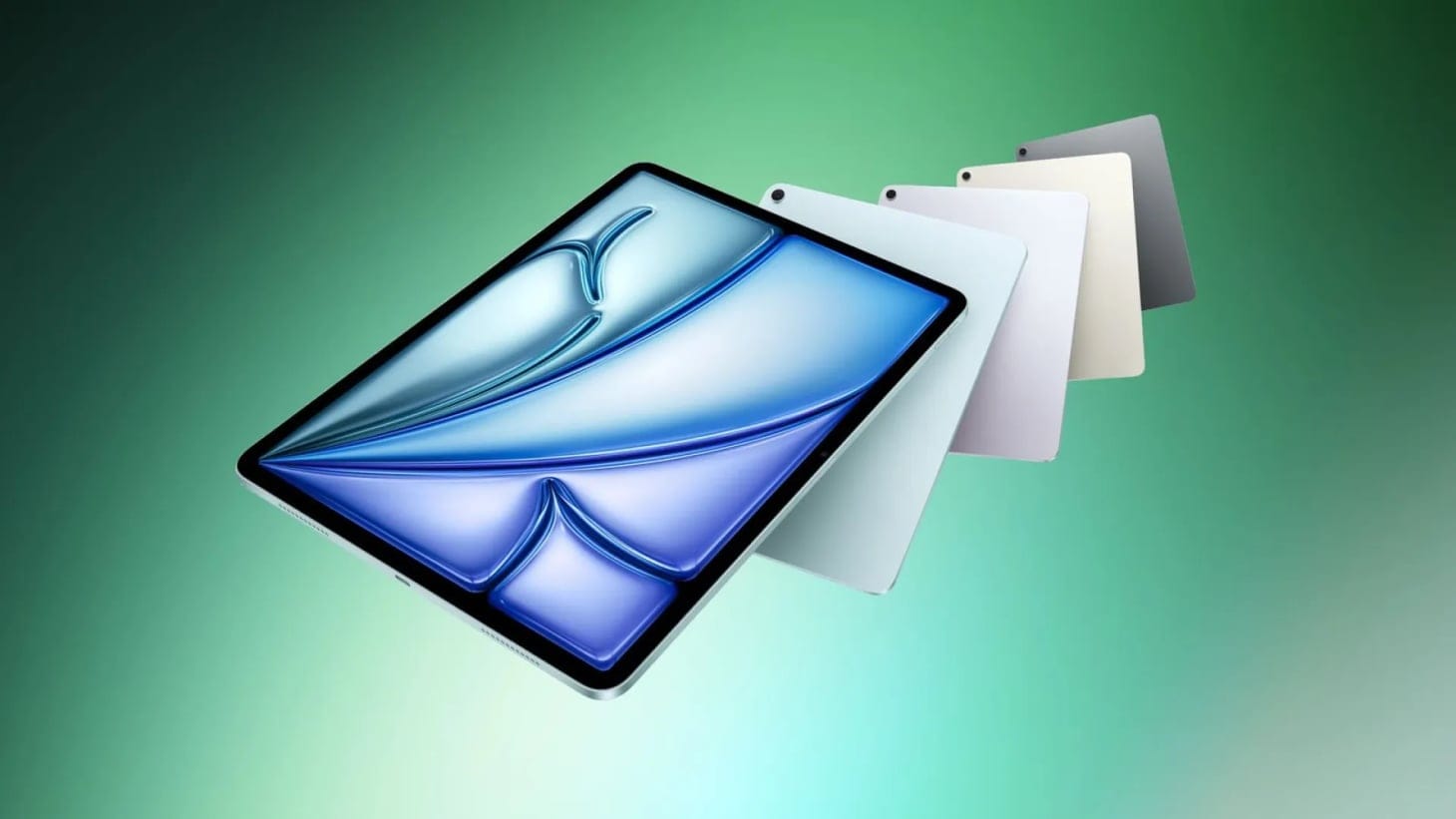

Apple is planning to bring OLED displays to the iPad Air in spring 2027, making premium screen technology available at mid-range pricing for the first time. The move promises sharper colors, deeper blacks, and a more accessible entry point than the current OLED iPad Pro.
OLED has been locked behind the Pro gate for too long. It's the display technology that makes movies feel immersive and text look crisp, but Apple's premium pricing has kept it out of reach for most buyers. The refreshed iPad Air, expected in March or May 2027, aims to fix that by using a simpler, cheaper OLED panel. According to Korean outlet ETNews, Apple will rely on a single-glass structure with an LTPS (low-temperature polysilicon) matrix on a hybrid substrate, which means fewer layers and lower manufacturing costs.
Samsung Display will handle the bulk of production, ramping up mass production in late 2026 or early 2027. This is the same supplier that's been building OLED panels for Apple's premium devices, but this time they're working with a design that trades some of the Pro's complexity for affordability. The goal is clear: keep component costs down so Apple can price the Air competitively without sacrificing its margins.
If you're a student, a professional who doesn't need a $1,000+ tablet, or someone who wants a great display without the flagship premium, the 2027 iPad Air could be the sweet spot. Apple is betting that mid-range buyers will pay a modest premium for OLED over LCD, especially when the jump in visual quality is obvious the moment you turn the screen on. The company reportedly shifted strategy after OLED iPad Pro models fell short of sales expectations due to high pricing. More details on pricing and availability are expected as the launch date approaches.
This isn't about chasing the bleeding edge, it's about making a genuinely better display accessible to more people. If Apple can deliver OLED to the Air without inflating the price too much, it will be an upgrade that actually changes how the tablet feels to use, not just how it looks on a spec sheet. That's the kind of technological improvement that sticks.