Google launched Gemini 3 and the Antigravity agent platform on February 16, 2026, introducing AI that plans, executes, and validates tasks across code editors, terminals, and browsers without human prompts. The release targets a U.S. autonomous-agents market projected to reach $5.8 billion in 2026, positioning Google to capture developers who need scalable AI partners capable of independent action.
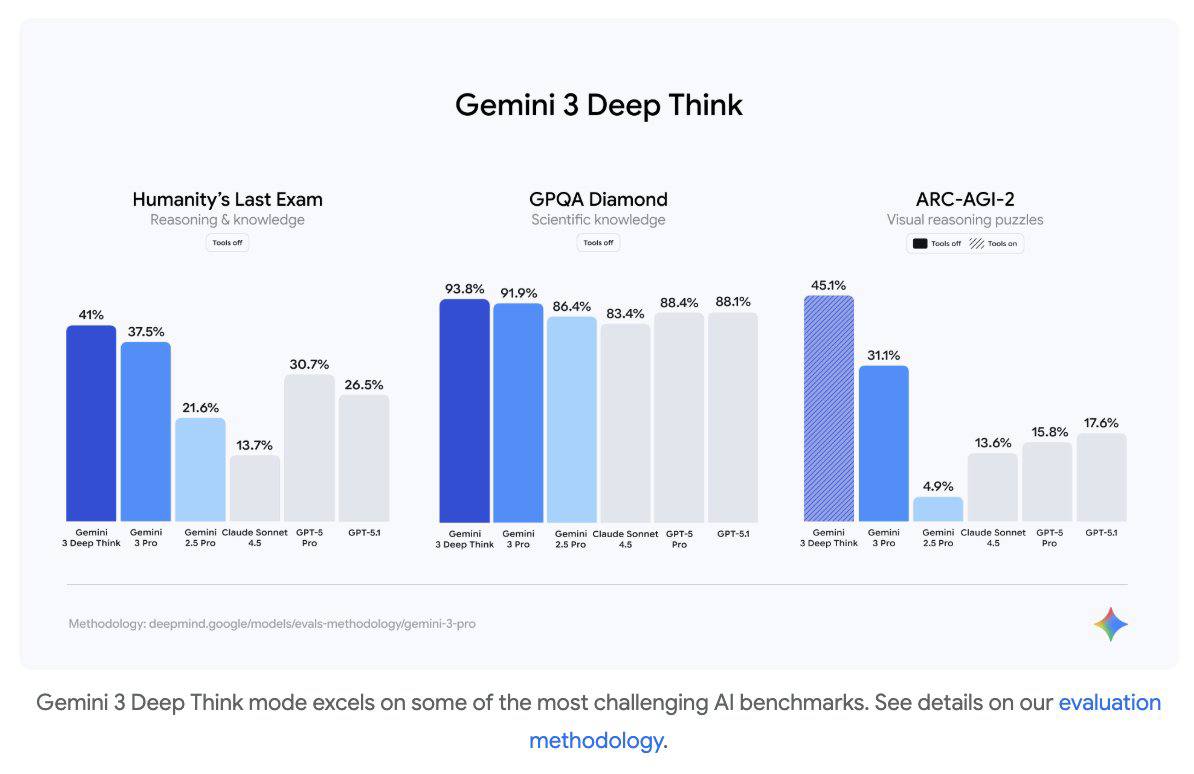
Google trained Gemini 3 exclusively on Trillium TPUs, delivering a 2.3× improvement in task-completion speed over Gemini 2.5. The multimodal model processes text, image, and audio inputs simultaneously to coordinate outputs across environments.
Antigravity assigns each agent a persistent workspace containing a code editor, terminal, and browser, transforming AI from a reactive tool into an autonomous partner. A single agent can draft Python code, run unit tests in the terminal, submit a web form to provision cloud resources, then verify the deployment before reporting results. The platform eliminates the multi-step prompting workflows that previously required constant human oversight.
Developers can access Antigravity through the Google Cloud AI API starting today, with sandbox environments available for qualified projects and production quotas for paid accounts. Integration requires enabling the Gemini 3 model, authenticating via a service account, and invoking the "agent.run" endpoint with a natural-language task description. Anthropic's 2025 TPU expansion study confirms the infrastructure supports up to one million concurrent agents.
Enterprises can now automate end-to-end workflows without manual scripting, a shift Gartner predicts will embed task-specific AI agents in 40% of enterprise applications by year-end, up from under 5% in 2025. A finance team could configure an agent to reconcile statements, generate audit reports, and file documentation to a compliance portal, reducing manual effort and error rates. Security teams must review agent permissions carefully, as the platform grants terminal command execution and browser control.
The question shifts from whether AI can handle complex tasks to which processes organizations will trust autonomous systems to own completely.