
Google recently invited reporters to test prototype AR glasses that pair a camera with Gemini Live voice mode, identifying objects, narrating art, and overlaying navigation arrows in real time. The demonstration arrives as wearable AI accelerates and consumers question whether voice‑driven visual aids will finally deliver on augmented‑reality promises.
Gemini Live recognizes objects and answers follow‑up questions. A user taps the frame to wake the assistant. The built‑in camera scans the scene, then Gemini speaks. In one demonstration a 17th‑century painting appeared, and the system named the artist and style within seconds. AndroidPolice confirmed that follow‑up questions worked without pulling out a phone screen, keeping the interaction entirely audible and hands‑free.
Navigation cues adjust in real time as the wearer turns. A second scenario captured a stadium view—specifically Barcelona's stadium—and Gemini plotted a walking route, displayed an arrow overlay, and read the remaining distance aloud. The overlay shifted as the tester pivoted, illustrating wayfinding powered by Google Maps data. An operator controlled the glasses throughout, signaling that the hardware remains in early prototype status.
Specifications and privacy safeguards remain undisclosed. Google has not released details on display resolution, field of view, battery capacity, or processing architecture. The demonstration left open whether image analysis runs on‑device or relies on cloud servers—a distinction that carries significant privacy implications. The prototype's always‑on camera capability raises questions about recording consent, data retention policies, and third-party access that Google has not yet addressed. These privacy protections will be critical for both consumer adoption and enterprise deployment, particularly in workplaces and public spaces where recording restrictions apply.
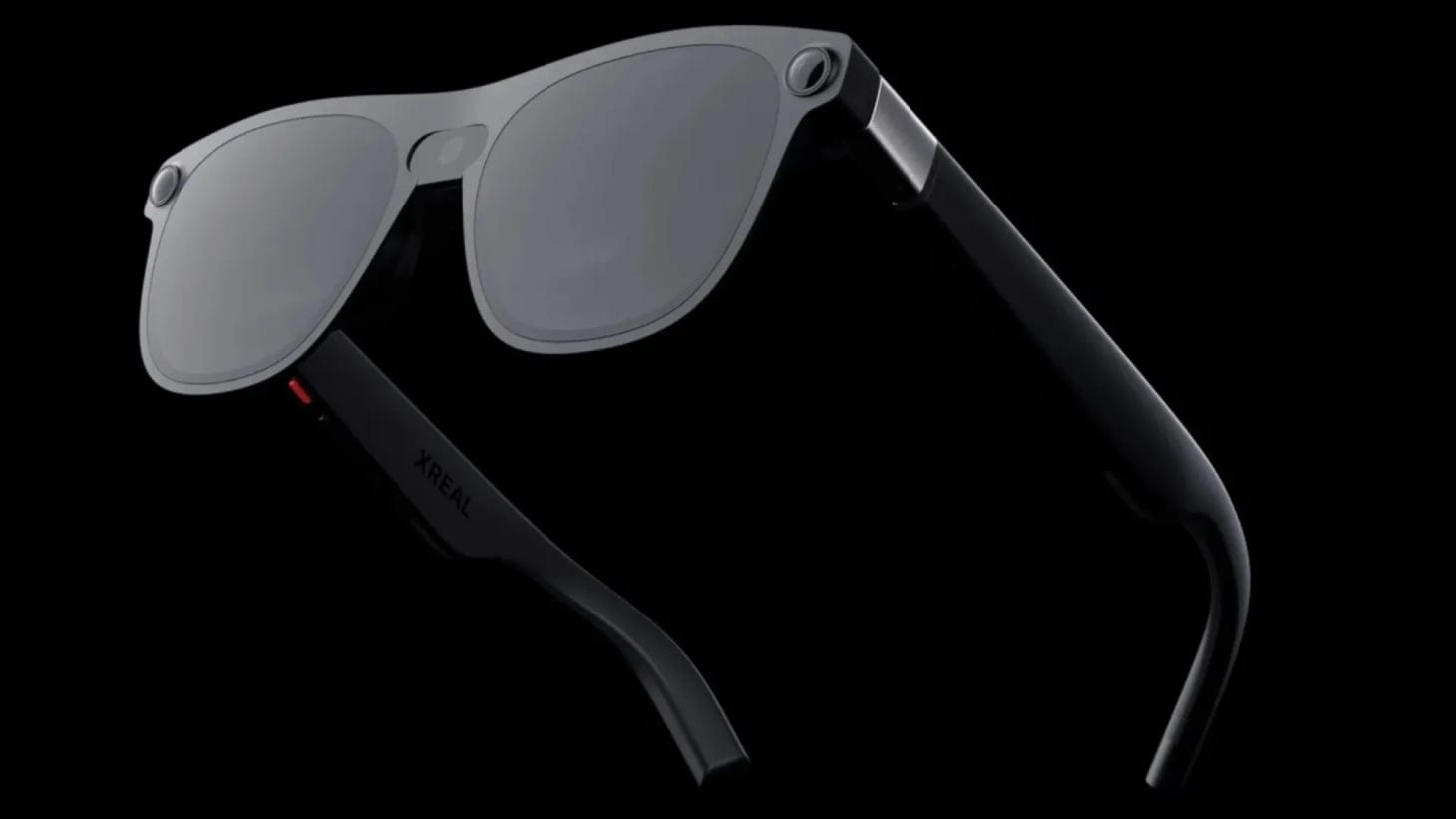
The prototype resembles earlier Google AR efforts but with refinements. According to the AndroidPolice reporter, the glasses look similar to Project Aura showcased at Google I/O, though this version appears more polished. The device sits comfortably on the face, and the display brightness proved adequate for indoor environments with natural window lighting. Google did not permit photography of the prototype, requiring journalists to rely on written descriptions.
Competitors will likely accelerate their own wearable roadmaps. Meta, Apple, and Snap have each invested in AR hardware. Google's demonstration of a viable path for voice‑driven visual assistance raises the stakes for rivals still refining optics, battery life, and on‑device inference. The company has not announced a commercial timeline but plans to expand journalist testing and refine Gemini's multimodal features. For now, the prototype signals that conversational AI can anchor a new category of wearable, provided privacy and performance questions find satisfactory answers.
Image note: A visual showing the prototype glasses during the stadium navigation demo would illustrate the arrow overlay and compact form factor.