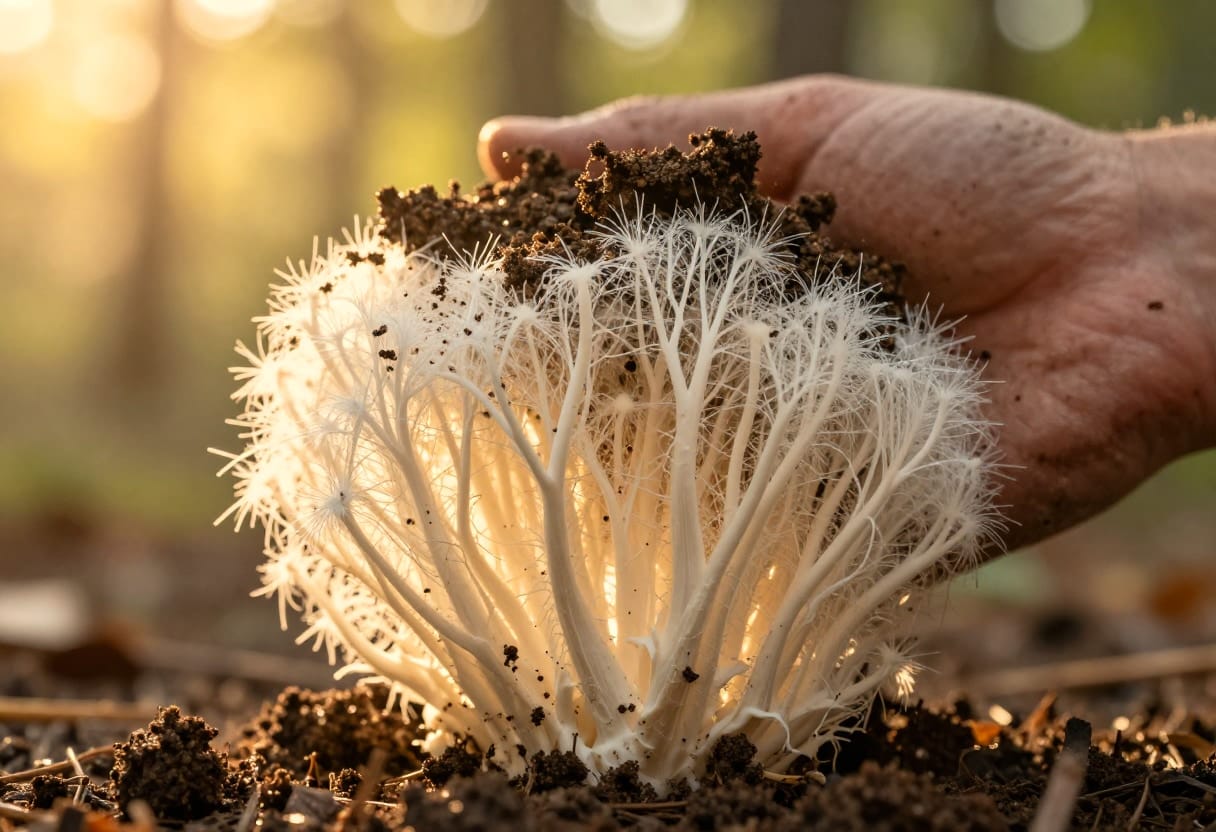

An international team of researchers has produced the first global map of the subterranean mycorrhizal fungal network—the vast system of filaments that forms mutually beneficial partnerships with plants across the planet. These fungi, known as arbuscular mycorrhizal fungi (AM fungi), create a hidden biological infrastructure that supports life on Earth by supplying water and nutrients to roots in exchange for carbon. (source)
The scale is almost unimaginable. Researchers estimate that this underground network stretches for roughly 110 quadrillion kilometers in total, which is nearly 1 billion times the distance between the Earth and the sun. To map this hidden world, the team analyzed data from 322 previous studies and 16,000 soil samples from diverse terrestrial ecosystems. Using machine learning and advanced imaging, they quantified a system that has shaped life for hundreds of millions of years.
This network acts as a planetary circulatory system. Beyond just supporting plants, these fungi play a critical role in climate stability by transporting nutrients and sequestering carbon. The study found that the network contains about 300 megatons of carbon in biomass—roughly four to six times the total mass of all living humans. Furthermore, these systems transport about 4 billion metric tons of carbon dioxide into the soil annually, which represents approximately 11 percent of annual human-caused carbon dioxide emissions.
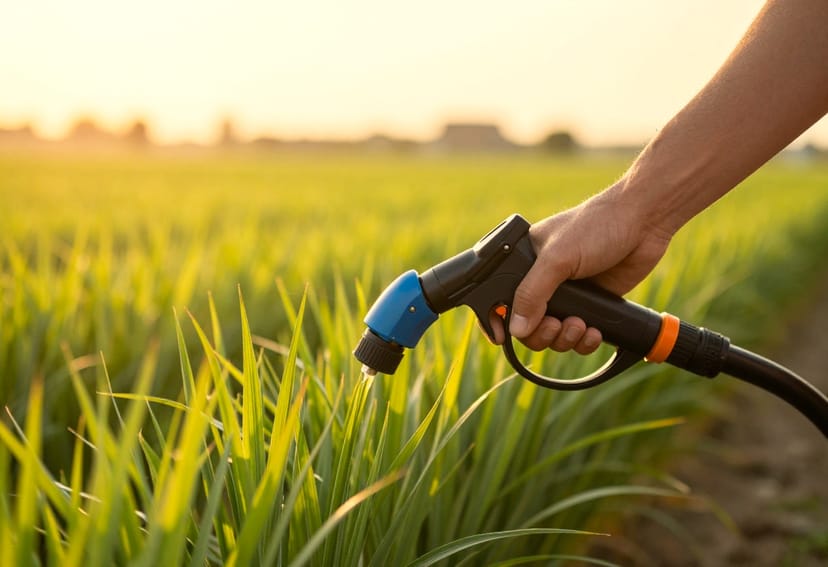
The threat to this infrastructure is significant for food security. While the network is vital, the study highlights a worrying trend in agricultural lands compared to natural ecosystems:
- The density of underground fungal networks in agricultural soils is only about half that found in natural ecosystems.
- Grasslands, which contain an estimated 40 percent of the world's arbuscular mycorrhizal biomass, are being converted to farmland four times faster than forests.
- Less dense fungal networks in these areas could significantly reduce the soil's capacity to store carbon and recycle nutrients efficiently.
A single teaspoon of soil can contain up to 33 ft of mycorrhizal network. By understanding the sheer scale of this hidden infrastructure, we can better appreciate the biological mechanisms behind climate stability and food security. This mapping marks an exciting step toward figuring out how we can work more effectively with fungi to address global challenges. Scientists are now looking toward how we can protect these underground systems to ensure the long-term health of our planet's soil. Read more: UC Riverside's new robot maps orchard water. Here is how it saves your crop.