• My Feed
  • Home
  • What's Important
  • Media & Entertainment
Search

Stay Curious. Stay Wanture.

© 2026 Wanture. All rights reserved.

  • Terms of Use
  • Privacy Policy
Tech/Business

How a €13.2 billion chip order predicts AI growth

ASML's record bookings reveal the hidden timeline from semiconductor orders to data center capacity

28 January 2026

—

Explainer *

Aiden Roth
banner

When chipmakers order extreme‑ultraviolet lithography machines, they're planning AI infrastructure two to three years ahead. ASML's €13.2 billion quarterly surge shows how equipment bookings forecast compute capacity before a single GPU ships. This explainer walks through the 24‑36 month chain from order to rack—and why tracking it matters more than headline sales.

image-173

Summary:

  • Equipment bookings act as a leading indicator: ASML’s EUV orders lock in AI‑compute capacity years before GPU sales reveal demand.
  • ASML logged €13.158 bn (≈$14.5 bn) in Q1 2025 bookings, with €7.4 bn (≈$8.1 bn) from EUV scanners costing $150‑200 m each.
  • From order to inference takes 2‑3 years; the $14 bn of bookings will power AI data‑centers around 2027, long before GPU revenue reflects the surge.

In 2022, tracking AI growth meant counting GPU shipments. By 2025, the smarter money watches something else: orders for machines that cost $200 million each and take three years to deliver. ASML just recorded $14 billion worth. These orders don't represent chips in warehouses or servers in racks. They represent compute capacity that will arrive in data centers from Virginia to Oregon sometime around 2027, long after this quarter's earnings calls fade from memory.

The gap between order and outcome matters because it reveals something GPU sales cannot: how confident chipmakers are about demand years into the future. A company placing a $200 million order today is betting on workloads that don't yet exist, funding infrastructure for AI models still in research labs.

Why equipment orders predict AI capacity better than GPU sales

Equipment bookings act as a leading indicator because the machines take years to build and deploy. When TSMC, Samsung, or Intel commits capital to an extreme ultraviolet lithography system, they initiate a timeline that stretches 24 to 36 months before a single wafer enters production. GPU sales report what shipped last quarter. Equipment orders report what chipmakers believe they will need in 2027.

ASML's first quarter 2025 filing shows €13.158 billion in new bookings, with €7.4 billion from EUV systems alone. Reuters and AP News confirmed the orders came from the three leading foundries. At roughly $150 to $200 million per EUV scanner, plus clean room upgrades and staffing investments that compound over a decade, these commitments lock in multiyear capital plans. Cancellations carry steep penalties. Order volumes this large signal conviction, not speculation.

Chipmakers ordering EUV machines is like Boeing reserving engine production capacity three years before a plane's first flight. The order doesn't guarantee the plane flies on time, but without it, the plane definitely never takes off. For AI, these machines are the engines.

The $200 million machines that no one else can build

ASML's EUV machines print circuit patterns by firing extreme ultraviolet light at wavelengths of 13.5 nanometers, about one two-hundred-thousandth the width of a human hair. No other process can etch features this small. No other company makes these machines. Without them, advanced GPUs cannot exist.

The technology required decades of collaborative engineering across optics, materials science, and precision mechanics. Each system weighs approximately 400,000 pounds and contains more than 100,000 components. Mirrors must be polished to within a single atom of perfection. The light source generates plasma hotter than the surface of the sun, 50,000 times per second. This complexity explains both the monopoly and the price.

U.S. chipmakers and their foundry partners account for roughly half of ASML's customer base. The company's earnings call noted that AI workloads drove the majority of new orders, a statement CEO Christophe Fouquet reinforced:

That outlook translates into physical commitments. Foundries don't order EUV scanners on speculation. They order because hyperscalers have signed capacity agreements, because cloud providers have committed to infrastructure builds, because the math connecting model size to compute demand points in one direction.

The three year journey from invoice to inference

The timeline begins when a chipmaker signs the purchase order. ASML manufactures the scanner over 12 to 24 months, assembling subsystems built by suppliers across Europe and Asia. After delivery, the customer installs the machine in a fabrication facility engineered to eliminate vibration, control temperature to within fractions of a degree, and filter particles larger than 10 nanometers from the air. Installation and validation take another six to 12 months.

Once the system reaches high volume production, it prints wafers containing dozens of GPU dies. Those wafers ship to chip designers who package the silicon, integrate it into server boards, and deliver finished units to data center operators. End to end, the process spans two to three years. Every euro ASML recorded in Q1 2025 bookings will become operational AI capacity around 2027.

$14 billion is roughly the GDP of Vermont, committed to machines that will build chips for AI models we haven't designed yet. The scale matters because it sets a floor beneath future supply. Barring geopolitical disruption or catastrophic technical failures, this capacity will come online. The timeline is locked in.

What $14 billion in orders tells us about 2027

The surge confirms that capital is already flowing into the foundational layer of the AI stack. Investors and policymakers watch quarterly GPU revenue for signs of demand softening. That's backward-looking data. By the time GPU sales decline, the infrastructure decisions shaping 2027 have already been made. ASML's bookings show those decisions are expansionary.

The forecast is not immune to disruption. Order cancellations are possible, though expensive. Foundries could operate machines below full utilization if demand weakens. Breakthroughs in alternative chip architectures or photonic computing could reduce reliance on cutting-edge silicon. None of those scenarios seem imminent. Foundries don't absorb $200 million commitments lightly, and the concentration of orders among three players suggests coordinated confidence rather than speculative positioning.

What remains uncertain is whether this capacity will be sufficient. Model training costs are rising faster than Moore's Law can offset. If algorithmic efficiency stalls or new architectures require even denser transistor packing, the demand curve could steepen beyond what today's orders can satisfy. The equipment backlog at ASML currently extends into 2027, meaning any additional orders placed this year would likely deliver in 2028 or later.

For now, the $14 billion commitment stands as the clearest signal yet that AI infrastructure growth is funded through at least 2027. The next test comes in Q3 2025, when delivery schedules reveal whether chipmakers can absorb this capacity or if orders get pushed. Until then, the order book tells us where the money flows, years before the compute appears.

When earnings reports cite AI concerns, check ASML's bookings first. They show what billion-dollar bets look like when placed not on sentiment, but on silicon.

Topic

AI Infrastructure Investment Strategy

Nvidia, Nebius unveil AI factories using H100 and H200 GPUs

11 March 2026

Nvidia, Nebius unveil AI factories using H100 and H200 GPUs

RAM prices double as AI devours memory supply

9 December 2025

Celero raises $140M to power AI with light

18 November 2025

Celero raises $140M to power AI with light

The $80 Billion Depreciation Trap

16 November 2025

What is this about?

  • semiconductor manufacturing/
  • AI innovations/
  • TSMC 2nm/
  • EV pricing/
  • EUV lithography/
  • AI compute capacity

Feed

    Cursor 3 Launches Unified AI Coding Workspace

    Cursor 3 Launches Unified AI Coding Workspace

    Side‑panel lets devs toggle local and cloud agents, building on Composer 2 and Kimi 2.5

    about 12 hours ago
    Orion’s Six‑Minute Burn Puts Artemis 2 on Free‑Return Path

    Orion’s Six‑Minute Burn Puts Artemis 2 on Free‑Return Path

    iPhone 17 Pro Max survives Orion’s deep‑space test as crew heads to lunar flyby

    about 13 hours ago
    Android 17 Introduces System‑Level Notification Rules

    Android 17 Introduces System‑Level Notification Rules

    Samsung’s One UI 9 will adopt Android 17’s rules, adding OS‑level alert control

    about 13 hours ago

    Nvidia rolls out DLSS 4.5, 6× boost on RTX 50-series

    Dynamic Multi‑Frame Generation smooths 120–240 Hz, delivered in the driver 595.97

    about 16 hours ago
    Apple rolls out iOS 18.7.7 to block DarkSword

    Apple rolls out iOS 18.7.7 to block DarkSword

    Patch fixes six Safari bugs, stopping DarkSword on iOS 18–18.7 devices

    1 day ago
    BoxPlates Skins Revamp PS5 Slim & Pro in Two Weeks

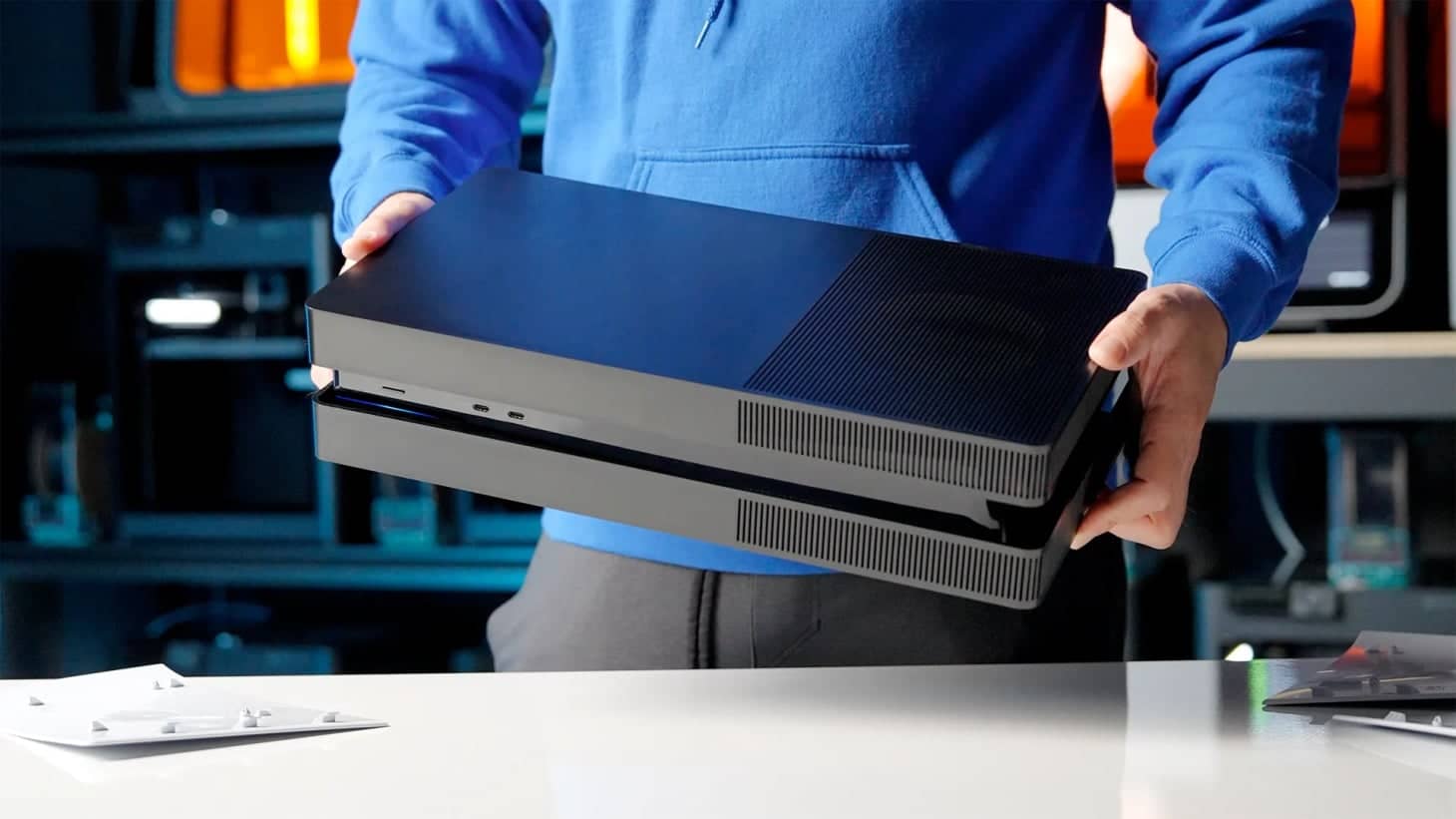
    BoxPlates Skins Revamp PS5 Slim & Pro in Two Weeks

    1 day ago
    Artemis 2 Rockets Beyond Earth—402,000 km From Home

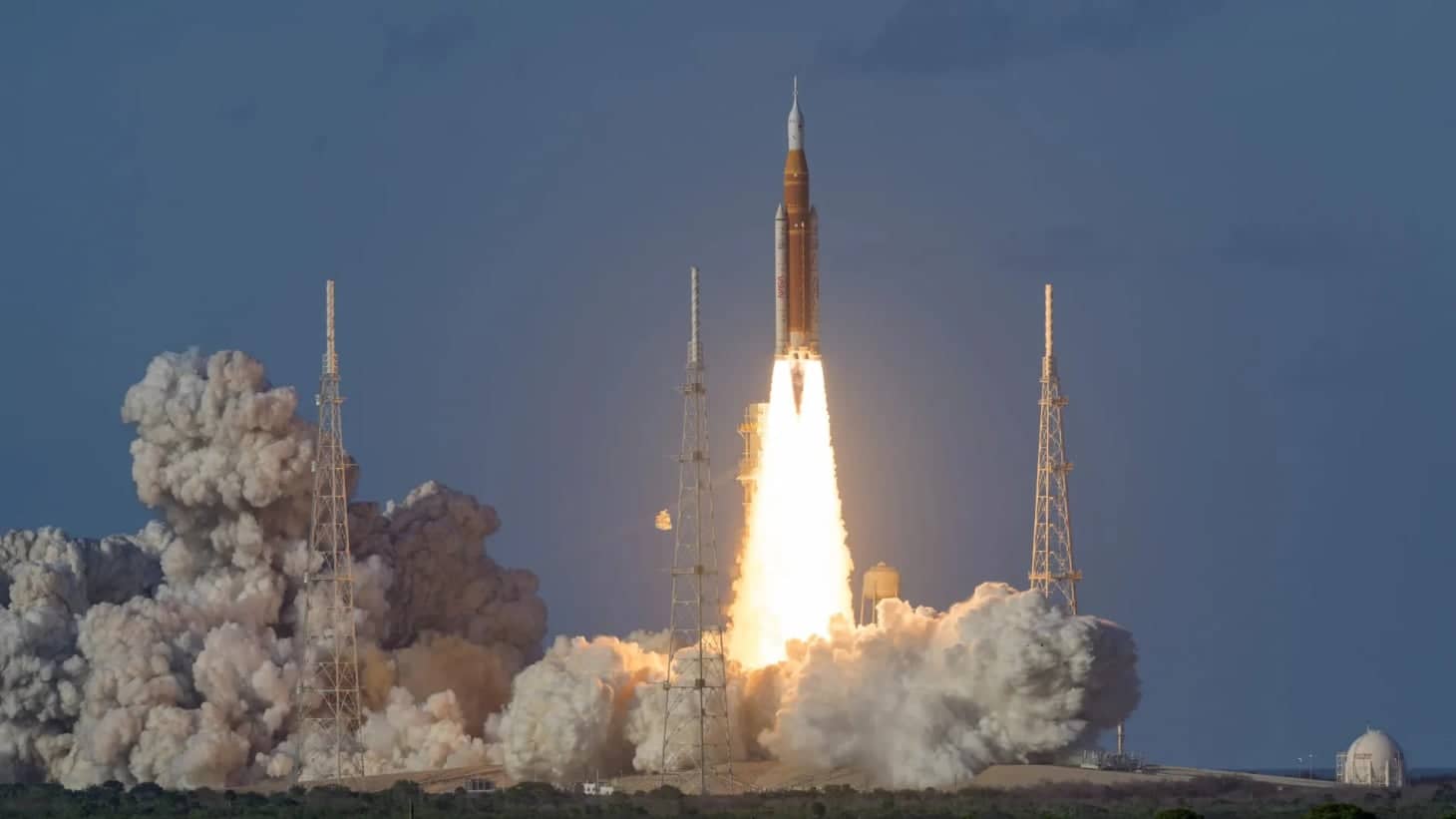
    Artemis 2 Rockets Beyond Earth—402,000 km From Home

    Lift‑off at 8:23 a.m. ET marks first crewed lunar flight since 1972, with a diverse four‑person crew

    1 day ago
    Apple celebrates 50 years with new minimalist wallpapers

    Apple celebrates 50 years with new minimalist wallpapers

    Basic Apple Guy releases iPhone and Mac wallpapers for Apple’s 50th anniversary

    1 day ago
    Razer Unveils Pro Type Ergo Ergonomic Keyboard Today

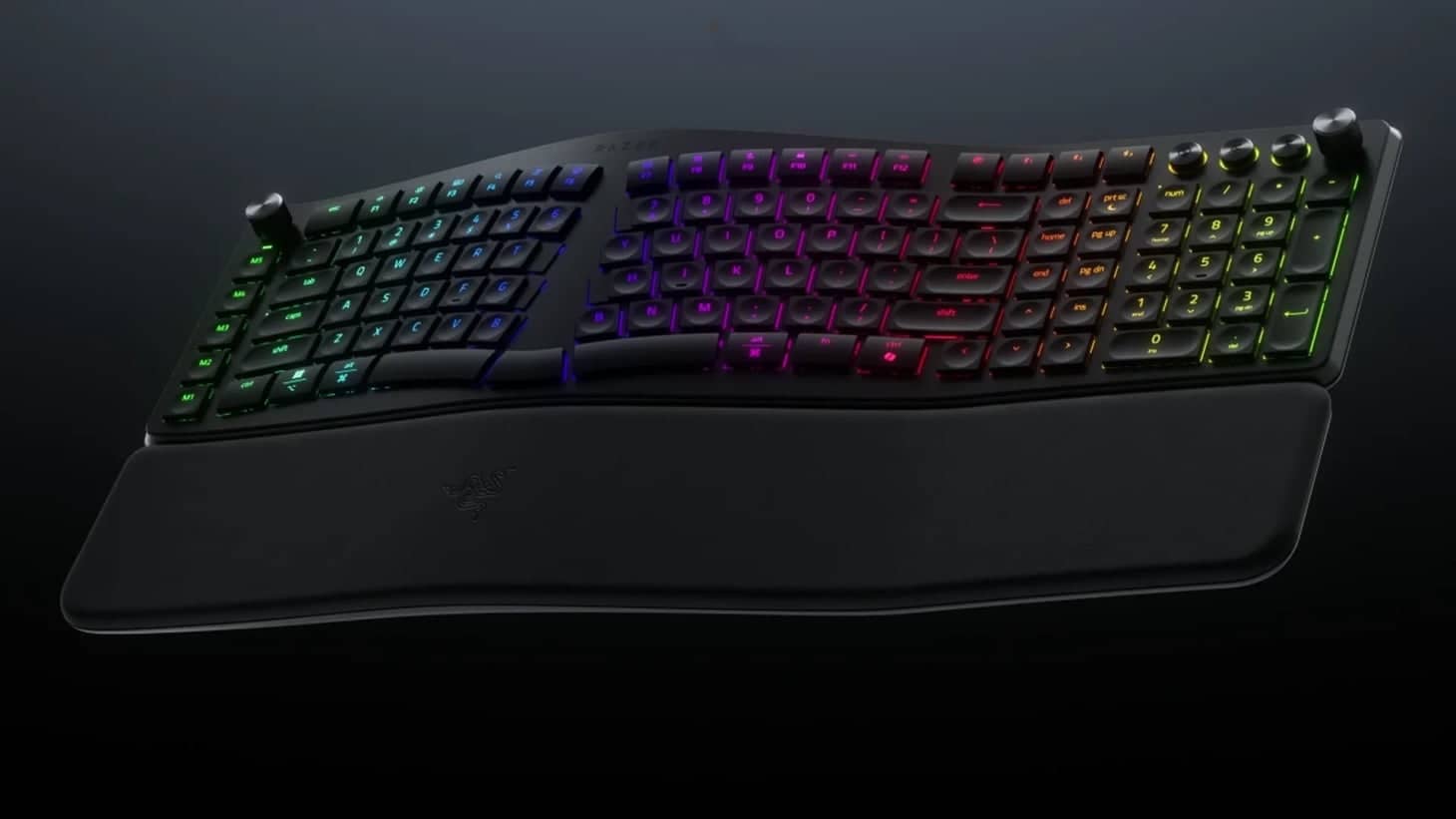
    Razer Unveils Pro Type Ergo Ergonomic Keyboard Today

    Split design, AI button, and 19‑zone RGB aim at U.S. workers with a 9.7% RSI rate

    2 days ago
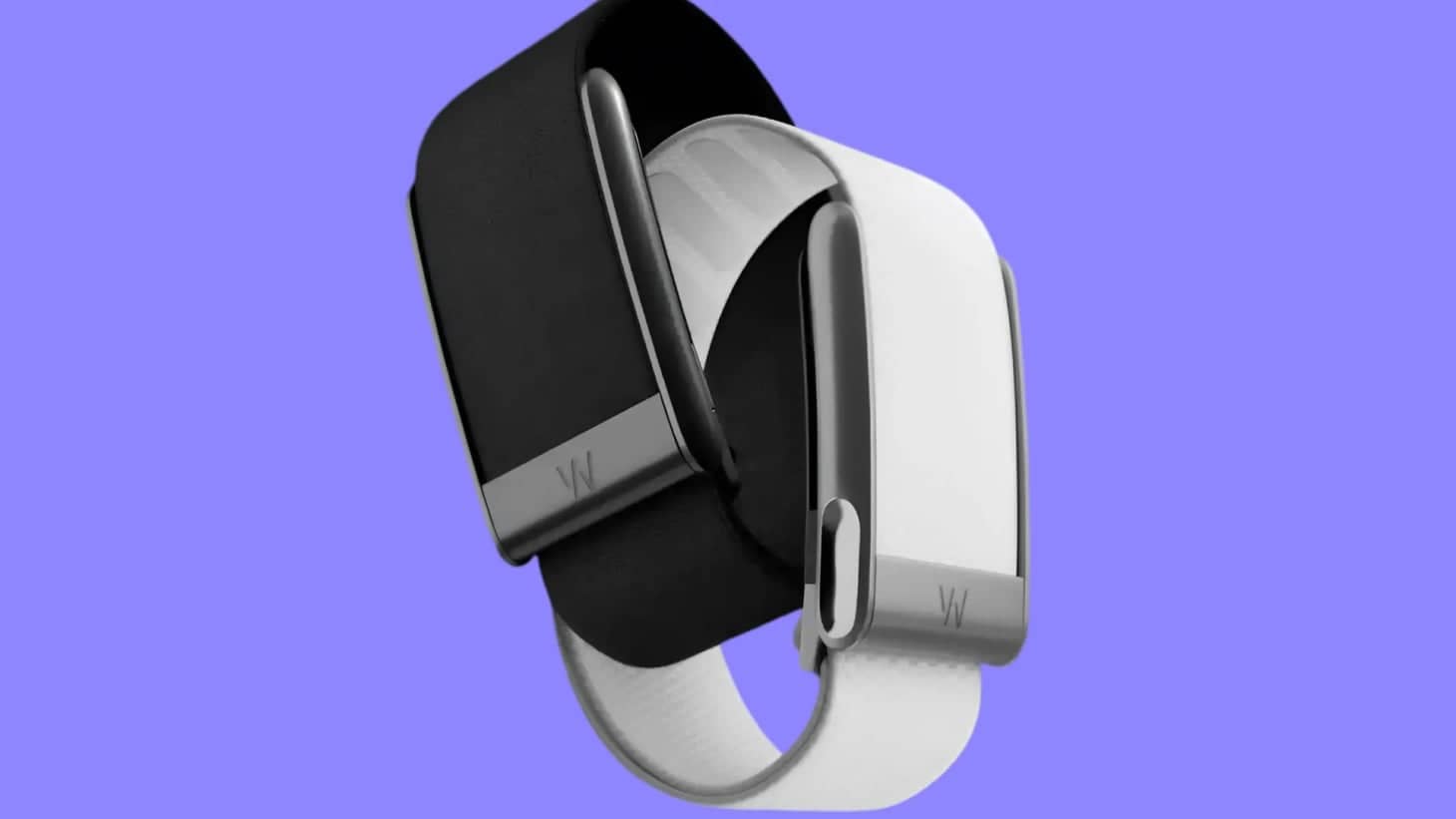
    Google to debut screen‑free Fitbit band in 2026

    Google to debut screen‑free Fitbit band in 2026

    AI‑driven training plan and upgraded platform aim at the health‑tracking market against Oura and Whoop

    2 days ago
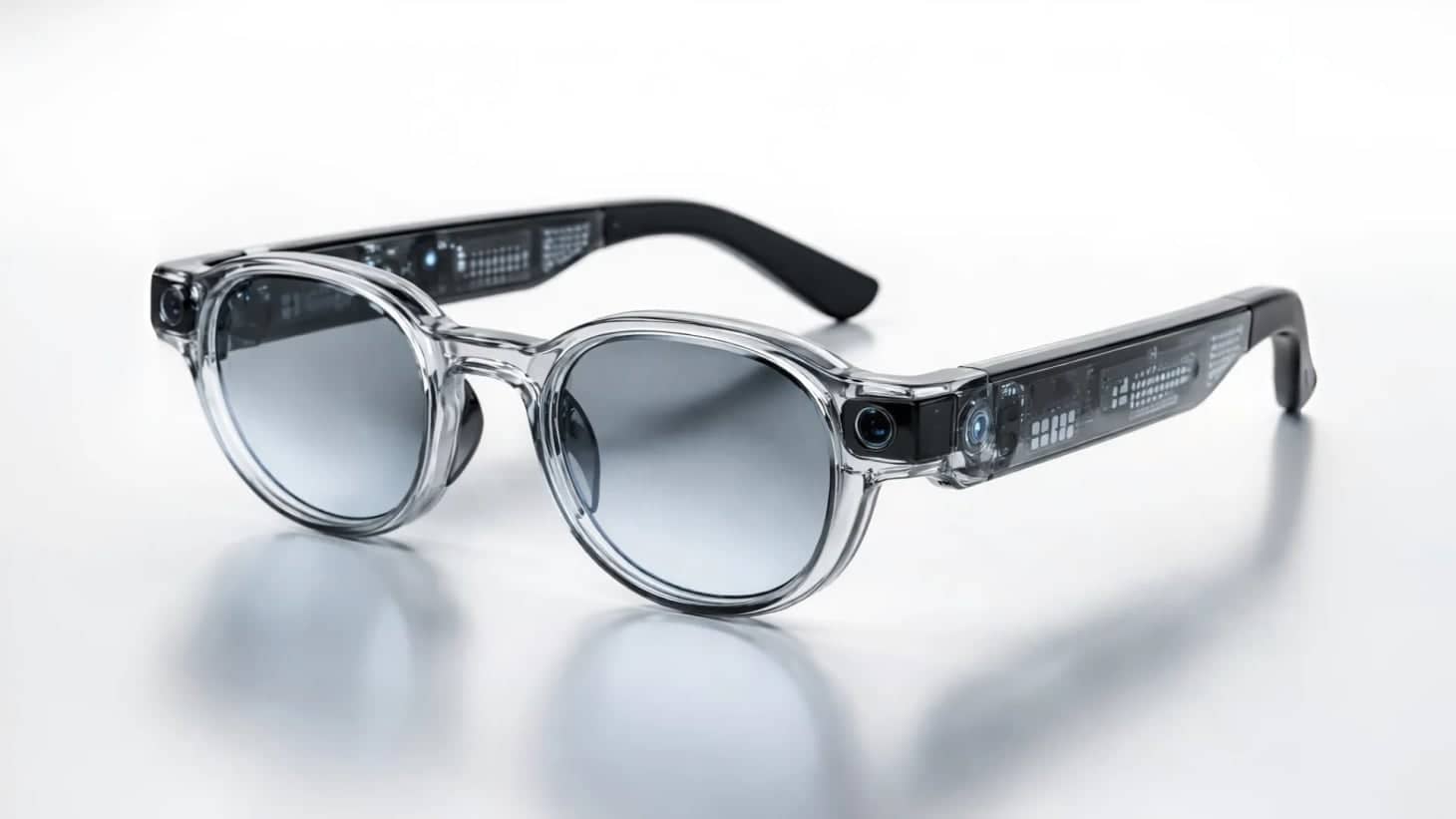
    Nothing unveils AI‑powered smart glasses for a 2027 launch

    Nothing unveils AI‑powered smart glasses for a 2027 launch

    The glasses use a paired phone and cloud, with a clear frame and LED accents

    2 days ago
    Google rolls out Veo 3.1 Lite, halving AI video costs

    Google rolls out Veo 3.1 Lite, halving AI video costs

    Veo 3.1 Lite matches Veo 3.1 Fast speed but cuts price by over 50% for devs now

    3 days ago
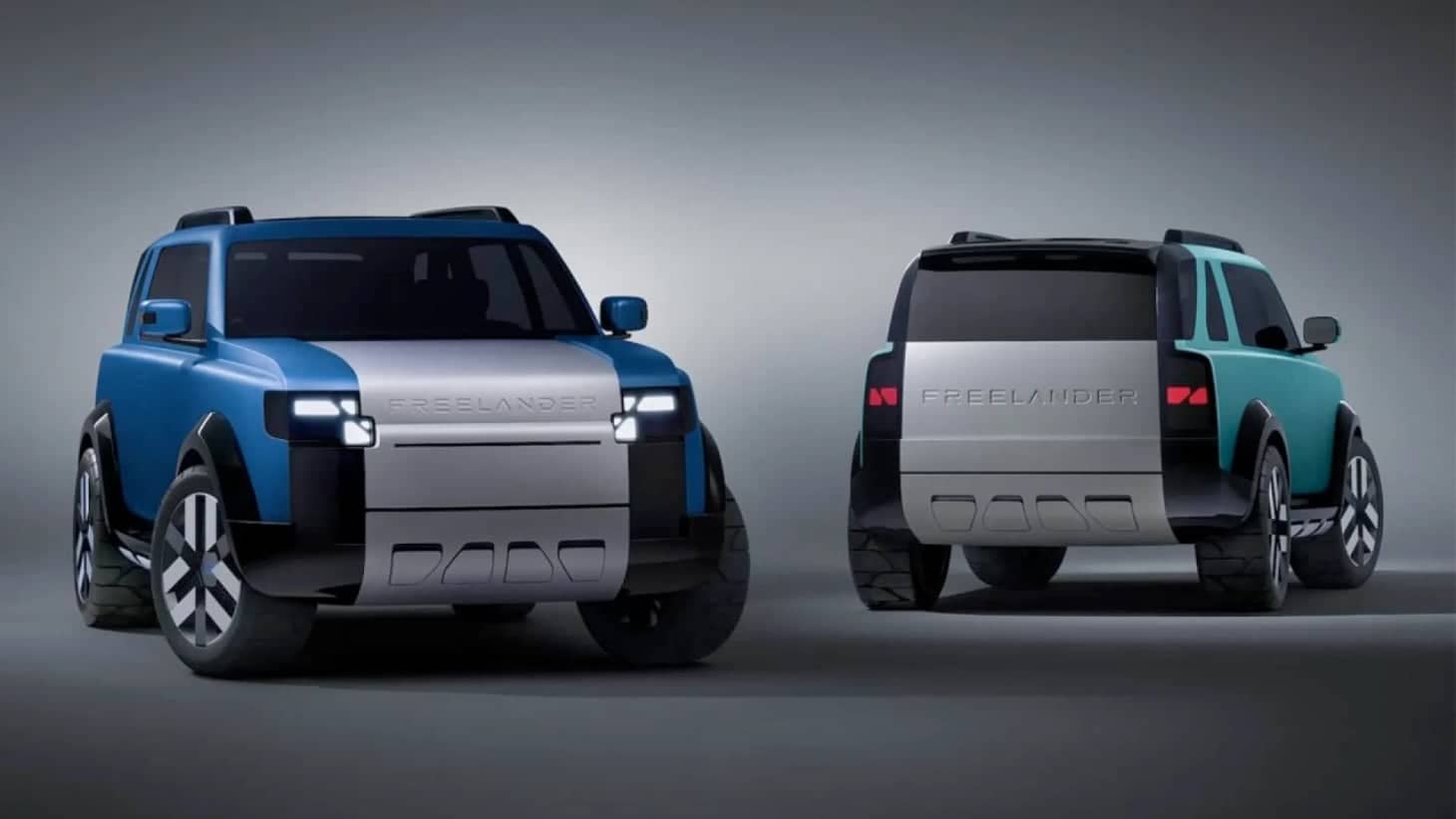
    Freelander 97 Debuts 800‑V EV Crossover in Shanghai

    Freelander 97 Debuts 800‑V EV Crossover in Shanghai

    Chery‑JLR showcases ADS 4.1 autonomy on 800‑V platform, eyeing 2028 launch

    3 days ago
    Telegram Launches Version 12.6 With AI Editor, New Polls

    Telegram Launches Version 12.6 With AI Editor, New Polls

    It adds an AI tone editor, richer polls, Live/Motion Photos, and bot management

    3 days ago

    Pixel 11 Pro Renders Leak With Black Camera Bar and MediaTek Modem

    Google’s August 2026 flagship ditches Samsung radios for improved 5G and runs the Tensor G6

    3 days ago

    Anthropic leak reveals Opus 4.7, Sonnet 4.8 in npm 2.1.88

    Leak on March 30‑31 exposed TypeScript, revealing Opus 4.7, Sonnet 4.8, and internal features

    3 days ago
    iOS 26.5 beta lands on iPhone 17 Pro with an 8 GB download

    iOS 26.5 beta lands on iPhone 17 Pro with an 8 GB download

    Apple restores RCS encryption and adds a 12‑month subscription in the update

    3 days ago
    Windows 11 24H2 Brings Dark Mode to Core Utilities

    Windows 11 24H2 Brings Dark Mode to Core Utilities

    Tools like Registry Editor get dark mode in Windows 11 24H2, out in Sep 2026

    4 days ago

    John Noble's 1,024 Thread Implant Powers Warcraft Raids

    John Noble, a former British parachutist turned veteran gamer, received a neural implant with 1,024 threads after a 2024 trial in Seattle. The device lets him control a MacBook with thought alone, turning World of Warcraft raids into hands‑free battles. His story shows how brain‑computer interfaces can expand digital access for disabled veterans and reshape gaming.

    5 days ago
    Apple unveils Siri app for iOS 27, adds 50+ AI agents

    Apple unveils Siri app for iOS 27, adds 50+ AI agents

    iOS 27 Siri app adds Extensions marketplace, eyeing Alexa’s 100,000‑skill store

    5 days ago
    Loading...
Tech/Business

How a €13.2 billion chip order predicts AI growth

ASML's record bookings reveal the hidden timeline from semiconductor orders to data center capacity

January 28, 2026, 4:22 pm

When chipmakers order extreme‑ultraviolet lithography machines, they're planning AI infrastructure two to three years ahead. ASML's €13.2 billion quarterly surge shows how equipment bookings forecast compute capacity before a single GPU ships. This explainer walks through the 24‑36 month chain from order to rack—and why tracking it matters more than headline sales.

image-173

Summary

  • Equipment bookings act as a leading indicator: ASML’s EUV orders lock in AI‑compute capacity years before GPU sales reveal demand.
  • ASML logged €13.158 bn (≈$14.5 bn) in Q1 2025 bookings, with €7.4 bn (≈$8.1 bn) from EUV scanners costing $150‑200 m each.
  • From order to inference takes 2‑3 years; the $14 bn of bookings will power AI data‑centers around 2027, long before GPU revenue reflects the surge.

In 2022, tracking AI growth meant counting GPU shipments. By 2025, the smarter money watches something else: orders for machines that cost $200 million each and take three years to deliver. ASML just recorded $14 billion worth. These orders don't represent chips in warehouses or servers in racks. They represent compute capacity that will arrive in data centers from Virginia to Oregon sometime around 2027, long after this quarter's earnings calls fade from memory.

The gap between order and outcome matters because it reveals something GPU sales cannot: how confident chipmakers are about demand years into the future. A company placing a $200 million order today is betting on workloads that don't yet exist, funding infrastructure for AI models still in research labs.

Why equipment orders predict AI capacity better than GPU sales

Equipment bookings act as a leading indicator because the machines take years to build and deploy. When TSMC, Samsung, or Intel commits capital to an extreme ultraviolet lithography system, they initiate a timeline that stretches 24 to 36 months before a single wafer enters production. GPU sales report what shipped last quarter. Equipment orders report what chipmakers believe they will need in 2027.

ASML's first quarter 2025 filing shows €13.158 billion in new bookings, with €7.4 billion from EUV systems alone. Reuters and AP News confirmed the orders came from the three leading foundries. At roughly $150 to $200 million per EUV scanner, plus clean room upgrades and staffing investments that compound over a decade, these commitments lock in multiyear capital plans. Cancellations carry steep penalties. Order volumes this large signal conviction, not speculation.

Chipmakers ordering EUV machines is like Boeing reserving engine production capacity three years before a plane's first flight. The order doesn't guarantee the plane flies on time, but without it, the plane definitely never takes off. For AI, these machines are the engines.

The $200 million machines that no one else can build

ASML's EUV machines print circuit patterns by firing extreme ultraviolet light at wavelengths of 13.5 nanometers, about one two-hundred-thousandth the width of a human hair. No other process can etch features this small. No other company makes these machines. Without them, advanced GPUs cannot exist.

The technology required decades of collaborative engineering across optics, materials science, and precision mechanics. Each system weighs approximately 400,000 pounds and contains more than 100,000 components. Mirrors must be polished to within a single atom of perfection. The light source generates plasma hotter than the surface of the sun, 50,000 times per second. This complexity explains both the monopoly and the price.

U.S. chipmakers and their foundry partners account for roughly half of ASML's customer base. The company's earnings call noted that AI workloads drove the majority of new orders, a statement CEO Christophe Fouquet reinforced:

That outlook translates into physical commitments. Foundries don't order EUV scanners on speculation. They order because hyperscalers have signed capacity agreements, because cloud providers have committed to infrastructure builds, because the math connecting model size to compute demand points in one direction.

The three year journey from invoice to inference

The timeline begins when a chipmaker signs the purchase order. ASML manufactures the scanner over 12 to 24 months, assembling subsystems built by suppliers across Europe and Asia. After delivery, the customer installs the machine in a fabrication facility engineered to eliminate vibration, control temperature to within fractions of a degree, and filter particles larger than 10 nanometers from the air. Installation and validation take another six to 12 months.

Once the system reaches high volume production, it prints wafers containing dozens of GPU dies. Those wafers ship to chip designers who package the silicon, integrate it into server boards, and deliver finished units to data center operators. End to end, the process spans two to three years. Every euro ASML recorded in Q1 2025 bookings will become operational AI capacity around 2027.

$14 billion is roughly the GDP of Vermont, committed to machines that will build chips for AI models we haven't designed yet. The scale matters because it sets a floor beneath future supply. Barring geopolitical disruption or catastrophic technical failures, this capacity will come online. The timeline is locked in.

What $14 billion in orders tells us about 2027

The surge confirms that capital is already flowing into the foundational layer of the AI stack. Investors and policymakers watch quarterly GPU revenue for signs of demand softening. That's backward-looking data. By the time GPU sales decline, the infrastructure decisions shaping 2027 have already been made. ASML's bookings show those decisions are expansionary.

The forecast is not immune to disruption. Order cancellations are possible, though expensive. Foundries could operate machines below full utilization if demand weakens. Breakthroughs in alternative chip architectures or photonic computing could reduce reliance on cutting-edge silicon. None of those scenarios seem imminent. Foundries don't absorb $200 million commitments lightly, and the concentration of orders among three players suggests coordinated confidence rather than speculative positioning.

What remains uncertain is whether this capacity will be sufficient. Model training costs are rising faster than Moore's Law can offset. If algorithmic efficiency stalls or new architectures require even denser transistor packing, the demand curve could steepen beyond what today's orders can satisfy. The equipment backlog at ASML currently extends into 2027, meaning any additional orders placed this year would likely deliver in 2028 or later.

For now, the $14 billion commitment stands as the clearest signal yet that AI infrastructure growth is funded through at least 2027. The next test comes in Q3 2025, when delivery schedules reveal whether chipmakers can absorb this capacity or if orders get pushed. Until then, the order book tells us where the money flows, years before the compute appears.

When earnings reports cite AI concerns, check ASML's bookings first. They show what billion-dollar bets look like when placed not on sentiment, but on silicon.

Topic

AI Infrastructure Investment Strategy

Nvidia, Nebius unveil AI factories using H100 and H200 GPUs

11 March 2026

Nvidia, Nebius unveil AI factories using H100 and H200 GPUs

RAM prices double as AI devours memory supply

9 December 2025

Celero raises $140M to power AI with light

18 November 2025

Celero raises $140M to power AI with light

The $80 Billion Depreciation Trap

16 November 2025

What is this about?

  • semiconductor manufacturing/
  • AI innovations/
  • TSMC 2nm/
  • EV pricing/
  • EUV lithography/
  • AI compute capacity

Feed

    Cursor 3 Launches Unified AI Coding Workspace

    Cursor 3 Launches Unified AI Coding Workspace

    Side‑panel lets devs toggle local and cloud agents, building on Composer 2 and Kimi 2.5

    about 12 hours ago
    Orion’s Six‑Minute Burn Puts Artemis 2 on Free‑Return Path

    Orion’s Six‑Minute Burn Puts Artemis 2 on Free‑Return Path

    iPhone 17 Pro Max survives Orion’s deep‑space test as crew heads to lunar flyby

    about 13 hours ago
    Android 17 Introduces System‑Level Notification Rules

    Android 17 Introduces System‑Level Notification Rules

    Samsung’s One UI 9 will adopt Android 17’s rules, adding OS‑level alert control

    about 13 hours ago

    Nvidia rolls out DLSS 4.5, 6× boost on RTX 50-series

    Dynamic Multi‑Frame Generation smooths 120–240 Hz, delivered in the driver 595.97

    about 16 hours ago
    Apple rolls out iOS 18.7.7 to block DarkSword

    Apple rolls out iOS 18.7.7 to block DarkSword

    Patch fixes six Safari bugs, stopping DarkSword on iOS 18–18.7 devices

    1 day ago
    BoxPlates Skins Revamp PS5 Slim & Pro in Two Weeks

    BoxPlates Skins Revamp PS5 Slim & Pro in Two Weeks

    1 day ago
    Artemis 2 Rockets Beyond Earth—402,000 km From Home

    Artemis 2 Rockets Beyond Earth—402,000 km From Home

    Lift‑off at 8:23 a.m. ET marks first crewed lunar flight since 1972, with a diverse four‑person crew

    1 day ago
    Apple celebrates 50 years with new minimalist wallpapers

    Apple celebrates 50 years with new minimalist wallpapers

    Basic Apple Guy releases iPhone and Mac wallpapers for Apple’s 50th anniversary

    1 day ago
    Razer Unveils Pro Type Ergo Ergonomic Keyboard Today

    Razer Unveils Pro Type Ergo Ergonomic Keyboard Today

    Split design, AI button, and 19‑zone RGB aim at U.S. workers with a 9.7% RSI rate

    2 days ago
    Google to debut screen‑free Fitbit band in 2026

    Google to debut screen‑free Fitbit band in 2026

    AI‑driven training plan and upgraded platform aim at the health‑tracking market against Oura and Whoop

    2 days ago
    Nothing unveils AI‑powered smart glasses for a 2027 launch

    Nothing unveils AI‑powered smart glasses for a 2027 launch

    The glasses use a paired phone and cloud, with a clear frame and LED accents

    2 days ago
    Google rolls out Veo 3.1 Lite, halving AI video costs

    Google rolls out Veo 3.1 Lite, halving AI video costs

    Veo 3.1 Lite matches Veo 3.1 Fast speed but cuts price by over 50% for devs now

    3 days ago
    Freelander 97 Debuts 800‑V EV Crossover in Shanghai

    Freelander 97 Debuts 800‑V EV Crossover in Shanghai

    Chery‑JLR showcases ADS 4.1 autonomy on 800‑V platform, eyeing 2028 launch

    3 days ago
    Telegram Launches Version 12.6 With AI Editor, New Polls

    Telegram Launches Version 12.6 With AI Editor, New Polls

    It adds an AI tone editor, richer polls, Live/Motion Photos, and bot management

    3 days ago

    Pixel 11 Pro Renders Leak With Black Camera Bar and MediaTek Modem

    Google’s August 2026 flagship ditches Samsung radios for improved 5G and runs the Tensor G6

    3 days ago

    Anthropic leak reveals Opus 4.7, Sonnet 4.8 in npm 2.1.88

    Leak on March 30‑31 exposed TypeScript, revealing Opus 4.7, Sonnet 4.8, and internal features

    3 days ago
    iOS 26.5 beta lands on iPhone 17 Pro with an 8 GB download

    iOS 26.5 beta lands on iPhone 17 Pro with an 8 GB download

    Apple restores RCS encryption and adds a 12‑month subscription in the update

    3 days ago
    Windows 11 24H2 Brings Dark Mode to Core Utilities

    Windows 11 24H2 Brings Dark Mode to Core Utilities

    Tools like Registry Editor get dark mode in Windows 11 24H2, out in Sep 2026

    4 days ago

    John Noble's 1,024 Thread Implant Powers Warcraft Raids

    John Noble, a former British parachutist turned veteran gamer, received a neural implant with 1,024 threads after a 2024 trial in Seattle. The device lets him control a MacBook with thought alone, turning World of Warcraft raids into hands‑free battles. His story shows how brain‑computer interfaces can expand digital access for disabled veterans and reshape gaming.

    5 days ago
    Apple unveils Siri app for iOS 27, adds 50+ AI agents

    Apple unveils Siri app for iOS 27, adds 50+ AI agents

    iOS 27 Siri app adds Extensions marketplace, eyeing Alexa’s 100,000‑skill store

    5 days ago
    Loading...
banner