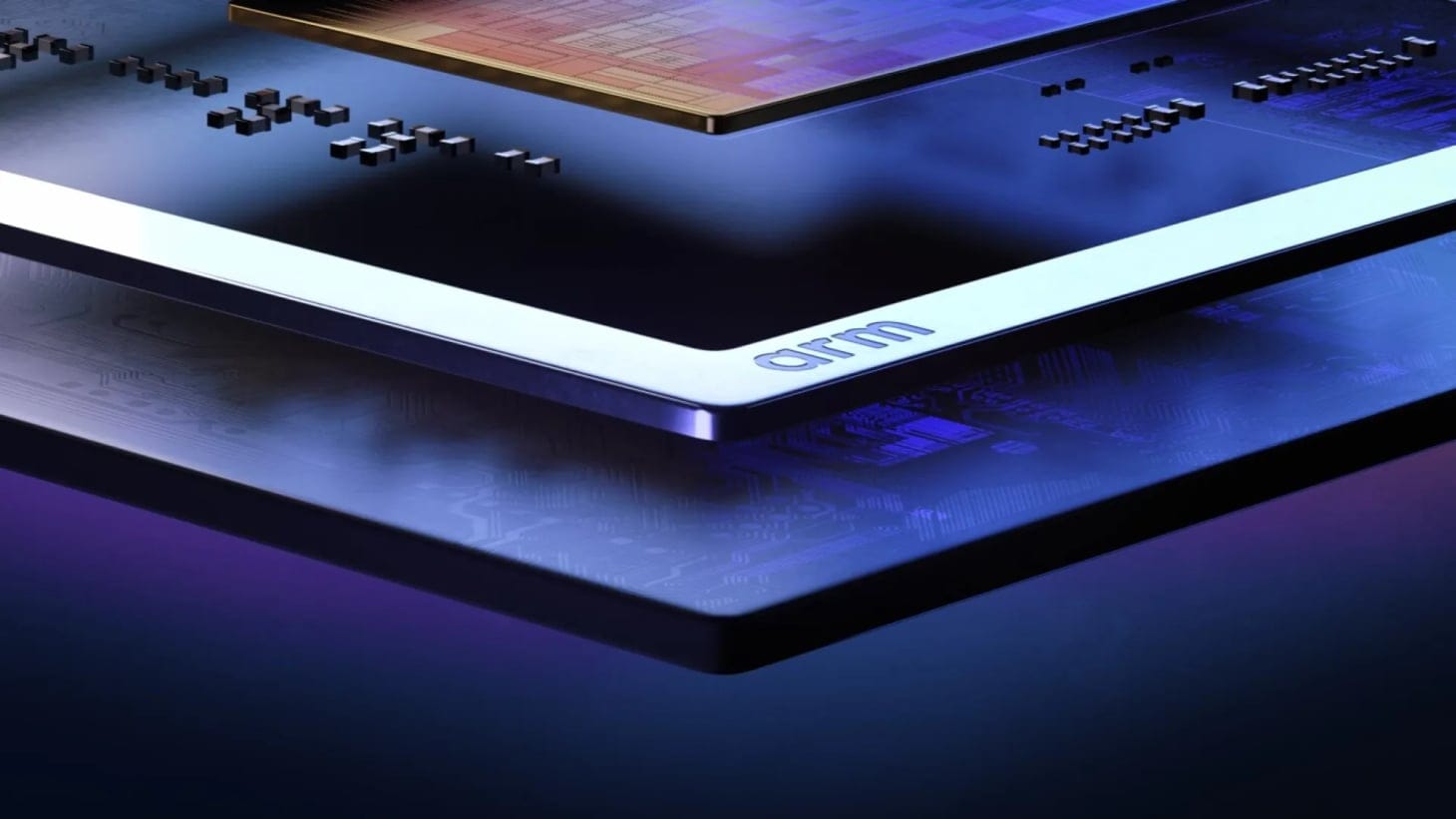

Arm launched its first data‑center processor this week, packing more than 45,000 cores into a single liquid‑cooled rack and doubling the compute capacity of typical x86 servers. The AGI CPU (short for artificial general intelligence CPU) shifts Arm from 35 years of licensing chip designs to manufacturing its own silicon. Meta and OpenAI have already signed contracts, and data‑center operators can order the chips now for delivery by the end of 2026.
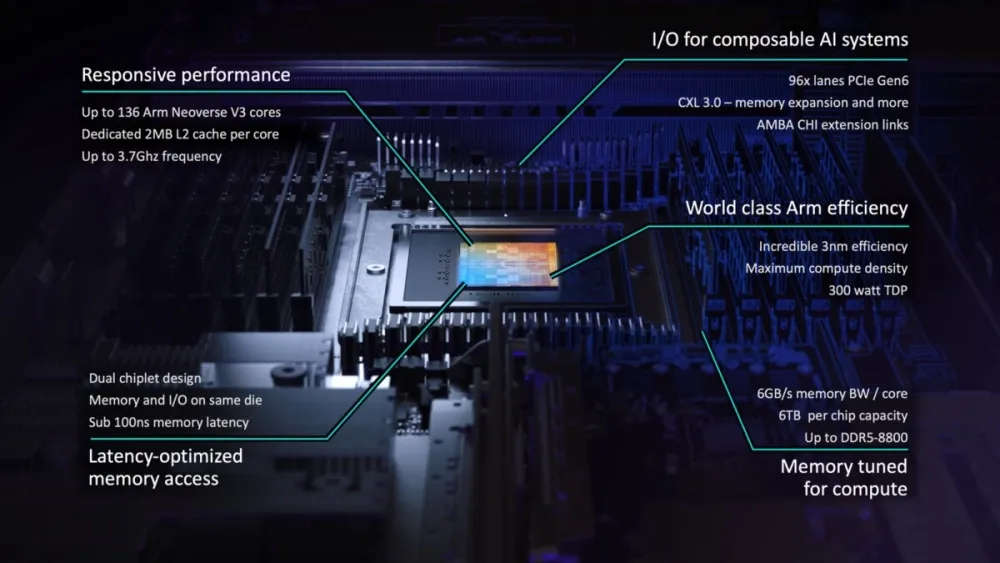
The new processor targets AI orchestration, the process of running multiple large language models and inference agents simultaneously inside a single data‑center workload. An air‑cooled configuration fits more than 8,100 cores per rack. Supermicro's liquid‑cooled design reaches over 45,000 cores, more than ten times the roughly 4,000 cores found in standard x86 racks. Arm says this density doubles rack‑level throughput while staying within existing power budgets.
Meta will pair the AGI CPU with its proprietary AI chips to cut inference latency in recommendation engines. OpenAI will deploy the processor for multi‑agent simulations and orchestration tasks in systems such as Codex and Claude. Both deals validate Arm's move into hyperscale computing, where energy‑efficient core architectures now power a growing share of cloud infrastructure.
TSMC will fabricate the chips on its most advanced manufacturing process, balancing performance with power efficiency. Lenovo, Supermicro, and ASRockRack opened orders for 2U and 4U rack units that draw 30 kW and 45 kW. These power levels fit current data‑center budgets, letting operators replace aging x86 clusters without redesigning electrical infrastructure. The 2026 timeline aligns with the expansion cycle of AI‑focused facilities.
AI workloads are driving unprecedented power demands in modern data centers, making energy efficiency a top procurement priority. Doubling compute per rack while holding power constant offers immediate cost savings and supports sustainability goals. Arm‑based processors are already gaining traction among hyperscale providers who prioritize energy efficiency.
The launch puts Arm in direct competition with Intel and AMD. For the first time, Arm can supply entire server stacks instead of just licensing intellectual property to other manufacturers. Industry analysts note that broader adoption will depend on software maturity. Data‑center planners should evaluate migration paths for existing x86 workloads, verify compiler support for Neoverse (Arm's data‑center architecture), and model total cost of ownership against current racks. Performance and efficiency benchmarks arriving through 2027 will shape procurement decisions across the industry.