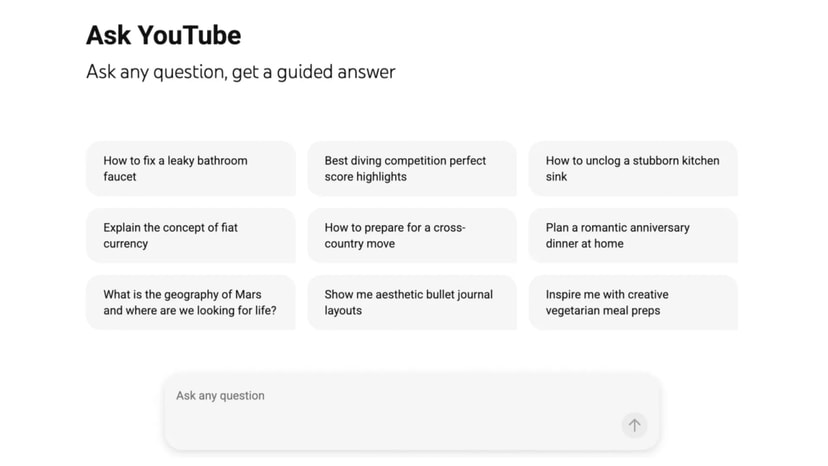
Apple froze development of its AI-powered Safari browser and redirected engineers to integrate Google Gemini into Siri, Bloomberg reported. The company halted the World Knowledge engine that would have enabled Safari to answer user questions without leaving the page. Resources now focus on upgrading the voice assistant before WWDC 2026.
Leadership ordered engineers to stop Safari AI work and shift to Siri integration. Teams now embed Gemini models into voice assistant infrastructure. The decision eliminates planned fact-checking tools and automated credibility features that were part of Apple's AI browser vision.
Integrating Siri with Gemini grants Apple access to a larger language model without building one at comparable scale. The partnership lets Apple use Google's existing AI infrastructure instead of completing in-house development. Users should see improved assistant performance in Messages, Maps, and other core apps once integration completes.
The shift also delays AI-enhanced Health app tools, which Apple sent back for a complete overhaul according to Bloomberg's Mark Gurman.
Instead of embedding separate chatbots into individual apps, the approach will allow the assistant to work seamlessly within key applications.
Apple originally aimed to unveil AI-powered Safari by WWDC 2026 but has now halted those features. The company focuses on fixing summary-generation issues and refining core technologies for Siri integration. First results of the new strategy, including an updated Siri powered by Gemini, could be announced as early as February 2026, with a full showcase expected at WWDC in June.
The strategic pivot represents a significant shift in Apple's AI development approach. Rather than building competing technologies across multiple product lines, the company consolidates efforts around its highest-priority user touchpoint: the voice assistant. The Safari AI project may resume later, but immediate focus targets delivering tangible Siri improvements through the Google partnership.