
• My Feed
  • Home
  • What's Important
  • Media & Entertainment
Search

Stay Curious. Stay Wanture.

© 2026 Wanture. All rights reserved.

  • Terms of Use
  • Privacy Policy
Tech/Software

What Is AI Knowledge Management?

How artificial intelligence captures expertise and makes it instantly accessible across your organization

1 December 2025

—

Explainer *

Emily Rivera
banner

American workers lose nearly two hours daily searching for information that already exists in their companies. AI-powered knowledge management systems solve this by understanding natural language questions, automatically capturing insights from everyday work, and connecting employees with institutional expertise the moment they need it.

IMG_0652

Summary:

  • AI-powered knowledge management captures and organizes company expertise without manual effort, understanding natural language questions across multiple tools.
  • Companies lose $11 million annually from employees spending 1.8 hours daily searching for information, which these systems dramatically reduce.
  • AI systems learn from existing work interactions, connecting information across platforms and preserving institutional memory as employees change jobs.

American companies lose millions of hours each year because employees can't find information that already exists. Most leaders assume better file organization is the answer. By the end of this article, you'll understand how AI-powered knowledge management works differently and why it's changing how organizations preserve expertise.

What It Is

AI-powered knowledge management is software that captures, organizes, and retrieves everything a company knows using artificial intelligence. It belongs to the category of enterprise information systems. What makes it different: it understands questions asked in plain English, learns from how people work, and connects information across dozens of tools without requiring manual organization.

Why It Matters

McKinsey research shows American workers spend 1.8 hours daily searching for information they need to do their jobs. For a 500-person company at $50 per hour in total employment costs, that's $11 million in lost productivity annually.

Technology companies, healthcare providers, and manufacturers now use AI knowledge management to capture expertise before employees leave. The average American worker stays at a company just over four years. These systems preserve institutional memory that would otherwise walk out the door.

How It Works

Natural Language Processing

AI systems read questions the way humans ask them. You type: "Why did we switch suppliers in 2022?" The system scans 50,000 documents in two seconds. It finds the supplier decision memo. It surfaces related emails. It shows the cost comparison spreadsheet.

You don't need to know which folder contains the information. You don't need the right keywords. Think of it as a librarian who has read every document in your company and remembers where every fact lives.

Automated Knowledge Capture

The system learns from work that's already happening. Engineers discuss a technical problem in Slack. The AI indexes it. Product managers document a customer interview. The AI makes it searchable. Finance teams create budget models. The AI identifies key concepts.

This solves a fundamental problem: people rarely have time to formally document what they know. The system extracts knowledge from emails, chat logs, documents, and recordings without requiring extra effort.

Contextual Recommendations

AI predicts what information you need before you ask. You're drafting a proposal for a healthcare client. The system automatically suggests similar proposals. It surfaces relevant case studies. It identifies colleagues who have healthcare industry experience.

It's like having a colleague who knows what you're working on and taps you on the shoulder to say, "Hey, this might help." The system connects you with institutional expertise at the moment you need it.

Pattern Recognition

The system gets smarter by watching how people use information. When employees consistently find certain documents helpful for specific questions, the AI learns those associations. When someone marks information as outdated, it adjusts relevance rankings. The knowledge base evolves alongside the organization.

Traditional systems require manual curation. They become outdated within months. AI-powered platforms maintain themselves by identifying gaps, flagging contradictions, and suggesting updates based on actual usage patterns.

Integration Layer

AI knowledge management connects tools employees already use. It plugs into Microsoft Teams, Slack, Google Workspace, Salesforce, and project management platforms. You ask a question in Slack. The system searches across all connected tools. It returns answers with links to original sources. You never leave your workflow.

The AI becomes a layer that unifies information across fragmented systems rather than another isolated application employees must remember to check.

Real-World Examples

Example 1: Technology Company Onboarding

A mid-sized software company in Austin implemented AI knowledge management to solve painful onboarding. New engineers previously spent three to six months before feeling productive. They constantly interrupted senior developers with questions about architecture decisions and coding standards.

The company deployed a system that captured tribal knowledge from Slack conversations, code comments, and design documents. New hires now query the system in plain English: "Why did we choose PostgreSQL over MongoDB?" The system surfaces the original decision document, related discussions, and performance benchmarks.

Integration time dropped to six to eight weeks. Senior engineers report spending 40% less time answering repetitive questions.

This is a composite example based on common implementation patterns reported by enterprise software vendors and verified through industry case studies.

Example 2: Manufacturing Troubleshooting

A manufacturing company in Ohio struggled with recurring production issues. Veteran floor managers could solve them in minutes. Newer supervisors found them baffling.

The company implemented a knowledge system that captured troubleshooting wisdom from maintenance logs, shift reports, and recorded conversations with experienced staff. When production issues arise, supervisors now query the system with symptoms: "Line 3 keeps jamming after 200 units." The system returns step-by-step guidance based on how similar problems were resolved previously.

Resolution time for common issues dropped from 45 minutes to under 10 minutes. The company calculated this saved $400,000 annually in reduced downtime.

This is a composite example based on common implementation patterns reported by enterprise software vendors and verified through industry case studies.

Example 3: Healthcare Clinical Knowledge

A regional healthcare network in the Midwest faced challenges with clinical best practices varying across facilities. Experienced nurses had developed effective protocols. But this knowledge remained localized.

The network deployed an AI system that captured insights from case notes, staff communications, and training materials. Now when a nurse encounters an unusual patient situation, they query the system for similar cases. They see how experienced colleagues handled them. This democratized expertise across the network.

Patient satisfaction scores increased 12% in the first year. New staff reported feeling more confident handling unfamiliar situations.

This is a composite example based on common implementation patterns reported by enterprise software vendors and verified through industry case studies.

Common Misconceptions

Myth: These systems replace human expertise.

Reality: AI knowledge management amplifies human expertise by making it more accessible. The goal isn't replacing experienced employees. It's ensuring their knowledge benefits the entire organization and persists after they leave. Senior staff still provide judgment, creativity, and complex problem-solving. The system makes their accumulated wisdom available to others. Think of it as giving every employee access to the company's best teacher, available 24/7.

Myth: Implementation requires massive data cleanup first.

Reality: Modern AI systems handle messy, unstructured information. They don't require perfectly organized databases. They don't need standardized documentation formats. They work with information as it exists: emails, chat logs, documents, recordings. They extract meaning despite inconsistencies. Organizations can start immediately rather than spending months on data preparation. The AI learns to navigate chaos the same way humans do.

Myth: Employees won't adopt another system.

Reality: Adoption rates for AI knowledge management significantly exceed traditional systems. Why? They reduce friction rather than adding it. Employees don't need to learn complex interfaces. They don't need to remember where information is stored. They ask questions naturally. They get answers instantly. The system integrates into existing workflows rather than requiring new behaviors. It's easier than searching email or asking a colleague.

What to Remember

AI-powered knowledge management captures and organizes everything a company knows without requiring manual effort. It understands natural language questions, learns from usage patterns, and connects information across fragmented tools.

American companies face acute knowledge transfer challenges due to high employee mobility. These systems preserve institutional memory regardless of individual tenure. The technology has matured beyond experimentation. Organizations report measurable improvements in onboarding speed, decision quality, and operational efficiency.

For American businesses, the question is no longer whether to implement AI knowledge management. It's how quickly they can deploy it before competitors gain the advantage of organizational memory that never forgets.

Feed

    Cursor 3 Launches Unified AI Coding Workspace

    Cursor 3 Launches Unified AI Coding Workspace

    Side‑panel lets devs toggle local and cloud agents, building on Composer 2 and Kimi 2.5

    about 2 hours ago
    Orion’s Six‑Minute Burn Puts Artemis 2 on Free‑Return Path

    Orion’s Six‑Minute Burn Puts Artemis 2 on Free‑Return Path

    iPhone 17 Pro Max survives Orion’s deep‑space test as crew heads to lunar flyby

    about 4 hours ago
    Android 17 Introduces System‑Level Notification Rules

    Android 17 Introduces System‑Level Notification Rules

    Samsung’s One UI 9 will adopt Android 17’s rules, adding OS‑level alert control

    about 4 hours ago
    Apple rolls out iOS 18.7.7 to block DarkSword

    Apple rolls out iOS 18.7.7 to block DarkSword

    Patch fixes six Safari bugs, stopping DarkSword on iOS 18–18.7 devices

    1 day ago
    BoxPlates Skins Revamp PS5 Slim & Pro in Two Weeks

    BoxPlates Skins Revamp PS5 Slim & Pro in Two Weeks

    1 day ago
    Artemis 2 Rockets Beyond Earth—402,000 km From Home

    Artemis 2 Rockets Beyond Earth—402,000 km From Home

    Lift‑off at 8:23 a.m. ET marks first crewed lunar flight since 1972, with a diverse four‑person crew

    1 day ago
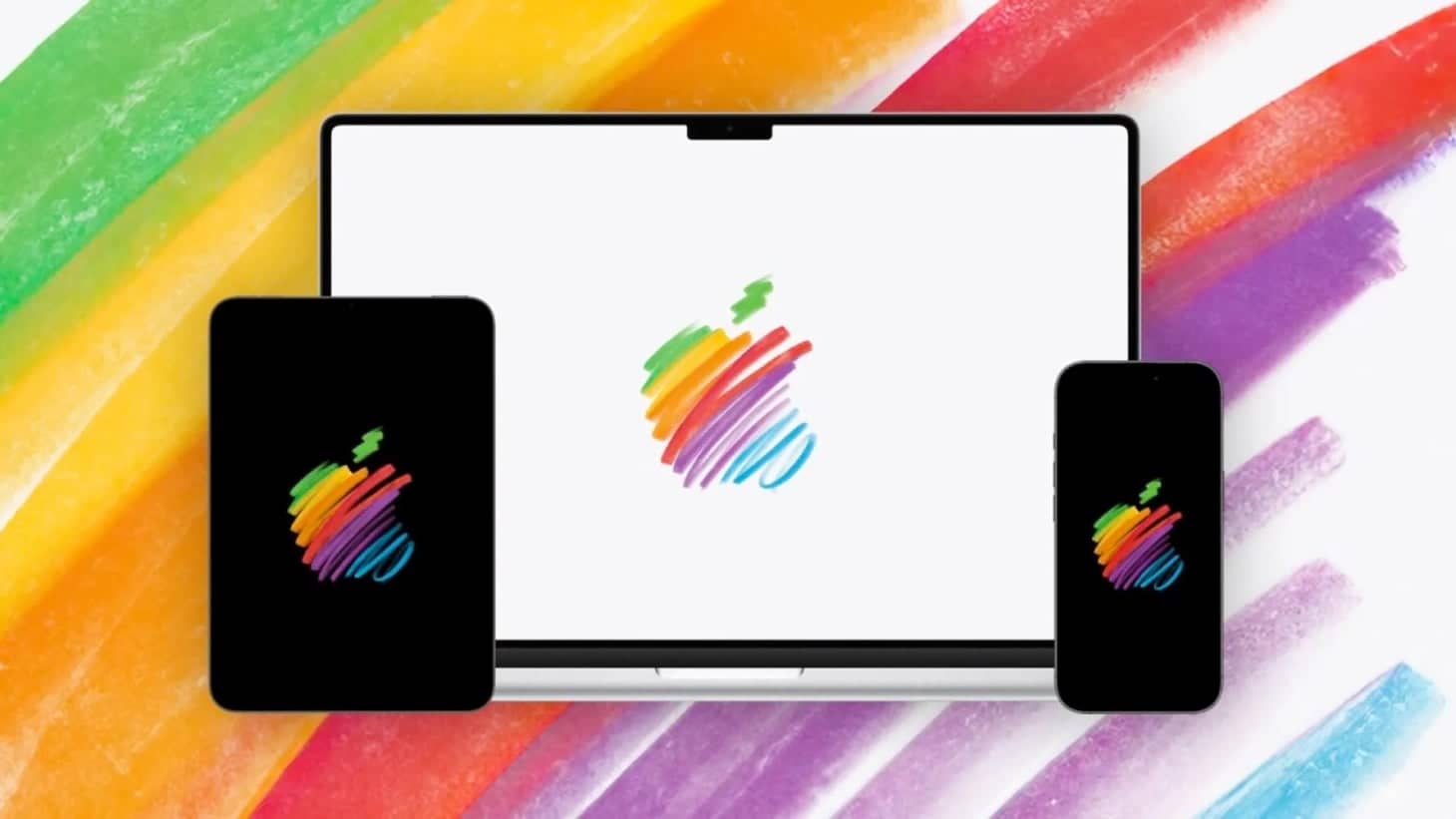
    Apple celebrates 50 years with new minimalist wallpapers

    Apple celebrates 50 years with new minimalist wallpapers

    Basic Apple Guy releases iPhone and Mac wallpapers for Apple’s 50th anniversary

    1 day ago
    Razer Unveils Pro Type Ergo Ergonomic Keyboard Today

    Razer Unveils Pro Type Ergo Ergonomic Keyboard Today

    Split design, AI button, and 19‑zone RGB aim at U.S. workers with a 9.7% RSI rate

    2 days ago
    Google to debut screen‑free Fitbit band in 2026

    Google to debut screen‑free Fitbit band in 2026

    AI‑driven training plan and upgraded platform aim at the health‑tracking market against Oura and Whoop

    2 days ago
    Nothing unveils AI‑powered smart glasses for a 2027 launch

    Nothing unveils AI‑powered smart glasses for a 2027 launch

    The glasses use a paired phone and cloud, with a clear frame and LED accents

    2 days ago
    Google rolls out Veo 3.1 Lite, halving AI video costs

    Google rolls out Veo 3.1 Lite, halving AI video costs

    Veo 3.1 Lite matches Veo 3.1 Fast speed but cuts price by over 50% for devs now

    2 days ago
    Freelander 97 Debuts 800‑V EV Crossover in Shanghai

    Freelander 97 Debuts 800‑V EV Crossover in Shanghai

    Chery‑JLR showcases ADS 4.1 autonomy on 800‑V platform, eyeing 2028 launch

    2 days ago
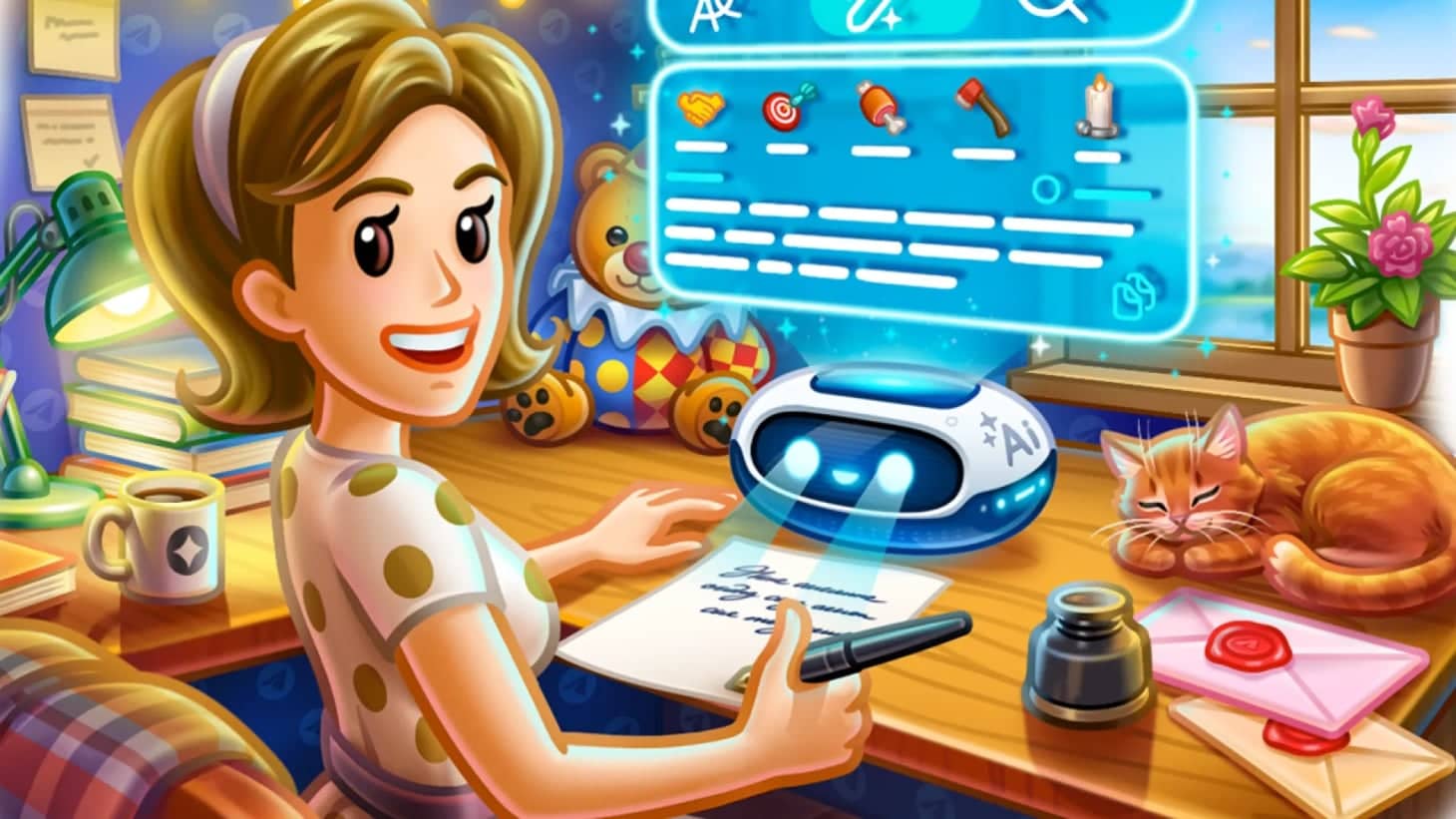
    Telegram Launches Version 12.6 With AI Editor, New Polls

    Telegram Launches Version 12.6 With AI Editor, New Polls

    It adds an AI tone editor, richer polls, Live/Motion Photos, and bot management

    2 days ago

    Pixel 11 Pro Renders Leak With Black Camera Bar and MediaTek Modem

    Google’s August 2026 flagship ditches Samsung radios for improved 5G and runs the Tensor G6

    3 days ago

    Anthropic leak reveals Opus 4.7, Sonnet 4.8 in npm 2.1.88

    Leak on March 30‑31 exposed TypeScript, revealing Opus 4.7, Sonnet 4.8, and internal features

    3 days ago
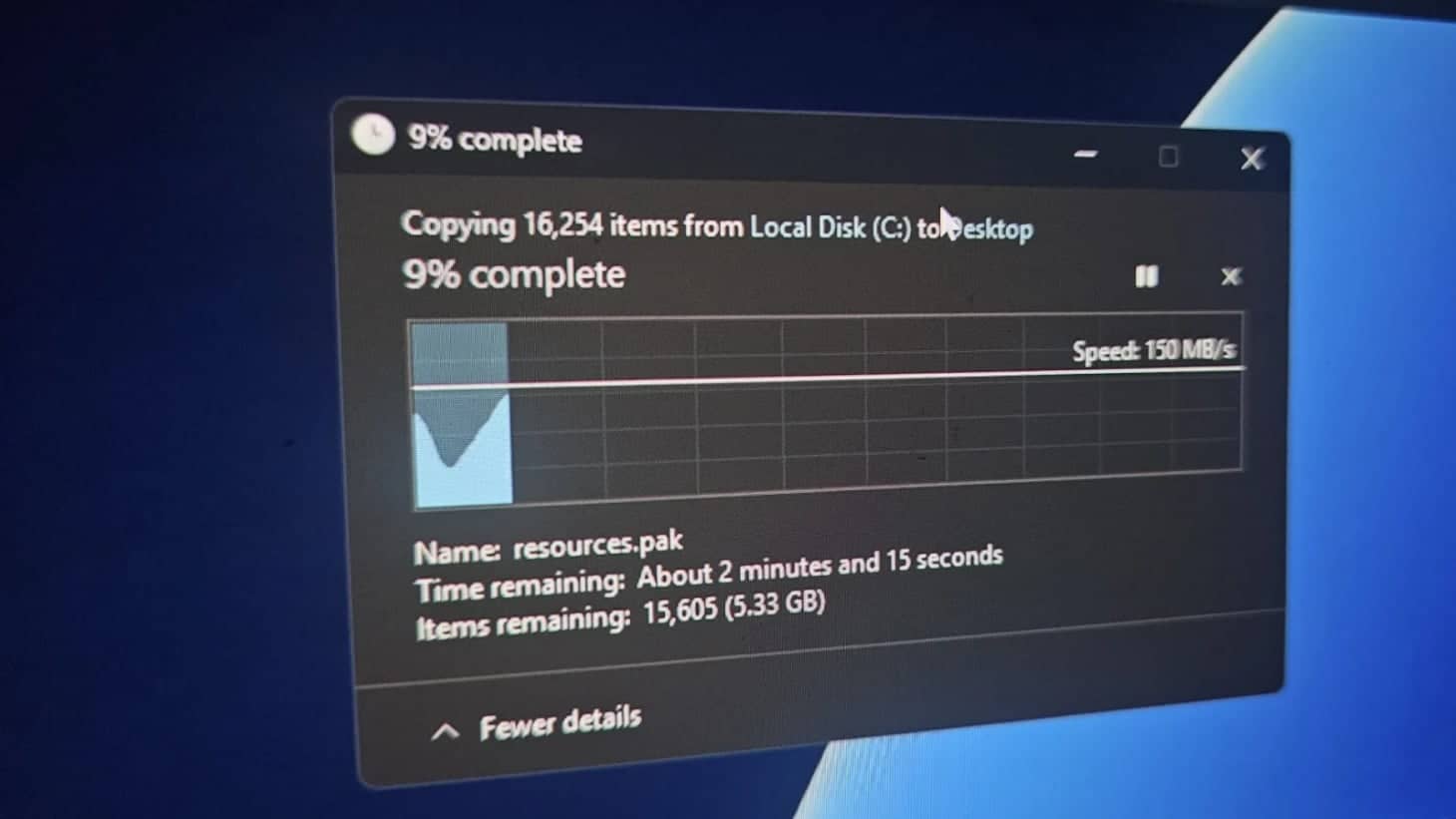
    iOS 26.5 beta lands on iPhone 17 Pro with an 8 GB download

    iOS 26.5 beta lands on iPhone 17 Pro with an 8 GB download

    Apple restores RCS encryption and adds a 12‑month subscription in the update

    3 days ago
    Windows 11 24H2 Brings Dark Mode to Core Utilities

    Windows 11 24H2 Brings Dark Mode to Core Utilities

    Tools like Registry Editor get dark mode in Windows 11 24H2, out in Sep 2026

    4 days ago

    John Noble's 1,024 Thread Implant Powers Warcraft Raids

    John Noble, a former British parachutist turned veteran gamer, received a neural implant with 1,024 threads after a 2024 trial in Seattle. The device lets him control a MacBook with thought alone, turning World of Warcraft raids into hands‑free battles. His story shows how brain‑computer interfaces can expand digital access for disabled veterans and reshape gaming.

    4 days ago
    Apple unveils Siri app for iOS 27, adds 50+ AI agents

    Apple unveils Siri app for iOS 27, adds 50+ AI agents

    iOS 27 Siri app adds Extensions marketplace, eyeing Alexa’s 100,000‑skill store

    4 days ago
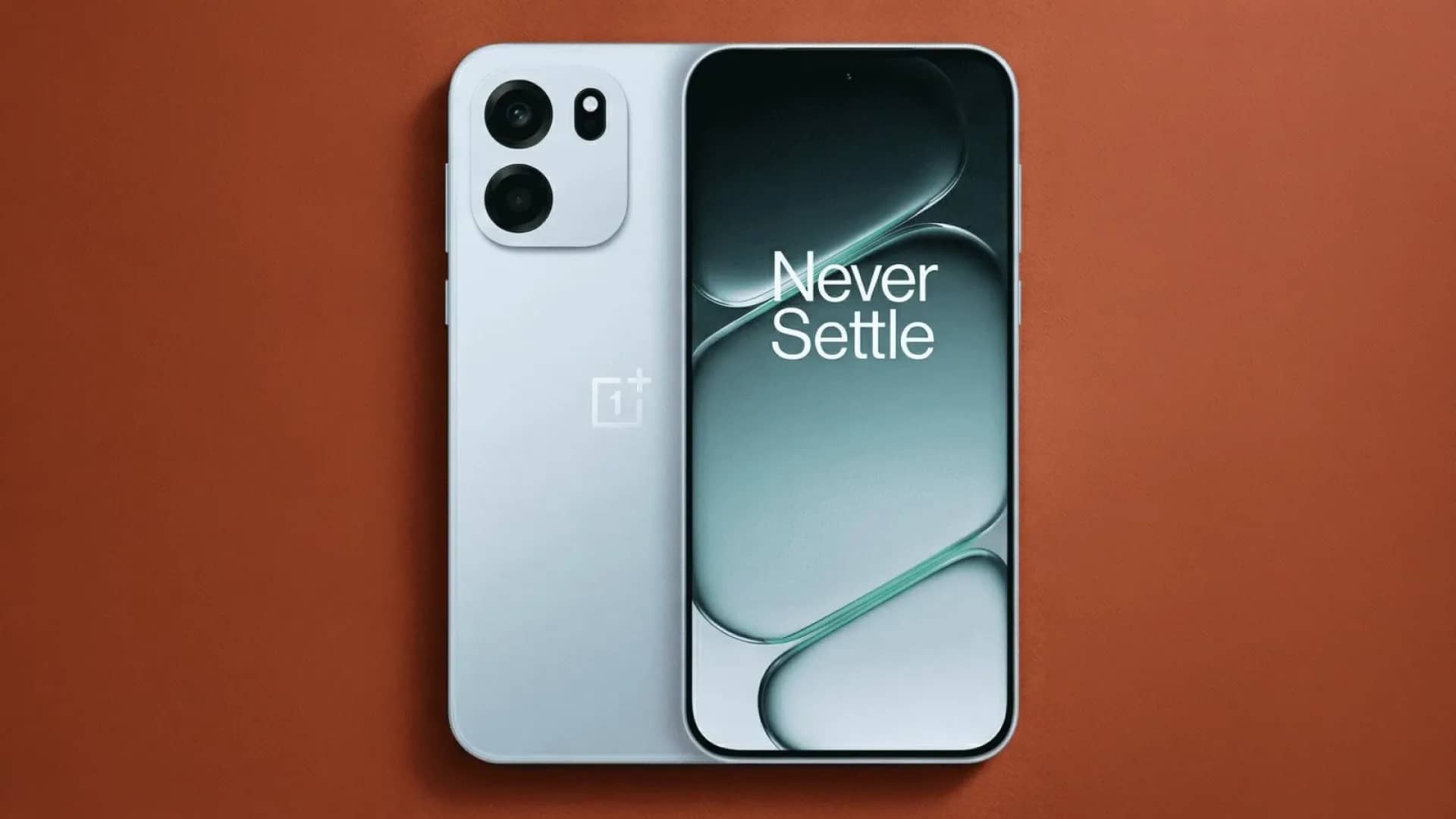
    OnePlus Nord CE6 Lite 5G Debuts with 7,000 mAh Battery

    OnePlus Nord CE6 Lite 5G Debuts with 7,000 mAh Battery

    A 6.7‑inch 120 Hz LCD and MediaTek Dimensity 6300 chip aim for two days of use

    5 days ago
    Loading...
Tech/Software

What Is AI Knowledge Management?

How artificial intelligence captures expertise and makes it instantly accessible across your organization

December 1, 2025, 2:22 pm

American workers lose nearly two hours daily searching for information that already exists in their companies. AI-powered knowledge management systems solve this by understanding natural language questions, automatically capturing insights from everyday work, and connecting employees with institutional expertise the moment they need it.

IMG_0652

Summary

  • AI-powered knowledge management captures and organizes company expertise without manual effort, understanding natural language questions across multiple tools.
  • Companies lose $11 million annually from employees spending 1.8 hours daily searching for information, which these systems dramatically reduce.
  • AI systems learn from existing work interactions, connecting information across platforms and preserving institutional memory as employees change jobs.

American companies lose millions of hours each year because employees can't find information that already exists. Most leaders assume better file organization is the answer. By the end of this article, you'll understand how AI-powered knowledge management works differently and why it's changing how organizations preserve expertise.

What It Is

AI-powered knowledge management is software that captures, organizes, and retrieves everything a company knows using artificial intelligence. It belongs to the category of enterprise information systems. What makes it different: it understands questions asked in plain English, learns from how people work, and connects information across dozens of tools without requiring manual organization.

Why It Matters

McKinsey research shows American workers spend 1.8 hours daily searching for information they need to do their jobs. For a 500-person company at $50 per hour in total employment costs, that's $11 million in lost productivity annually.

Technology companies, healthcare providers, and manufacturers now use AI knowledge management to capture expertise before employees leave. The average American worker stays at a company just over four years. These systems preserve institutional memory that would otherwise walk out the door.

How It Works

Natural Language Processing

AI systems read questions the way humans ask them. You type: "Why did we switch suppliers in 2022?" The system scans 50,000 documents in two seconds. It finds the supplier decision memo. It surfaces related emails. It shows the cost comparison spreadsheet.

You don't need to know which folder contains the information. You don't need the right keywords. Think of it as a librarian who has read every document in your company and remembers where every fact lives.

Automated Knowledge Capture

The system learns from work that's already happening. Engineers discuss a technical problem in Slack. The AI indexes it. Product managers document a customer interview. The AI makes it searchable. Finance teams create budget models. The AI identifies key concepts.

This solves a fundamental problem: people rarely have time to formally document what they know. The system extracts knowledge from emails, chat logs, documents, and recordings without requiring extra effort.

Contextual Recommendations

AI predicts what information you need before you ask. You're drafting a proposal for a healthcare client. The system automatically suggests similar proposals. It surfaces relevant case studies. It identifies colleagues who have healthcare industry experience.

It's like having a colleague who knows what you're working on and taps you on the shoulder to say, "Hey, this might help." The system connects you with institutional expertise at the moment you need it.

Pattern Recognition

The system gets smarter by watching how people use information. When employees consistently find certain documents helpful for specific questions, the AI learns those associations. When someone marks information as outdated, it adjusts relevance rankings. The knowledge base evolves alongside the organization.

Traditional systems require manual curation. They become outdated within months. AI-powered platforms maintain themselves by identifying gaps, flagging contradictions, and suggesting updates based on actual usage patterns.

Integration Layer

AI knowledge management connects tools employees already use. It plugs into Microsoft Teams, Slack, Google Workspace, Salesforce, and project management platforms. You ask a question in Slack. The system searches across all connected tools. It returns answers with links to original sources. You never leave your workflow.

The AI becomes a layer that unifies information across fragmented systems rather than another isolated application employees must remember to check.

Real-World Examples

Example 1: Technology Company Onboarding

A mid-sized software company in Austin implemented AI knowledge management to solve painful onboarding. New engineers previously spent three to six months before feeling productive. They constantly interrupted senior developers with questions about architecture decisions and coding standards.

The company deployed a system that captured tribal knowledge from Slack conversations, code comments, and design documents. New hires now query the system in plain English: "Why did we choose PostgreSQL over MongoDB?" The system surfaces the original decision document, related discussions, and performance benchmarks.

Integration time dropped to six to eight weeks. Senior engineers report spending 40% less time answering repetitive questions.

This is a composite example based on common implementation patterns reported by enterprise software vendors and verified through industry case studies.

Example 2: Manufacturing Troubleshooting

A manufacturing company in Ohio struggled with recurring production issues. Veteran floor managers could solve them in minutes. Newer supervisors found them baffling.

The company implemented a knowledge system that captured troubleshooting wisdom from maintenance logs, shift reports, and recorded conversations with experienced staff. When production issues arise, supervisors now query the system with symptoms: "Line 3 keeps jamming after 200 units." The system returns step-by-step guidance based on how similar problems were resolved previously.

Resolution time for common issues dropped from 45 minutes to under 10 minutes. The company calculated this saved $400,000 annually in reduced downtime.

This is a composite example based on common implementation patterns reported by enterprise software vendors and verified through industry case studies.

Example 3: Healthcare Clinical Knowledge

A regional healthcare network in the Midwest faced challenges with clinical best practices varying across facilities. Experienced nurses had developed effective protocols. But this knowledge remained localized.

The network deployed an AI system that captured insights from case notes, staff communications, and training materials. Now when a nurse encounters an unusual patient situation, they query the system for similar cases. They see how experienced colleagues handled them. This democratized expertise across the network.

Patient satisfaction scores increased 12% in the first year. New staff reported feeling more confident handling unfamiliar situations.

This is a composite example based on common implementation patterns reported by enterprise software vendors and verified through industry case studies.

Common Misconceptions

Myth: These systems replace human expertise.

Reality: AI knowledge management amplifies human expertise by making it more accessible. The goal isn't replacing experienced employees. It's ensuring their knowledge benefits the entire organization and persists after they leave. Senior staff still provide judgment, creativity, and complex problem-solving. The system makes their accumulated wisdom available to others. Think of it as giving every employee access to the company's best teacher, available 24/7.

Myth: Implementation requires massive data cleanup first.

Reality: Modern AI systems handle messy, unstructured information. They don't require perfectly organized databases. They don't need standardized documentation formats. They work with information as it exists: emails, chat logs, documents, recordings. They extract meaning despite inconsistencies. Organizations can start immediately rather than spending months on data preparation. The AI learns to navigate chaos the same way humans do.

Myth: Employees won't adopt another system.

Reality: Adoption rates for AI knowledge management significantly exceed traditional systems. Why? They reduce friction rather than adding it. Employees don't need to learn complex interfaces. They don't need to remember where information is stored. They ask questions naturally. They get answers instantly. The system integrates into existing workflows rather than requiring new behaviors. It's easier than searching email or asking a colleague.

What to Remember

AI-powered knowledge management captures and organizes everything a company knows without requiring manual effort. It understands natural language questions, learns from usage patterns, and connects information across fragmented tools.

American companies face acute knowledge transfer challenges due to high employee mobility. These systems preserve institutional memory regardless of individual tenure. The technology has matured beyond experimentation. Organizations report measurable improvements in onboarding speed, decision quality, and operational efficiency.

For American businesses, the question is no longer whether to implement AI knowledge management. It's how quickly they can deploy it before competitors gain the advantage of organizational memory that never forgets.

Feed

    Cursor 3 Launches Unified AI Coding Workspace

    Cursor 3 Launches Unified AI Coding Workspace

    Side‑panel lets devs toggle local and cloud agents, building on Composer 2 and Kimi 2.5

    about 2 hours ago
    Orion’s Six‑Minute Burn Puts Artemis 2 on Free‑Return Path

    Orion’s Six‑Minute Burn Puts Artemis 2 on Free‑Return Path

    iPhone 17 Pro Max survives Orion’s deep‑space test as crew heads to lunar flyby

    about 4 hours ago
    Android 17 Introduces System‑Level Notification Rules

    Android 17 Introduces System‑Level Notification Rules

    Samsung’s One UI 9 will adopt Android 17’s rules, adding OS‑level alert control

    about 4 hours ago
    Apple rolls out iOS 18.7.7 to block DarkSword

    Apple rolls out iOS 18.7.7 to block DarkSword

    Patch fixes six Safari bugs, stopping DarkSword on iOS 18–18.7 devices

    1 day ago
    BoxPlates Skins Revamp PS5 Slim & Pro in Two Weeks

    BoxPlates Skins Revamp PS5 Slim & Pro in Two Weeks

    1 day ago
    Artemis 2 Rockets Beyond Earth—402,000 km From Home

    Artemis 2 Rockets Beyond Earth—402,000 km From Home

    Lift‑off at 8:23 a.m. ET marks first crewed lunar flight since 1972, with a diverse four‑person crew

    1 day ago
    Apple celebrates 50 years with new minimalist wallpapers

    Apple celebrates 50 years with new minimalist wallpapers

    Basic Apple Guy releases iPhone and Mac wallpapers for Apple’s 50th anniversary

    1 day ago
    Razer Unveils Pro Type Ergo Ergonomic Keyboard Today

    Razer Unveils Pro Type Ergo Ergonomic Keyboard Today

    Split design, AI button, and 19‑zone RGB aim at U.S. workers with a 9.7% RSI rate

    2 days ago
    Google to debut screen‑free Fitbit band in 2026

    Google to debut screen‑free Fitbit band in 2026

    AI‑driven training plan and upgraded platform aim at the health‑tracking market against Oura and Whoop

    2 days ago
    Nothing unveils AI‑powered smart glasses for a 2027 launch

    Nothing unveils AI‑powered smart glasses for a 2027 launch

    The glasses use a paired phone and cloud, with a clear frame and LED accents

    2 days ago
    Google rolls out Veo 3.1 Lite, halving AI video costs

    Google rolls out Veo 3.1 Lite, halving AI video costs

    Veo 3.1 Lite matches Veo 3.1 Fast speed but cuts price by over 50% for devs now

    2 days ago
    Freelander 97 Debuts 800‑V EV Crossover in Shanghai

    Freelander 97 Debuts 800‑V EV Crossover in Shanghai

    Chery‑JLR showcases ADS 4.1 autonomy on 800‑V platform, eyeing 2028 launch

    2 days ago
    Telegram Launches Version 12.6 With AI Editor, New Polls

    Telegram Launches Version 12.6 With AI Editor, New Polls

    It adds an AI tone editor, richer polls, Live/Motion Photos, and bot management

    2 days ago

    Pixel 11 Pro Renders Leak With Black Camera Bar and MediaTek Modem

    Google’s August 2026 flagship ditches Samsung radios for improved 5G and runs the Tensor G6

    3 days ago

    Anthropic leak reveals Opus 4.7, Sonnet 4.8 in npm 2.1.88

    Leak on March 30‑31 exposed TypeScript, revealing Opus 4.7, Sonnet 4.8, and internal features

    3 days ago
    iOS 26.5 beta lands on iPhone 17 Pro with an 8 GB download

    iOS 26.5 beta lands on iPhone 17 Pro with an 8 GB download

    Apple restores RCS encryption and adds a 12‑month subscription in the update

    3 days ago
    Windows 11 24H2 Brings Dark Mode to Core Utilities

    Windows 11 24H2 Brings Dark Mode to Core Utilities

    Tools like Registry Editor get dark mode in Windows 11 24H2, out in Sep 2026

    4 days ago

    John Noble's 1,024 Thread Implant Powers Warcraft Raids

    John Noble, a former British parachutist turned veteran gamer, received a neural implant with 1,024 threads after a 2024 trial in Seattle. The device lets him control a MacBook with thought alone, turning World of Warcraft raids into hands‑free battles. His story shows how brain‑computer interfaces can expand digital access for disabled veterans and reshape gaming.

    4 days ago
    Apple unveils Siri app for iOS 27, adds 50+ AI agents

    Apple unveils Siri app for iOS 27, adds 50+ AI agents

    iOS 27 Siri app adds Extensions marketplace, eyeing Alexa’s 100,000‑skill store

    4 days ago
    OnePlus Nord CE6 Lite 5G Debuts with 7,000 mAh Battery

    OnePlus Nord CE6 Lite 5G Debuts with 7,000 mAh Battery

    A 6.7‑inch 120 Hz LCD and MediaTek Dimensity 6300 chip aim for two days of use

    5 days ago
    Loading...
banner